
Have you ever found yourself reaching for a can of Diet Coke, wondering just what’s inside? You’re not alone.
Many people enjoy this popular beverage, but few truly know the nutritional values it holds. Whether you’re a longtime fan or simply curious, understanding what’s in your drink can be quite revealing. Imagine having the power to make informed choices about what you consume daily.
By delving into the nutritional values of Diet Coke, you can take control of your dietary decisions and feel more confident in your choices. Ready to discover the truth behind that fizz? Let’s dive in and explore what Diet Coke really offers.
Calorie Content
Understanding the calorie content of Diet Coke can change the way you think about your beverage choices. Many people pick Diet Coke assuming it’s calorie-free, but what does that actually mean for your daily intake? Let’s break down the numbers and see how it fits into your diet.
Calories In A Standard Serving
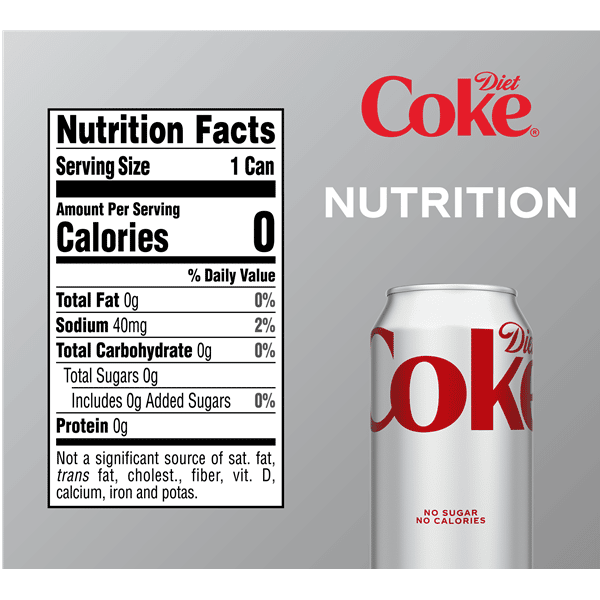
A 12-ounce (355 ml) can of Diet Coke contains fewer than 5 calories. This is significantly lower than regular soda, which typically has around 140 calories per can.
Because the calorie count is so low, Diet Coke is often considered a zero-calorie drink by most nutrition labels. This makes it a popular option for those watching their calorie intake without giving up fizzy drinks.
How Artificial Sweeteners Affect Calorie Count
Diet Coke uses artificial sweeteners like aspartame to provide sweetness without the calories. These sweeteners don’t contribute to your calorie intake the way sugar does.
However, some studies suggest that artificial sweeteners might influence appetite or cravings, leading some people to consume more calories later. Have you noticed if drinking Diet Coke affects your hunger or food choices?
Calorie Content Compared To Other Drinks
| Drink | Calories (per 12 oz) |
|---|---|
| Diet Coke | Less than 5 |
| Regular Cola | 140 |
| Orange Juice | 160 |
| Unsweetened Iced Tea | 0 |
Looking at the numbers, Diet Coke clearly has an advantage if you want to avoid calories. But consider what else you are drinking throughout the day and how it adds up.
Practical Tips For Managing Calorie Intake With Diet Coke
- Use Diet Coke as an occasional treat rather than a daily habit.
- Pay attention to how your body reacts after drinking it—do you feel satisfied or crave more sweets?
- Balance your drinks with plenty of water and nutrient-rich beverages.
Have you tried swapping just one sugary drink a day for Diet Coke? It might help you cut calories without feeling deprived.

Credit: www.ebay.com
Sugar And Sweeteners
Understanding the sugar and sweeteners in Diet Coke helps you make smarter choices about what you drink. Unlike regular sodas loaded with sugar, Diet Coke uses sweeteners to give you the same taste without the calories. But what exactly are these sweeteners, and how do they affect your body?
Artificial Sweeteners Used
Diet Coke primarily uses artificial sweeteners like aspartame and acesulfame potassium. These ingredients provide sweetness without adding sugar or calories.
- Aspartame:About 200 times sweeter than sugar, it helps keep the calorie count low.
- Acesulfame Potassium:Often combined with aspartame to create a balanced sweetness.
Many people don’t realize these sweeteners are carefully measured to maintain flavor without a sugar spike. When I switched from regular soda to Diet Coke, I noticed the taste stayed satisfying even without sugar.
Impact On Blood Sugar
Artificial sweeteners in Diet Coke generally have little to no impact on blood sugar levels. This makes it a popular choice for people managing diabetes or watching their sugar intake.
However, individual responses can vary. Some studies suggest artificial sweeteners may influence insulin sensitivity, but the effect is usually minimal with moderate consumption.
Have you ever checked how your body reacts after drinking Diet Coke? Paying attention to your own body’s signals can help you decide if it fits your diet.
Caffeine Levels
Caffeine is a key ingredient in Diet Coke. It gives a slight energy boost and helps keep you alert. Understanding caffeine levels in Diet Coke helps you manage your daily intake.
Comparison With Regular Coke
Diet Coke and Regular Coke contain different caffeine amounts. Diet Coke has about 46 mg of caffeine per 12-ounce can. Regular Coke has less caffeine, around 34 mg per 12-ounce can. This means Diet Coke provides more caffeine in the same serving size. People who want more caffeine often choose Diet Coke over Regular Coke.
Effects Of Caffeine
Caffeine stimulates the central nervous system. It can help improve focus and reduce tiredness. Small amounts of caffeine are safe for most people. Drinking too much caffeine can cause jitters or trouble sleeping. Some may feel a faster heartbeat or anxiety. It is important to know your limit and enjoy Diet Coke in moderation.
Vitamins And Minerals
Diet Coke is popular for its low calorie content and unique taste. Many wonder about its vitamins and minerals. Understanding these can help you make informed choices about your drink.
Diet Coke contains very few vitamins and minerals. It is mainly a flavored, carbonated water with artificial sweeteners. This means it does not provide significant nutritional value in terms of essential nutrients.
Vitamins Content In Diet Coke
Diet Coke does not contain any measurable amount of vitamins. It lacks vitamins such as A, C, D, or B-complex. If you want vitamins, other drinks or foods are better choices.
Minerals In Diet Coke
The mineral content in Diet Coke is minimal. It does not provide calcium, magnesium, potassium, or iron in meaningful amounts. These minerals are important for health but must come from other sources.
Why Vitamins And Minerals Matter
Vitamins and minerals support many body functions. They help with energy, immune health, and bone strength. Since Diet Coke has little to none, it should not be your main source.
Sodium Content
Sodium is an important mineral that affects your body’s water balance and blood pressure. Diet Coke contains some sodium, but the amount is quite low compared to many other beverages. Understanding the sodium content helps you manage your daily intake, especially if you watch your salt consumption.
Sodium Amount In A Can Of Diet Coke
A standard 12-ounce (355 ml) can of Diet Coke contains about 40 milligrams of sodium. This amount is a small fraction of the daily recommended limit of 2,300 milligrams for most adults.
How Sodium In Diet Coke Compares To Other Drinks
| Beverage | Sodium Content (mg per 12 oz) |
|---|---|
| Diet Coke | 40 |
| Regular Cola | 45 |
| Orange Juice | 2 |
| Sports Drink | 110 |
Why Monitor Sodium Intake?
- High sodium may increase blood pressure.
- Too much salt can affect heart health.
- Lower sodium helps maintain healthy kidneys.
- Diet Coke’s low sodium is suitable for many diets.
Diet Coke And Weight Management
Diet Coke often finds its way into weight management conversations because it offers a zero-calorie alternative to sugary drinks. Many people wonder if switching to Diet Coke can actually help with losing or maintaining weight. Let’s break down how Diet Coke fits into your weight management goals and what you should consider before making it a regular part of your diet.
How Diet Coke Affects Calorie Intake
Diet Coke contains no calories, which means it doesn’t add to your daily calorie count. This can be helpful if you’re trying to reduce overall calorie consumption without giving up soda entirely.
However, zero calories don’t automatically mean zero impact on your appetite or eating habits. Some studies suggest that artificial sweeteners might trigger cravings for sweet or high-calorie foods, which could lead to overeating.
Can Diet Coke Help You Lose Weight?
Replacing sugary drinks with Diet Coke can reduce your daily calorie intake, which supports weight loss efforts. If you usually drink a soda with 150 calories, swapping it for Diet Coke saves those calories.
But weight loss depends on your total diet and lifestyle. Simply drinking Diet Coke without addressing other eating habits or activity levels won’t lead to significant change.
Potential Downsides To Consider
- Cravings and Overeating:Some people report increased hunger or cravings after drinking Diet Coke.
- Impact on Gut Health:Artificial sweeteners might affect gut bacteria, influencing metabolism and weight.
- Psychological Effects:Relying on diet sodas may lead to underestimating calorie intake from other foods.
Tips For Using Diet Coke Wisely In Your Weight Plan
- Use Diet Coke to cut calories from sugary beverages, but don’t rely on it as a weight loss solution alone.
- Pay attention to how your body reacts—notice if Diet Coke makes you hungrier or leads to cravings.
- Balance it with plenty of water, whole foods, and regular physical activity for best results.
Have you noticed changes in your appetite or weight when drinking Diet Coke? Listening to your body can help you decide if it’s a useful tool or a hidden hurdle in your weight management journey.
Health Considerations
Diet Coke’s nutritional profile offers zero calories and sugar, attracting many health-conscious consumers. Despite this, some health concerns arise from its ingredients. Understanding these concerns helps make better choices about consumption.
Dental Health
Diet Coke contains acids like phosphoric acid and citric acid. These acids can erode tooth enamel over time. Enamel erosion leads to tooth sensitivity and cavities. Drinking Diet Coke through a straw may reduce acid contact with teeth. Rinsing the mouth with water after drinking also helps protect enamel.
Bone Health
Phosphoric acid in Diet Coke might affect bone density. High intake of colas has been linked to lower bone mineral density. This effect is more common in women. Calcium levels may be disrupted by excessive cola consumption. Balancing Diet Coke intake with calcium-rich foods supports bone health.
Metabolic Effects
Artificial sweeteners in Diet Coke can impact metabolism. Some studies suggest they may affect insulin sensitivity. The research is mixed and ongoing. Drinking Diet Coke does not raise blood sugar directly. Still, frequent consumption might influence appetite and cravings. Moderation remains key for metabolic health.
Credit: www.hy-vee.com
Comparing Diet Coke To Other Beverages
Comparing Diet Coke to other drinks helps understand its place in a daily diet. Many choose it for low calories and zero sugar. It offers a different profile than regular sodas, diet drinks, and natural options. Examining these differences guides better choices for health and taste.
Regular Soda
Regular sodas contain high sugar levels and many calories. A typical can has about 140 calories and 39 grams of sugar. This amount can quickly add up in a day. Diet Coke, by contrast, has zero calories and no sugar. It uses artificial sweeteners to provide sweetness without the calories. Choosing Diet Coke reduces sugar intake significantly.
Other Diet Drinks
Many diet drinks use artificial sweeteners like Diet Coke. Some have caffeine, others do not. Ingredients can vary, affecting taste and health impact. Some diet drinks add vitamins or minerals. Others contain preservatives or artificial colors. Diet Coke remains popular for its consistent flavor and wide availability.
Water And Natural Options
Water is the healthiest beverage choice. It hydrates without calories or additives. Natural drinks like herbal teas or fruit-infused water add flavor without sugar. These options support hydration and health better than diet or regular sodas. Drinking water helps with digestion, skin, and energy levels. Natural beverages provide nutrients and antioxidants without artificial ingredients.

Credit: www.cub.com
Frequently Asked Questions
What Are The Calories In Diet Coke?
Diet Coke contains zero calories per 12-ounce serving. It is a popular choice for calorie-conscious individuals. This makes it a great alternative to sugary sodas.
Does Diet Coke Have Sugar Or Carbs?
Diet Coke has no sugar and zero carbohydrates. It uses artificial sweeteners, making it suitable for low-carb and keto diets. This helps maintain blood sugar levels.
What Vitamins And Minerals Are In Diet Coke?
Diet Coke contains no significant vitamins or minerals. It is primarily a flavored carbonated water with artificial sweeteners. Nutritional benefits come from other food sources.
Is Diet Coke Safe For Daily Consumption?
Moderate consumption of Diet Coke is generally considered safe. However, excessive intake of artificial sweeteners may cause health concerns. It is best to enjoy it occasionally.
Conclusion
Diet Coke offers a low-calorie option for soda lovers. It contains no sugar, which helps reduce calorie intake. The drink provides caffeine for a quick energy boost. Be mindful of artificial sweeteners in your diet. Drinking in moderation keeps your health balanced.
Choose Diet Coke if you want a lighter soda. Always read labels to know what you consume. Small choices make a big difference in health. Enjoy your drink, but stay aware of its contents.







