
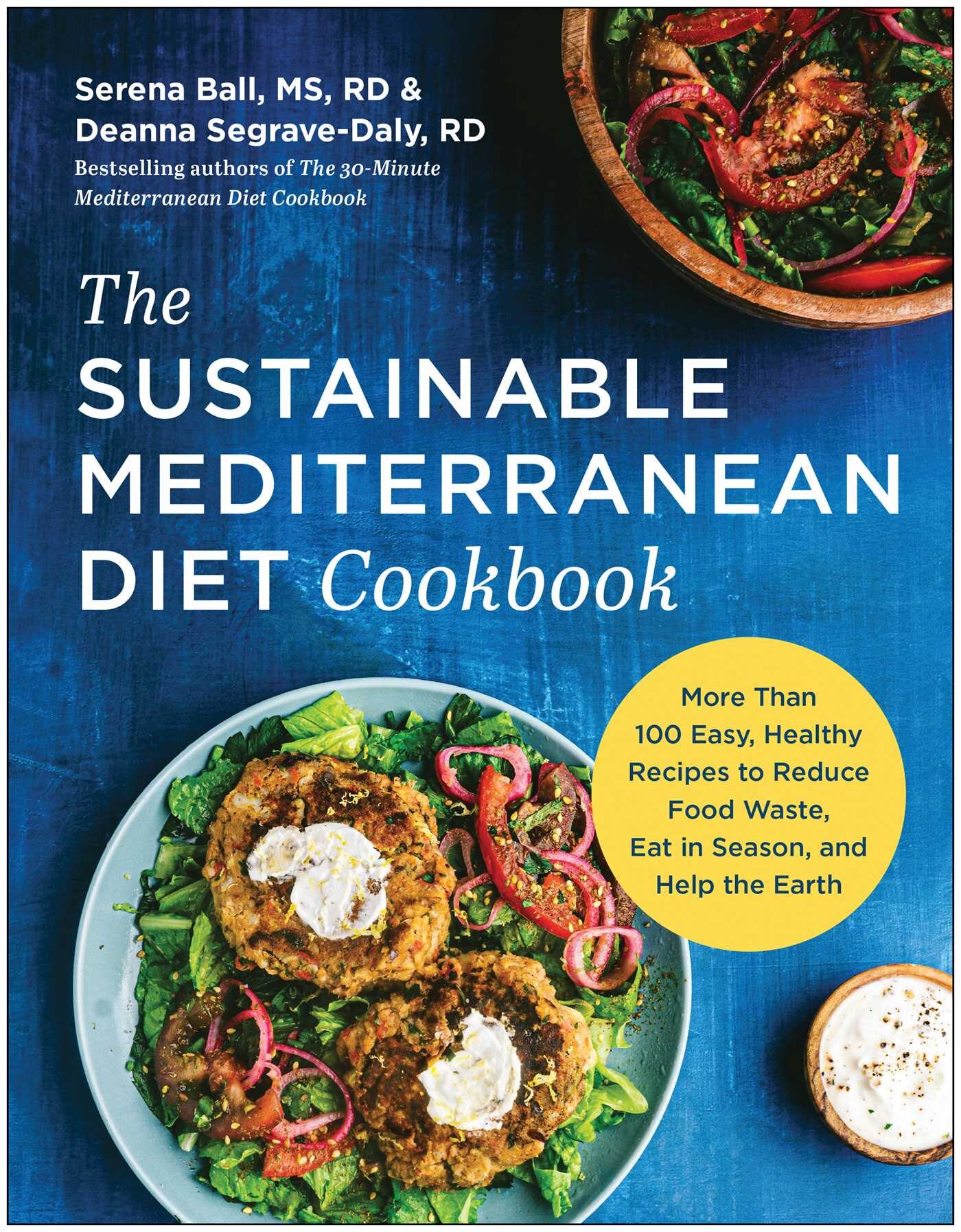
Imagine a way of eating that not only delights your taste buds but also boosts your health. The Mediterranean Diet Cookbook holds the secret to this culinary magic.
You might have heard about the Mediterranean diet’s benefits, from heart health to longevity. But how do you bring these benefits to your kitchen? That’s where this cookbook steps in. It’s your gateway to a world of vibrant flavors and wholesome meals.
Curious to know how you can effortlessly transform your meals into a health-enhancing experience? Keep reading to discover how this cookbook can become your personal guide to eating well and living better.

Credit: www.amazon.ca
Benefits Of The Mediterranean Diet
The Mediterranean Diet offers more than just delicious meals; it brings a host of health benefits that can improve your life. This way of eating focuses on fresh vegetables, fruits, whole grains, healthy fats, and lean proteins. You might wonder how these simple ingredients can impact your body and mind so positively.
Heart Health Boost
The Mediterranean Diet is known for supporting a strong heart. It emphasizes olive oil, nuts, and fish, which are rich in healthy fats that help lower bad cholesterol. People who follow this diet often see a drop in blood pressure and reduced risk of heart disease.
Have you noticed how meals with fewer processed foods leave you feeling more energetic? That’s part of the heart-healthy effect at work.
Weight Management
This diet helps you manage your weight without strict calorie counting. The focus on whole foods and fiber-rich ingredients keeps you full longer and reduces unhealthy cravings. Unlike fad diets, it allows you to enjoy tasty meals while staying on track.
Think about how satisfying a plate of grilled fish with fresh veggies can be compared to a quick snack that leaves you hungry again.
Improved Brain Function
Eating Mediterranean-style can sharpen your mind and protect brain health. Foods like berries, leafy greens, and fatty fish provide antioxidants and omega-3s that support memory and focus. Studies show people on this diet have a lower risk of cognitive decline as they age.
Ever noticed how you think clearer after a balanced meal? That’s your brain thanking you for the right nutrients.
Anti-inflammatory Effects
Chronic inflammation can lead to many health problems, but the Mediterranean Diet helps reduce it naturally. Ingredients such as tomatoes, olive oil, and spices like turmeric have anti-inflammatory properties. This can ease joint pain and improve overall wellness.
Next time you feel stiff or tired, consider if your diet might be contributing—and if a Mediterranean meal could help.
Essential Ingredients
The Mediterranean diet is full of vibrant, fresh ingredients. These ingredients bring rich flavors and great nutrition. They create meals that are both healthy and delicious.
Understanding the essential ingredients helps cook authentic Mediterranean dishes. These foods support heart health, weight control, and overall well-being.
Fresh Vegetables And Fruits
Vegetables and fruits are the base of this diet. They are rich in vitamins, minerals, and fiber. Common choices include tomatoes, cucumbers, bell peppers, and leafy greens. Fruits like oranges, grapes, and figs add natural sweetness and antioxidants.
Whole Grains And Legumes
Whole grains provide long-lasting energy and fiber. Examples are brown rice, barley, and whole wheat. Legumes like lentils, chickpeas, and beans offer protein and fiber. They help keep blood sugar steady and support digestion.
Healthy Fats And Oils
Healthy fats are key in Mediterranean cooking. Olive oil is the main oil used. It is high in good fats that support heart health. Nuts and seeds like almonds and walnuts add crunch and healthy oils too.
Lean Proteins And Seafood
Lean proteins include chicken, turkey, and eggs. Fish and seafood are eaten often. Choices like salmon, sardines, and shrimp provide omega-3 fatty acids. These fats help reduce inflammation and improve brain health.
Herbs And Spices
Fresh herbs and spices give flavor without extra salt. Basil, oregano, rosemary, and thyme are favorites. Garlic and lemon add zest and depth to dishes. These seasonings boost taste and offer health benefits.
Breakfast Recipes
Breakfast is an important meal in the Mediterranean diet. It offers energy and nutrients to start the day right. These recipes use fresh, natural ingredients typical of Mediterranean cooking. Each dish is simple to prepare and full of flavor. They support a healthy lifestyle and satisfy your taste buds.
Greek Yogurt With Honey And Nuts
This recipe combines creamy Greek yogurt with sweet honey and crunchy nuts. It is rich in protein and healthy fats. Use walnuts, almonds, or pistachios for a satisfying texture. Drizzle honey on top to add natural sweetness. This breakfast boosts digestion and keeps you full for hours.
Tomato And Feta Omelette
The tomato and feta omelette is colorful and tasty. Fresh tomatoes add juiciness while feta cheese gives a salty bite. Use olive oil to cook the eggs lightly. This meal is packed with vitamins and calcium. It is perfect for a quick, nutritious breakfast that feels fresh.
Whole Grain Porridge With Fresh Berries
Whole grain porridge is warm and comforting. Cook oats in water or milk for a creamy base. Top with fresh berries like strawberries, blueberries, or raspberries. The berries add antioxidants and natural sweetness. This breakfast helps maintain steady energy and supports heart health.
Credit: www.indigo.ca
Lunch Ideas
Lunch is the perfect chance to fuel your body with fresh, vibrant flavors that keep you energized for the rest of the day. The Mediterranean diet offers a variety of simple yet satisfying meals that are quick to prepare and full of nutrients. These lunch ideas combine wholesome ingredients to keep your midday meal exciting and healthy.
Mediterranean Chickpea Salad
This salad is a powerhouse of protein and fiber, making it a great option to keep you full until dinner. Toss together chickpeas, cherry tomatoes, cucumber, red onion, and fresh parsley. Add a splash of lemon juice and a drizzle of olive oil for a bright, refreshing taste.
Have you tried adding a handful of crumbled feta? It gives a creamy texture that perfectly balances the crisp veggies. This salad can be made ahead, so it’s ideal for busy days.
Grilled Vegetable Wrap
Grilled vegetables bring out rich, smoky flavors that transform a simple wrap into a delicious meal. Use zucchini, bell peppers, eggplant, and red onions, then layer them with hummus on whole wheat flatbread. The combination is both filling and light.
Try adding fresh herbs like basil or mint to elevate the flavors. Wrapping it tightly makes it easy to take on the go, perfect for work or a picnic.
Quinoa And Olive Bowl
Quinoa is a fantastic base for a Mediterranean bowl because it’s packed with protein and cooks quickly. Mix cooked quinoa with chopped olives, sun-dried tomatoes, spinach, and toasted pine nuts. A simple dressing of olive oil and balsamic vinegar pulls it all together.
Have you experimented with different olives? Kalamata olives add a tangy punch, while green olives bring a mild saltiness. This bowl is a nutrient-dense option that feels indulgent without the guilt.
Dinner Favorites
Dinner is the perfect time to enjoy the rich and vibrant flavors of the Mediterranean diet. These dinner favorites bring warmth and satisfaction without overwhelming your kitchen or your schedule. Each dish combines fresh ingredients and simple techniques that keep your meals healthy and delicious.
Baked Fish With Lemon And Herbs
This dish is a staple in Mediterranean homes. The fish stays tender and juicy thanks to the gentle baking process. Bright lemon juice and fresh herbs like rosemary or thyme add a burst of flavor without extra calories.
Try serving it with a side of roasted vegetables or a light salad. You’ll find the balance of taste and nutrition hard to beat. Have you ever noticed how a squeeze of lemon can completely change the mood of a dish?
Eggplant Parmesan
Unlike traditional versions, this Mediterranean take uses fresh ingredients and less cheese. The eggplant slices are grilled or baked until soft, then layered with tomato sauce and a sprinkle of Parmesan. This keeps the dish light but still comforting.
This recipe is perfect if you want a meat-free dinner that doesn’t feel like a compromise. It’s a great way to introduce more vegetables into your meals. What’s your favorite way to enjoy eggplant?
Chicken Souvlaki With Tzatziki
Chicken souvlaki is easy to prepare and packed with flavor. Marinated in olive oil, lemon, garlic, and oregano, the chicken pieces become tender and aromatic. Grilled to perfection, they pair beautifully with cool, creamy tzatziki sauce made from yogurt, cucumber, and garlic.
This meal is both satisfying and refreshing. You can serve it with pita bread or a simple side salad. How often do you find yourself craving a dish that feels both hearty and light?

Credit: www.amazon.ca
Snacks And Appetizers
Snacks and appetizers in the Mediterranean Diet Cookbook offer more than just a quick bite—they bring vibrant flavors and wholesome ingredients to your table. These small dishes are perfect for sharing, easy to prepare, and packed with nutrients. They can transform your snack time into a delightful, guilt-free experience.
Hummus And Veggie Platter
Hummus is a staple in Mediterranean cuisine. Made from chickpeas, tahini, lemon juice, and garlic, it delivers a creamy texture with a rich, nutty taste. Pair it with fresh vegetables like cucumber, bell peppers, and carrots for a crunchy, colorful snack.
This combo is not only satisfying but also high in protein and fiber. Have you tried adding a sprinkle of smoked paprika or a drizzle of olive oil on top? These small touches can boost flavor and keep you coming back for more.
Stuffed Grape Leaves
Stuffed grape leaves, or dolmas, are a classic Mediterranean appetizer. Filled with rice, herbs, and sometimes ground meat, they offer a unique mix of tangy and savory notes. Making them might seem tricky, but once you get the hang of rolling, they become an easy-to-make snack.
These bites are excellent for parties or a light lunch. Ever thought about preparing a batch ahead of time? They taste even better after resting, allowing the flavors to meld beautifully.
Olive Tapenade With Whole Grain Crackers
Olive tapenade is a simple yet flavorful spread made from olives, capers, anchovies, and olive oil. Its salty, briny taste pairs perfectly with whole grain crackers, adding crunch and extra fiber to your snack. This appetizer requires minimal prep, making it ideal for busy days.
Try experimenting with different types of olives or adding sun-dried tomatoes for a twist. How could a small change to your snack routine brighten your day?
Desserts With A Mediterranean Twist
Desserts in the Mediterranean diet are far from boring. They focus on fresh, natural ingredients that bring out authentic flavors without overwhelming sweetness. These treats show how simple ingredients can create delicious, satisfying endings to any meal.
Honey And Almond Cake
This cake is a staple in many Mediterranean kitchens, prized for its moist texture and natural sweetness. You only need a handful of ingredients: almonds, honey, eggs, and a bit of olive oil. The honey acts as a natural sweetener, replacing refined sugar, and gives the cake a rich, floral taste.
Try baking this cake for your next gathering. It pairs wonderfully with a cup of herbal tea or strong coffee. Don’t be surprised if guests ask for the recipe—it’s that good.
Fresh Fruit Salad With Mint
A fruit salad is a quick, refreshing dessert that highlights the Mediterranean love for fresh produce. Use seasonal fruits like oranges, pomegranates, and figs, then add a handful of chopped mint leaves. The mint adds a cool, unexpected twist that brightens up the sweetness of the fruit.
Think about how often you skip dessert because it feels too heavy. This fruit salad proves dessert can be light, healthy, and still feel like a treat. What fruits do you have on hand right now that could shine with a touch of mint?
Greek Yogurt With Dark Chocolate
Greek yogurt is creamy and tangy, making it a perfect base for dessert. Adding a few shavings or chunks of dark chocolate creates a rich contrast that satisfies sweet cravings without going overboard. This combo is not just tasty but also packed with protein and antioxidants.
If you haven’t tried this pairing, you might be surprised how well it works. It’s a dessert that feels indulgent but supports your health goals. How would you customize this—maybe a sprinkle of nuts or a drizzle of honey?
Tips For Meal Planning
Planning your Mediterranean meals can transform your cooking experience and keep your diet exciting. Thoughtful preparation saves time, reduces stress, and helps you stick to healthy choices throughout the week. Let’s dive into some practical tips that make meal planning both simple and enjoyable.
Batch Cooking Mediterranean Staples
Batch cooking is a game-changer for busy days. Prepare large portions of staples like quinoa, brown rice, or lentils and store them in the fridge or freezer. This way, you can quickly assemble meals without starting from scratch.
Roast a big tray of Mediterranean vegetables such as eggplant, zucchini, and bell peppers. Use them in salads, wraps, or as side dishes during the week. You’ll find it easier to mix and match ingredients when the basics are ready.
Incorporating Seasonal Produce
Seasonal fruits and vegetables are fresher, tastier, and often cheaper. Visit your local market and pick what’s in season—like tomatoes in summer or kale in winter. This adds variety to your meals and connects you with nature’s rhythm.
Think beyond just using these produce as sides. Turn seasonal greens into pesto or blend ripe fruits into refreshing smoothies. Have you noticed how seasonal eating can spark creativity in your kitchen?
Balancing Flavors And Nutrients
A Mediterranean meal shines when flavors and nutrients are balanced. Combine protein-rich foods like chickpeas or fish with healthy fats from olive oil and nuts. Add plenty of fresh herbs and a squeeze of lemon for brightness.
Try to include a variety of colors on your plate—this often means you’re covering a broad spectrum of vitamins and minerals. How do you feel when your meals are both satisfying and nourishing? That’s the power of a well-planned Mediterranean diet.
Shopping Guide
The shopping guide is key to enjoying the Mediterranean diet fully. Choosing the right ingredients makes your meals healthier and tastier. Focus on fresh, natural foods that fit the Mediterranean style. Spend time at local markets or trusted stores to find the best options. Quality matters for every item on your list. This guide helps you pick the essentials with confidence.
Choosing Quality Olive Oil
Olive oil is the heart of the Mediterranean diet. Select extra virgin olive oil for the best flavor and health benefits. It should be cold-pressed and have a rich, fruity aroma. Look for dark glass bottles that protect the oil from light. Check the harvest date to ensure freshness. Avoid oils with a plastic smell or cloudy appearance.
Selecting Fresh Seafood
Seafood provides healthy fats and protein. Choose fish with firm flesh and a fresh, mild scent. Avoid fish with a strong, fishy odor or slimy skin. Shellfish should be tightly closed or close when tapped. Buy from reputable fishmongers or markets with high turnover. Frozen seafood can be a good option if fresh is unavailable.
Buying Whole Grains And Legumes
Whole grains and legumes are staples in Mediterranean meals. Select brown rice, whole wheat pasta, and barley for grains. Beans, lentils, and chickpeas should be dry or canned without added salt. Read labels to avoid preservatives or artificial ingredients. These foods add fiber, protein, and nutrients to your diet.
Frequently Asked Questions
What Is The Mediterranean Diet Cookbook?
A Mediterranean diet cookbook offers recipes based on Mediterranean cuisine. It emphasizes fruits, vegetables, whole grains, fish, and healthy fats. The cookbook helps you cook nutritious, flavorful meals that support heart health and weight management.
How Does The Mediterranean Diet Benefit Health?
The Mediterranean diet reduces heart disease risk, supports weight loss, and improves brain health. It promotes balanced nutrition with antioxidants, fiber, and healthy fats. This diet also helps control blood sugar and inflammation naturally.
What Are Common Ingredients In Mediterranean Recipes?
Common ingredients include olive oil, fresh vegetables, legumes, nuts, fish, whole grains, and herbs. These ingredients provide essential nutrients and healthy fats. They create flavorful and nutritious meals typical of Mediterranean cuisine.
Is The Mediterranean Diet Suitable For Weight Loss?
Yes, the Mediterranean diet supports healthy weight loss. It focuses on whole, nutrient-dense foods and healthy fats. This diet reduces processed foods and added sugars, promoting sustainable weight management.
Conclusion
The Mediterranean Diet Cookbook offers tasty and healthy meal ideas. It helps you enjoy fresh fruits, vegetables, and whole grains daily. Cooking these dishes supports heart health and boosts energy. Simple recipes make it easy to follow this diet. Eating well does not have to be hard or boring.
Try new flavors and enjoy meals with family or friends. This cookbook guides you to live healthier with delicious food. Small changes can bring big benefits to your life. Start cooking today and feel the difference.







