
Are you curious about the 1000 Calorie Diet Plan and how it can help you achieve your weight loss goals? You’re not alone.
Many people are looking for ways to shed a few pounds quickly and effectively. This diet plan promises to deliver just that. But before you dive in, it’s important to understand the ins and outs of what you’re getting into.
Your health and well-being are crucial, and making informed decisions is key. You’ll discover what the 1000 Calorie Diet Plan entails, how it works, and whether it’s the right choice for you. Stick around to learn how to balance your nutritional needs while cutting calories effectively. Your journey to a healthier you starts with knowledge, and we’re here to guide you every step of the way.
Basics Of A 1000 Calorie Diet
A 1000 calorie diet plan limits daily intake to 1000 calories. It focuses on eating fewer calories to promote weight loss. This diet requires careful planning to meet nutritional needs. Eating balanced meals with proteins, fats, and carbs is important. Monitoring portion sizes helps keep calories in check. This diet is very low in calories and not suitable for everyone.
Who Should Try It
This diet suits people who need quick weight loss under doctor supervision. It works for those with obesity or certain medical conditions. People with a high body mass index (BMI) might benefit. Not good for children, pregnant women, or people with health issues. Always consult a healthcare provider before starting.
Benefits And Risks
- Benefits:
- Rapid weight loss in a short time
- Improved blood sugar and cholesterol levels
- Simple to follow with clear calorie limits
- Risks:
- Possible nutrient deficiencies
- Low energy and fatigue
- Muscle loss if protein is too low
- May slow metabolism over time
Daily Calorie Needs
Daily calorie needs depend on age, sex, and activity level. Most adults need between 1600 and 3000 calories. A 1000 calorie diet is much lower than average needs. It creates a large calorie deficit to force weight loss. Not meant for long-term use without medical advice. Tracking calories helps avoid overeating or under-eating.
Planning Your Meals
Planning your meals on a 1000 calorie diet requires more than just counting calories. You need to make sure each meal fuels your body properly while staying within your calorie limit. Thoughtful planning can help you avoid feeling hungry and keep your energy steady throughout the day.
Balancing Nutrients
Even on a low-calorie diet, your body needs a balance of proteins, carbs, and fats. Protein helps keep you full and supports muscle health. Carbs provide quick energy, while healthy fats help with brain function and hormone balance.
Try to include a source of protein in every meal, like eggs, chicken, or beans. Add colorful vegetables for fiber and vitamins. Don’t forget small amounts of healthy fats from nuts, seeds, or olive oil.
Sample Meal Ideas
| Meal | Food Items | Approximate Calories |
|---|---|---|
| Breakfast | Greek yogurt (100g), mixed berries (50g), 1 tsp honey | 250 |
| Lunch | Grilled chicken breast (100g), steamed broccoli (100g), quinoa (50g cooked) | 350 |
| Dinner | Baked salmon (80g), mixed green salad with olive oil (1 tsp) | 300 |
| Snack | Apple (medium size) | 100 |
Notice how each meal combines protein, vegetables, and small amounts of carbs or fats. This helps you stay satisfied and nourished on a limited calorie intake.
Portion Control Tips
Controlling portions is key to sticking to 1000 calories without feeling deprived. Use smaller plates to trick your mind into thinking you have more food. Measure your food at first until you get a good sense of portion sizes.
- Fill half your plate with vegetables—they’re low in calories but high in nutrients.
- Use a food scale or measuring cups for accuracy.
- Eat slowly and pay attention to your hunger signals.
Have you ever noticed how quickly you feel full when you slow down your eating? This simple habit can help you avoid overeating and stay within your calorie goals.
Foods To Focus On
Choosing the right foods is key to success on a 1000 calorie diet plan. Focus on nutrient-rich options that keep you full and energized. Balanced meals help maintain muscle and support overall health during calorie restriction.
High Protein Choices
Protein helps build muscle and keeps hunger away. Good sources include:
- Lean chicken breast
- Turkey
- Egg whites
- Low-fat Greek yogurt
- Fish like salmon and cod
- Plant-based options like tofu and lentils
Choose these to feel satisfied longer and maintain strength.
Low-calorie Vegetables
Vegetables add volume without many calories. They provide fiber and vitamins. Examples are:
- Spinach
- Broccoli
- Zucchini
- Cucumber
- Cauliflower
- Bell peppers
Fill half your plate with these to feel full and nourished.
Healthy Fats
Fats support brain health and help absorb vitamins. Pick small amounts of:
- Avocado
- Olive oil
- Nuts like almonds or walnuts
- Chia seeds
These fats keep meals tasty and satisfying without adding many calories.

Credit: www.amazon.com
Foods To Avoid
When following a 1000 calorie diet plan, it’s crucial to be mindful of the foods you avoid. Choosing the wrong items can quickly push you beyond your calorie limit and stall your progress. Knowing which foods to steer clear of helps you stay on track and makes your diet more effective.
High-calorie Snacks
Snacking can be a hidden source of extra calories. Foods like chips, nuts in large quantities, and chocolate bars pack a lot of calories in small servings. Even if they seem harmless, these snacks can add up fast and sabotage your calorie goals.
Think about that time you grabbed a quick handful of trail mix, only to realize later it was almost 300 calories. Instead, try swapping these with fresh veggies or a small piece of fruit to keep your calories low and nutrition high.
Sugary Beverages
Sugary drinks like sodas, fruit juices, and energy drinks can deliver a calorie bomb without filling you up. These beverages often contain empty calories that don’t satisfy hunger, making you more likely to eat extra food later.
Have you noticed how easy it is to drink a soda but hard to stop eating once you start snacking? Cutting out sugary beverages saves calories and helps control your appetite more effectively.
Processed Foods
Processed foods often contain hidden fats, sugars, and salt that increase calorie content. Items like frozen meals, fast food, and packaged snacks tend to be calorie-dense and low in nutrients.
Remember the last time you grabbed a frozen dinner thinking it was a quick fix? It might have been loaded with more calories than you expected. Cooking fresh meals at home gives you control over ingredients and calorie counts.
Daily Routine And Exercise
Managing your daily routine while on a 1000 calorie diet plan requires a careful balance between food intake and physical activity. Exercise not only helps burn calories but also boosts your energy and mood, making your weight loss journey smoother. You might wonder how to add exercise without feeling exhausted or hungry all the time.
Incorporating Physical Activity
Start by adding short bursts of movement throughout your day. Simple activities like walking to the store, taking the stairs, or stretching during breaks can increase your calorie burn without overwhelming your body.
Listen to your body’s signals—if you feel dizzy or too tired, slow down. Consistency beats intensity when calories are limited. Even 15-20 minutes daily can make a difference.
Best Exercises For Weight Loss
Focus on exercises that burn calories efficiently and build muscle to keep your metabolism active. Here are some effective options:
- Walking:Easy on joints and can be done anywhere.
- Bodyweight Exercises:Push-ups, squats, and lunges strengthen muscles without needing equipment.
- Low-Impact Cardio:Cycling or swimming helps burn calories while protecting your body.
Mixing strength with cardio keeps your routine balanced and prevents boredom. What exercises do you enjoy that keep you moving?
Staying Motivated
Tracking small wins keeps motivation high. Celebrate each day you stick to your routine, no matter how small the progress seems.
Find a workout buddy or join a group to share your journey. Social support can be a powerful motivator when calories are low and energy dips.
Remember, your daily routine and exercise should feel manageable, not like a chore. What’s one small change you can make today to move a bit more?
Managing Challenges
Sticking to a 1000 calorie diet plan is not easy. You will face moments of hunger, social pressures, and the risk of missing essential nutrients. Understanding how to handle these challenges can make your journey smoother and more successful.
Dealing With Hunger
Hunger can hit hard on such a low-calorie intake. Drinking plenty of water helps fill your stomach and can reduce cravings.
Choosing foods high in fiber and protein, like vegetables and lean meats, keeps you fuller longer. Have you tried snacking on raw carrots or a small handful of almonds to curb sudden hunger?
Sometimes, hunger isn’t physical but emotional. Take a moment to ask yourself if you’re really hungry or just bored or stressed.
Handling Social Situations
Social events often revolve around food, which can make your diet feel isolating. Planning ahead by eating a small, filling snack before you go helps you resist temptation.
Don’t hesitate to explain your goals to friends or family—they can offer support once they understand your commitment. If you want, suggest activities that don’t center on eating, like walking or a movie night.
Remember, you can enjoy social moments without overeating. Could you focus on conversations and experiences rather than the food on the table?
Avoiding Nutrient Deficiencies
Eating only 1000 calories means you must choose nutrient-rich foods carefully. Prioritize colorful vegetables, fruits, lean proteins, and whole grains to get vitamins and minerals.
Supplements might be necessary to cover gaps, especially for vitamins D, B12, and iron. Have you discussed with a healthcare professional about which supplements suit your needs?
Tracking your meals with an app can help you spot missing nutrients quickly. This way, you can adjust your food choices before deficiencies develop.
Tracking Progress
Tracking your progress on a 1000 calorie diet plan is essential to see real results and stay motivated. It helps you understand how your body is responding and whether you need to make any changes. Without tracking, you might miss small signs that could improve your journey.
Using Food Journals
Writing down everything you eat keeps you honest and aware. It’s easy to underestimate calories, but a food journal reveals hidden snacks or extra portions. You can use a simple notebook or apps designed for calorie counting.
Try listing meals with portion sizes and calorie counts. This helps identify patterns, like where you might be overeating or missing nutrients. Have you noticed how jotting down your meals changes your choices? It often leads to better decisions.
Monitoring Weight Changes
Weigh yourself consistently, at the same time and day each week. This gives a clearer picture of your progress than daily fluctuations. Keep a chart or use apps that track your weight trends over time.
Don’t focus only on the scale—take note of how your clothes fit or how you feel physically. Sometimes, your body composition changes without big weight shifts. What non-scale victories have surprised you during your diet?
Adjusting The Plan
If your weight plateaus or you feel low on energy, it’s time to tweak your plan. Maybe you need to add more protein or adjust meal timing. Small changes can make a big difference in results and sustainability.
Listen to your body and track how adjustments affect your mood and hunger. Are you feeling stronger or more tired? Adjustments aren’t failures—they’re part of making the plan work for you.

Credit: www.amazon.com
Long-term Maintenance
Maintaining weight loss after following a 1000 calorie diet plan can be challenging. Long-term success depends on smart strategies and consistent habits. This phase requires patience and careful planning to avoid regaining weight. Focus on gradual changes that support a healthy lifestyle without strict calorie limits. Building a sustainable routine helps keep the results for years.
Transitioning To A Balanced Diet
Shift slowly from very low calories to a balanced intake. Increase calories by adding nutrient-rich foods like vegetables, lean proteins, and whole grains. Avoid jumping back to old eating habits too fast. Monitor portion sizes to prevent overeating. This gentle change helps your body adjust and keeps metabolism steady.
Preventing Weight Regain
Stay mindful of hunger and fullness signals. Eat regular meals and snacks to avoid extreme hunger. Include fiber and protein to feel full longer. Keep track of your weight weekly to catch small gains early. Stay active with daily exercise to boost calorie burn. Avoid fad diets that promise quick fixes.
Sustaining Healthy Habits
Create routines that support your health goals. Plan meals ahead to reduce impulsive eating. Drink plenty of water throughout the day. Get enough sleep to help regulate appetite. Manage stress with relaxation techniques like walking or breathing exercises. Surround yourself with supportive people who encourage your progress.
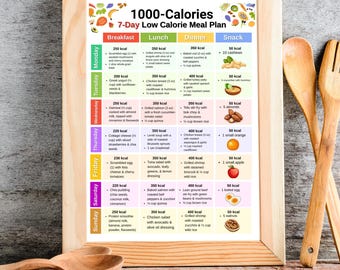
Credit: www.etsy.com
Frequently Asked Questions
What Is A 1000 Calorie Diet Plan?
A 1000 calorie diet plan limits daily intake to 1000 calories. It aims for rapid weight loss by controlling portions and food choices.
Is A 1000 Calorie Diet Safe For Everyone?
No, it is not safe for everyone. Consult a healthcare professional before starting, especially if you have health conditions.
What Foods Are Best On A 1000 Calorie Diet?
Focus on lean proteins, vegetables, fruits, and whole grains. Avoid high-calorie, processed, and sugary foods to stay within limits.
How Quickly Can I Lose Weight On This Diet?
Weight loss varies, but typically 1-2 pounds per week is common. Sustainable loss depends on individual metabolism and activity levels.
Conclusion
A 1000 calorie diet plan can help with weight loss. It requires careful meal choices and balance. Always include proteins, fruits, and vegetables each day. Drink plenty of water to stay hydrated. Listen to your body’s signals of hunger and fullness.
This plan is not for everyone; check with a doctor first. Small changes can lead to good results over time. Stay patient and consistent to see progress. Simple steps often bring the best success. Keep your health as the top priority.







