
Have you ever wondered if taking a dip in the pool could do more for your muscles than just cool you off? If you’re curious about whether swimming can be your secret weapon for building muscle, you’re not alone.
Many fitness enthusiasts are diving into this question, eager to discover how swimming stacks up against traditional strength training. You might be surprised by how this low-impact, full-body workout can transform your fitness routine. Keep reading to uncover the muscle-building potential of swimming and how it might just become your new favorite exercise.
Muscle Groups Targeted By Swimming
Swimming works many muscles across the body. It uses a mix of strength and endurance. This makes it great for building muscle in different areas. Understanding which muscle groups swimming targets helps you see its full benefits.
Upper Body Engagement
Swimming mainly uses the upper body muscles. The arms pull water to move forward. This action works the biceps, triceps, and shoulders. The back muscles, like the latissimus dorsi, also play a big role. Chest muscles help with the push and glide. These repeated movements build upper body strength and muscle tone.
Core Activation
The core keeps the body stable in water. Swimming engages the abdominal muscles and obliques. These muscles help with balance and rotation. A strong core improves swimming technique and speed. It also protects the lower back during strokes. Core activation is constant, helping to shape and strengthen this area.
Lower Body Involvement
Legs provide power and stability in swimming. The quadriceps and hamstrings work during kicks. Calves push water to propel the swimmer forward. Hip muscles assist with leg movement and flexibility. Strong legs improve overall swimming performance. They also help maintain proper body position in the water.

Credit: legendaryswimmers.com
How Swimming Promotes Muscle Growth
Swimming is often seen as a full-body workout, but how exactly does it promote muscle growth? The key lies in the unique environment of water and the way your body works against its resistance. Unlike traditional gym exercises, swimming challenges your muscles continuously while helping you build strength and endurance simultaneously.
Resistance And Water Pressure
Water creates natural resistance that your muscles must push through with every stroke. This resistance is constant and multidirectional, meaning your muscles work harder than they do with many land exercises. You don’t need heavy weights; the water itself acts like a natural weight, making your muscles grow stronger over time.
Think about how you feel after swimming a few laps—you’re using your muscles in ways that engage smaller stabilizing muscles as well. This can lead to better muscle tone and increased strength without the risk of injury from heavy lifting.
Endurance And Strength Balance
Swimming develops a unique balance between endurance and strength. Your muscles must sustain repeated movements over time while still applying enough force to move you through the water. This combination trains your muscles to be both strong and resilient.
Have you noticed how swimmers rarely bulk up like weightlifters but still have impressive muscle definition? This is because swimming emphasizes muscle endurance alongside power, making your muscles efficient and well-conditioned.
Role Of Different Strokes
Each swimming stroke targets different muscle groups, which helps you build a balanced physique. For example:
- Freestyle:Primarily works your shoulders, chest, and triceps.
- Breaststroke:Engages your chest, inner thighs, and calves.
- Backstroke:Focuses on your back muscles and hamstrings.
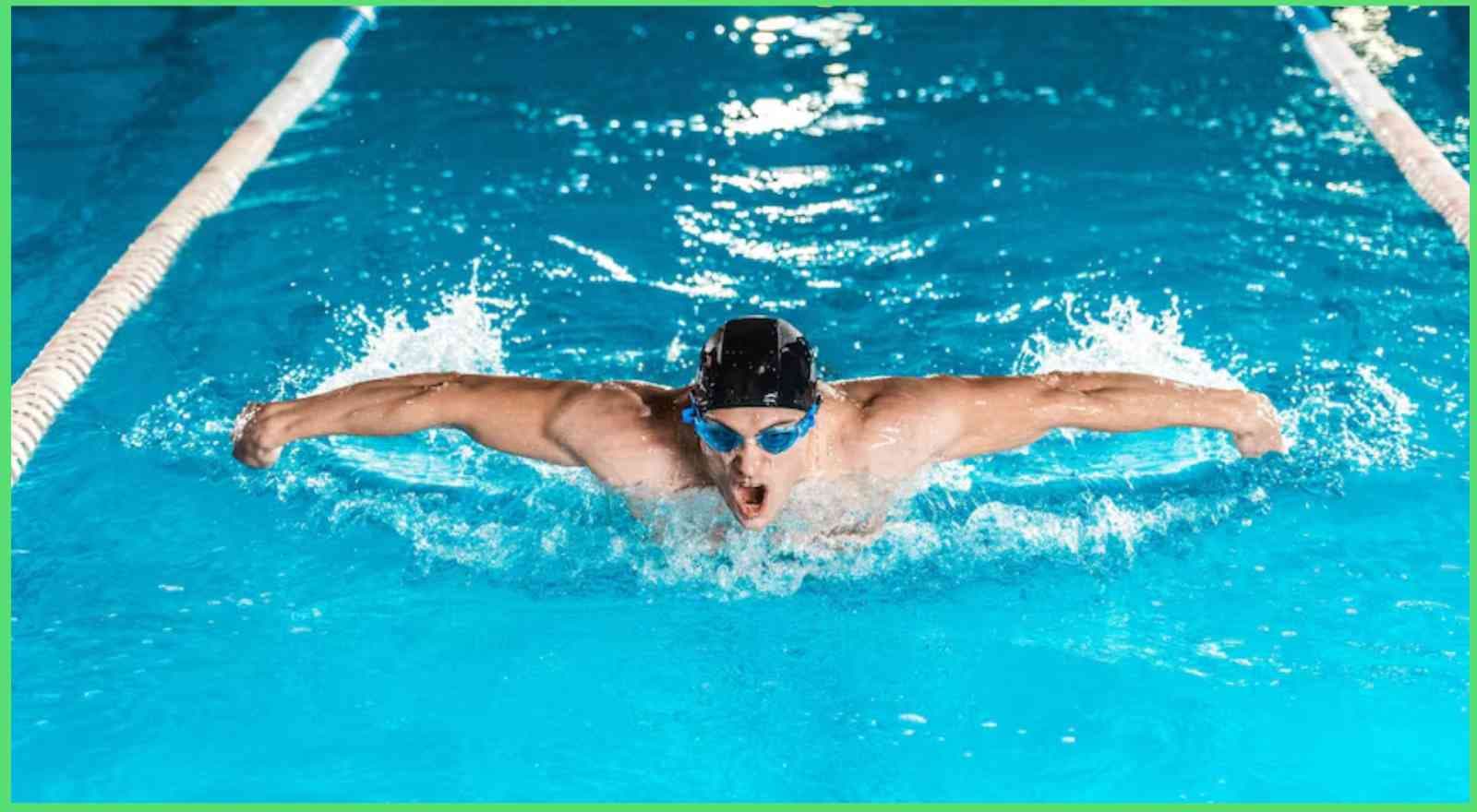
- Butterfly:Requires strong core, shoulders, and upper back muscles.
Mixing strokes in your routine not only prevents boredom but also ensures you develop multiple muscle groups evenly. This variety can help you avoid muscle imbalances and promote overall strength.
Benefits Beyond Muscle Building
Swimming does more than just build muscle. It offers a range of benefits that improve your overall health and well-being. If you think swimming is only for getting stronger, think again—its positive effects reach far beyond muscle size.
Improved Cardiovascular Health
Swimming is an excellent workout for your heart and lungs. It raises your heart rate while being easy on your body, helping you build endurance over time. Regular swimming sessions can lower blood pressure and improve circulation, reducing the risk of heart disease.
Have you noticed how your breathing gets better after a few weeks of swimming? That’s your cardiovascular system getting stronger and more efficient.
Enhanced Flexibility And Mobility
Water supports your body as you move through a full range of motion. This support makes it easier to stretch and lengthen your muscles without pain. Over time, swimming helps improve your joint flexibility and overall mobility.
Think about how your shoulders and hips feel after a swim—looser and more agile. That’s because swimming promotes smooth, controlled movements that benefit your joints.
Low Impact On Joints
Unlike running or jumping, swimming is gentle on your joints. The buoyancy of water reduces the stress on your bones and ligaments, making it a perfect exercise if you have joint pain or arthritis. You can work out hard without worrying about joint damage.
If you’ve ever struggled with knee or hip pain, swimming might be the safest way for you to stay active. It allows you to build strength and stay fit without causing discomfort.
Comparing Swimming To Traditional Workouts
Comparing swimming to traditional workouts reveals key differences in muscle building and fitness benefits. Swimming uses water resistance to work muscles gently yet effectively. Traditional workouts like weightlifting and running stress muscles differently, focusing on strength or endurance. Understanding these contrasts helps choose the best exercise for your goals.
Swimming Vs Weightlifting
Swimming tones muscles through continuous movement against water resistance. It improves muscle endurance and flexibility. Weightlifting focuses on lifting heavy loads to build muscle size and strength. Weightlifting creates small muscle tears that repair and grow stronger. Swimming offers a full-body workout but with less muscle bulk gain. Weightlifting targets specific muscles for focused growth. Both improve muscle health but in unique ways.
Swimming Vs Running
Swimming is low-impact, protecting joints and reducing injury risk. It uses upper and lower body muscles evenly. Running mainly works leg muscles and stresses joints more. Swimming builds muscle endurance and cardiovascular health simultaneously. Running improves leg strength and heart fitness but less upper body muscle. Both burn calories and boost stamina. Swimming suits all fitness levels and ages better.
Combining Swimming With Other Exercises
Swimming pairs well with weightlifting and running for balanced fitness. Weightlifting adds muscle size and strength to swimming’s endurance benefits. Running increases cardiovascular capacity and leg power. Combining exercises prevents workout boredom and plateaus. It ensures all muscle groups get targeted attention. Alternating swimming with other workouts promotes overall health and stronger muscles.
Tips To Maximize Muscle Gain In Swimming
Building muscle through swimming requires more than just time in the pool. Focused effort on training, nutrition, and recovery helps increase muscle size and strength. These tips guide swimmers on how to get the best results from their workouts.
Effective Training Routines
Choose swimming styles that engage multiple muscle groups, like freestyle and butterfly. Include interval training with short, intense bursts followed by rest. Use resistance tools like swim paddles and fins to increase muscle work. Combine swimming with dryland strength exercises for balanced muscle growth.
Nutrition For Swimmers
Eat enough protein to repair and build muscles. Include lean meats, dairy, beans, and nuts in meals. Consume complex carbohydrates for energy, such as whole grains and vegetables. Stay hydrated with water before, during, and after swimming sessions. Time meals to fuel workouts and aid recovery.
Recovery And Rest Strategies
Allow muscles to rest with at least one full day off weekly. Stretch after swimming to improve flexibility and reduce soreness. Use foam rolling to ease tight muscles and improve blood flow. Get 7 to 9 hours of sleep each night for muscle repair. Listen to your body to avoid overtraining and injury.

Credit: www.youtube.com
Credit: toneopfit.com
Frequently Asked Questions
Does Swimming Help Build Muscle Mass?
Swimming tones muscles by working multiple muscle groups simultaneously. It increases muscle endurance and strength through resistance against water, leading to gradual muscle growth.
Which Muscles Does Swimming Primarily Target?
Swimming mainly targets the shoulders, back, core, and legs. It engages both upper and lower body muscles, promoting balanced muscle development and improved overall strength.
How Often Should I Swim To Build Muscle?
Swimming 3 to 4 times weekly with consistent intensity helps build muscle effectively. Regular sessions allow for muscle recovery and progressive strength gains.
Can Swimming Replace Weightlifting For Muscle Growth?
Swimming can build muscle but lacks the intensity of weightlifting. For significant muscle growth, combining swimming with resistance training is more effective.
Conclusion
Swimming helps build muscles by using many body parts. It works arms, legs, and core muscles well. The water adds resistance, making muscles stronger. It also improves endurance and overall fitness. Regular swimming can tone your body and boost strength.
It is gentle on joints while giving a good workout. For muscle growth, combine swimming with good nutrition and rest. Swimming is a great way to stay active and healthy. Try swimming often to see muscle improvements over time. Simple, effective, and enjoyable.







