
Navigating life after gallbladder surgery can be challenging, especially when it comes to understanding what you should eat. You’re not alone in this journey, and having a clear, easy-to-follow diet plan can make all the difference.
That’s why we’ve created a Post Gallbladder Surgery Diet Menu PDF just for you. Imagine eliminating the stress of meal planning with a guide that tells you exactly what to eat to feel your best. You deserve a smooth recovery, and the right diet is key to achieving that.
By following our expert-backed menu, you can enjoy delicious meals without the worry of digestive discomfort. Ready to discover how simple and satisfying your post-surgery diet can be? Keep reading to unlock the secrets to a happier, healthier you.
Credit: www.etsy.com
Diet Essentials After Surgery
Adjusting your diet after gallbladder surgery is crucial for a smooth recovery and better digestion. Your body needs gentle, easy-to-digest foods that won’t overwhelm your system. Paying attention to what you eat can help prevent discomfort and support healing.
Foods To Embrace
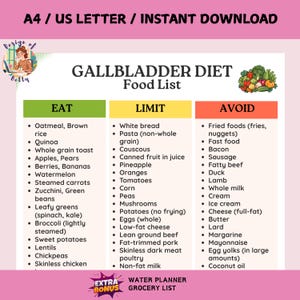
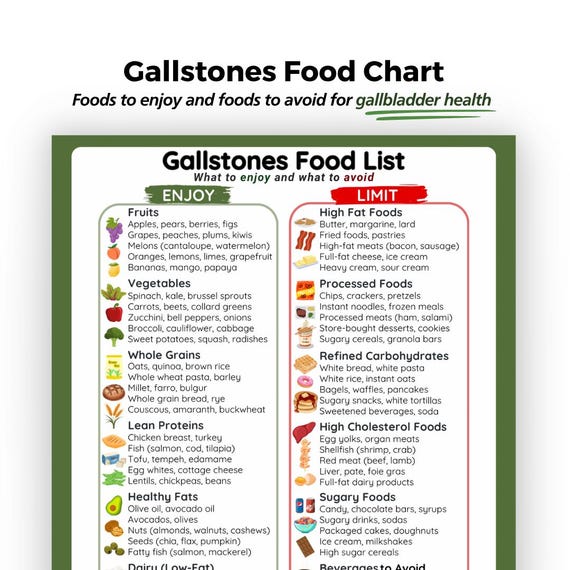
Focus on foods that are light and low in fat. Lean proteins like chicken breast, turkey, and fish are excellent choices because they provide essential nutrients without heavy fats.
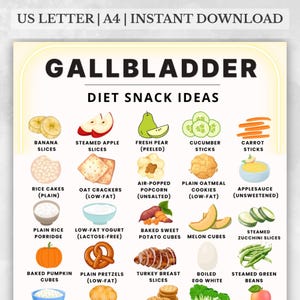
- Cooked vegetables such as carrots, zucchini, and green beans
- Fruits like bananas, applesauce, and berries
- Whole grains including oatmeal, brown rice, and quinoa
- Low-fat dairy or dairy alternatives to reduce fat intake
Have you noticed how smaller, frequent meals make you feel better than large, heavy ones? That’s because your digestive system is still adjusting. Eating slowly and in moderation can make a big difference.
Foods To Avoid
Steer clear of foods high in fat and oil as they can cause indigestion and discomfort. Fried foods, creamy sauces, and fatty cuts of meat are common triggers after gallbladder removal.
- Butter, margarine, and heavy cream
- Fast food and processed snacks
- Spicy dishes that may irritate your stomach
- Carbonated drinks and caffeine which can increase bloating
Have you ever felt that sharp discomfort after eating greasy food? That’s your body signaling it needs something gentler right now. Avoiding these foods helps keep that feeling away.
Hydration Tips
Drinking enough water is vital during your recovery. Water helps flush out toxins and supports digestion, but it’s easy to forget when you’re focused on meals.
- Drink at least 8 glasses of water daily
- Try herbal teas like chamomile or peppermint which soothe the stomach
- Avoid sugary drinks and sodas that can upset your digestion
Have you ever tracked your water intake and noticed a boost in energy? Staying hydrated can help reduce fatigue and keep your body functioning well during this healing phase.
Credit: www.etsy.com
Meal Planning Strategies
Planning your meals carefully after gallbladder surgery is key to a smooth recovery and better digestion. Your body needs time to adjust to the changes, so thoughtful meal planning can help reduce discomfort and improve nutrient absorption. Let’s break down some practical strategies that can make your post-surgery diet easier to manage and more effective.
Balanced Macronutrients
Focus on getting the right mix of carbohydrates, proteins, and fats. After surgery, your body may struggle with high-fat foods, so choose healthy fats like avocados, nuts, and olive oil in small amounts. Lean proteins such as chicken, fish, and tofu support healing and keep you full without overloading your digestive system.
Complex carbs like brown rice, quinoa, and vegetables provide steady energy and fiber, which helps digestion. Think about how each meal feels—does it leave you energized or sluggish? Adjust the balance accordingly to find what suits your body best.
Portion Control
Smaller, more frequent meals help your digestive system handle food more easily. Large portions can cause discomfort or bloating since your body is still adapting. Try dividing your daily intake into 4–6 smaller meals instead of 2 or 3 big ones.
Using smaller plates and measuring your food can prevent overeating without making you feel deprived. Pay attention to hunger cues—are you eating out of boredom or true hunger? This can make a big difference in your recovery.
Meal Timing
When you eat can be just as important as what you eat. Spacing your meals evenly throughout the day helps maintain steady energy levels and reduces digestive stress. Avoid eating right before bed to prevent discomfort or reflux.
Some people find that having their largest meal earlier in the day works best. Experiment with your meal schedule and notice how your body responds. Are you waking up hungry or struggling with afternoon fatigue? Adjust your timing to support your lifestyle and healing process.
Sample Diet Menu Ideas
Choosing the right foods after gallbladder surgery helps the body heal and digest well. A balanced diet with gentle, nutritious meals supports recovery. Simple meals with low fat and easy-to-digest ingredients work best.
Below are sample diet menu ideas to guide daily eating. These options are light, healthy, and designed to avoid stomach discomfort.
Breakfast Options
- Oatmeal cooked with water or low-fat milk
- Banana or soft fruits like melon
- Toast with a thin spread of natural jam
- Low-fat yogurt without added sugar
- Scrambled egg whites with steamed spinach
Lunch Choices
- Grilled chicken breast with steamed vegetables
- Brown rice with boiled carrots and zucchini
- Turkey sandwich on whole wheat bread with lettuce
- Vegetable soup with low-sodium broth
- Salad with cucumber, tomato, and a light vinaigrette
Dinner Suggestions
- Baked fish with steamed green beans
- Quinoa with roasted pumpkin and herbs
- Vegetable stir-fry with tofu and low-sodium soy sauce
- Mashed potatoes without butter, served with boiled peas
- Clear chicken broth with soft noodles
Healthy Snacks
- Apple slices with a small amount of peanut butter
- Carrot sticks or cucumber slices
- Low-fat cheese cubes
- Rice cakes with avocado spread
- Handful of unsalted almonds or walnuts
Credit: www.etsy.com
Digestive Health Boosters
After gallbladder surgery, your digestive system needs gentle support to adjust smoothly. Digestive health boosters play a crucial role in easing this transition. They help you avoid discomfort and improve nutrient absorption, making your recovery more comfortable.
Fiber-rich Foods
Adding fiber-rich foods to your diet can ease digestion and prevent constipation. Think about foods like oats, apples, carrots, and beans. These help move food through your intestines steadily, reducing strain on your system.
Start with small portions to see how your body reacts. Too much fiber too fast can cause gas or cramps. Have you noticed how a simple apple can sometimes make a big difference in how you feel after meals?
Probiotics Role
Probiotics help balance the good bacteria in your gut, which is essential after gallbladder removal. Yogurt, kefir, and fermented vegetables are great natural sources. They support your immune system and improve digestion by helping break down food more efficiently.
If you’ve ever felt bloated or sluggish, probiotics might be the missing piece. Try adding a small serving daily and observe any positive changes. Could your gut bacteria be the key to feeling lighter and more energetic?
Avoiding Bloating
Bloating can be uncomfortable and frustrating after surgery. Avoiding certain foods like carbonated drinks, beans, and cruciferous vegetables might help keep your stomach calm. Eating smaller, more frequent meals also reduces pressure on your digestive system.
Chewing your food slowly and thoroughly can prevent swallowing air that causes bloating. Have you tried keeping a food diary to spot which items trigger your discomfort? This simple step can guide you toward a more comfortable diet.
Common Challenges And Fixes
After gallbladder surgery, many face common challenges that affect daily life. These issues often stem from the body’s adjustment to the absence of the gallbladder. Understanding these problems and knowing simple fixes can make recovery smoother. Small diet and lifestyle changes help manage symptoms effectively. This section covers frequent concerns and practical solutions.
Managing Diarrhea
Diarrhea is a common problem after gallbladder removal. It happens because bile flows continuously into the intestines. This can upset digestion and cause loose stools.
- Eat small, frequent meals to ease digestion.
- Limit fatty and greasy foods, as they worsen diarrhea.
- Include soluble fiber like oats, bananas, and apples to thicken stools.
- Stay hydrated with water and clear fluids.
- Avoid caffeine and spicy foods that may irritate the gut.
Handling Indigestion
Indigestion can cause discomfort and bloating after surgery. The body needs time to adjust to digesting fats without the gallbladder.
- Chew food slowly and thoroughly.
- Choose low-fat, bland foods such as rice, toast, and boiled vegetables.
- Limit rich sauces and fried foods.
- Try ginger tea or peppermint to soothe the stomach.
- Avoid large meals that strain digestion.
Dealing With Fatigue
Feeling tired is normal during recovery. The body uses energy to heal and adapt to changes in digestion.
- Get plenty of rest and avoid overexertion.
- Eat balanced meals with protein, vitamins, and minerals.
- Take short walks to boost energy and circulation.
- Stay hydrated to support metabolism.
- Listen to your body and pace yourself.
Tips For Long-term Wellness
Maintaining long-term wellness after gallbladder surgery requires thoughtful changes and ongoing care. Adopting a healthy lifestyle supports digestion and overall health. Small, consistent efforts help the body adjust and thrive without the gallbladder.
Lifestyle Adjustments
Focus on eating smaller meals more often. This approach eases digestion and reduces discomfort. Avoid fatty and fried foods that strain your digestive system. Choose lean proteins, whole grains, and plenty of fruits and vegetables. Drink water regularly to stay hydrated and support digestion. Limit caffeine and spicy foods to prevent irritation.
Regular Physical Activity
Exercise helps regulate digestion and supports weight management. Aim for at least 30 minutes of moderate activity most days. Walking, swimming, or cycling are gentle and effective options. Physical activity boosts energy and mood. It also helps reduce the risk of other health problems.
Follow-up Care
Keep regular appointments with your healthcare provider. Report any new or worsening symptoms immediately. Follow your doctor’s advice on diet and medications. Regular check-ups help catch issues early and ensure proper healing. Ask questions and seek guidance to stay informed about your health.
Accessing The Pdf Menu
Accessing a well-structured post gallbladder surgery diet menu in PDF format can make your recovery smoother. Having a clear guide helps you know exactly what to eat and when, reducing guesswork and stress. Let’s look at how you can easily download this resource and tailor it to fit your unique needs.
Download Instructions
To get your hands on the PDF menu, start by visiting the website offering the resource. Usually, there will be a prominent download button or link labeled something like “Download PDF Menu.”
Click the link, and the file will either open in a new tab or begin downloading automatically. If it opens in a new tab, look for the download icon—usually a downward arrow—to save it to your device.
Make sure you save the file somewhere easy to find, such as your desktop or documents folder. This way, you won’t waste time searching when you’re ready to plan your meals.
Customizing Your Plan
Once you have the PDF, review it carefully. Does it include foods you enjoy? Are there items you’re allergic to or want to avoid? You can adjust the menu by swapping out those ingredients for suitable alternatives.
For example, if the menu suggests chicken broth but you prefer vegetable broth, go ahead and make that change. The key is to maintain the nutritional balance while making the plan work for you.
Consider your daily routine too. If you eat at irregular times, rearrange the meal schedule in the PDF to fit your habits better. This helps keep you consistent, which is vital for healing after gallbladder surgery.
Have you thought about adding snacks that help digestion and keep your energy steady? Including them can improve your experience with the diet.
Frequently Asked Questions
What Foods Are Best After Gallbladder Surgery?
After gallbladder surgery, eat low-fat, high-fiber foods like fruits, vegetables, lean proteins, and whole grains. Avoid fried, greasy, and processed foods to aid digestion and prevent discomfort.
How Soon Can I Eat Solid Foods Post-surgery?
You can start solid foods within a few days post-surgery. Begin with small, bland meals and gradually reintroduce regular foods as tolerated to avoid digestive issues.
Can I Download A Post Gallbladder Surgery Diet Menu Pdf?
Yes, many health websites offer downloadable diet menu PDFs. These guides help plan balanced, low-fat meals for smooth recovery and better digestion after surgery.
Why Is A Low-fat Diet Important After Gallbladder Removal?
A low-fat diet reduces digestive strain and prevents symptoms like diarrhea and bloating. Without a gallbladder, fat digestion slows, so limiting fat intake supports comfort and healing.
Conclusion
A clear diet plan helps your body heal after gallbladder surgery. Eating small, gentle meals supports digestion and comfort. Avoiding fatty and spicy foods reduces discomfort. The post gallbladder surgery diet menu PDF guides you step-by-step. It makes meal planning simple and stress-free.
Following this plan helps you feel better faster. Stick to easy-to-digest foods and drink plenty of water. Your body will thank you with better energy and health. Remember, patience is key during recovery. Keep the diet balanced and listen to your body’s needs.







