
Have you ever reached for a can of Diet Pepsi, craving that refreshing fizz and delightful taste, but wondered just how much caffeine you’re consuming? You’re not alone.
Many people are curious about the caffeine content in their favorite soft drinks, especially when trying to balance energy boosts with health considerations. Understanding what’s in your beverage can help you make informed choices and manage your caffeine intake effectively.
We’ll reveal the caffeine secrets hidden in Diet Pepsi, offering insights that could change the way you enjoy your drink. Stick around to find out how this popular beverage might be impacting your day-to-day energy levels and well-being.
Caffeine Content In Diet Pepsi
Caffeine is a key ingredient in Diet Pepsi, influencing both its taste and its energizing effect. Understanding the caffeine content helps you manage your daily intake, especially if you rely on soda for a quick pick-me-up. Let’s look closely at how much caffeine is packed into each serving and how it stacks up against other sodas you might enjoy.
Amount Per Serving
Diet Pepsi contains approximately 35 milligrams of caffeineper 12-ounce (355 ml) can. This amount gives you a mild boost without the jitters often linked to high caffeine doses.
If you’re counting caffeine, this info lets you decide how many cans fit comfortably into your daily routine without overdoing it.
Comparison With Other Sodas
Compared to other sodas, Diet Pepsi’s caffeine content is moderate. For example:
- Coca-Cola Classic has about 34 mg per 12 oz, slightly less than Diet Pepsi.
- Mountain Dew contains roughly 54 mg per 12 oz, making it a stronger option.
- Diet Coke delivers around 46 mg per 12 oz, a bit more than Diet Pepsi.
Knowing these differences helps you pick a soda that fits your caffeine needs, whether you want a gentle lift or a stronger kick.
Caffeine Variations By Region
Caffeine content in Diet Pepsi can vary depending on where you buy it. Some countries have stricter limits on caffeine in beverages, which can lead to lower amounts.
For instance, in Canada and parts of Europe, Diet Pepsi may contain slightly less caffeine compared to the U.S. version. This means your caffeine intake might change if you switch between international products.
Have you noticed a difference in how Diet Pepsi affects you after traveling? It might just be the caffeine variations at work.

Credit: www.londondrugs.com
Effects Of Caffeine On The Body
Caffeine is a natural stimulant found in Diet Pepsi. It affects the body in various ways. Many people consume caffeine to feel more alert and awake. Understanding how caffeine works helps you make better choices about your intake.
Short-term Benefits
Caffeine boosts energy quickly. It blocks tiredness by affecting brain chemicals. It can improve focus and concentration. Athletes often use caffeine to enhance performance. It may also improve mood for a short time.
Potential Side Effects
Too much caffeine can cause jitters and anxiety. It may lead to faster heartbeat or headaches. Some people experience stomach upset or nausea. Drinking caffeine late can disturb sleep patterns. Long-term overuse might cause dependence or withdrawal symptoms.
Caffeine Sensitivity
People react differently to caffeine. Some feel energized with small amounts. Others may feel nervous or restless quickly. Genetics and body weight affect sensitivity. Pregnant women and children should limit caffeine. Knowing your limit helps avoid negative effects.
Diet Pepsi Vs. Regular Pepsi
Choosing between Diet Pepsi and Regular Pepsi often comes down to your preferences for caffeine, calories, and taste. Both drinks offer a familiar Pepsi flavor but differ significantly in their ingredients and how they affect your body. Understanding these differences can help you make a choice that fits your lifestyle and health goals.
Caffeine Differences
Diet Pepsi contains slightly more caffeine than Regular Pepsi. Typically, a 12-ounce can of Diet Pepsi has about 35 mg of caffeine, while Regular Pepsi has around 30 mg. This difference might seem small, but if you rely on your soda for a caffeine boost, Diet Pepsi could give you a bit more energy.
Have you noticed feeling more alert after a Diet Pepsi compared to a regular one? That extra caffeine can add up, especially if you drink multiple cans a day.
Calorie And Sugar Content
The most obvious difference is in calories and sugar. Regular Pepsi is loaded with sugar, packing around 150 calories and 41 grams of sugar per 12-ounce can. Diet Pepsi, on the other hand, contains zero calories and uses artificial sweeteners instead of sugar.
This makes Diet Pepsi a popular choice if you’re watching your weight or trying to reduce sugar intake. But remember, artificial sweeteners affect people differently, so it’s worth considering how your body reacts.
| Drink | Calories (12 oz) | Sugar (grams) | Caffeine (mg) |
|---|---|---|---|
| Regular Pepsi | 150 | 41 | 30 |
| Diet Pepsi | 0 | 0 | 35 |
Taste And Popularity
Taste is where opinions really split. Some people swear by the classic sweetness of Regular Pepsi. Others prefer the lighter, less sweet flavor of Diet Pepsi.
Personally, I’ve found that Diet Pepsi’s taste can grow on you, especially if you’re used to cutting back on sugar. Have you ever tried both side by side? It’s surprising how different they feel despite sharing the same brand.
Popularity also varies by region and demographic. Diet Pepsi often appeals to those focused on calorie control, while Regular Pepsi tends to dominate in markets where sugar-sweetened drinks are still the norm.
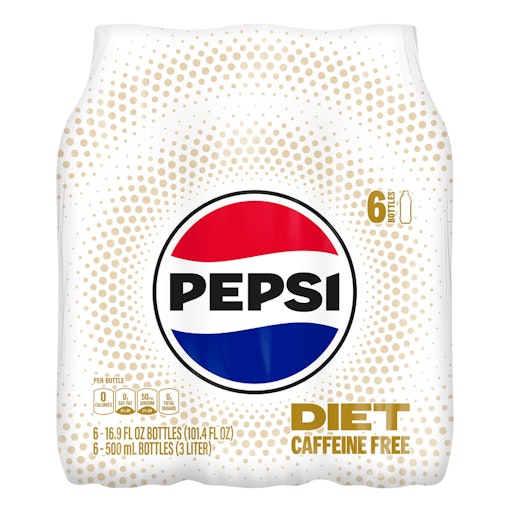
Credit: www.gianteagle.com
Health Considerations
Understanding the health considerations of caffeine in Diet Pepsi helps you make smarter choices about your daily intake. Caffeine affects everyone differently, so knowing how it interacts with your body is key. Let’s break down what you should watch for to enjoy your drink without unwanted side effects.
Safe Daily Limits
Most health experts suggest keeping caffeine intake below 400 milligrams per day for healthy adults. A 12-ounce can of Diet Pepsi contains about 35 milligrams of caffeine, which is relatively low. But if you drink multiple cans or consume other caffeinated products, it’s easy to go over your limit without realizing it.
Think about how many cups of coffee or energy drinks you have alongside your Diet Pepsi. Are you tracking your total caffeine intake? Staying aware can prevent headaches, jitters, or heart palpitations.
Impact On Sleep And Anxiety
Caffeine is a stimulant that can interfere with your sleep if consumed too late in the day. Even if you feel fine after drinking Diet Pepsi in the afternoon, your body might still be wired when you try to fall asleep.
People with anxiety may find caffeine worsens their symptoms. Have you noticed feeling more restless or on edge after that afternoon soda? Reducing caffeine or switching to caffeine-free options might help you feel calmer and sleep better.
Caffeine And Hydration
There’s a common belief that caffeine dehydrates you. While caffeine has mild diuretic effects, the water content in Diet Pepsi still contributes to your hydration.
However, relying solely on caffeinated drinks for hydration isn’t ideal. Balance your Diet Pepsi intake with plenty of water to keep your body properly hydrated throughout the day.
Caffeine Alternatives In Soft Drinks
Caffeine is a key ingredient in many soft drinks, including Diet Pepsi. Some people want to avoid or reduce caffeine for health or personal reasons. Soft drink makers offer various caffeine alternatives to meet these needs. These options provide energy or flavor without the jitters or sleepless nights.
Decaf Options
Decaf soft drinks have little or no caffeine. They suit people sensitive to caffeine or those who want to enjoy soda later in the day. Decaf versions keep the same taste but remove most caffeine. This helps avoid side effects like anxiety or fast heartbeat. Many brands now offer decaf sodas as a choice.
Natural Vs. Synthetic Caffeine
Caffeine in drinks comes from two sources: natural and synthetic. Natural caffeine comes from coffee beans, tea leaves, or kola nuts. Synthetic caffeine is made in labs and added to drinks. Both types affect the body similarly. Some people prefer natural caffeine for a cleaner label. Others do not mind synthetic caffeine because it is pure and consistent.
Other Popular Energy Boosters
Some soft drinks use other ingredients to boost energy besides caffeine. Common boosters include:
- Taurine – an amino acid that supports energy and focus.
- Guarana – a plant extract with natural caffeine.
- Ginseng – an herb believed to reduce fatigue.
- B vitamins – help the body convert food into energy.
These ingredients often appear in energy drinks or enhanced sodas. They add an extra kick without relying on caffeine alone.
Myths About Caffeine In Diet Pepsi
Caffeine in Diet Pepsi often sparks many myths and confusion. People ask if it causes addiction, weight gain, or harms the heart. Understanding the truth helps you make better choices. Here are some common myths explained clearly.
Is It Addictive?
Caffeine can cause mild dependence, but it is not highly addictive. Most people feel alert after drinking Diet Pepsi. Some may miss the energy boost if they stop suddenly. This feeling is temporary and fades in a few days. It does not cause strong cravings like drugs or alcohol.
Does It Cause Weight Gain?
Diet Pepsi has no sugar and almost no calories. Caffeine itself does not add fat or cause weight gain. It may even increase metabolism slightly. Drinking Diet Pepsi alone will not make you gain weight. Weight gain happens from eating too many calories overall, not from caffeine.
Caffeine And Heart Health
Moderate caffeine intake is safe for most people. Studies show no clear link between caffeine in Diet Pepsi and heart problems. Drinking too much caffeine may cause temporary fast heartbeat or jitters. People with heart conditions should check with their doctor. For most, caffeine does not harm the heart.

Credit: shop.hornbachers.com
Frequently Asked Questions
How Much Caffeine Is In A Diet Pepsi Can?
A 12-ounce can of Diet Pepsi contains about 35 mg of caffeine. This amount is less than a typical cup of coffee, making it a moderate caffeine source.
Is Caffeine Content Different In Diet Pepsi Vs Regular Pepsi?
Yes, caffeine levels vary. Diet Pepsi typically has slightly more caffeine than regular Pepsi, with 35 mg versus 38 mg per 12-ounce can.
Can Diet Pepsi Caffeine Affect Sleep Quality?
Yes, consuming Diet Pepsi late can disrupt sleep. Caffeine is a stimulant that may cause insomnia or restless nights.
Is Diet Pepsi Caffeine Safe For Children?
Caffeine intake should be limited for children. Diet Pepsi’s caffeine might not be advisable for kids due to sensitivity.
Conclusion
Diet Pepsi contains a moderate amount of caffeine. It can help you stay alert and focused. Drinking it in small amounts is generally safe for most people. Too much caffeine may cause jitters or trouble sleeping. Always check the label to know how much caffeine is inside.
Choose what works best for your body and lifestyle. Remember, balance is key when enjoying caffeinated drinks like Diet Pepsi.







