
Are you tired of the constant discomfort and burning sensation of GERD? You’re not alone.
Gastroesophageal reflux disease (GERD) affects millions, causing unwanted pain and disrupting daily life. But what if you could take control and find relief? Imagine enjoying meals without the worry of acid reflux. That’s where our 7 Day GERD Diet Plan comes in.
Designed specifically to soothe your symptoms and bring back the joy of eating, this plan is simple yet effective. Packed with delicious, easy-to-make meals, you’ll discover how small changes can make a big difference in your life. Ready to feel better and reclaim your comfort? Let’s dive in and explore how you can start transforming your mealtime experience today.
Credit: www.amazon.ca
Causes And Symptoms Of Gerd
Understanding the causes and symptoms of GERD is essential to managing this uncomfortable condition effectively. GERD happens when stomach acid flows back into the esophagus, causing irritation and discomfort. Knowing what triggers this reflux and how to spot its signs can help you take control before it worsens.
Common Triggers
Many everyday habits and foods can set off GERD symptoms. Fatty or fried foods, spicy dishes, chocolate, caffeine, and acidic fruits like oranges often cause flare-ups. Eating large meals or lying down right after eating can also worsen reflux.
Smoking and excess alcohol consumption are common lifestyle triggers, too. Stress and obesity add to the risk by increasing pressure on your stomach. Have you noticed certain foods or habits making your symptoms worse? Tracking these triggers can help you avoid them and feel better fast.
Recognizing Acid Reflux Signs
Acid reflux doesn’t always show the same way in everyone. The most common symptom is a burning sensation in your chest, often called heartburn. You might also feel a sour or bitter taste in your mouth, especially after eating.
Other signs include difficulty swallowing, chronic cough, or a hoarse voice. Some people experience chest pain or a feeling of food stuck in the throat. If you’ve had these symptoms often, it’s important to pay attention and adjust your diet and habits accordingly.
Credit: www.etsy.com
Foods To Avoid With Gerd
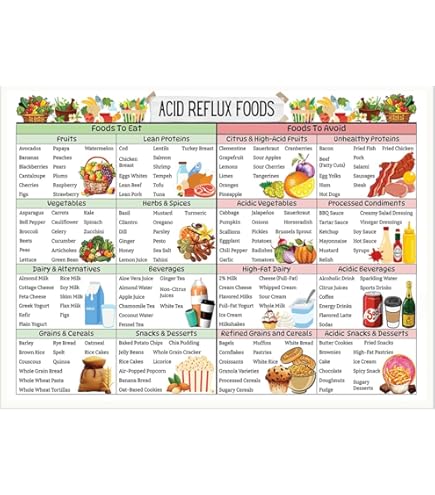
Managing GERD requires careful attention to diet. Certain foods trigger acid reflux and worsen symptoms. Avoiding these foods helps reduce heartburn and discomfort. This section lists common foods to avoid with GERD.
High-acid Ingredients
Acidic foods increase stomach acid and irritate the esophagus. These include:
- Citrus fruits like oranges, lemons, and grapefruits
- Tomato products such as ketchup, sauces, and juice
- Vinegar and pickled foods
- Carbonated drinks with added acids
These ingredients often cause burning and worsen reflux symptoms.
Spicy And Fatty Foods
Spices and high-fat foods relax the lower esophageal sphincter. This allows acid to flow back up easily. Avoid:
- Hot peppers and chili powder
- Fried foods like french fries and fried chicken
- Fatty meats such as bacon and sausage
- Full-fat dairy products
These foods increase acid production and delay stomach emptying.
Beverages That Worsen Gerd
Some drinks irritate the stomach lining and increase reflux risk. Stay away from:
- Coffee and caffeinated teas
- Alcoholic beverages
- Carbonated sodas
- Chocolate drinks
These beverages often relax the valve between stomach and esophagus. This causes acid to escape and cause discomfort.
Gerd-friendly Food Choices
Choosing the right foods can make a big difference in managing GERD symptoms. Some foods trigger acid reflux, while others help keep your stomach calm. Knowing which foods to eat can help you enjoy meals without discomfort and keep your digestive system happy.
Low-acid Fruits And Vegetables
Fruits and vegetables are essential, but high-acid options can worsen GERD symptoms. Opt for low-acid choices like bananas, melons, and apples. These fruits are gentle on your stomach and less likely to cause irritation.
Vegetables like broccoli, carrots, and green beans work well because they don’t increase stomach acid. Avoid tomatoes and citrus fruits, which can trigger reflux. Have you noticed how some veggies leave you feeling better than others after a meal?
Lean Proteins And Whole Grains
Protein is important, but fatty cuts can aggravate reflux. Choose lean options like skinless chicken, turkey, and fish. These provide the nutrients your body needs without adding extra acid pressure.
Whole grains such as oatmeal, brown rice, and whole wheat bread help absorb stomach acid. They keep you full longer and reduce the chance of reflux episodes. What lean protein has helped you enjoy meals without discomfort?
Healthy Fats And Alternatives
Fat can slow digestion and increase reflux risk, but not all fats are bad. Healthy fats from sources like olive oil, avocados, and nuts can be part of your GERD-friendly diet. These fats support your body without causing flare-ups.
Try replacing butter or margarine with olive oil in cooking. Small changes like this can reduce symptoms and still keep your meals tasty. Have you tried swapping out fats and noticed a difference in your GERD symptoms?
Meal Timing And Portion Tips
Managing GERD effectively goes beyond choosing the right foods—it also depends heavily on when and how much you eat. Meal timing and portion sizes play crucial roles in keeping acid reflux at bay. Adjusting these factors can significantly reduce discomfort and improve your digestion throughout the day.
Optimal Eating Schedule
Eating at regular intervals helps your digestive system work smoothly. Aim for three balanced meals and two small snacks spaced evenly every 3-4 hours. This steady rhythm prevents your stomach from becoming too full or too empty, both of which can trigger reflux.
Try to eat breakfast within an hour of waking up to kickstart digestion. Also, avoid rushing your meals—take at least 20 minutes to eat slowly and chew thoroughly. Have you noticed how eating too fast often leads to heartburn?
Portion Control Strategies
Large meals increase stomach pressure and push acid back into the esophagus. Using smaller plates can help you naturally reduce portion sizes without feeling deprived. Consider dividing your usual dinner into two smaller servings to eat earlier and later in the evening.
Listen to your body’s signals and stop eating when you feel about 80% full. Avoid the temptation to finish everything on your plate if you feel satisfied sooner. What if controlling portions not only eased your GERD but also boosted your energy?
Avoiding Late-night Meals
Eating close to bedtime is a common cause of nighttime acid reflux. Your stomach produces acid even when you’re lying down, making it easier for acid to flow back up. Try to have your last meal at least 3 hours before going to sleep.
If you need a snack, choose something light and GERD-friendly like a small banana or a handful of almonds. Have you ever experienced that burning sensation after a late dinner? Changing this habit can bring you calmer nights and better rest.
7 Day Gerd Diet Plan
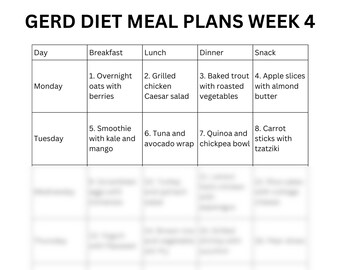
The 7 Day GERD Diet Plan helps reduce acid reflux symptoms. It focuses on gentle foods that soothe the stomach. The plan avoids spicy, fatty, and acidic items. Balanced meals provide nutrients without triggering discomfort. Following this plan can improve digestion and ease heartburn.
Day 1 To Day 3 Meal Ideas
- Breakfast:Oatmeal with banana slices and honey.
- Lunch:Grilled chicken breast with steamed green beans and brown rice.
- Dinner:Baked salmon with sweet potatoes and steamed broccoli.
- Drinks:Herbal teas like chamomile or ginger tea.
Day 4 To Day 7 Meal Ideas
- Breakfast:Whole grain toast with avocado and boiled egg.
- Lunch:Turkey sandwich on whole wheat bread with cucumber slices.
- Dinner:Quinoa salad with roasted vegetables and a light vinaigrette.
- Drinks:Warm water with a splash of lemon (small amount).
Snack Options Throughout The Week
- Unsalted almonds or walnuts
- Low-fat yogurt with a drizzle of honey
- Fresh melon or apple slices
- Carrot sticks with hummus
- Rice cakes with almond butter
Lifestyle Changes To Complement Diet
Changing your diet is a powerful way to manage GERD, but it’s not the whole story. How you live each day plays a big role in controlling symptoms and improving your comfort. Small lifestyle tweaks can work alongside your 7 Day GERD Diet Plan to reduce acid reflux and make meals more enjoyable.
Stress Management Techniques
Stress can trigger or worsen GERD symptoms by increasing stomach acid and slowing digestion. Finding ways to relax might lower your reflux episodes. You don’t have to meditate for hours—try simple breathing exercises or short walks after meals.
Think about times when stress made your heartburn worse. Could pausing to breathe deeply or stretching for five minutes help you avoid that discomfort? You can also explore hobbies that calm your mind, like reading or listening to music, especially during stressful days.
Exercise Recommendations
Exercise helps digestion and weight control, both key to managing GERD. But intense workouts right after eating may trigger reflux. Aim for gentle activities like walking or yoga, particularly after meals.
Try walking for 15–20 minutes after dinner to help your stomach digest food properly. Avoid exercises that involve bending or lying flat soon after eating, as these positions can push acid upward. Consistency matters—regular, moderate exercise supports your digestive health without causing irritation.
Sleep Positioning Tips
How you sleep affects acid reflux more than you might expect. Lying flat allows stomach acid to flow back into the esophagus, causing discomfort. Elevating your upper body during sleep can reduce nighttime symptoms.
Consider using a wedge pillow or raising your bed’s head by 6 to 8 inches. Sleeping on your left side may also keep acid from rising. Have you noticed that some sleep positions leave you waking up with heartburn? Experiment with these adjustments to find what helps you rest better.
When To Seek Medical Advice
Knowing when to seek medical advice is important during your 7 Day GERD Diet Plan. Diet changes can reduce symptoms, but some signs need professional care. Ignoring serious symptoms can lead to complications. Early medical help improves outcomes and comfort.
Warning Signs
- Frequent chest pain or pressure not related to heart activity
- Difficulty swallowing or pain when swallowing
- Unexplained weight loss or loss of appetite
- Persistent vomiting or vomiting blood
- Black or bloody stools
- Severe or worsening heartburn despite diet changes
- Shortness of breath or wheezing linked to reflux
Treatment Options Beyond Diet
Medical treatments can complement diet changes to control GERD symptoms. Doctors may recommend:
- Over-the-counter antacids for quick relief
- Prescription medications to reduce stomach acid
- Proton pump inhibitors (PPIs) for long-term management
- H2 blockers to decrease acid production
- Endoscopy to check for damage or complications
- Surgery in severe cases where other treatments fail
Always discuss symptoms and treatment options with a healthcare professional. Proper care helps prevent damage and improves quality of life.

Credit: books.apple.com
Frequently Asked Questions
What Foods Are Best For A 7 Day Gerd Diet Plan?
The best foods include lean proteins, vegetables, oatmeal, and non-citrus fruits. Avoid spicy, fatty, and acidic foods to reduce GERD symptoms effectively.
How Does A 7 Day Gerd Diet Help Reduce Symptoms?
This diet limits trigger foods, reducing acid reflux and heartburn. It promotes digestion and helps maintain a healthy weight, easing GERD discomfort.
Can I Drink Coffee Or Tea On A Gerd Diet?
It’s best to avoid coffee and black tea as they may worsen reflux. Herbal teas like ginger or chamomile are safer alternatives for GERD.
How Often Should I Eat Meals On A Gerd Diet Plan?
Eat smaller, frequent meals every 3-4 hours. Avoid large meals to prevent stomach pressure and reduce acid reflux risks effectively.
Conclusion
Following a 7 day GERD diet plan can ease your stomach pain. Eating small meals helps reduce acid reflux. Choose foods that soothe your digestive system. Avoid spicy and fatty foods that cause discomfort. Drink plenty of water throughout the day.
Rest after meals to aid digestion. Stick to this plan to feel better fast. Your gut will thank you for the care. Keep trying and adjust foods as needed. Simple steps bring real relief to GERD symptoms.







