
Have you ever wondered what bats eat? These fascinating creatures, often misunderstood and shrouded in mystery, play a vital role in our ecosystem.
But what exactly makes up their diet, and why should you care? Whether you’re a nature enthusiast or just curious about these nighttime flyers, understanding the bat preferred diet can offer you insights into their world and reveal why they’re so important to our planet.
Get ready to uncover the surprising eating habits of bats and discover how they impact your life more than you might think. Keep reading to learn the secrets of their menu and why every bite matters!
Bat Diet Basics
Bats have diverse diets that depend on their species and habitat. Understanding what bats eat helps us appreciate their role in the ecosystem. Their food provides the energy needed for flying, hunting, and staying healthy.
Common Food Choices
Bats eat a variety of foods. Most bats prefer insects like moths, beetles, and mosquitoes. Fruit bats enjoy eating fruits such as bananas, mangoes, and figs. Some bats feed on nectar from flowers, helping with pollination. A few species consume small fish, frogs, or even blood.
- Insects: moths, beetles, mosquitoes
- Fruits: bananas, mangoes, figs
- Nectar: flower juices
- Small animals: fish, frogs
- Blood: from animals (vampire bats)
Nutritional Needs
Bats need protein for muscle strength and repair. Insects provide rich protein and fat. Fruit bats get vitamins and sugars from fruits. Nectar offers quick energy through sugars. Water is also essential to keep bats hydrated. Their diet supports their active lifestyle and long flights at night.

Credit: askabiologist.asu.edu
Insect Hunters
Bats that hunt insects play a vital role in controlling pest populations around you. Their diet mainly consists of various flying insects, making them natural pest controllers. Understanding what insects they prefer and how they catch them can change the way you see these nocturnal creatures.
Favorite Insect Prey
Bats don’t eat just any insect—they have their favorites. Moths top the list because they are abundant and easy to catch during nighttime flights.
Other common prey includes:
- Beetles
- Mosquitoes
- Flies
- Wasps
- Caddisflies
Each species of bat prefers different insects based on availability and nutritional value. Have you noticed fewer mosquitoes around when bats are active? That’s no coincidence.
Hunting Techniques
Bats use echolocation as their primary hunting tool. They emit high-frequency sounds that bounce off insects, helping them pinpoint prey in complete darkness.
Some bats catch insects mid-air with quick, agile flights. Others snatch insects from leaves or water surfaces. You might be surprised to learn that some bats even glean insects off the ground or tree bark.
Does your backyard attract these skilled hunters? Setting up bat houses nearby can encourage them to help keep insect numbers down naturally.
Fruit Lovers
Bats that prefer fruit have a diet rich in natural sweetness and nutrients. These fruit lovers play a special role in nature, eating juicy fruits that many other animals might ignore. Their feeding habits not only satisfy their hunger but also support the growth of plants and forests.
Popular Fruits
Fruit-eating bats enjoy a variety of fruits depending on their habitat. Some common favorites include:
- Mangoes – soft and sweet, easy for bats to eat on the go
- Figs – packed with nutrients and widely available in tropical regions
- Bananas – a quick energy source with a smooth texture
- Guavas – rich in vitamins and often found in the wild
- Pawpaw – a less common but highly nutritious fruit
These fruits provide bats with the energy they need to fly long distances at night. Have you ever noticed how some fruits seem perfectly designed for animals to carry their seeds away?
Role In Seed Dispersal
Bats don’t just eat fruit for themselves; they help plants grow by spreading seeds far and wide. After enjoying a meal, bats fly away and drop seeds in new locations, often miles from the original tree.
This natural planting helps create new forests and maintains biodiversity. Imagine if you could plant a tree simply by enjoying a snack – bats do this every night!
Next time you see a bat flying at dusk, think about the tiny seeds it might be carrying to start new life. How might your local environment benefit from these flying gardeners?
Credit: www.penbaypilot.com
Flower Feeders
Bats that feed on flowers, often called flower feeders, play an essential role in many ecosystems. Their diet mainly consists of nectar and pollen, which they find in a variety of flowering plants. Understanding what they prefer helps you appreciate how these nocturnal creatures contribute to nature’s balance.
Nectar Sources
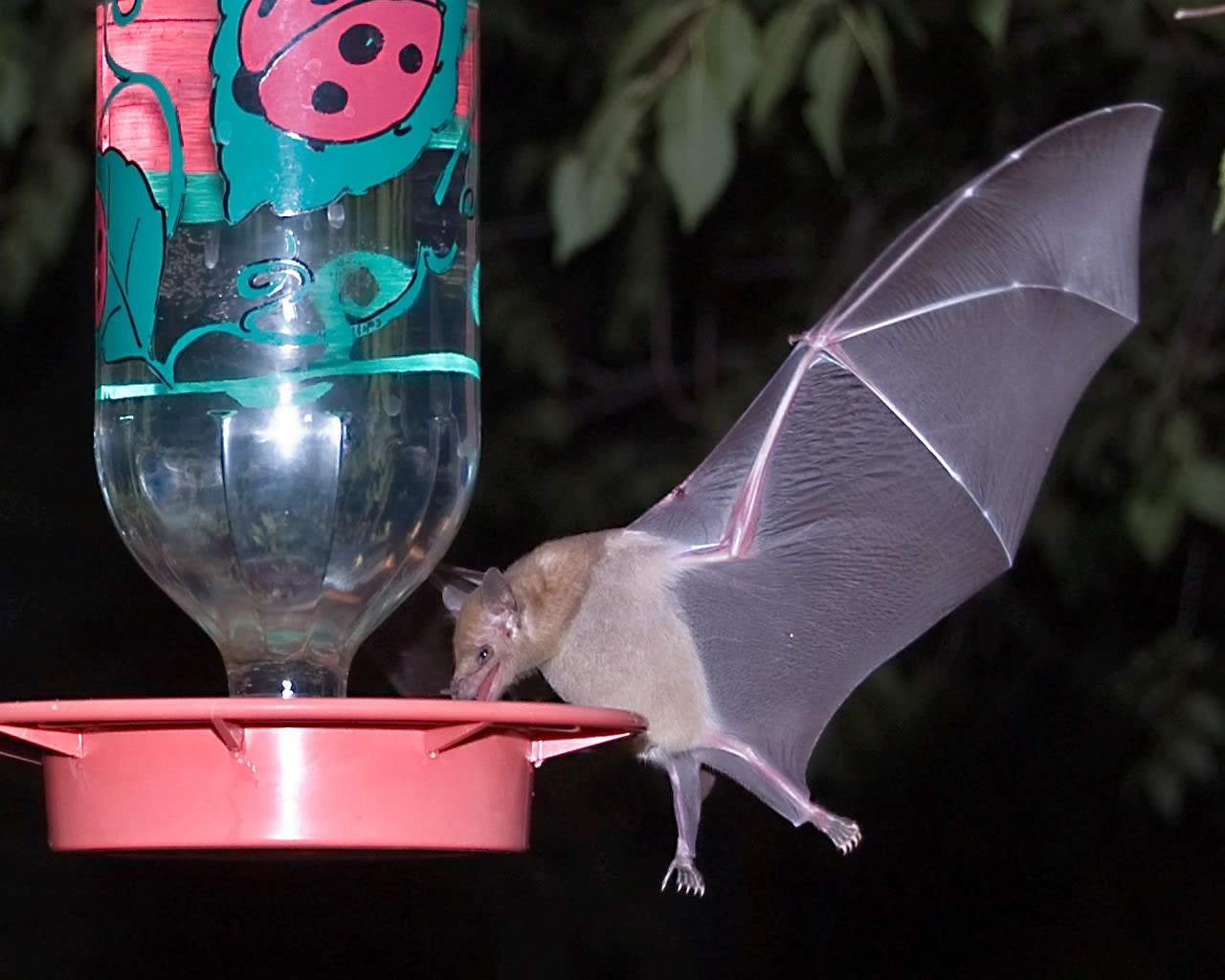
Flower-feeding bats mainly seek out nectar from specific types of flowers that open at night. These flowers are usually large, pale-colored, and emit strong scents to attract bats in the dark. Examples include the agave plant, certain species of cacti, and night-blooming jasmine.
You might be surprised to learn that some bats have long tongues designed to reach deep inside flowers, much like hummingbirds. This adaptation allows them to access nectar that other animals cannot. Have you ever noticed how some flowers seem shaped just right for a particular animal? That’s nature’s way of creating perfect partnerships.
Pollination Benefits
By feeding on nectar, bats inadvertently pick up pollen on their bodies and transfer it from one flower to another. This makes them vital pollinators, especially in regions where daytime pollinators like bees are less active. Their work helps fruit plants and wildflowers reproduce successfully.
Think about the fruits you enjoy that depend on bat pollination, such as bananas, mangoes, and guavas. Without these nighttime pollinators, the availability of these fruits could decline. Supporting bat-friendly plants in your garden not only helps bats but also boosts local biodiversity and food production.
Unexpected Diet Items
Bats are often thought of as simple insect eaters, but their diets can surprise you. Beyond the typical moths and beetles, some bats enjoy a menu filled with unexpected items. These unique food choices show how adaptable and diverse bats really are.
Small Vertebrates
Some bats don’t just snack on insects—they hunt small vertebrates. These include frogs, lizards, and even tiny birds. Watching a bat swoop down and catch a frog mid-air is a rare but fascinating sight.
These bats use sharp teeth and strong jaws to capture and eat their prey. This diet provides extra protein, helping them survive when insects are scarce. Have you ever thought about how a bat’s diet changes with the seasons?
Blood Feeding Species
Only a few bat species feed on blood, known as vampire bats. They mostly target livestock, making them infamous in rural areas. Despite their scary reputation, their feeding is quick and usually painless.
Vampire bats have heat sensors to find blood vessels close to the skin. Their saliva contains an anticoagulant, which keeps the blood flowing smoothly. Could understanding their feeding habits help improve medical treatments?
Credit: owlcation.com
Seasonal Diet Shifts
Bats do not eat the same food all year. Their diet changes with seasons. These shifts help bats survive through different times of the year. Food sources vary in availability. Bats adjust their eating habits to match these changes. Understanding seasonal diet shifts shows how bats stay healthy and active.
Adapting To Availability
Bats eat insects, fruits, nectar, or small animals depending on the season. In spring and summer, insects are abundant. Bats catch many flying insects during these months. In fall and winter, insects are scarce. Some bats switch to eating fruits or nectar. Others may eat small animals or hibernate to save energy. This flexible diet helps bats find food all year long.
Impact On Behavior
Seasonal diet shifts affect bat activity. Bats hunt more during insect-rich seasons. They may travel farther to find food in leaner months. Some bats change their roosting spots to be closer to food. These shifts also influence bat social behavior. Bats may form larger groups when food is plentiful. They become more solitary or rest more when food is limited. Seasonal changes guide many bat behaviors.
Human Impact On Bat Diets
Bats play a vital role in many ecosystems by controlling insect populations and pollinating plants. Human actions have altered their natural diets in many ways. These changes affect bats’ health and survival. Understanding these impacts helps us protect bat species and maintain ecological balance.
Habitat Changes
Urban growth and farming reduce bat habitats quickly. Trees and caves where bats live often disappear. Without homes, bats struggle to find food safely. Light pollution also disturbs their hunting patterns. This forces bats to feed in less ideal areas. They may eat fewer insects or switch to less nutritious food.
Food Source Challenges
Pesticides and chemicals lower insect numbers. Bats depend on insects for most of their diet. Fewer insects mean less food and weaker bats. Pollution can also poison bats through contaminated prey. Climate change shifts insect availability and types. Bats must adapt to new food sources or face starvation. Sometimes, they eat fruits or nectar, but this may not meet their energy needs fully.
Conservation And Diet
Understanding the connection between bat conservation and their diet is key to protecting these incredible creatures. Their food sources are directly tied to the health of their habitats, which means preserving these environments ensures bats have enough to eat. When you consider how bats control insect populations, you realize that protecting their diet also benefits your surroundings.
Protecting Food Habitats
Bats rely on diverse habitats such as forests, wetlands, and caves to find their preferred diet. When these areas are destroyed or polluted, bats struggle to find enough insects or fruits to survive. You might not notice it, but even small changes like pesticide use can wipe out large numbers of insects, cutting off a bat’s food supply.
Think about a nearby forest you visit. If trees are cut down or water sources dry up, the insects that bats eat will disappear too. Protecting these habitats means:
- Limiting deforestation and land development
- Reducing chemical pesticides and pollutants
- Preserving natural water bodies and vegetation
Have you ever seen fewer bats in your neighborhood after a big construction project? That might be a sign their food habitat has been disturbed.
Supporting Bat Populations
Healthy food sources lead to stronger bat populations. When bats find enough to eat, they can reproduce and maintain their numbers. You can help by creating or maintaining bat-friendly spaces in your community.
Simple actions like planting native trees or installing bat houses provide shelter and encourage insects to thrive. Local gardening without harsh chemicals helps maintain a steady insect population for bats to feed on.
Supporting bats means you’re also supporting natural pest control and biodiversity. What small change can you make today to protect the food sources bats depend on?
Frequently Asked Questions
What Do Bats Usually Eat In The Wild?
Bats mainly eat insects like moths, beetles, and mosquitoes. Some species prefer fruits, nectar, or small animals. Diet varies by species and habitat, helping bats adapt and survive in diverse environments.
How Does A Bat’s Diet Benefit Ecosystems?
Bats control insect populations, reducing pests naturally. Fruit-eating bats help pollinate plants and disperse seeds. Their diet supports biodiversity and maintains healthy ecosystems worldwide.
Do All Bats Eat The Same Food?
No, bat diets vary widely. Insectivorous bats eat insects, frugivorous bats eat fruits, and some species consume fish or blood. Dietary diversity reflects their ecological roles and habitats.
How Often Do Bats Need To Eat?
Bats eat daily, often consuming half their body weight in food. They feed mostly at night, relying on their keen senses to hunt or forage efficiently.
Conclusion
Bats eat many types of food, mostly insects and fruit. Their diet helps control pests and spread seeds. Some bats drink nectar, helping flowers grow. Each bat species has its favorite food. Understanding what bats eat shows how important they are.
Protecting their homes keeps nature balanced. Watch bats with respect and learn from them. They play a quiet but vital role every night.







