
Have you ever wondered what fuels the relentless energy of a stoat? These agile creatures, known for their playfulness and cunning, have a fascinating diet that keeps them on the move.
Understanding what a stoat eats can offer you a glimpse into the secret life of this elusive animal. Imagine uncovering the mystery behind their hunting prowess and the surprising variety of their meals. As you dive into the details of a stoat’s diet, you’ll discover not only what sustains them but also the intriguing ways they adapt to their environment.
This knowledge might just change the way you see these small yet mighty predators. Keep reading to unlock the secrets of what makes a stoat tick.
Stoat Basics
The stoat is a small mammal known for its agility and clever hunting skills. It plays an important role in controlling rodent populations. Understanding stoat basics helps appreciate its place in nature and how it survives.
Physical Traits
Stoats have slender, elongated bodies with short legs. Their fur changes color with seasons—brown in summer and white in winter. This helps them blend into their surroundings. They have sharp teeth and keen eyes for hunting. Adults usually measure about 17 to 32 cm in length, excluding the tail.
Natural Habitat
Stoats live in a variety of environments. They prefer woodlands, grasslands, and farmlands. They create burrows or use abandoned nests for shelter. Stoats are found across North America, Europe, and Asia. They adapt well to cold climates and dense vegetation.
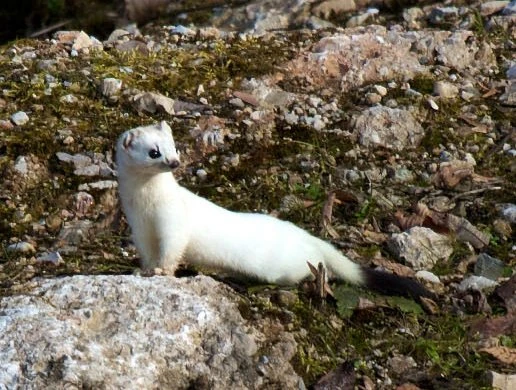
Credit: creatures-of-the-world.fandom.com
Dietary Habits
The stoat’s dietary habits reveal its role as a skilled hunter and adaptable feeder. This small carnivore adjusts its food choices to survive in different environments. Understanding these habits offers insight into how stoats thrive in the wild.
Primary Food Sources
Stoats mainly eat small mammals. Their favorite prey includes:
- Rabbits
- Voles
- Field mice
- Shrews
They also eat birds, eggs, and insects when mammals are scarce. Stoats use quick, sharp attacks to catch prey. Their diet provides the energy they need for hunting and daily activity.
Seasonal Variations
Stoat diets change with the seasons. In spring and summer, they eat more birds and insects. These foods become abundant during warmer months. In autumn and winter, stoats rely more on mammals. Prey like rabbits and rodents are easier to find then.
These seasonal shifts help stoats survive through food shortages. Their ability to switch prey types keeps them healthy all year.
Hunting Techniques
Stoats use clever hunting techniques to catch their prey. Their success depends on patience, speed, and sharp senses. These small predators adapt well to different environments. They combine stealth and quick moves to surprise animals. Understanding their hunting style helps appreciate their role in nature.
Stalking And Pouncing
Stoats move quietly and slowly toward their prey. They use low body posture to stay hidden. Their eyes focus intensely on the target. Once close enough, they stop and wait for the perfect moment. Then, they leap forward in a quick pounce. This sudden attack often catches prey off guard.
Their pounce is fast and precise. It allows stoats to capture animals larger than themselves. This technique works well on rabbits, rodents, and birds. Stoats can pounce multiple times if needed. Their patience and timing improve hunting success.
Use Of Speed And Agility
Stoats rely on speed to chase down prey in open areas. They run swiftly, changing direction with ease. Their slender bodies help them slip through tight spaces. Agility allows stoats to follow quick animals like mice and voles.
They can climb trees and swim to catch prey. Their flexible movements help avoid predators. Speed also helps stoats escape danger after hunting. This balance of quickness and skill makes stoats effective hunters.
Prey Types
The diet of a stoat is diverse and adapts based on availability and season. Understanding the types of prey stoats target can give you a clearer picture of their role in the ecosystem. Let’s break down the main categories of their prey.
Small Mammals
Small mammals make up the bulk of a stoat’s diet. They actively hunt rodents like mice, voles, and shrews, which are abundant in many habitats.
Stoats are skilled at pursuing these animals through burrows and dense vegetation. Have you ever noticed how quickly they can disappear into tiny holes? This ability allows them to catch prey others might miss.
Birds And Eggs
Stoats don’t just stick to mammals; birds and their eggs are also a significant food source. Ground-nesting birds are particularly vulnerable to stoat predation.
They often raid nests to grab eggs or young chicks, especially during the breeding season. This behavior impacts bird populations, making stoats important players in local wildlife dynamics.
Insects And Other Invertebrates
While less common, insects and other invertebrates occasionally supplement the stoat’s diet. Beetles, spiders, and worms can provide extra nutrition when larger prey is scarce.
This flexibility helps stoats survive tough times. Have you ever thought about how crucial such varied food options are for wild animals facing seasonal changes?
Impact On Ecosystem
The stoat plays a crucial role in many ecosystems. Its diet affects the balance of animal populations and plant life. Understanding this impact helps us see how stoats influence their habitats and other species.
Role As Predator
Stoats are skilled hunters. They prey on small mammals, birds, and insects. Their hunting helps control populations of these animals. This keeps the ecosystem balanced by preventing overpopulation. Stoats also influence which species thrive and which decline. Their presence can shape the behavior of prey animals, encouraging them to hide or move to safer areas.
Effect On Prey Populations
Stoats reduce numbers of rodents and rabbits. This reduction limits damage to plants and crops. It also affects the food chain, as fewer prey animals mean less food for larger predators. Some prey species may become rare or local extinct due to heavy stoat predation. This can change the ecosystem’s structure. At the same time, stoats can help keep invasive species in check, protecting native wildlife.
Credit: medium.com
Feeding Behavior In Captivity
Feeding a stoat in captivity requires careful attention to their natural habits and nutritional needs. Unlike wild stoats that hunt live prey, those in captivity depend on you to provide a balanced diet that mimics their natural intake. Understanding their feeding behavior helps you keep them healthy and active.
Dietary Adjustments
Stoats in captivity need a diet rich in protein and fat, similar to what they consume in the wild. You can feed them small mammals, birds, eggs, and insects, but these should be prepared safely to avoid disease. Adding variety is key; rotating foods helps prevent boredom and nutritional gaps.
Think about how you can offer food in a way that encourages natural hunting instincts. Using puzzle feeders or hiding food around their enclosure stimulates mental and physical activity. Have you tried changing feeding times or locations to keep your stoat engaged?
Health Considerations
Monitoring your stoat’s health starts with observing its eating habits closely. A sudden drop in appetite or changes in stool can signal health issues. Regular vet checkups are essential, especially to prevent parasites common in wild-caught food.
Supplements like vitamins or minerals might be necessary if your stoat’s diet lacks certain nutrients. However, avoid over-supplementing as this can cause harm. How often do you assess the quality and freshness of the food you provide?
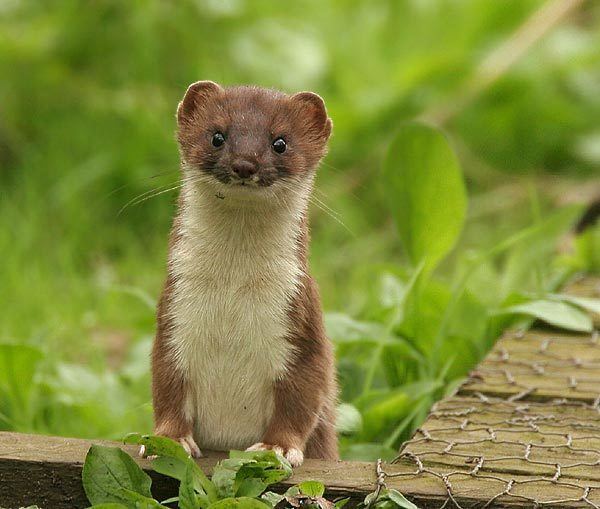
Credit: alchetron.com
Frequently Asked Questions
What Do Stoats Primarily Eat In The Wild?
Stoats mainly eat small mammals like mice, voles, and rabbits. They also consume birds, eggs, insects, and occasionally amphibians. Their diet varies by season and availability, making them opportunistic predators in their habitats.
How Often Do Stoats Need To Hunt For Food?
Stoats hunt daily because they have high metabolisms. They require frequent meals to maintain energy and body heat. Stoats are active hunters, often catching multiple prey items each day to survive.
Can Stoats Eat Fruits Or Plants?
Stoats rarely eat plants or fruits. Their diet is mostly carnivorous, focusing on meat sources. However, they may occasionally consume berries or vegetation when prey is scarce, but this is not a significant part of their diet.
Do Stoats Hunt Larger Animals Than Themselves?
Yes, stoats can hunt animals larger than themselves. They are agile and aggressive predators, capable of killing rabbits and birds bigger than their size. Their hunting skills allow them to tackle prey efficiently despite their small stature.
Conclusion
Stoats eat mostly small animals like mice and rabbits. They also eat birds, eggs, and insects. Their diet changes with the seasons and food availability. Stoats are skilled hunters and use quick movements to catch prey. Understanding their diet helps us learn about their role in nature.
They help control rodent populations naturally. Watching stoats can be fascinating because of their energy and skill. Their eating habits show how they survive in different environments. Stoats play an important part in the ecosystem balance.







