
Have you ever stepped on the scale after weeks of intense workouts, only to find that your weight has gone up instead of down? It’s a common experience that leaves many feeling puzzled and a bit discouraged.
You’re not alone in wondering if building muscle is secretly sabotaging your weight loss goals. The truth might surprise you and change the way you view your fitness progress forever. Imagine feeling stronger, healthier, and more confident, all while understanding what those numbers on the scale really mean.
Ready to uncover the real story behind muscle and weight gain? Let’s dive in and discover how building muscle might actually be the best thing you could do for your body.

Credit: www.goodrx.com
Muscle Growth And Weight Changes
Watching the scale move can be confusing when you’re building muscle. You might expect the number to drop, but sometimes it goes up instead. Understanding how muscle growth affects your weight helps you stay motivated and track real progress.
How Muscle Mass Affects Body Weight
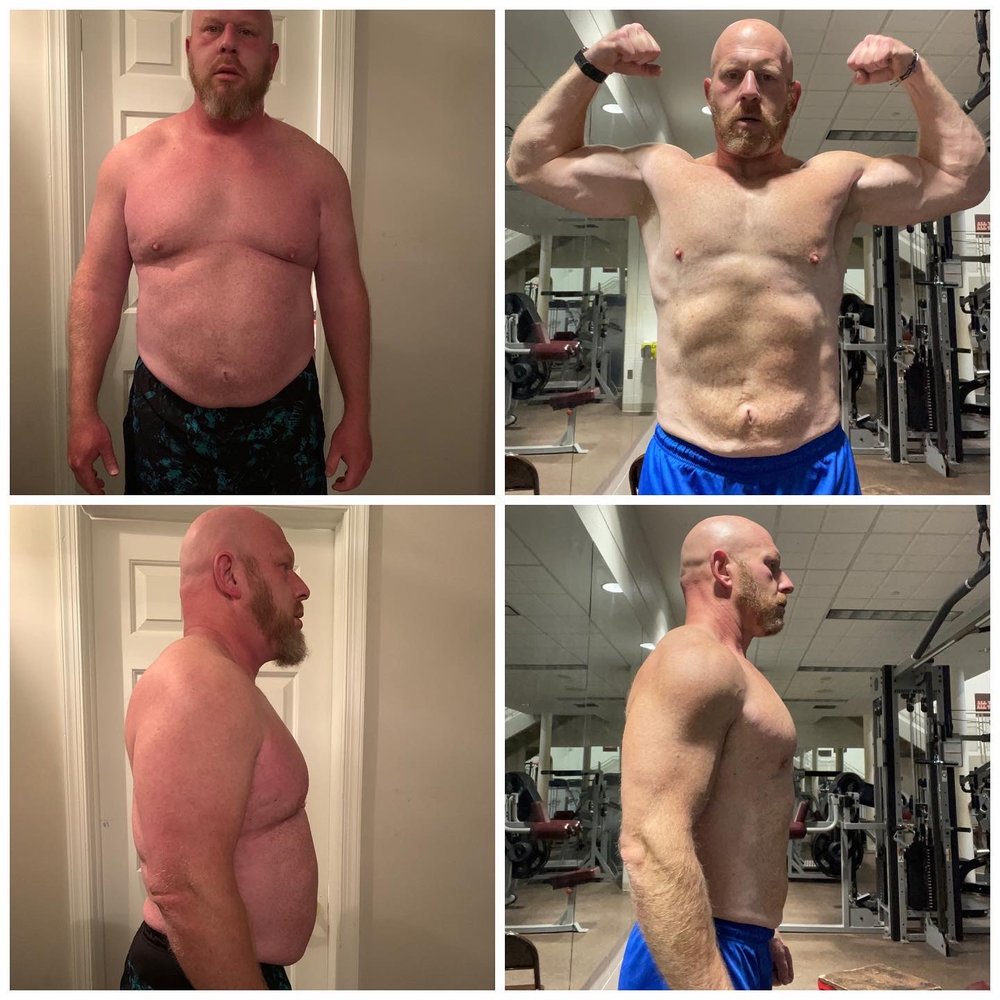
Muscle is denser than fat, which means it takes up less space but weighs more by volume. As you gain muscle, your body weight may increase even if you’re losing fat. This shift can make you look leaner, but the scale might not reflect that change immediately.
Think about your own experience: have you noticed your clothes fitting better even when the scale hasn’t budged? That’s muscle growth at work. It’s important to measure success by how you feel and look, not just by numbers.
Difference Between Muscle And Fat Weight
One pound of muscle and one pound of fat both weigh the same, but muscle is more compact. This means you can gain muscle and lose fat without changing your weight much. Your body composition improves, making you stronger and healthier.
Muscle also burns more calories at rest than fat does. This means gaining muscle can help you manage your weight better over time. Are you focusing on the scale or how your body performs and feels?
Role Of Water Retention In Weight Fluctuations
Muscle growth often comes with increased water retention in your body. When you start lifting weights, your muscles hold more water to repair and build tissue. This can cause temporary weight spikes that aren’t fat gain.
Hydration, salt intake, and even your menstrual cycle can affect water retention too. Don’t let daily weight changes discourage you. Instead, track trends over weeks to understand your true progress.
Factors Influencing Weight Gain During Muscle Building
Weight gain during muscle building isn’t just about adding muscle; several factors play a role in how your body changes. Understanding these influences helps you manage expectations and tailor your approach effectively. Let’s look at what really affects weight gain when you focus on building muscle.
Caloric Surplus And Its Impact
Eating more calories than your body burns is essential for muscle growth. But how much surplus you need can vary widely. Too much extra food can lead to fat gain alongside muscle, while too little might slow progress.
Think about your daily routine: Are you tracking your calorie intake? Small adjustments, like adding a snack or increasing portion sizes, can make a big difference. It’s about finding the right balance that fuels muscle without unnecessary fat gain.
Influence Of Training Intensity And Frequency
Your workout plan directly affects how your body changes. Higher intensity and frequent training sessions encourage more muscle growth, which can lead to weight gain as muscle is denser than fat.
Ask yourself if you’re challenging your muscles enough. Progressively lifting heavier weights or increasing workout frequency helps build muscle faster. But rest is just as important—overtraining can stall gains and increase injury risk.
Genetics And Body Composition Variations
Everyone’s body responds differently to training and diet, thanks to genetics. Some people naturally build muscle more easily, while others may gain fat more quickly during a bulk.
Look at your past experiences: Do you tend to gain weight fast or stay lean? Understanding your unique body type helps set realistic goals. It also guides how strict or flexible your nutrition and training need to be.
Common Misconceptions About Muscle Gain And Weight
Many people get confused about muscle gain and weight changes. Some believe that building muscle always means gaining a lot of weight. Others think that any weight gain is just fat. These ideas are not always true. Understanding what really happens can help you set realistic goals and stay motivated.
Muscle Gain Means Only Fat Loss Stops
Some think muscle gain stops fat loss. This is not true. Your body can build muscle and burn fat at the same time. Muscle is heavier than fat but takes less space. So, you might see less fat but a higher number on the scale. This does not mean you are gaining fat.
Rapid Weight Gain Means Fat Accumulation
Rapid weight gain often worries people. They assume it means fat gain. But quick weight gain can also be water or muscle. After starting workouts, your body holds more water to repair muscles. This can add pounds fast. It is not always fat. Patience is key to see real changes.
Muscle Building Always Leads To Bulkiness
Many fear getting bulky from muscle building. This is a common myth. Getting bulky needs specific training and diet. Most people gain lean muscle without big size increases. Muscle building improves shape and strength. It makes the body look toned, not bulky.
Credit: www.digitalbarbell.com
Tracking Progress Beyond The Scale
Tracking your progress beyond just the numbers on the scale is key to understanding how building muscle truly affects your body. Muscle weighs more than fat, so the scale might not reflect the positive changes happening underneath. You need ways to measure your transformation that show real improvements and keep you motivated.
Using Body Measurements And Photos
Taking regular body measurements can reveal changes the scale misses. Measure areas like your waist, hips, chest, arms, and thighs to track muscle growth and fat loss.
Photos provide visual proof of your progress. Snap pictures from multiple angles every few weeks. Comparing these over time shows muscle definition and body shape changes that numbers can’t capture.
Importance Of Strength And Performance Gains
Tracking how much stronger you get is another powerful way to see progress. Are you lifting heavier weights or doing more reps? These gains mean your muscles are growing and adapting, even if your weight stays the same.
Improved performance in exercises like push-ups, squats, or running speed can boost your confidence and show that your hard work is paying off. Ask yourself: Are you getting stronger or fitter? That’s often a better question than “How much do I weigh?”
Monitoring Body Fat Percentage
Body fat percentage tells you how much of your weight is fat versus muscle. Even if your weight increases, a lower body fat percentage means you are gaining muscle and losing fat.
Devices like calipers, smart scales, or professional assessments can help track this. Knowing your body fat percentage gives a clearer picture of your health and fitness than weight alone.
Tips To Manage Weight While Building Muscle
Managing weight while building muscle can feel tricky. Muscle gain often comes with some weight increase. The key is to control how much weight you gain. Focus on building muscle without adding too much fat. Simple changes in diet and exercise help a lot. Rest and recovery also play a big role. Here are some tips to balance it all.
Balancing Nutrition For Muscle Growth
Eat enough protein to support muscle repair and growth. Include lean meats, beans, and dairy in your meals. Control your calorie intake to avoid excess fat gain. Choose whole foods like vegetables, fruits, and whole grains. Limit sugary snacks and high-fat processed foods. Drink plenty of water to stay hydrated and aid digestion.
Effective Workout Strategies
Combine strength training with cardio exercises. Strength training builds muscle and boosts metabolism. Cardio helps burn extra calories and fat. Focus on compound movements like squats, deadlifts, and presses. These exercises work multiple muscle groups at once. Keep your workouts consistent but avoid overtraining. Change your routine every few weeks to stay motivated.
Rest And Recovery Importance
Muscles grow during rest, not just workouts. Aim for 7-9 hours of sleep each night. Take rest days to allow muscle repair and avoid injury. Use light stretching or yoga to improve flexibility. Manage stress to support overall health and muscle growth. Proper recovery helps you perform better and stay on track.

Credit: vshred.com
Frequently Asked Questions
Does Building Muscle Lead To Weight Gain?
Building muscle can cause weight gain because muscle tissue is denser than fat. As you gain muscle, your body weight may increase even if fat decreases. This weight gain is healthy and reflects improved body composition and strength.
How Much Weight Gain Is Normal When Building Muscle?
Normal weight gain from muscle building varies but usually ranges from 1 to 5 pounds per month. This depends on factors like training intensity, diet, and genetics. Gradual weight gain ensures mostly muscle, not fat.
Can Muscle Gain Hide Fat Loss On The Scale?
Yes, muscle gain can mask fat loss on the scale. Muscle weighs more than fat, so your weight might stay the same or increase. Use measurements and body fat percentage to track true progress.
Does Muscle Gain Affect Body Shape Without Weight Change?
Absolutely. Gaining muscle can improve body shape and tone even if your weight remains steady. Muscle growth adds firmness and definition, creating a leaner, healthier appearance.
Conclusion
Building muscle often leads to some weight gain. This gain comes from muscle, not fat. Muscle is denser and weighs more than fat. Gaining muscle can improve strength and health. Weight on the scale might rise, but body shape improves.
Focus on how clothes fit and strength progress. Tracking only weight can be misleading. Muscle growth supports a healthier, stronger body. Patience and consistency bring the best results. Keep training and eating well to build muscle.







