
Are you preparing for a PET scan and wondering about the dietary restrictions that come with it? You’re not alone.
Navigating the do’s and don’ts of a PET scan prep diet can feel overwhelming, especially when you’re already dealing with health concerns. But don’t worry; we’re here to simplify it for you. Understanding what you can and cannot eat is crucial not only for your peace of mind but also for ensuring accurate scan results.
In this guide, we’ll break down everything you need to know about prepping your diet for a PET scan. By the end of this article, you’ll feel confident and prepared, ready to make choices that contribute to the most reliable outcomes possible. Keep reading to uncover the secrets to a smooth and stress-free PET scan experience.
Purpose Of Pet Scan Diet
The purpose of a PET scan diet is to prepare the body for the imaging test. It helps improve the quality and accuracy of the scan results. Eating the right foods and avoiding certain items can affect how the scan detects changes in the body.
Following the correct diet helps the medical team see clear images. This diet controls the levels of sugar in the blood. Keeping sugar levels stable is important for the scan to work properly.
Impact On Scan Accuracy
The PET scan diet affects how well the scanner can detect abnormal tissues. High sugar intake can cause false signals, making it hard to find problems. A low-carbohydrate diet helps reduce background noise in the images.
Good preparation means the scanner shows only the areas of concern. This helps doctors diagnose diseases like cancer more accurately. The clearer the image, the better the treatment decisions.
Role Of Glucose Levels
Glucose is sugar that cells use for energy. The PET scan uses a special sugar tracer that mimics glucose. High blood glucose levels can block the tracer from entering cells.
When glucose is low, the tracer works better. It collects more in abnormal cells, highlighting them in the scan. The diet helps keep glucose levels low before the test.
Foods To Avoid Before Pet Scan
Preparing for a PET scan requires careful attention to diet. Certain foods can affect the scan results and must be avoided. Choosing the right foods helps get clear images and accurate readings. Avoiding specific items is essential for a successful test.
High-sugar Items
Sugar feeds cells and changes how they absorb the scan tracer. Avoid sweets like candies, cakes, and soft drinks. Even natural sugars in honey and syrup can interfere. Keep your blood sugar stable by skipping these before the scan.
Carbohydrate-rich Foods
Carbohydrates raise insulin and glucose levels. This can hide the scan’s target areas. Avoid bread, pasta, rice, and potatoes for at least 24 hours. Focus on low-carb options to improve scan accuracy and clarity.
Fatty And Processed Foods
Fat slows digestion and affects how tracers move in the body. Processed foods often contain unhealthy fats and additives. Skip fried foods, fast food, and packaged snacks. Choose lean proteins and vegetables instead for better preparation.
Recommended Foods Before Pet Scan
Choosing the right foods before a PET scan helps improve the test’s accuracy. The diet focuses on low sugar and balanced nutrition. Preparing properly supports clear imaging results.
Low-carb Options
Carbohydrates can affect the scan by raising blood sugar levels. Select foods low in carbs to keep sugar stable. Examples include:
- Leafy greens like spinach and kale
- Broccoli and cauliflower
- Avocado
- Cucumbers
- Zucchini
Avoid bread, pasta, rice, and sweets before your scan.
Protein-rich Choices
Proteins do not interfere with the PET scan. Eating enough protein helps maintain energy without spiking sugar. Good options are:
- Lean chicken or turkey
- Eggs
- Fish such as salmon or tuna
- Tofu or tempeh
- Low-fat cheese
Hydration Guidelines
Drinking water is important before a PET scan. Water keeps the body hydrated and helps flush out sugar. Aim to drink at least 8 glasses of water the day before. Avoid drinks with caffeine or sugar, such as soda, juice, or coffee. Plain water is best.
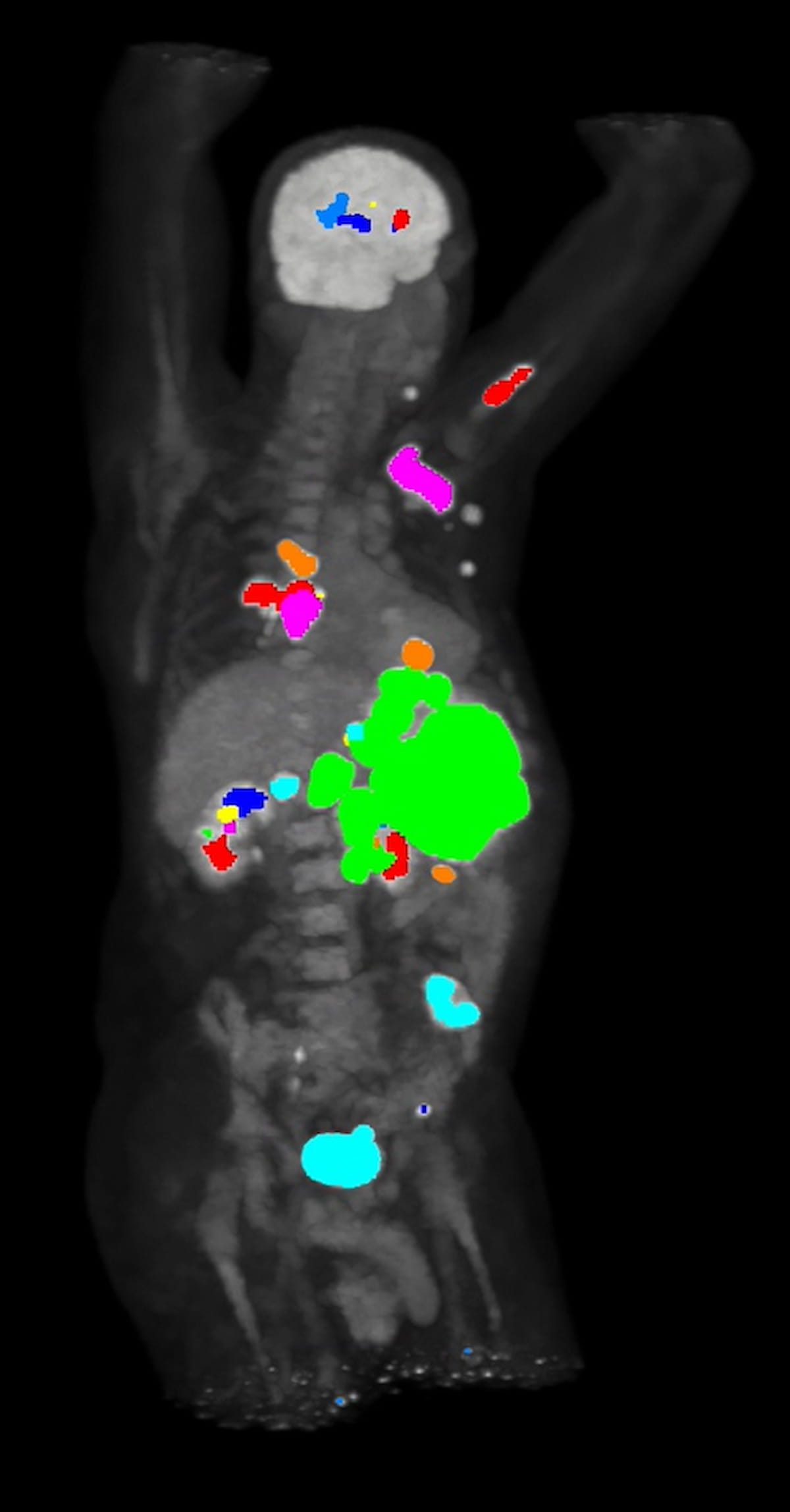
Credit: www.diagnosticimaging.com
Fasting Guidelines
Preparing for a PET scan involves careful attention to fasting guidelines. These rules help ensure your body is in the right state for accurate imaging results. Understanding what you can and cannot consume before the scan can make the process smoother and reduce the chances of needing a rescan.
Duration Of Fasting
Typically, you will be asked to fast for about 4 to 6 hours before your PET scan. This means no solid foods or snacks during this time. Fasting helps lower your blood sugar levels, which is crucial because high sugar can interfere with the scan’s accuracy.
Think about your last appointment—did you follow the fasting rules exactly? Missing this window can lead to unclear images, which may require you to repeat the scan and delay your diagnosis.
Allowed Fluids
During your fasting period, you can usually drink water freely. Staying hydrated is important and does not affect the scan results. However, avoid any drinks with sugar, caffeine, or milk, such as coffee, tea with sugar, or juice.
Water helps flush your system and keeps you comfortable, especially if you feel a bit hungry. If you’re unsure about a particular beverage, ask your healthcare provider beforehand.
Medication Considerations
Some medications may need to be adjusted or delayed before your PET scan. It’s essential to tell your doctor about all the medicines you take, including supplements and over-the-counter drugs. Certain diabetes medications, for example, might affect your blood sugar and the scan’s effectiveness.
Don’t stop any medication without consulting your healthcare team. They can guide you on which medicines to take and which to pause to keep the scan results reliable.
Common Mistakes To Avoid
Preparing for a PET scan involves following specific diet and lifestyle instructions. However, certain common mistakes can affect the results and your overall experience. Knowing what to avoid helps you get the most accurate scan and reduces stress on the day of the test.
Eating Late Meals
Eating too close to your PET scan can disrupt the test results. Your body needs time to process food and lower blood sugar levels before the scan. If you eat late, your glucose levels may be high, which can interfere with the scan’s accuracy.
Try to finish your last meal at least 6 hours before the scan. If you find yourself hungry later, it’s better to drink water than eat. Have you ever experienced feeling rushed and ended up eating late? That simple slip can change your scan results.
Ignoring Hydration
Water intake is often overlooked but crucial. Staying well-hydrated helps your body flush out the radioactive tracer after the scan and improves image clarity. Avoid sugary drinks, but don’t skip water either.
Many patients assume they should fast completely, forgetting that drinking water is allowed and encouraged. Drinking enough water before your scan can make the process smoother and recovery quicker. How much water do you usually drink before medical tests?
Misunderstanding Medication Instructions
Medications can affect your PET scan, so it’s vital to follow your doctor’s advice precisely. Some medicines might need to be paused, while others should be taken as usual. Misreading these instructions can cause delays or inaccurate results.
If you are unsure about any medication, ask your healthcare provider well before the scan day. Taking insulin or diabetes medication incorrectly before the test is a common pitfall. Have you double-checked your medication plan recently?

Credit: flcancer.com
Tips For A Smooth Pet Scan Day
Preparing for your PET scan day can feel overwhelming, but a few thoughtful steps can make the experience smoother and less stressful. Paying attention to practical details helps you stay comfortable and focused during the procedure. Here are some tips to guide you through the day with confidence and ease.
Clothing Recommendations
Wear loose, comfortable clothes without metal parts like zippers or buttons. Metal can interfere with the scan and may require you to change or remove items, adding unnecessary hassle.
Opt for layers if the facility tends to be cold or warm. This lets you adjust your comfort level before and after the scan easily.
Shoes should be easy to slip on and off, since you might be asked to remove them during the procedure. Simple sneakers or slip-ons work best.
Managing Anxiety
Feeling nervous about your PET scan is normal. Try deep breathing exercises or listen to calming music on your way to the appointment to reduce stress.
Bring a trusted friend or family member for support if the facility allows it. Having someone familiar nearby can make a big difference in how you feel.
Ask yourself: What small thing can I do right now to feel more in control? Sometimes, focusing on simple actions helps ease anxious thoughts.
Communicating With Medical Staff
Don’t hesitate to ask questions about the procedure or your prep instructions. Clear communication ensures you know what to expect and can follow guidelines properly.
If you have allergies, medical conditions, or concerns about the dye used in the scan, share this information openly. It helps staff provide the best care tailored to your needs.
Remember, medical staff are there to help you. Speaking up about discomfort or confusion can improve your experience and the scan’s outcome.
-(1).png?sfvrsn=9977a6b4_3)
Credit: www.everydayhealth.com
Frequently Asked Questions
What Foods Should I Avoid Before A Pet Scan?
Avoid sugary foods, caffeine, and alcohol 24 hours before your PET scan. Stick to a low-carb, high-protein diet to improve scan accuracy.
How Long Should I Fast Before A Pet Scan?
Fasting for at least 4 to 6 hours before your PET scan is essential. Only water is allowed during this fasting period to ensure clear imaging.
Can I Drink Water Before A Pet Scan?
Yes, drinking water is encouraged before a PET scan. It helps keep you hydrated and improves the quality of the scan without affecting results.
Why Is A Low-carb Diet Important Before A Pet Scan?
A low-carb diet reduces blood sugar levels, enhancing the scan’s ability to detect abnormalities. It prevents interference with the radioactive tracer used during the scan.
Conclusion
Preparing your diet before a PET scan helps get clear results. Eating the right foods and avoiding others makes the process smoother. Follow your doctor’s instructions carefully for the best outcome. Drinking water and fasting as told are important steps.
A little effort now saves time and worry later. Stay calm and trust the process. Your health matters, and proper prep supports accurate scans. Simple diet changes can make a big difference. Take care, and your scan will go well.







