
Are you scheduled for a PET scan and wondering about the dietary changes you need to make? Navigating the world of medical procedures can be daunting, especially when it comes to adjusting your diet.
But don’t worry; you’re not alone in this journey. Understanding the “Pet Scan Diet” is crucial for accurate results and your peace of mind. In this blog post, we’ll unravel the essential dietary guidelines you need to follow before your scan.
By the end, you’ll feel confident and well-prepared, knowing exactly what to eat and what to avoid. Let’s dive in and make your PET scan experience as smooth as possible!
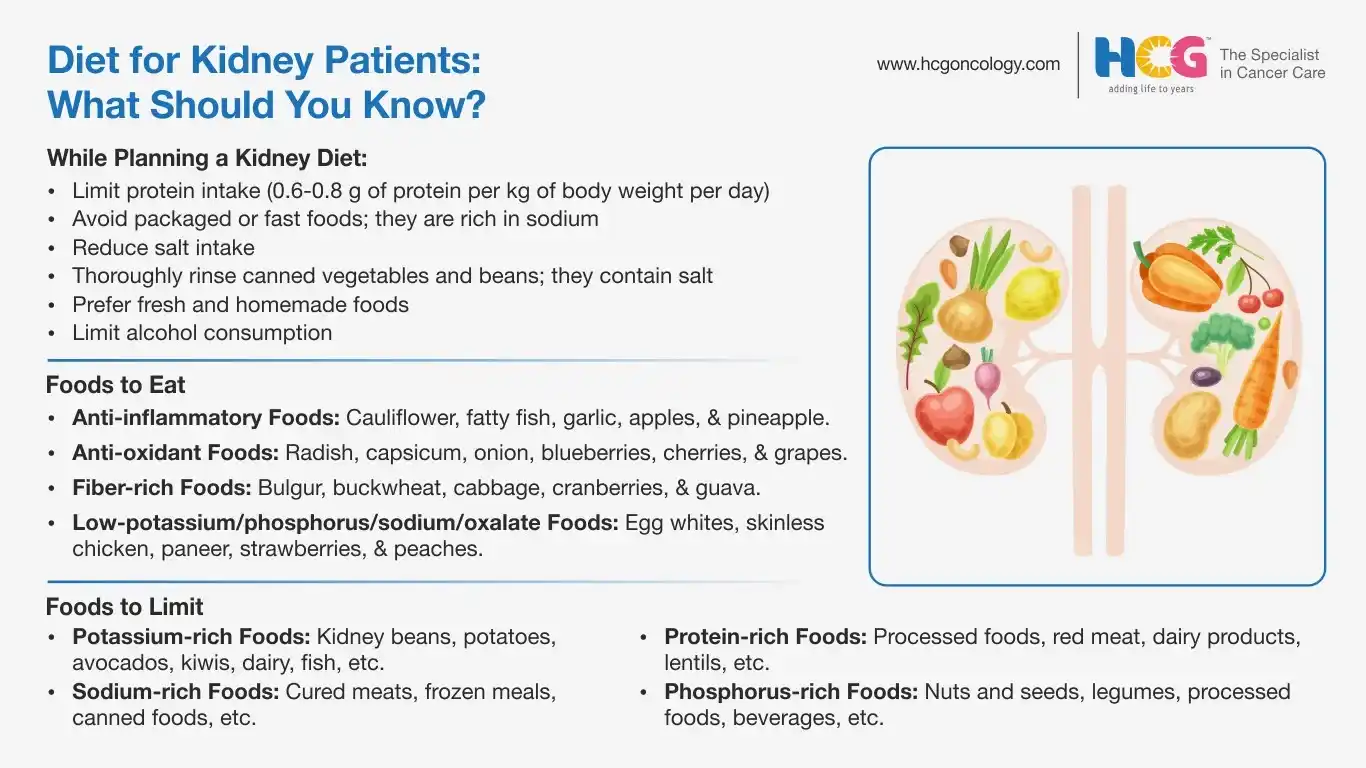
Credit: www.hcgoncology.com
Preparing For A Pet Scan
Preparing for a PET scan involves more than just showing up at the appointment. What you eat and drink, along with certain medications you take, can affect the results. Taking a few simple steps can help make sure your scan is as accurate as possible.
Fasting Guidelines
You will likely need to fast for several hours before your PET scan. This usually means no food or drinks except water for about 4 to 6 hours. Fasting helps lower your blood sugar levels, which is important because high sugar can interfere with the scan.
Think about the last time you felt hungry before a test—did it affect your mood or energy? Staying calm and following the fasting rules will help your body show the true picture on the scan. Always check with your healthcare provider for specific fasting times.
Hydration Tips
Drinking water is encouraged before your PET scan. Staying hydrated helps flush out the radioactive tracer after the scan and makes it easier for your veins to be accessed. However, avoid sugary drinks, coffee, or tea before the test.
Try to drink at least 8 ounces of water an hour before your appointment. If you forget, don’t panic—just focus on drinking water rather than other liquids. How much water do you usually drink daily? This could be a good time to increase your intake.
Medications To Avoid
Certain medications can affect PET scan results. You may be asked to stop some drugs like insulin, corticosteroids, or chemotherapy agents before your scan. Always discuss your medications with your doctor well ahead of time.
If you’re unsure about which medications to skip, ask your healthcare provider. Skipping some medications without guidance can be harmful, so never stop taking them on your own. Have you ever had to pause a medication before a medical test? Sharing that experience with your doctor can help tailor your preparation plan.

Credit: onlinejcf.com
Foods To Eat Before The Scan
Choosing the right foods before your PET scan can make a significant difference in the accuracy of the results. What you eat affects your body’s glucose levels, which the scan measures closely. Eating the right foods helps keep your blood sugar stable and ensures clearer images for your doctor.
Low-carb Options
Keeping your carbohydrate intake low is key before a PET scan. Carbs raise blood sugar, which can interfere with the scan’s effectiveness.
- Non-starchy vegetables like spinach, broccoli, and cucumbers work well.
- Avocados are a great choice, providing healthy fats without spiking glucose.
- Small portions of nuts such as almonds or walnuts can also be helpful.
Have you noticed how cutting carbs for a few hours changes your energy? This shift can improve scan clarity.
Protein Choices
Protein helps keep you full and doesn’t spike blood sugar. Opt for lean sources to avoid added fats that might affect your digestion.
- Grilled chicken or turkey breast are excellent picks.
- Boiled eggs provide a simple and quick protein boost.
- Low-fat cheese can also be included in moderation.
Choosing the right protein can calm your hunger while keeping your body ready for the scan.
Beverage Recommendations
What you drink matters just as much as what you eat. Hydration is important, but some drinks can cause issues.
- Water is the best choice—stay hydrated but don’t overdo it.
- Avoid sugary drinks, coffee, and tea with milk or sugar.
- Herbal teas without additives can be soothing and safe.
Have you tried sipping water with a squeeze of lemon before? It’s refreshing and won’t interfere with your scan.
Foods To Avoid Before The Scan
A PET scan requires careful preparation, especially regarding what you eat before the procedure. Certain foods can interfere with the scan’s accuracy by affecting your body’s glucose levels. Avoiding specific foods helps ensure your scan results are clear and reliable.
High-sugar Foods
High-sugar foods spike your blood sugar quickly, which can distort the PET scan results. Candy, pastries, and sugary drinks are common culprits to steer clear of before your scan.
Think about that time you had a soda before a blood test—did the results surprise you? The same principle applies here. Your body’s sugar levels need to be stable for the scan to work properly.
Carbohydrate-rich Items
Carbohydrates break down into glucose, which affects how your body absorbs the radioactive tracer used in the scan. Foods like bread, pasta, rice, and potatoes can raise your blood sugar and disrupt the scan.
Try to avoid these at least 12 hours before the scan. Instead, focus on eating low-carb, protein-rich meals to keep your glucose levels steady.
Caffeine And Alcohol
Caffeine and alcohol can both impact your metabolism and hydration, which may influence the PET scan results. Coffee, tea, energy drinks, and alcoholic beverages should be avoided the day before and the day of your scan.
Have you noticed how caffeine sometimes makes your heart race? That stimulation can interfere with the accuracy of your scan by affecting your body’s normal function.
Day Of The Pet Scan
The day of your PET scan can feel a bit overwhelming, but knowing what to expect helps you stay calm and prepared. Your body will be closely monitored, and your diet plays a key role in getting clear results. Staying comfortable and managing hunger will make the process smoother.
What To Expect
Upon arrival, you’ll check in and likely fill out some forms. A technician will explain the procedure and answer any questions you have. You’ll receive an injection of a radioactive tracer, which takes about 30 to 60 minutes to spread through your body before the scan begins.
During the scan, you’ll lie still on a table that slides into the PET scanner. The machine is quiet, but you might hear some humming or clicking sounds. The entire scan usually lasts 20 to 45 minutes.
Managing Hunger And Thirst
It’s normal to feel hungry since you’re asked to fast before the scan. Drinking water is usually allowed and encouraged to stay hydrated. Avoid sugary drinks and snacks as they can affect the test results.
If you find hunger distracting, try focusing on deep breathing or light stretching before the scan. Bringing a bottle of water can help you stay comfortable. Have a healthy meal ready for after the scan to look forward to.
Clothing And Comfort
Wear loose, comfortable clothing without metal zippers or buttons, as metal can interfere with the scan. Avoid jewelry and accessories for the same reason. You might be asked to change into a hospital gown, so consider this when choosing what to wear.
Bring a sweater or blanket if you tend to get cold, since the scanning room can be cool. Staying relaxed helps the scan go faster, so take a moment to calm your mind. Have you noticed how comfort can actually change how you feel during medical tests?
Post-scan Nutrition
After a PET scan, your body needs care and proper nutrition. The scan process can leave you dehydrated and low on energy. Eating and drinking the right foods helps your body recover quickly. It supports your overall health and prepares you for any follow-up treatments or appointments.
Rehydration Strategies
Drinking plenty of fluids is key after a PET scan. Water is the best choice to replace lost fluids. Herbal teas and clear broths also help hydrate and soothe your stomach. Avoid sugary drinks and caffeine as they can cause dehydration.
Try to sip fluids slowly over a few hours. This prevents nausea and helps your body absorb water better. Electrolyte drinks can be useful if you feel weak or dizzy. They restore minerals like sodium and potassium.
Meal Suggestions
Choose light, easy-to-digest meals after the scan. Foods like soup, toast, and yogurt are gentle on your stomach. Fresh fruits and vegetables provide vitamins and fiber for healing. Lean proteins like chicken or fish help repair tissues.
- Oatmeal with banana and honey
- Grilled chicken with steamed vegetables
- Rice with boiled eggs and avocado
- Vegetable soup with whole-grain crackers
Avoid fatty, spicy, or heavy meals that may cause discomfort. Eat smaller portions to prevent nausea and bloating.
Activity Recommendations
Rest is important after your PET scan. Avoid strenuous activities for at least 24 hours. Gentle walking can improve circulation and reduce stiffness. Listen to your body and stop if you feel tired or dizzy.
Sleep helps your body heal and regain strength. Try to get a full night’s rest soon after the scan. Limit screen time and stressful tasks to promote relaxation.
Common Mistakes To Avoid
Preparing for a PET scan involves more than just scheduling the appointment. Your diet plays a crucial role in ensuring accurate results. Avoiding common mistakes can help you get the most reliable information from your scan and reduce the chance of delays or repeat tests.
Ignoring Dietary Restrictions
Many people underestimate how strict the dietary rules are before a PET scan. Eating foods high in sugar or carbs can interfere with the scan’s accuracy by affecting your body’s glucose levels.
Think about a friend of mine who ate a piece of fruit the morning before their scan. The technician had to reschedule because the images were unclear. Following the exact restrictions your doctor gives you is essential for a smooth process.
- Stick to the recommended foods and avoid snacks.
- Check labels carefully for hidden sugars.
- Ask questions if you’re unsure about what to eat.
Misunderstanding Fasting Rules
Fasting before a PET scan isn’t just about skipping a meal; it usually requires a specific time frame without food or drink, except water. Misreading these rules can lead to inaccurate scans or last-minute cancellations.
Have you ever wondered why some tests ask you to fast for 6 hours, while others say 12? This difference matters because the PET scan needs your body in a particular state for correct readings.
Follow the fasting timeline closely and avoid chewing gum or drinking anything but water. These small details can change the test results dramatically.
Skipping Medical Advice
Sometimes, people try to prepare for a PET scan on their own, ignoring the personalized guidance from their healthcare provider. This can backfire and cause delays or false results.
Your doctor knows your health history and will give you the best advice for your specific situation. If you’re confused about any instructions, call your medical team instead of guessing.
- Don’t skip medications without consulting your doctor.
- Inform your provider about all supplements and prescriptions.
- Ask about any special instructions for your condition.
Are you prepared to follow through with every detail for your upcoming PET scan? Your attention to these points can make a big difference in your diagnosis and treatment plan.
-(1).png?sfvrsn=9977a6b4_3)
Credit: www.everydayhealth.com
Frequently Asked Questions
What Foods Should I Avoid Before A Pet Scan Diet?
Avoid sugary foods, caffeine, and high-carb meals 12 hours before your PET scan. These can interfere with scan results and accuracy.
Can I Eat Before A Pet Scan Diet?
You should fast for at least 4-6 hours before the PET scan. Drinking water is allowed and encouraged to stay hydrated.
Why Is A Low-carb Diet Important For A Pet Scan?
A low-carb diet lowers blood sugar, helping the scan highlight abnormal cells. High carbs can cause false readings during the test.
How Long Should I Follow The Pet Scan Diet?
Follow the PET scan diet for 12-24 hours before your appointment. This ensures clear and accurate imaging results for your doctor.
Conclusion
A PET scan diet helps improve the test’s accuracy. Avoid sugary foods and drinks before your scan. Clear instructions make the process easier and faster. Following the diet keeps your body ready for the scan. It helps doctors find important health details.
Simple changes in eating can make a big difference. Always ask your healthcare provider for diet advice. This small effort supports better health results. Stay calm and trust the process. Your cooperation matters most for a successful PET scan.







