
Are you curious about what’s really inside your can of Diet Coke? Understanding Diet Coke nutrition data can help you make smarter choices for your health without giving up the fizz you love.
Whether you’re counting calories, watching your sugar intake, or just want to know how this popular drink fits into your diet, this article breaks it all down clearly for you. Keep reading to discover surprising facts that might change how you see this classic beverage.
Calories And Sweeteners
Calories and sweeteners are key factors in Diet Coke’s nutrition profile. Understanding these helps you make informed choices. Diet Coke offers a low-calorie option with unique sweeteners. This section breaks down calorie content and types of sweeteners used. It also discusses how these affect blood sugar levels.
Calorie Count Comparison
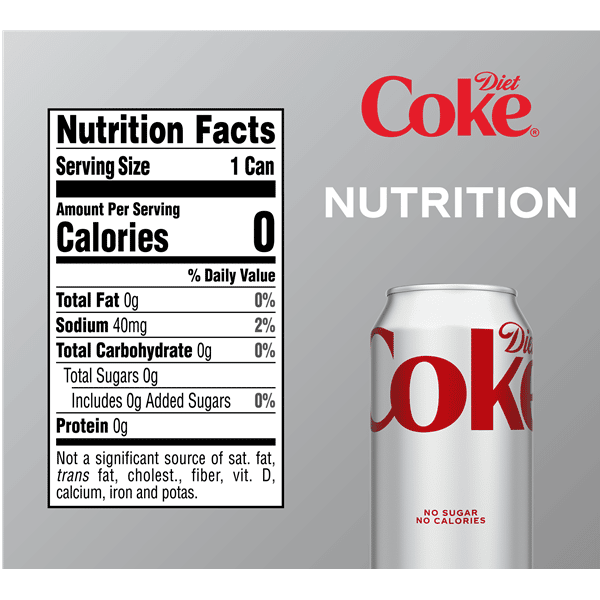
Diet Coke contains zero calories per 12-ounce can. Regular Coca-Cola has about 140 calories in the same size. This makes Diet Coke a popular choice for calorie-conscious people. The zero-calorie count is possible due to artificial sweeteners. These sweeteners replace sugar without adding calories.
Artificial Sweeteners Used
Diet Coke uses aspartame and acesulfame potassium as sweeteners. Aspartame is about 200 times sweeter than sugar. Acesulfame potassium enhances sweetness and masks aftertaste. Both provide sweetness without calories or sugar. These sweeteners help maintain the drink’s flavor.
Impact On Blood Sugar
Artificial sweeteners in Diet Coke do not raise blood sugar. This makes it suitable for people with diabetes. Unlike sugar, these sweeteners do not cause insulin spikes. Still, some studies suggest monitoring consumption. Everyone reacts differently to sweeteners.

Credit: www.cub.com
Caffeine Content
Caffeine is a key component of Diet Coke that many people turn to for a quick energy boost. Understanding how much caffeine is in your drink can help you manage your intake throughout the day. Let’s break down the caffeine content and its effects so you can make informed choices.
Amount Per Serving
A standard 12-ounce (355 ml) can of Diet Coke contains about 46 milligramsof caffeine. This amount is less than a typical cup of coffee but enough to provide a noticeable lift.
Keeping track of this number is important if you consume multiple servings or other caffeinated products daily. It helps you avoid going over the recommended caffeine limits, which can cause jitters or sleep trouble.
Effects On Energy Levels
Caffeine in Diet Coke works by stimulating your central nervous system. Many people feel more alert and focused after a can, which can improve productivity and mood.
But be careful: the energy boost can be temporary and sometimes followed by a crash. Have you ever noticed feeling tired shortly after drinking Diet Coke? This dip happens because caffeine’s effects wear off quickly.
To use caffeine wisely, try pairing your Diet Coke with a healthy snack or water to smooth out energy swings.
Comparison With Other Sodas
| Soda | Caffeine Content (per 12 oz) |
|---|---|
| Diet Coke | 46 mg |
| Coca-Cola Classic | 34 mg |
| Pepsi | 38 mg |
| Mountain Dew | 54 mg |
Compared to other popular sodas, Diet Coke has a moderate caffeine level. It contains more caffeine than Coca-Cola Classic and Pepsi but less than Mountain Dew.
If caffeine is your main concern, you might want to choose your soda based on this info. How does your favorite soda stack up against Diet Coke in your daily caffeine intake?
Vitamins And Minerals
Vitamins and minerals are essential nutrients for the body. They help with many functions like energy, immunity, and growth. Understanding the vitamin and mineral content in Diet Coke helps people make informed choices about their diet and health.
Presence Of Micronutrients
Diet Coke contains very few vitamins and minerals. It is mainly made of carbonated water, artificial sweeteners, and flavorings. The drink does not provide significant amounts of essential micronutrients like vitamin C, calcium, or iron.
Some versions of Diet Coke may have small amounts of sodium and potassium. These minerals come from added ingredients or the water used in production. The amounts are usually low and do not contribute much to daily needs.
Nutritional Value Assessment
Diet Coke offers minimal nutritional value in terms of vitamins and minerals. It does not support vitamin intake or mineral balance. People should not rely on it as a source of these nutrients.
For a healthy diet, focus on fruits, vegetables, whole grains, and lean proteins. These foods provide the vitamins and minerals necessary for good health. Diet Coke can be enjoyed occasionally but should not replace nutrient-rich beverages.

Credit: www.ebay.com
Health Implications
Understanding the health implications of Diet Coke is important for making smart choices. This drink contains artificial sweeteners and other ingredients that affect the body in different ways. Exploring these effects helps in knowing how Diet Coke fits into a balanced lifestyle.
Effects On Weight Management
Diet Coke has zero calories, which may help control calorie intake. It is often chosen by people aiming to lose weight or maintain it. However, some studies suggest artificial sweeteners might increase cravings for sweet foods. This can lead to eating more overall. Drinking Diet Coke alone does not guarantee weight loss.
Dental Health Concerns
Diet Coke is acidic, which can wear down tooth enamel. Acid erosion may cause sensitivity and increase cavity risk. The lack of sugar reduces the chance of tooth decay but acidity remains a problem. Regular consumption without proper dental care can harm oral health.
Metabolic Effects
Artificial sweeteners in Diet Coke may affect metabolism. Some research links them to changes in insulin response. These changes might influence blood sugar control over time. Effects vary between individuals, depending on genetics and diet. More research is needed for clear conclusions.
Common Misconceptions
Diet Coke often faces many myths about its nutrition. People assume facts without checking the details. These misconceptions affect how people view this popular drink. Clearing up these myths helps make better choices. Below are some common misunderstandings about Diet Coke nutrition.
Is Diet Coke Truly Calorie-free?
Diet Coke contains zero calories per serving. It uses artificial sweeteners instead of sugar. These sweeteners provide sweetness without adding calories. Some believe it has hidden calories, but it does not. The calorie count remains at zero as labeled. Still, drinking large amounts may affect appetite and food choices.
Does It Hydrate Like Water?
Diet Coke has mostly water, so it can hydrate. It contains caffeine, which can act as a mild diuretic. This means it may cause some water loss. However, the hydration effect is close to plain water. Drinking Diet Coke helps maintain fluid balance. It should not replace water entirely for hydration needs.
Comparing Diet Coke Variants
Diet Coke offers a variety of options that can suit different tastes and dietary needs. Understanding the differences between these variants helps you make better choices without compromising on flavor or nutrition. Let’s break down the key differences to see which one fits your lifestyle best.
Classic Vs. Flavored Versions
The Classic Diet Coke is known for its crisp, straightforward taste with zero calories and no sugar. It uses artificial sweeteners like aspartame to provide sweetness without the calorie load.
Flavored versions, such as Diet Coke with Lime or Diet Coke with Cherry, add a twist to the original by including natural or artificial flavorings. These still maintain the zero-calorie promise but bring extra taste complexity.
Here’s a quick comparison table:
| Variant | Calories | Sugar | Flavor Profile |
|---|---|---|---|
| Classic Diet Coke | 0 | 0g | Original, crisp |
| Diet Coke with Lime | 0 | 0g | Citrus, refreshing |
| Diet Coke with Cherry | 0 | 0g | Sweet, fruity |
If you like a simple, no-fuss drink, Classic Diet Coke is a solid pick. But if you want a little excitement in your glass, flavored versions can add variety without extra calories.
Sugar-free Alternatives
All Diet Coke variants are sugar-free, but there are differences in the sweeteners used across different products and regions. Aspartame is common, but some options also include acesulfame potassium or sucralose.
These alternatives keep the sweetness without affecting blood sugar, making them popular among those watching their sugar intake or managing diabetes. However, some people notice a slight aftertaste with certain sweeteners, so your preference might vary.
- Aspartame:Most widely used, offers a clean, sweet taste.
- Acesulfame Potassium:Often combined with aspartame for enhanced sweetness.
- Sucralose:Used in some flavored versions, tends to have a sweeter profile.
Do you find yourself sensitive to artificial sweeteners? Trying different Diet Coke variants might help you discover which one matches your taste buds best without compromising your health goals.
Tips For Moderate Consumption
Moderate consumption of Diet Coke helps maintain a balanced lifestyle. Knowing how much and when to drink it supports overall health. This section offers clear tips to enjoy Diet Coke responsibly while keeping nutrition in check.
Recommended Serving Sizes
Standard serving size for Diet Coke is 12 fluid ounces (355 ml). This amount contains about 1 calorie and no sugar. Drinking more than one can daily may increase caffeine intake. The caffeine content is roughly 46 mg per can. Limit consumption to avoid negative effects like jitteriness or sleep issues.
- One can (12 oz) is a reasonable daily portion.
- Consider smaller servings like 8 oz to reduce caffeine.
- Check labels for caffeine content in different package sizes.
- Stay within 400 mg caffeine per day from all sources.
Balancing With A Healthy Diet
Diet Coke does not provide vitamins or minerals. It should not replace water or nutritious drinks. Pairing Diet Coke with balanced meals is best. Include fruits, vegetables, proteins, and whole grains daily.
Use Diet Coke as an occasional treat, not a staple. Drinking plenty of water supports hydration and well-being. Avoid relying on Diet Coke to curb hunger or thirst. A healthy diet helps maintain energy and overall health.
Credit: www.hy-vee.com
Frequently Asked Questions
What Are The Main Ingredients In Diet Coke?
Diet Coke primarily contains carbonated water, caramel color, phosphoric acid, aspartame, and caffeine. These ingredients give it a distinct taste. Aspartame is a low-calorie sweetener, which replaces sugar found in regular sodas. This makes Diet Coke a popular choice for those monitoring their sugar intake.
How Many Calories Are In Diet Coke?
Diet Coke is a zero-calorie beverage. It is a preferred choice for people aiming to reduce calorie intake. The lack of sugar and calories makes it a popular choice among those following weight management programs or calorie-restricted diets.
Does Diet Coke Have Any Carbohydrates?
Diet Coke contains zero carbohydrates. This makes it suitable for low-carb diets. The absence of sugar and carbohydrates is due to the use of artificial sweeteners like aspartame. It provides a sweet taste without the carb content of regular sodas.
How Much Caffeine Is In Diet Coke?
Diet Coke contains about 46 milligrams of caffeine per 12-ounce serving. This is slightly less than the caffeine content in regular Coca-Cola. The caffeine adds to the taste and provides a mild stimulating effect. It’s a choice for those seeking a caffeine boost.
Conclusion
Diet Coke offers a low-calorie option for soda lovers. It contains little to no sugar and almost no calories. People watch their diet often choose it to reduce sugar intake. Still, it has caffeine, which can affect some people. Reading nutrition labels helps make smart drink choices.
Knowing what’s inside helps you decide if it fits your lifestyle. Balance is key when including any drink in your diet. Small changes can lead to better health over time. Choose drinks that support your goals and feel good.







