
If you’re dealing with hypothyroidism, you know how much your diet can impact your energy, mood, and overall health. But figuring out exactly what to eat can feel confusing and overwhelming.
That’s why a clear, easy-to-follow hypothyroidism diet plan PDF can be a game-changer for you. This guide will help you discover the right foods to support your thyroid, boost your metabolism, and improve your wellbeing. Keep reading to unlock simple steps and practical tips that fit right into your daily life—because managing hypothyroidism doesn’t have to be complicated.

Credit: www.scribd.com
Basics Of Hypothyroidism
Understanding the basics of hypothyroidism helps manage the condition better. It occurs when the thyroid gland does not produce enough hormones. These hormones control many important functions in the body. Low hormone levels can cause various health issues. A good diet plan can support thyroid health and improve symptoms.
Causes And Symptoms
Hypothyroidism happens due to different causes. The most common cause is an autoimmune disease called Hashimoto’s thyroiditis. Other causes include iodine deficiency, thyroid surgery, or radiation therapy.
Symptoms vary but often include:
- Fatigue and weakness
- Weight gain
- Cold intolerance
- Dry skin and hair
- Constipation
- Depression and memory problems
Impact On Metabolism
The thyroid hormones regulate metabolism, the process of turning food into energy. Low hormone levels slow down metabolism. This causes weight gain and low energy levels. Digestion also slows, leading to constipation. The heart rate may drop, and body temperature can feel colder. Proper nutrition supports metabolism and helps balance hormone levels.
Role Of Diet In Hypothyroidism
Diet plays a key role in managing hypothyroidism. What you eat can impact thyroid hormone levels and overall health. A balanced diet helps the thyroid work better and supports your body’s energy needs.
Choosing the right foods can ease symptoms like fatigue and weight gain. Avoiding certain foods may prevent interference with thyroid function. A clear plan guides you to eat for better thyroid health.
How Food Affects Thyroid Function
Some foods influence thyroid hormone production and absorption. Goitrogens, found in raw cruciferous vegetables, can block iodine use. Iodine is essential for making thyroid hormones. Cooking these vegetables reduces their goitrogen effect.
Processed foods often contain high sodium. People with hypothyroidism should limit salt intake to control blood pressure. Some foods may affect how thyroid medicine works. Taking medicine away from meals helps absorption.
Nutrients To Support Thyroid Health
Certain nutrients support thyroid function and hormone production. Include these key nutrients in your diet:
- Iodine:Found in seaweed, dairy, and iodized salt.
- Selenium:Present in Brazil nuts, eggs, and sunflower seeds.
- Zinc:Available in meat, shellfish, and legumes.
- Vitamin D:Found in fatty fish, fortified foods, and sunlight exposure.
- Iron:Present in red meat, spinach, and lentils.
These nutrients help produce and regulate thyroid hormones. A diet rich in these supports thyroid health and overall well-being.
Foods To Include
Choosing the right foods can make a big difference if you have hypothyroidism. Eating the right nutrients supports your thyroid function and helps manage symptoms. Here’s a focused look at the foods you should add to your diet to support your thyroid health.
Thyroid-friendly Vegetables And Fruits
Leafy greens like spinach, kale, and Swiss chard are packed with vitamins and antioxidants that support thyroid function. They also provide fiber, which helps with common digestive issues linked to hypothyroidism.
Fruits such as blueberries, strawberries, and oranges offer antioxidants and vitamin C, which protect your thyroid from damage and reduce inflammation. Have you noticed how adding fresh berries to your breakfast can boost your energy?
Remember to avoid goitrogenic vegetables like raw cabbage and broccoli in large amounts, but cooked versions can be fine. Small changes like steaming these veggies can make a difference for your thyroid health.
Protein Sources
Protein is essential for hormone production and tissue repair. Choose lean meats like chicken, turkey, and fish, which provide the building blocks your thyroid needs.
Plant-based proteins such as lentils, chickpeas, and quinoa are great options too. They also offer fiber and important minerals like zinc and selenium, which play a role in thyroid hormone metabolism.
Have you tried adding a handful of nuts or seeds to your meals? They’re an easy way to increase your protein intake while supporting your thyroid.
Healthy Fats And Oils
Good fats help reduce inflammation and support hormone balance. Include sources like avocados, olive oil, and fatty fish such as salmon and mackerel in your diet.
These fats supply omega-3 fatty acids, which are crucial for brain health and may ease hypothyroidism symptoms like fatigue. Cooking with olive oil instead of butter is a simple swap that benefits your thyroid.
Think about how adding a few slices of avocado to your salad or using olive oil for roasting vegetables can improve both flavor and nutrition.
Credit: www.etsy.com
Foods To Avoid
Choosing the right foods is important for managing hypothyroidism. Certain foods can interfere with thyroid function and hormone production. Avoiding these foods helps support your thyroid health and overall well-being.
Goitrogens And Their Effects
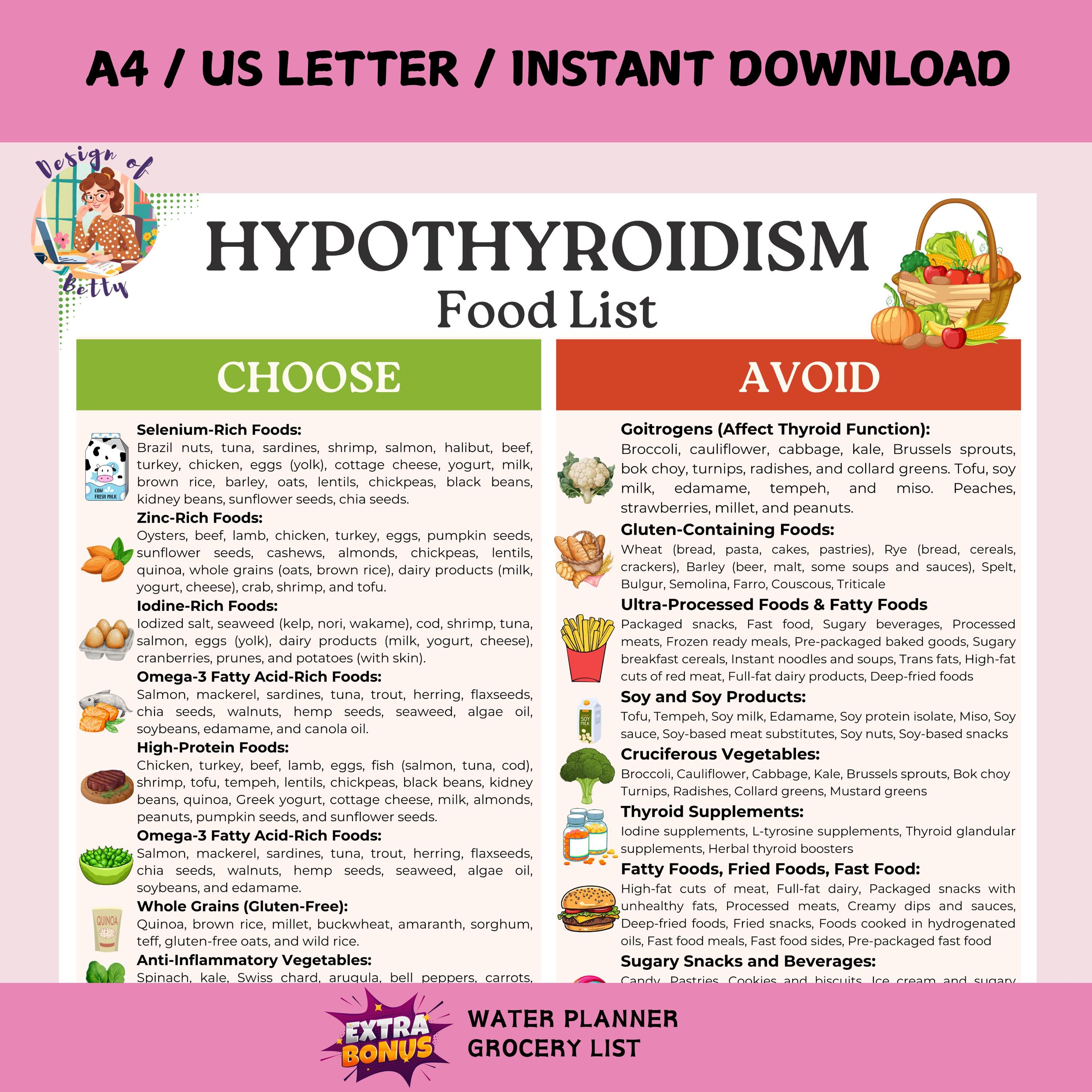
Goitrogens are substances that can disrupt thyroid hormone production. They block iodine uptake, a key element for thyroid function. Common goitrogenic foods include:
- Broccoli
- Cabbage
- Cauliflower
- Kale
- Brussels sprouts
- Soy products
Eating large amounts of these raw may worsen hypothyroidism. Cooking reduces their goitrogenic effects. Limit intake to avoid thyroid interference.
Processed Foods And Sugars
Processed foods often contain unhealthy fats and high sugar levels. These ingredients may worsen inflammation and weight gain. Common processed foods to avoid:
- Fast food
- Packaged snacks
- Sugary drinks
- Candies and desserts
High sugar can cause energy crashes and hormone imbalance. Choosing whole foods supports stable blood sugar and thyroid health.
Caffeine And Alcohol
Caffeine can interfere with thyroid medication absorption. It may also increase anxiety and disrupt sleep. Limit coffee and caffeinated drinks, especially around medication time.
Alcohol impacts liver function, essential for hormone conversion. Drinking alcohol can lower thyroid hormone levels. Avoid excessive alcohol to maintain thyroid balance and energy.
Sample Diet Plans
Sample diet plans can make managing hypothyroidism easier and more effective. Having a clear idea of what to eat daily removes the guesswork and helps maintain stable energy levels. The right foods support your thyroid function and overall health, so seeing practical meal ideas can inspire your own choices.
Daily Meal Ideas
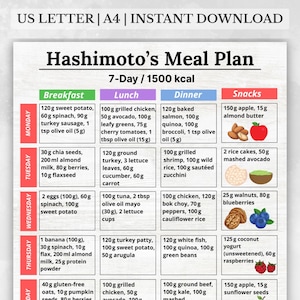
Your meals should focus on nutrient-rich foods that support thyroid health. Here’s a simple daily outline that balances protein, healthy fats, and fiber:
| Meal | Foods to Include | Why It Helps |
|---|---|---|
| Breakfast | Oatmeal with chia seeds, fresh berries, and a boiled egg | Provides fiber, antioxidants, and protein to start your metabolism |
| Lunch | Grilled chicken salad with spinach, avocado, and olive oil dressing | Rich in iron and healthy fats that support thyroid hormone production |
| Dinner | Baked salmon, quinoa, and steamed broccoli | Omega-3s and selenium help reduce inflammation and promote thyroid health |
Snack Options
Snacks can be tricky but are important to keep your blood sugar steady. Choose options that won’t interfere with thyroid function but still satisfy hunger.
- Greek yogurt with a sprinkle of flaxseeds
- Almonds or walnuts — a small handful
- Carrot sticks with hummus
- Apple slices with almond butter
Have you noticed how skipping snacks affects your energy? Including these can prevent those afternoon slumps.
Meal Prep Tips
Preparing your meals ahead saves time and reduces stress around food choices. Set aside a few hours once or twice a week to chop veggies, cook grains, or portion out snacks.
- Cook large batches of quinoa or brown rice to use in multiple meals.
- Wash and cut veggies like carrots and cucumbers to grab quickly.
- Freeze individual portions of protein like chicken or fish for easy defrosting.
Meal prepping isn’t just about convenience—it helps you stay consistent with your diet. How might your routine change if healthy meals were always ready to go?
Supplements And Hydration
Managing hypothyroidism effectively isn’t just about medication and diet choices. Supplements and hydration play a crucial role in supporting your thyroid function and overall health. Paying attention to the right vitamins, minerals, and water intake can make a noticeable difference in how you feel each day.
Vitamins And Minerals
Certain vitamins and minerals directly impact thyroid health and hormone production. For example, iodine is essential since your thyroid uses it to make hormones. However, too much iodine can cause problems, so balance is key.
Other important nutrients include:
- Selenium:Helps convert thyroid hormones into their active form.
- Zinc:Supports immune function and thyroid hormone metabolism.
- Vitamin D:Low levels often link to thyroid issues, affecting mood and energy.
- B Vitamins:Aid in energy production and reduce fatigue common with hypothyroidism.
Have you checked if you’re getting enough of these in your diet or through supplements? Sometimes, a simple blood test can reveal nutrient gaps that affect your thyroid.
Importance Of Water Intake
Water might seem basic, but staying hydrated is vital for your thyroid and overall metabolism. Dehydration can worsen symptoms like fatigue and constipation, which are already common with hypothyroidism.
Here’s why water matters:
- Helps flush out toxins that might stress your thyroid.
- Supports digestion and nutrient absorption.
- Keeps your energy levels steady throughout the day.
Try to drink at least 8 glasses of water daily, but listen to your body’s needs. Adding a slice of lemon or cucumber can make hydration more enjoyable and help you drink more consistently.
Lifestyle Tips For Thyroid Health
Supporting your thyroid health goes beyond just diet. Your daily habits play a crucial role in managing hypothyroidism effectively. Small changes in how you move and handle stress can make a noticeable difference in your energy and well-being.
Exercise Recommendations
Regular exercise can boost your metabolism and improve how your thyroid functions. Aim for moderate activities like walking, swimming, or cycling for at least 30 minutes most days. These exercises help you feel more energized without overtaxing your body.
Strength training twice a week can also support muscle mass, which often declines with hypothyroidism. Have you noticed how gentle yoga or stretching improves your mood? Including these can ease stiffness and reduce fatigue.
Stress Management
Stress impacts your thyroid by disrupting hormone balance. Finding ways to manage stress can help your thyroid work better and reduce symptoms like anxiety or brain fog.
Simple practices such as deep breathing exercises, meditation, or journaling for 10 minutes daily can calm your mind. What small change can you make today to lower your stress?
Connecting with supportive friends or joining a group focused on thyroid health can also provide emotional relief. Remember, managing stress is a key part of supporting your thyroid, not just your diet.
Creating Your Personalized Pdf Plan
Creating your personalized hypothyroidism diet plan PDF is a powerful step toward managing your health effectively. It allows you to tailor food choices specifically to your body’s needs and lifestyle. By crafting a plan that fits you, you gain control and clarity in your daily eating habits.
Tools And Resources
Several online tools can help you build your diet plan PDF easily. Websites and apps offer templates that let you input your food preferences, portion sizes, and nutritional goals. Some platforms even suggest meal ideas based on hypothyroidism-friendly ingredients.
Consider using apps like MyFitnessPal or Google Docs for customization and easy PDF export. Printable food lists and nutrient charts also serve as handy references when planning your meals. Don’t forget to include a section for tracking symptoms or energy levels to see how your diet affects you over time.
Customizing For Preferences And Needs
Your diet plan should reflect what you enjoy eating and your unique health requirements. If you dislike certain vegetables or have allergies, swap them out with alternatives that provide similar nutrients. For example, if you avoid kale, try spinach or Swiss chard instead.
Think about your daily routine too—are you often on the go or do you have time to cook? Your plan can include quick snacks or meal prep ideas to fit your schedule. What foods make you feel energized or sluggish? Adjust portions and timing to match those patterns.
Credit: www.etsy.com
Frequently Asked Questions
What Is Included In A Hypothyroidism Diet Plan Pdf?
A hypothyroidism diet plan PDF outlines foods that support thyroid health. It includes nutrient-rich foods like iodine, selenium, and zinc. The plan avoids goitrogenic foods and processed items. It also offers meal ideas to maintain energy and manage symptoms effectively.
How Can A Diet Plan Help Hypothyroidism Symptoms?
A proper diet plan balances essential nutrients that aid thyroid function. It reduces inflammation and improves metabolism. Eating the right foods can help control weight and boost energy. This supports overall well-being and complements medical treatment for hypothyroidism.
Where Can I Download A Free Hypothyroidism Diet Plan Pdf?
You can find free hypothyroidism diet plan PDFs on health websites and medical blogs. Look for trusted sources like thyroid foundations or nutrition experts. Always verify the credibility before downloading to ensure accurate and safe dietary advice.
Are There Foods To Avoid In A Hypothyroidism Diet?
Yes, certain foods like soy, cruciferous vegetables, and processed foods can affect thyroid function. These may interfere with hormone production or absorption. A diet plan PDF highlights these foods to avoid and suggests healthier alternatives for better thyroid health.
Conclusion
Eating right helps manage hypothyroidism well. A balanced diet supports your thyroid health. Simple changes in food can improve how you feel. Follow the diet plan PDF for easy guidance. Keep meals rich in nutrients and low in processed foods.
Drink plenty of water and avoid junk food. Consistency matters more than perfection in your diet. Small steps lead to better energy and mood. Stay patient and listen to your body’s needs. A healthy diet supports your treatment and daily life.







