
Are you struggling to manage your phosphorus levels? A low phosphorus diet could be the key to feeling better and protecting your health.
Too much phosphorus in your body can cause serious problems, especially if you have kidney issues. But don’t worry—making simple changes to your meals can make a big difference. You’ll discover easy tips and tasty food choices that help keep your phosphorus in check.
Keep reading to take control of your diet and improve your well-being today.
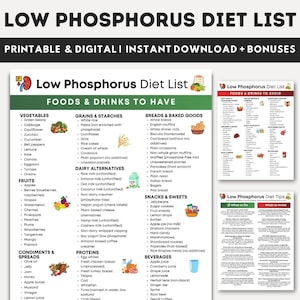
Credit: www.etsy.com
Why Limit Phosphorus?
Phosphorus is a vital mineral for the body. It helps build strong bones and teeth. It also supports muscles and nerves. But too much phosphorus can harm health. Limiting phosphorus intake is crucial for certain conditions. Understanding why helps make better diet choices.
Phosphorus And Kidney Health
The kidneys filter excess phosphorus from the blood. When kidneys are weak, they cannot remove it well. This causes phosphorus to build up in the body. High phosphorus levels strain the kidneys more. It can speed up kidney damage. Controlling phosphorus reduces this burden. It helps keep kidneys working longer.
Risks Of High Phosphorus Levels
- Weakens bones by pulling calcium from them
- Causes itchy skin and muscle cramps
- Leads to hardened arteries and heart problems
- Increases risk of bone fractures
- May cause calcium deposits in soft tissues
High phosphorus causes serious health issues. Lowering phosphorus intake helps avoid these risks. It supports overall well-being and protects vital organs.
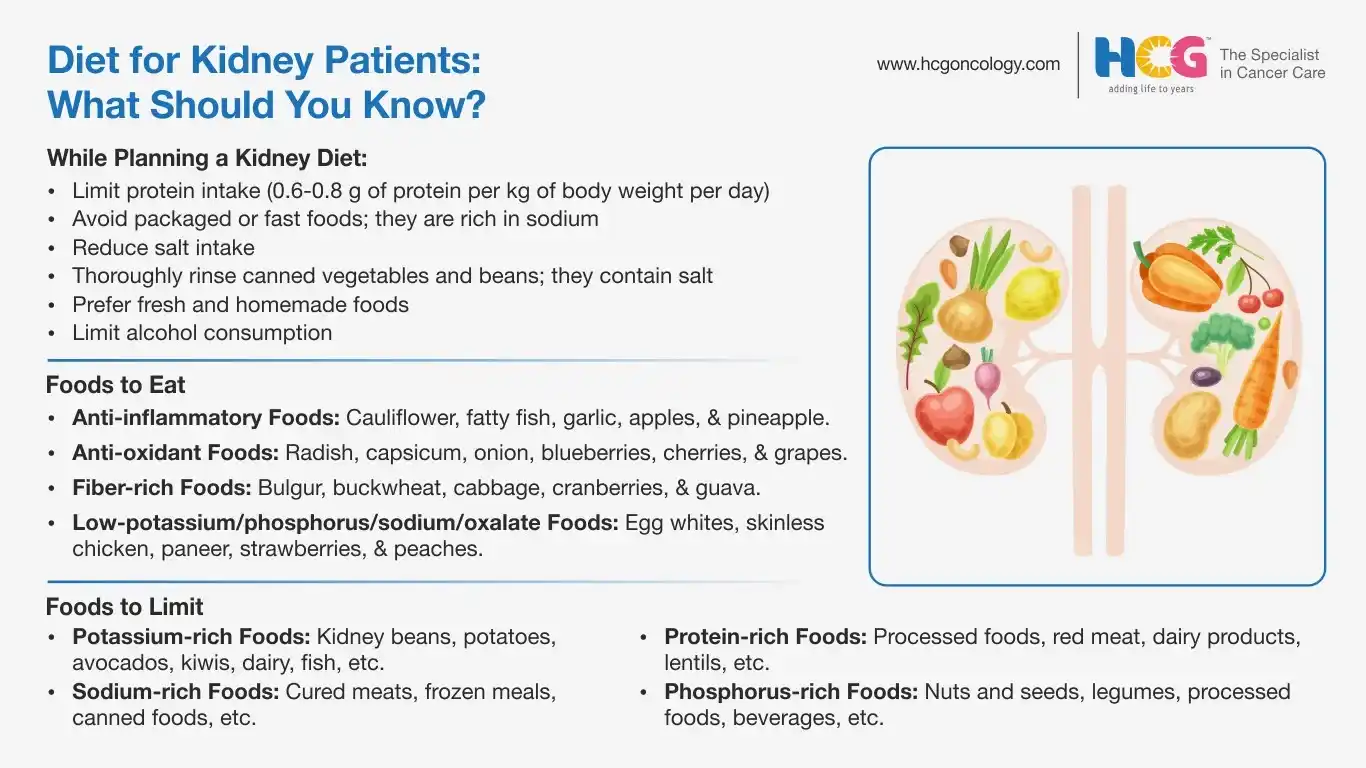
Credit: www.hcgoncology.com
Foods To Avoid
Managing a low phosphorus diet means paying close attention to what you eat. Certain foods can quickly raise your phosphorus levels and cause problems for your kidneys or overall health. Knowing which foods to avoid can help you stay on track and feel better every day.
High-phosphorus Animal Products
Animal products tend to have high phosphorus content, especially organ meats like liver and kidney. Regular cuts of beef, pork, and poultry also pack a lot of phosphorus. If you enjoy meat, consider limiting your portions or choosing leaner, lower-phosphorus options like egg whites.
Have you ever noticed how a single steak can leave you feeling sluggish afterward? That might be your body reacting to the high phosphorus load. Reducing these foods can lighten the strain on your kidneys.
Processed Foods And Additives
Processed foods often hide phosphorus additives, which your body absorbs easily. Items such as fast food, canned soups, deli meats, and packaged snacks usually contain these additives. Reading labels carefully can save you from unknowingly increasing your phosphorus intake.
Many people underestimate how much phosphorus is in their favorite convenience foods. Could cutting back on processed snacks improve your energy levels? It’s worth trying.
Dairy And Nuts
Dairy products like cheese, milk, and yogurt are high in phosphorus. Similarly, nuts and seeds, although healthy in other ways, are also rich in this mineral. Opt for alternatives like rice milk or small amounts of certain fruits to keep your diet balanced without overloading on phosphorus.
What if swapping your morning yogurt for a fresh fruit bowl could help control your phosphorus? Small changes like this can make a big difference over time.
Kidney-friendly Food Choices
Choosing the right foods is crucial for managing phosphorus levels and supporting kidney health. Your diet can either ease the workload on your kidneys or make things more difficult. Understanding which foods are kidney-friendly helps you stay healthy and enjoy your meals without worry.
Low-phosphorus Vegetables
Vegetables play a big role in a kidney-friendly diet, but not all are low in phosphorus. You want to focus on options like cucumbers, bell peppers, and zucchini. These veggies provide essential nutrients without adding too much phosphorus.
Leafy greens like kale and spinach are tasty but contain higher phosphorus, so eat them sparingly. Try steaming or roasting your veggies to keep meals interesting. Have you noticed how a simple change in cooking can make your favorite veggies more enjoyable?
Safe Protein Sources
Protein is important, but some sources are high in phosphorus, which can stress your kidneys. Choose eggs, chicken breast, or fish like cod and tilapia, which are lower in phosphorus compared to red meats. Plant-based proteins like tofu can also be a good choice, but check the phosphorus content.
Remember, portion size matters. Even safe proteins can add up if you eat too much. How do you balance getting enough protein without overloading your kidneys?
Whole Grains And Alternatives
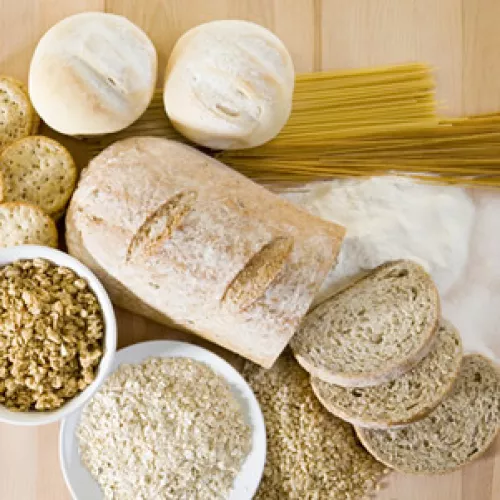
Whole grains are often healthy, but many are high in phosphorus. Opt for grains like white rice or refined pasta as safer choices. Quinoa and barley are nutritious but contain more phosphorus, so eat them in moderation.
Alternatives like couscous or cornmeal can diversify your meals while keeping phosphorus levels in check. Have you tried swapping your regular grains for these options to see how your meals change?
Credit: www.kidneyfund.org
Meal Planning Tips
Planning meals on a low phosphorus diet requires more than just avoiding certain foods. You need to carefully balance your meals to keep your phosphorus levels in check while still enjoying a variety of flavors and nutrients. Thoughtful meal planning helps you stay healthy and satisfied without feeling restricted.
Balancing Nutrients
When you focus on a low phosphorus diet, it’s essential to balance other nutrients like protein, calcium, and potassium. Too much protein from high-phosphorus sources can raise your phosphorus levels. Instead, choose lean meats, egg whites, and certain grains that are lower in phosphorus but still provide energy and muscle support.
Also, adding fresh fruits and vegetables helps fill your plate with vitamins and fiber. Have you noticed how some foods naturally have lower phosphorus but high nutritional value? Experiment with foods like apples, berries, green beans, and cauliflower to keep your meals interesting and healthy.
Reading Food Labels
Food labels are your best friend when managing phosphorus intake. Look for ingredients like “phosphate,” “phosphoric acid,” or “polyphosphates,” which indicate added phosphorus. These additives can significantly increase phosphorus content, even in foods you wouldn’t expect.
Check the nutrition facts for phosphorus content if available. Many packaged foods don’t list phosphorus explicitly, so knowing the hidden names of additives becomes crucial. Have you ever been surprised by the phosphorus level in a processed snack? Reading labels closely helps you avoid such pitfalls.
Portion Control
Even foods low in phosphorus can add up if you eat large portions. Controlling how much you eat at each meal helps keep your overall intake within safe limits. Using smaller plates or measuring cups can make portion control easier and more accurate.
Try to divide your meals into balanced servings rather than large helpings of one item. For example, instead of a big bowl of cheese pasta, have a smaller portion with a side of steamed vegetables. What small changes in portion size could make your meals both satisfying and phosphorus-friendly?
Cooking Techniques To Reduce Phosphorus
Reducing phosphorus in meals is key for a low phosphorus diet. Cooking methods can lower phosphorus content in foods. These techniques help protect kidney health and control phosphorus levels.
Proper preparation and cooking choices make a difference. Simple changes can reduce phosphorus without losing flavor. Understanding these ways helps you enjoy safe, tasty meals.
Soaking And Boiling Methods
Soaking foods like beans and grains helps reduce phosphorus. Use cold water and soak for several hours or overnight. Drain and rinse well before cooking.
Boiling foods in plenty of water also lowers phosphorus. Use more water than usual and boil for 10-15 minutes. Drain the water to remove released phosphorus.
These methods work well for legumes, rice, and pasta. They reduce phosphorus by leaching it into the water.
Avoiding Phosphorus-rich Ingredients
Choose fresh fruits and vegetables instead of processed foods. Processed foods often contain added phosphorus compounds.
Limit dairy products like cheese and milk. These have high natural phosphorus levels.
Check labels for additives such as phosphate salts. These increase phosphorus content significantly.
Use herbs and spices for flavor instead of phosphorus-rich sauces. This keeps meals tasty and safe for your diet.
Monitoring And Adjusting Your Diet
Monitoring and adjusting your low phosphorus diet is key to keeping your health on track. Your body’s needs and responses can change, so regular check-ins with your diet and habits help you stay within safe limits. It’s not just about restricting foods but understanding how much phosphorus you consume daily and making smart choices.
Tracking Phosphorus Intake
Keeping a daily log of what you eat can reveal hidden sources of phosphorus you might overlook. Many processed foods and beverages contain added phosphorus, which can quickly add up. Using a food diary or an app to track meals helps you see patterns and adjust portions.
Pay special attention to food labels. Ingredients like “phosphate,” “phosphoric acid,” or “pyrophosphate” indicate added phosphorus. Have you ever checked your favorite snacks for these? You might be surprised.
- Write down each meal and snack, noting estimated phosphorus content.
- Use online databases or apps designed for kidney-friendly diets.
- Review your logs weekly to spot trends or problem foods.
Working With Healthcare Providers
Your doctor or dietitian can provide personalized advice based on your blood tests and overall health. They help fine-tune your diet, balancing phosphorus limits with other nutrients your body needs. Regular lab work will show how well your diet is working.
Don’t hesitate to ask questions about supplements or new foods you want to try. Your healthcare team can suggest safer options or alternatives. Have you shared your food diary with your provider yet? It can be a powerful tool for better guidance.
Remember, managing phosphorus isn’t just about restriction—it’s about finding a sustainable way to nourish your body. Partnering with professionals ensures you don’t miss out on essential nutrients while protecting your kidneys.
Supplements And Medications
Managing phosphorus levels through diet alone can be challenging. Supplements and medications play a key role in controlling phosphorus in the blood. They help protect your bones and keep your body balanced. Understanding these options is important for anyone on a low phosphorus diet.
Phosphate Binders
Phosphate binders are medicines that reduce phosphorus absorption. They work by binding to phosphorus in the stomach. This prevents phosphorus from entering the bloodstream. These binders are taken with meals to be effective.
Common phosphate binders include:
- Calcium-based binders
- Sevelamer
- Lanthanum carbonate
Doctors choose binders based on your health needs. These medications help avoid complications from high phosphorus levels.
Vitamin D And Calcium
Vitamin D helps your body absorb calcium. Calcium is essential for strong bones and teeth. Both nutrients are vital for people on a low phosphorus diet.
Sometimes, vitamin D supplements are needed to maintain bone health. Calcium supplements may also be prescribed, but with care. Too much calcium can cause other health issues.
Your healthcare provider monitors vitamin D and calcium levels closely. This ensures your body stays balanced while managing phosphorus intake.
Frequently Asked Questions
What Is A Low Phosphorus Diet?
A low phosphorus diet restricts foods high in phosphorus. It’s essential for individuals with kidney issues to manage phosphorus levels. Foods like dairy, nuts, and certain meats are limited. This diet helps prevent complications related to high phosphorus levels, such as bone and heart problems.
Why Is Phosphorus Harmful To Kidneys?
Excess phosphorus can damage kidneys by causing calcium imbalance. This imbalance leads to weakened bones and calcification in tissues. For those with kidney problems, managing phosphorus intake is crucial. A low phosphorus diet helps in maintaining optimal kidney function and overall health.
How Do I Start A Low Phosphorus Diet?
Begin by identifying foods high in phosphorus. Limit dairy, nuts, seeds, and processed meats. Focus on fresh fruits, vegetables, and lean proteins. Consulting a dietitian can provide personalized guidance. They can help create a balanced meal plan suitable for your specific health needs.
Can I Eat Meat On A Low Phosphorus Diet?
Yes, you can eat meat, but choose lean options. Avoid processed meats high in phosphorus. Focus on chicken, turkey, or lean beef in moderation. It’s important to balance protein intake while managing phosphorus levels. Consulting a dietitian can help tailor your diet effectively.
Conclusion
A low phosphorus diet helps protect your kidneys and bones. Choose foods low in phosphorus like fruits and vegetables. Avoid processed foods and limit dairy products. Reading food labels can guide your choices. Small changes in diet make a big difference.
Stay consistent and listen to your body’s needs. Talk to your doctor or dietitian for support. Healthy eating supports your overall well-being every day. Keep it simple and take one step at a time. Your health matters, and good food habits help.







