
Are you curious about how to balance your meals while following a ketogenic diet? Understanding the food pyramid for a ketogenic lifestyle can help you make smarter choices without feeling overwhelmed.
Imagine having a simple guide that shows you exactly what to eat and what to avoid to stay in ketosis and feel energized every day. You’ll discover how to build your perfect keto plate, avoid common mistakes, and enjoy delicious meals that support your health goals.
Keep reading to unlock the secrets of the food pyramid ketogenic diet and transform your eating habits for good.
Credit: www.etsy.com
Basics Of The Ketogenic Diet
The ketogenic diet changes how your body uses energy. It focuses on eating fats, reducing carbs, and moderate protein. This shift helps your body enter ketosis, a unique metabolic state. Understanding the basics helps you follow the food pyramid ketogenic diet effectively.
What Is Ketosis?
Ketosis happens when your body burns fat for fuel instead of carbohydrates. Normally, your body uses glucose from carbs. Without enough carbs, the liver makes ketones from fat. These ketones become the main energy source. Ketosis helps reduce hunger and supports weight loss.
Key Macronutrients
The ketogenic diet balances three main nutrients:
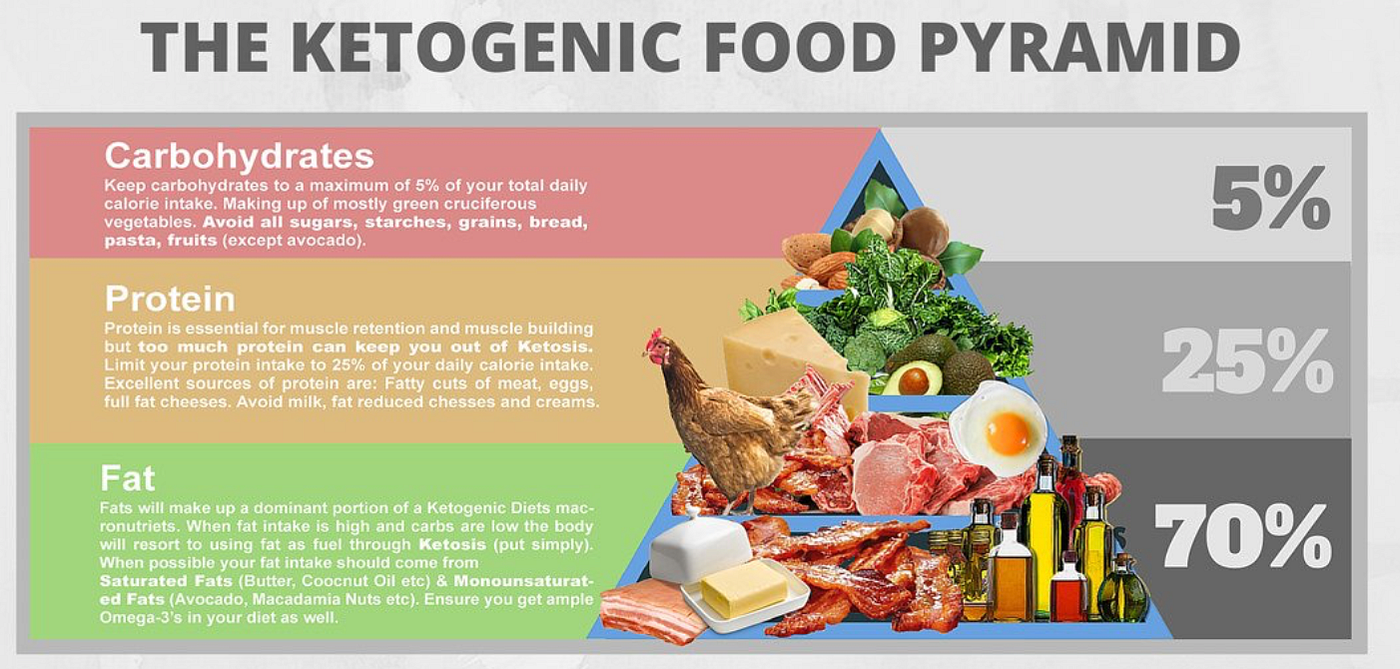
- Fats:70-75% of daily calories. Sources include oils, butter, nuts, and avocados.
- Proteins:20-25% of daily calories. Found in meat, fish, and eggs.
- Carbohydrates:5-10% of daily calories. Mostly from leafy greens and low-carb vegetables.
This balance helps maintain ketosis and provides enough energy.
Benefits Of Ketogenic Eating
Ketogenic eating supports weight loss by burning fat efficiently. It can improve mental focus and energy levels. Many experience fewer hunger cravings. It may also help balance blood sugar levels. The diet supports heart health by improving cholesterol and triglycerides.

Credit: www.freepik.com
Food Pyramid Structure For Keto
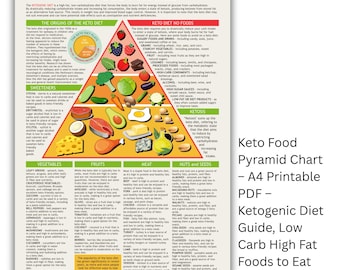
The Food Pyramid Structure for Keto offers a simple guide for daily eating. It shows which foods to eat most and which to limit. This pyramid helps keep the body in ketosis, burning fat for energy instead of carbs.
The pyramid has three main layers. Each layer focuses on specific food groups that fit the keto diet. Understanding these layers makes following keto easier and more effective.
Base Layer: Healthy Fats
The base layer is the largest part of the pyramid. Healthy fats are the main energy source on keto. They keep you full and support brain health.
- Avocado and avocado oil
- Olive oil and coconut oil
- Butter and ghee
- Nuts like almonds and walnuts
- Fatty fish such as salmon and mackerel
Middle Layer: Proteins
Proteins build and repair the body. The middle layer includes moderate protein intake. Too much protein can turn into sugar, so balance is key.
- Eggs
- Chicken and turkey
- Beef and pork
- Seafood like shrimp and tuna
- Cheese and full-fat dairy
Top Layer: Low-carb Vegetables
Vegetables in the top layer provide vitamins and fiber. Choose low-carb veggies to avoid breaking ketosis. These add color and nutrients to meals.
- Leafy greens like spinach and kale
- Broccoli and cauliflower
- Zucchini and cucumber
- Asparagus and bell peppers
Foods To Avoid
Certain foods can stop ketosis and cause weight gain. Avoid high-carb and sugary foods on keto. These are off the pyramid.
- Bread, pasta, and rice
- Sweets and sugary drinks
- Potatoes and corn
- Most fruits except berries
- Processed snacks and fast food
Fat Sources To Boost Ketosis
Fat plays a vital role in the ketogenic diet. It fuels the body and helps maintain ketosis, a state where fat burns for energy instead of carbs. Choosing the right fat sources supports energy levels and health. Focus on healthy fats that boost ketosis effectively.
Monounsaturated Fats
Monounsaturated fats are heart-healthy and support stable energy. They help reduce bad cholesterol and promote good cholesterol. Common sources include:
- Olive oil
- Avocados
- Nuts like almonds and macadamia
- Peanut butter
These fats are easy to digest and keep you full longer. They fit well in salads, cooking, and snacks.
Saturated Fats
Saturated fats provide a steady energy supply and support hormone production. Choose clean sources such as:
- Coconut oil
- Butter
- Ghee
- Fatty cuts of grass-fed meat
These fats raise good cholesterol and improve brain function. Use them in cooking or add to coffee for a rich texture.
Omega-3 Fatty Acids
Omega-3 fats reduce inflammation and improve heart health. They balance omega-6 fats often found in processed foods. Include:
- Fatty fish like salmon, mackerel, and sardines
- Chia seeds
- Flaxseeds
- Walnuts
These fats support brain health and can improve mood. Eat them regularly to enhance overall wellness on keto.
Credit: plantbasedhealthprofessionals.com
Protein Choices On Keto
Choosing the right proteins on a ketogenic diet is more than just meeting your macros. The quality and source of protein can affect how you feel, your muscle health, and even your keto success. Let’s break down your options and how much you should aim for.
Animal-based Proteins
Animal proteins are a staple on keto because they contain all essential amino acids your body needs. Think of meats like beef, pork, chicken, and fatty fish such as salmon or mackerel. Eggs and dairy products like cheese and Greek yogurt also fit perfectly into your keto plate.
These sources are rich in nutrients like B vitamins, iron, and omega-3s, especially from grass-fed or wild-caught options. If you’ve ever felt sluggish on keto, switching to higher quality animal proteins might be the boost you need. Have you noticed a difference when choosing wild-caught fish over farmed?
Plant-based Options
Plant proteins can be trickier on keto due to their carb content but are still worth including if you want variety or follow a vegetarian keto. Good choices include tofu, tempeh, and seitan, which offer high protein with minimal carbs.
Other options like hemp seeds, chia seeds, and nuts provide protein along with healthy fats. Just watch portion sizes, as carbs can add up quickly here. Ever tried blending hemp seeds into your morning smoothie? It’s a simple way to sneak in extra protein without the carbs.
Protein Intake Guidelines
Your protein needs on keto depend on your activity level and goals. A general rule is to aim for about 0.6 to 1.0 grams of protein per pound of lean body mass daily. Eating too much protein can kick you out of ketosis, while too little may cause muscle loss.
Tracking your intake with a food app can help you stay within the ideal range. Have you experimented with adjusting your protein to see how it affects your energy or weight?
Low-carb Vegetables And Their Role
Low-carb vegetables play a crucial role in the Food Pyramid Ketogenic Diet, providing essential nutrients while keeping your carb intake in check. They help you stay full and energized without kicking you out of ketosis. Choosing the right vegetables can make your keto journey easier and more enjoyable.
Leafy Greens
Leafy greens like spinach, kale, and Swiss chard are keto favorites. They are very low in carbs but packed with vitamins A, C, and K. These greens add volume to your meals, helping you feel satisfied without extra carbs.
Try adding fresh spinach to your morning omelet or sauté kale with garlic for a quick side dish. Have you noticed how leafy greens can brighten up a meal and boost your energy?
Cruciferous Vegetables
Broccoli, cauliflower, and Brussels sprouts belong to the cruciferous family, known for their health benefits and low carb content. These veggies offer fiber, antioxidants, and a satisfying crunch that works well in many keto recipes.
Roast cauliflower with olive oil or steam broccoli as a side to your favorite protein. Do you find that these vegetables help keep your meals interesting and prevent keto boredom?
Other Keto-friendly Veggies
Beyond greens and cruciferous types, vegetables like zucchini, asparagus, and bell peppers fit well into a keto diet. They provide variety, color, and texture while keeping carbs low.
Zucchini noodles can replace pasta, and grilled asparagus pairs perfectly with steak. What creative ways can you find to add these veggies to your meals?
Common Mistakes In Keto Food Planning
Planning food on a ketogenic diet can be tricky. Many beginners make simple mistakes that slow progress or cause frustration. Avoiding common pitfalls helps maintain ketosis and supports weight loss. Understanding these errors improves your keto experience and health.
Overeating Protein
Eating too much protein can stop ketosis. The body changes excess protein into glucose. This process raises blood sugar and lowers ketone levels. Keep protein moderate, not high. Focus on fat as the main energy source. Choose protein portions based on your weight and activity.
Ignoring Hidden Carbs
Many foods contain hidden carbs that add up quickly. Sauces, dressings, and processed snacks often have sugars or starches. These carbs can break ketosis without warning. Always check labels carefully. Track all carbs, not just obvious ones like bread or pasta.
Neglecting Electrolytes
Electrolytes keep your body balanced on keto. Sodium, potassium, and magnesium are crucial. Low electrolytes cause headaches, cramps, and tiredness. Drink salted water or eat mineral-rich foods. Supplements also help maintain proper electrolyte levels.
Tips For Staying In Fat-burning Mode
Staying in fat-burning mode is key to success on the Food Pyramid Ketogenic Diet. It helps your body use fat as its main energy source. This keeps energy steady and supports weight loss goals. Simple habits can help maintain this state every day.
Meal Timing Strategies
Eating at regular times helps your metabolism stay active. Avoid long gaps between meals to prevent hunger spikes. Focus on meals rich in healthy fats and moderate protein. This balance keeps insulin low and fat burning high. Try to eat within a consistent time window daily. This trains your body to burn fat more efficiently.
Hydration And Electrolyte Balance
Water supports all body functions, especially fat burning. Drink plenty of water throughout the day. Electrolytes like sodium, potassium, and magnesium keep your muscles and nerves working well. Low carb diets can cause electrolyte loss, so replenish them regularly. Use natural sources such as leafy greens, nuts, and salt. Staying hydrated and balanced prevents fatigue and supports metabolism.
Incorporating Intermittent Fasting
Intermittent fasting complements the ketogenic diet well. It extends the period when your body burns fat for fuel. Start with short fasting windows, like 12 hours overnight. Gradually increase fasting time as your body adapts. Fasting helps reduce insulin levels and improve fat burning. Combine fasting with nutrient-dense meals for best results.
Sample Food Pyramid Meal Plan
Creating a meal plan based on the Food Pyramid Ketogenic Diet can simplify your journey to better health. It balances fats, proteins, and low-carb vegetables to keep you energized and satisfied. Here’s a practical look at what your daily meals might include, helping you stay on track without feeling deprived.
Breakfast Ideas
Start your day with meals rich in healthy fats and moderate protein. Think about eggs cooked in butter or olive oil paired with avocado slices. You can also enjoy a creamy bulletproof coffee or full-fat Greek yogurt topped with a handful of nuts and seeds.
Do you find traditional breakfasts leave you hungry quickly? Adding fat slows digestion and keeps you full longer, making it easier to skip snacking before lunch.
Lunch And Dinner Options
Focus on fatty cuts of meat like salmon, chicken thighs, or ribeye steak along with plenty of leafy greens and low-carb veggies like zucchini or cauliflower. Roasting vegetables in olive oil or butter boosts flavor and fat content.
Try mixing a fresh spinach salad with olive oil dressing and grilled chicken for lunch. Dinner could be a creamy mushroom sauce over sautéed pork chops with steamed broccoli. These meals are simple but packed with nutrients that support ketosis.
Snacks And Treats
Keeping keto-friendly snacks handy prevents you from reaching for carbs when hunger strikes. Cheese cubes, pepperoni slices, and boiled eggs are quick options. Nuts like macadamias or walnuts add crunch and healthy fats.
If you crave something sweet, try dark chocolate with at least 85% cocoa or homemade fat bombs made from coconut oil and nut butter. These treats satisfy your sweet tooth without kicking you out of ketosis.
Frequently Asked Questions
What Is The Food Pyramid For A Ketogenic Diet?
The ketogenic food pyramid prioritizes high-fat, moderate-protein, and low-carb foods. It emphasizes healthy fats like avocados and nuts. Vegetables are low-carb and included moderately. Carbohydrates like grains and sugars are at the bottom, to be avoided or minimized for ketosis.
How Does The Keto Food Pyramid Differ From Traditional Ones?
The keto pyramid flips carbs to the base’s smallest section. Instead of grains and fruits, fats form the pyramid’s base. Protein is moderate, not high. This shift supports ketosis by reducing carb intake and increasing fat consumption for energy.
Which Foods Form The Base Of The Keto Pyramid?
Healthy fats such as olive oil, butter, coconut oil, and avocado form the base. These provide essential energy in a ketogenic diet. Low-carb vegetables come next, followed by moderate protein sources like meat, fish, and eggs.
Can Fruits Be Included In The Ketogenic Food Pyramid?
Only low-carb fruits like berries fit in the keto pyramid. Most fruits are high in sugars and can disrupt ketosis. Berries offer fiber and antioxidants while keeping carb intake low, making them keto-friendly in small amounts.
Conclusion
The food pyramid for the ketogenic diet guides healthy eating choices. It focuses on fats, moderate proteins, and low carbs. This balance helps the body burn fat for energy. Following this pyramid supports weight loss and better health. Choosing the right foods makes keto easier and more effective.
Remember, consistency is key to seeing good results. Simple changes lead to long-term benefits. Start small and build healthy habits each day. The ketogenic food pyramid offers a clear path to better nutrition.







