
Are you tired of diets that leave you hungry and frustrated? What if you could eat in a way that actually helps you beat your diet, instead of breaking it?
Imagine enjoying your meals while still reaching your health goals. This isn’t about strict rules or giving up your favorite foods. It’s about smart choices that work with your body, not against it. Keep reading to discover how you can turn eating into your secret weapon for success.
Your diet doesn’t have to be a battle—you can win it with every bite.

Credit: books.apple.com
Smart Eating Principles
Smart eating principles guide your food choices to support a healthy diet. They help you eat in a way that fuels your body and controls weight. Small changes make a big difference over time. Focus on what you eat, how much, and how it affects your body.
Choosing Nutrient-dense Foods
Pick foods rich in vitamins, minerals, and fiber. Vegetables, fruits, whole grains, lean proteins, and nuts provide essential nutrients. Avoid empty calories from sugary drinks and processed snacks. Nutrient-dense foods keep you full longer and improve energy levels.
Balancing Macronutrients
Your body needs carbohydrates, proteins, and fats to function well. Each macronutrient plays a unique role. Carbs give quick energy, proteins repair tissues, and fats support cell health. Aim for a balanced plate with all three in moderate amounts. This balance helps manage hunger and boosts metabolism.
Portion Control Techniques
Portion control prevents overeating and supports weight management. Use smaller plates to limit serving sizes naturally. Fill half your plate with vegetables, a quarter with protein, and a quarter with grains. Pay attention to hunger signals and stop eating when you feel satisfied. Avoid eating straight from packages to control intake better.
Foods That Boost Metabolism
Boosting your metabolism helps burn calories faster and supports weight management. Certain foods naturally increase your body’s calorie-burning rate. Including these in your meals can aid digestion and energy use.
Spices And Herbs
Spices and herbs add flavor and stimulate metabolism. They increase heat production in the body, which burns more calories.
- Chili peppers:Contain capsaicin, which boosts calorie burn.
- Ginger:Helps digestion and slightly raises body temperature.
- Cinnamon:Regulates blood sugar and supports metabolism.
- Turmeric:Contains curcumin, which may improve fat metabolism.
Protein-packed Options
Protein requires more energy to digest than fats or carbs. Eating protein-rich foods increases your metabolism for several hours.
- Lean meats like chicken and turkey
- Eggs, a great source of complete protein
- Greek yogurt and cottage cheese
- Beans and lentils for plant-based protein
Fiber-rich Choices
Fiber slows digestion and keeps you full longer. It improves gut health, which may help maintain a healthy metabolism.
- Whole grains such as oats and brown rice
- Fresh vegetables like broccoli and carrots
- Fruits including apples and berries
- Nuts and seeds for added fiber and healthy fats
Meal Timing Strategies
Meal timing plays a key role in managing weight and improving health. Eating at the right times helps control hunger and energy levels. It supports metabolism and can reduce overeating. Using meal timing strategies can help you eat better without feeling deprived.
Benefits Of Intermittent Fasting
Intermittent fasting limits the hours you eat in a day. This can help reduce calorie intake naturally. It also gives your body time to burn stored fat. Many people find it easier to stick with than strict diets.
Fasting may improve insulin sensitivity and lower inflammation. It can boost brain function and support cell repair. Choose a fasting window that fits your lifestyle for best results.
Optimizing Breakfast And Dinner
Eating a balanced breakfast jumpstarts your metabolism. Include protein, healthy fats, and fiber to stay full longer. Avoid sugary cereals and pastries that cause energy crashes.
Dinner should be lighter but satisfying. Focus on vegetables, lean protein, and whole grains. Eating dinner earlier helps improve digestion and sleep quality.
Snacking Smartly
Healthy snacks keep energy steady and prevent overeating later. Choose snacks with protein and fiber to feel full. Examples include nuts, yogurt, and fresh fruit.
Avoid processed snacks high in sugar and unhealthy fats. Plan snack times to avoid mindless eating. Small, planned snacks help maintain good blood sugar levels.
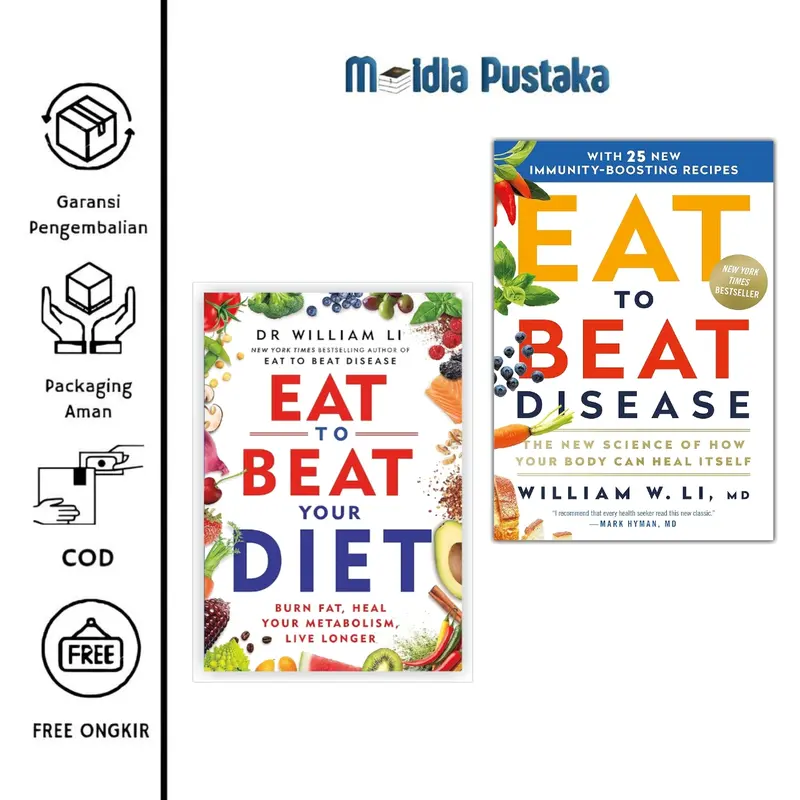
Credit: shop-id.tokopedia.com
Hydration And Its Role
Hydration plays a key role in managing your diet and overall health. Drinking enough fluids supports body functions and helps control hunger. Proper hydration can improve how your body burns calories and processes nutrients.
Water Intake Guidelines
Adults should aim to drink about 8 glasses of water daily. This equals roughly 2 liters or half a gallon. Drinking water before meals can help reduce overeating. Adjust your water intake if you exercise or live in a hot climate.
Hydrating Foods
Many fruits and vegetables contain high water content. These foods help keep you hydrated and provide vitamins. Examples include:
- Cucumbers
- Watermelon
- Oranges
- Strawberries
- Celery
Eating these foods adds extra hydration without extra calories.
Effects On Digestion And Energy
Water aids digestion by helping break down food. It prevents constipation and promotes regular bowel movements. Proper hydration also supports energy levels. Dehydration can cause tiredness and reduce focus. Drinking enough water keeps your body active and alert throughout the day.
Mindful Eating Habits
Mindful eating habits can transform how you relate to food and your body. Paying close attention to your eating experience helps you make smarter choices and enjoy your meals more fully. It’s about tuning into your body’s signals rather than rushing through meals or eating on autopilot.
Recognizing Hunger Cues
Learning to recognize true hunger is key to avoiding overeating. Ask yourself if you feel physical hunger or if you’re eating out of boredom, stress, or habit. Genuine hunger builds gradually and can be satisfied with a reasonable portion, while emotional eating often feels urgent and overwhelming.
Try pausing before you eat to check in with your body. Are you really hungry, or just craving something? This simple habit can prevent mindless snacking and help you eat only what you need.
Eating Without Distractions
Eating while watching TV, scrolling on your phone, or working can disconnect you from the eating experience. This often leads to eating more than you intended because your brain isn’t fully registering the food.
Turn off screens and focus on your meal. Notice the colors, textures, and flavors of each bite. This practice not only enhances your enjoyment but also helps your brain signal fullness more effectively.
Slowing Down To Improve Digestion
How fast do you usually eat? Rushing through meals can cause indigestion and prevent you from feeling satisfied. Taking your time allows your digestive system to work better and your brain to catch up with your stomach.
Try putting your fork down between bites or chewing each bite thoroughly. You might be surprised how much more satisfying your meals become—and how much less you need to feel full.
Overcoming Common Challenges
Sticking to a healthy eating plan isn’t always easy. You’ll face cravings, social meals, and days packed with commitments. Understanding how to handle these challenges can keep your diet on track without feeling like a burden.
Dealing With Cravings
Cravings often hit when you least expect them. Instead of fighting them head-on, try to identify what your body really needs. Sometimes, a glass of water or a short walk can reduce the urge.
If you want a sweet or salty treat, choose a healthier version. Dark chocolate or air-popped popcorn can satisfy without derailing your progress. Have these alternatives ready so you don’t reach for processed snacks.
Ask yourself: Is this craving about hunger or just boredom? Recognizing the difference helps you respond better. You don’t have to give in, but you also don’t have to feel deprived.
Eating Out Wisely
Dining out can feel like a minefield for your diet. Plan ahead by checking the menu online. Pick dishes that include vegetables, lean proteins, and whole grains.
Don’t hesitate to customize your order. Request sauces on the side or swap fries for a salad. This small step can make a big difference.
Sharing a dish or saving half for later helps control portions. You don’t have to miss out on social fun to eat well. What’s one smart swap you can make at your next restaurant visit?
Staying Consistent On Busy Days
Busy days can disrupt even the best eating plans. Prepare meals or snacks in advance to avoid grabbing fast food. Keep simple options like nuts, fruit, or yogurt within reach.
Set reminders to eat at regular times. Skipping meals often leads to overeating later. Even a quick, balanced snack can keep your energy steady and cravings low.
Think about how you can adjust your routine to fit your goals. Could you wake up 10 minutes earlier to prep breakfast? Small changes add up to big results over time.
Tracking Progress And Adjustments
Tracking your progress is a key part of the Eat to Beat Your Diet approach. It helps you understand how your body reacts to different foods and meals. Careful monitoring allows you to make smart changes that fit your lifestyle and goals. Progress tracking keeps you aware and motivated on your journey.
Using Food Journals
Food journals record everything you eat and drink each day. Writing down your meals helps spot patterns and triggers. Note portion sizes, timing, and how you feel after eating. This habit builds awareness of your choices and habits.
Food journals can be simple notebooks or digital apps. Choose one that feels easy to use daily. Consistency is more important than detail. Look back weekly to see progress and challenges.
Monitoring Energy And Mood
Your energy levels and mood say a lot about your diet. Track how you feel before and after meals. Notice times of high energy and moments of fatigue.
Good nutrition supports steady energy and balanced mood. Mark any mood swings or crashes. This helps understand how food impacts your body and mind. Adjust meals to improve overall well-being.
Adapting The Plan Over Time
Eat to Beat Your Diet is flexible and personal. Adjust your food choices based on progress and feelings. Change portion sizes, meal timing, or ingredients as needed.
Body needs and goals can shift. Stay open to tweaking your plan. Small changes help keep the diet sustainable and effective. Tracking guides these adjustments clearly and confidently.

Credit: www.plusbog.dk
Frequently Asked Questions
What Foods Help Beat Diet Cravings?
Consuming high-fiber foods like vegetables and whole grains can curb cravings. They keep you full longer. Protein-rich foods such as lean meats and legumes also help. They stabilize blood sugar levels. Staying hydrated with water can reduce hunger pangs. Incorporating healthy fats like avocados can increase satiety.
Can I Eat Carbs And Still Lose Weight?
Yes, you can eat carbs and lose weight. Focus on complex carbohydrates like whole grains and legumes. They provide sustained energy and help control appetite. Avoid refined carbs and sugars which can cause weight gain. Portion control and balanced meals are essential for weight loss success.
How Does Mindful Eating Help Weight Loss?
Mindful eating promotes weight loss by encouraging awareness of hunger and fullness cues. It reduces overeating. Paying attention to meal satisfaction helps prevent emotional eating. It enhances the enjoyment of food, leading to better portion control. This practice fosters a healthier relationship with food.
Are Cheat Meals Beneficial For Dieting?
Cheat meals can be beneficial when planned correctly. They provide a mental break and prevent diet burnout. They can boost metabolism when used occasionally. However, moderation is key to avoid derailing progress. Ensure cheat meals are balanced and don’t lead to binge eating.
Conclusion
Eating smart helps you stay healthy and reach your goals. Choose foods that give energy and keep you full longer. Small changes in your diet can make a big difference. Enjoy balanced meals with fruits, vegetables, and proteins every day.
Remember, it is about what you eat, not just how much. Stay consistent and listen to your body’s needs. Your diet can support your lifestyle and make you feel better. Simple steps lead to lasting results. Keep eating well and trust the process.







