
Have you ever wondered what fuels the incredible energy of the Trichonephila Clavata, also known as the golden orb-weaver spider? Understanding its diet can unlock fascinating insights into how this spider thrives and builds its stunning webs.
Whether you’re curious about nature, a spider enthusiast, or simply want to know what keeps this beautiful creature alive, this guide will reveal everything you need to know about the Trichonephila Clavata’s eating habits. Stay with us, and discover the surprising details behind its diet that might just change the way you see spiders forever.
Habitat And Hunting Grounds
The habitat and hunting grounds of Trichonephila clavataplay a crucial role in its survival and diet. This spider thrives in environments that offer both shelter and abundant prey. Its choice of habitat directly influences its hunting success and web-building strategy.
Natural Environment
Trichonephila clavataprefers warm, humid areas with plenty of vegetation. It often lives in forests, gardens, and rural places. These environments provide a steady supply of insects for food. The spider benefits from trees and shrubs to anchor its webs securely. It adapts well to regions with seasonal changes, finding safe spots during colder months.
Preferred Web Locations
This spider builds large, strong webs in open spaces between trees and bushes. It selects spots where flying insects frequently pass. Webs often appear near light sources that attract prey at night. The spider places its web at a height that catches insects in flight. These locations help Trichonephila clavatamaximize its chances of capturing food efficiently.

Credit: resjournals.onlinelibrary.wiley.com
Prey Selection
Trichonephila clavata, also known as the golden orb-weaver spider, chooses its prey carefully. Its diet varies based on what insects get caught in its large, sticky web. This spider shows a smart selection to get enough nutrition for growth and reproduction.
Common Insects
The spider mostly feeds on small to medium-sized insects. These include:
- Flies
- Mosquitoes
- Beetles
- Small moths
- Ants
These insects are easy to catch and make up most of the spider’s daily diet. The web’s golden silk attracts insects by reflecting light, increasing the chance of catching prey.
Occasional Larger Prey
Sometimes, the spider captures bigger insects or even small birds and bats. These larger prey provide more energy but are harder to subdue. The spider uses strong silk and quick venom to immobilize such targets.
Large prey is not common but plays a vital role in the spider’s diet during scarce times. It helps the spider survive longer without frequent meals.
Web Construction And Its Role In Feeding
The web of Trichonephila clavatais not just a home but a finely tuned tool for catching food. Its construction plays a crucial role in how this spider secures its meals. Understanding this web helps you appreciate the spider’s patience and precision in feeding.
Web Structure
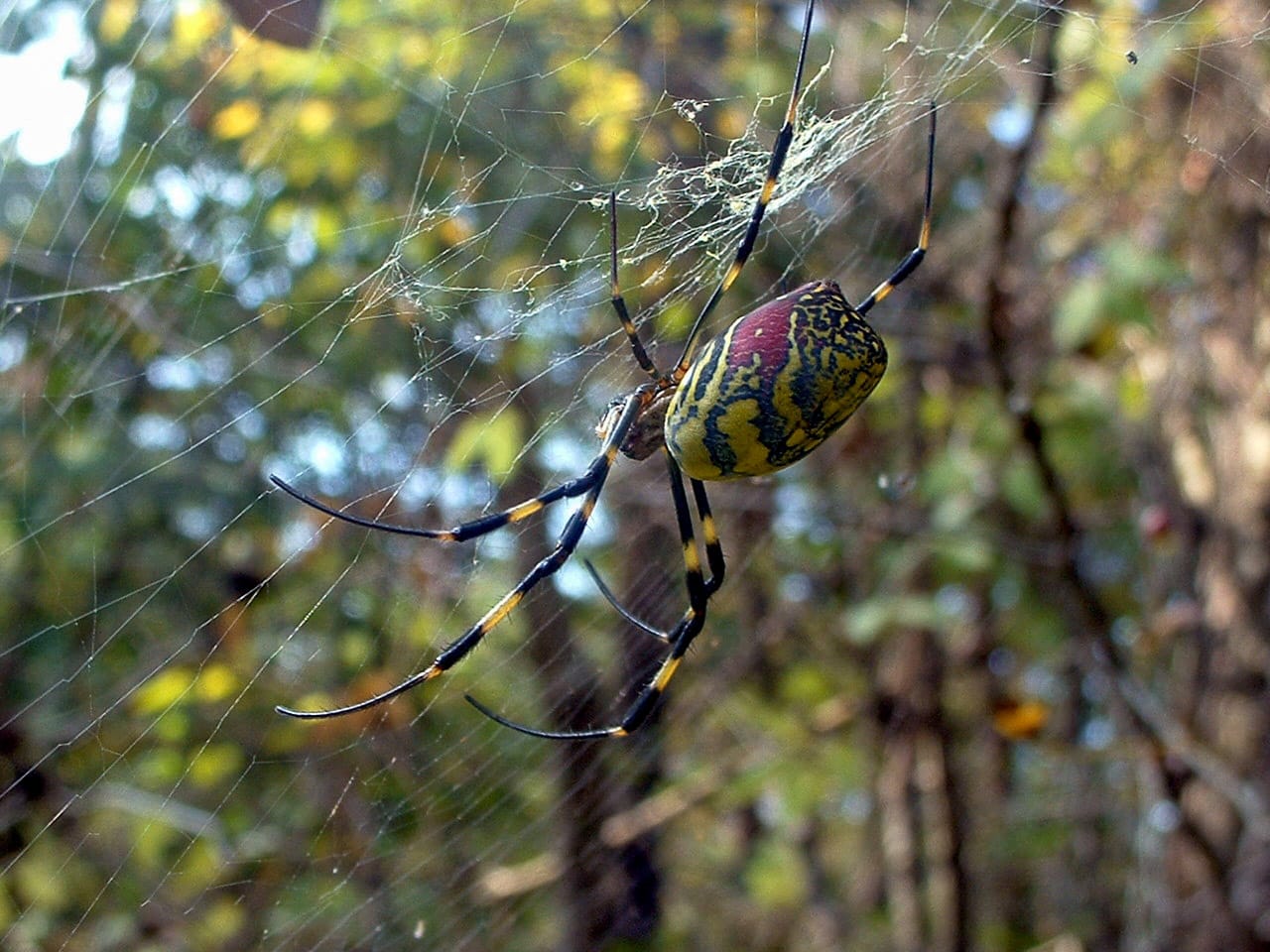
The web of Trichonephila clavata is large and orb-shaped, designed to maximize prey capture. It consists of sticky spiral threads and strong radial lines that support the entire structure.
These webs can stretch several feet across, making them visible and impressive. The spider carefully chooses locations with frequent insect traffic to build its web, increasing its chances of a catch.
Have you noticed how the web’s silk varies in stickiness? Some parts are sticky to trap prey, while others remain smooth for the spider to move quickly without getting stuck.
Prey Capture Mechanism
When an insect flies into the web, it gets stuck on the sticky spiral threads. The vibrations caused by the struggling prey alert the spider immediately.
Trichonephila clavata uses these vibrations to locate its catch without seeing it. This ability lets the spider respond quickly and efficiently, reducing the chance of the prey escaping.
Once the spider reaches the trapped insect, it bites and immobilizes it with venom. Then, it wraps the prey in silk to keep it secure until it’s ready to feed.
Think about your own patience. Would you wait so calmly and act so precisely when your food is just a few inches away?
Credit: owlcation.com
Feeding Behavior
Trichonephila clavata, also known as the golden orb-weaver, shows fascinating feeding behavior. This spider uses its strong web to catch prey efficiently. Its diet mainly consists of flying insects, but it adapts based on availability. Understanding its feeding behavior reveals how it survives and thrives in various environments.
Prey Immobilization
The spider waits patiently on its web for insects to get trapped. Once prey hits the sticky threads, it struggles to escape. Trichonephila clavata quickly moves toward the prey and bites it. The spider injects venom to paralyze the insect rapidly. This venom stops the prey from moving, making it easier to handle. The spider then wraps the prey in silk to secure it.
Consumption Process
After immobilizing the prey, the spider begins feeding. It uses its mouthparts to pierce the insect’s body. The spider releases digestive enzymes that break down the prey’s tissues. This process turns the tissues into a liquid form. The spider then sucks up the liquid nutrients for energy. Feeding can take several minutes depending on prey size. Once finished, the spider discards the leftover exoskeleton from its web.
Feeding Frequency And Patterns
Understanding the feeding frequency and patterns of Trichonephila clavatahelps in observing their natural behavior. This spider species adapts its eating habits based on the environment and food availability. Their feeding routine is not random but follows a certain rhythm that supports their energy needs.
Daily Meal Routine
Trichonephila clavatatypically feeds once or twice a day. They catch insects in their web and consume them shortly after capture. The spider uses its silk to immobilize prey quickly. Feeding mostly happens during dawn and dusk when insect activity is high. After eating, the spider may rest for several hours before hunting again. This routine helps conserve energy and maintain the web.
Seasonal Variations
Feeding patterns change with seasons. In warmer months, insect prey is abundant, so the spider eats more often. During cold seasons, insect numbers drop, leading to less frequent feeding. Trichonephila clavatamay reduce activity and rely on stored energy. This seasonal shift helps the spider survive through times of food scarcity. The spider’s diet adjusts naturally to these changes in its environment.
Adaptations For Efficient Feeding
The Trichonephila clavata, commonly known as the golden orb-weaver, has developed remarkable adaptations that make its feeding process highly efficient. These adaptations allow it to capture prey quickly and handle them with minimal energy. Understanding these features can give you insight into how nature designs for success.
Silk Properties
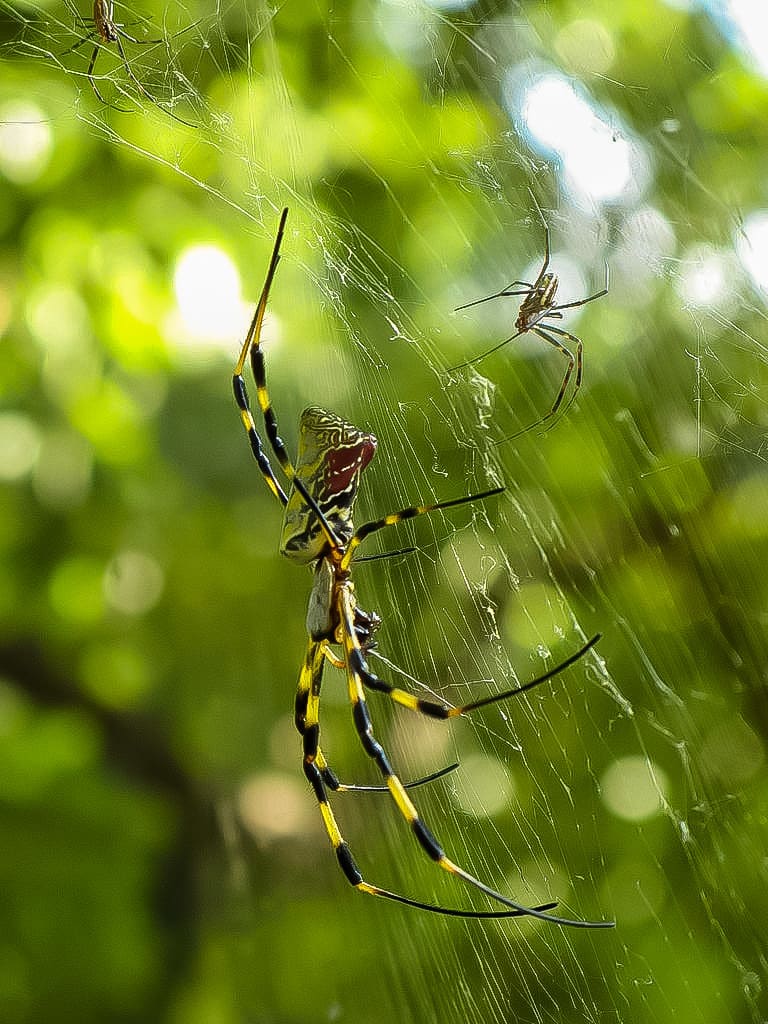
The silk of Trichonephila clavata is incredibly strong and elastic. Its golden hue isn’t just for show—it helps attract insects by reflecting sunlight. This silk can stretch up to four times its length without breaking, giving the spider a flexible yet durable trap.
Imagine your fishing net being both tough and stretchy—that’s how this silk works. It absorbs the impact of flying insects without snapping, increasing the chances of a successful catch. If you think about your own tools, how often do you have something that’s both strong and flexible?
Venom Composition
The venom of Trichonephila clavata is specially formulated to immobilize prey fast. It contains proteins that quickly paralyze insects, preventing them from escaping. This efficiency reduces the spider’s risk of injury during struggles.
Interestingly, this venom isn’t harmful to humans, which highlights its precise targeting. You might wonder how such a tiny creature can develop something so effective. The answer lies in evolution’s focus on energy conservation—quick kills mean less wasted effort.
Impact Of Diet On Growth And Reproduction
The diet of Trichonephila clavataplays a crucial role in its growth and reproductive success. What your spider eats directly influences how quickly it develops and how effectively it can reproduce. Understanding this connection can help you optimize care or simply appreciate how diet shapes their lifecycle.
Nutritional Needs
These spiders primarily feed on flying insects like flies, moths, and bees. Protein is essential for their muscle development and web production, while fats provide long-term energy. Without a balanced intake of these nutrients, their growth can slow down, and web quality may decline.
When I observed captive Trichonephila clavata, those fed a varied diet of insects grew faster and produced more eggs. Do you provide a diverse range of prey to cover all their nutritional needs? Missing key nutrients can stunt development and lower reproductive output.
Effect On Lifespan
A rich diet not only supports growth but can extend the spider’s lifespan. Spiders with ample nutrition tend to live longer and reproduce over multiple seasons. On the other hand, poor diet can lead to early mortality and fewer offspring.
Consider how often you feed your spider and the quality of the food. Regular meals with high nutritional value keep their body systems functioning well. Have you noticed changes in your spider’s activity or lifespan when diet shifts?
Credit: owlcation.com
Feeding In Captivity
Feeding Trichonephila clavata in captivity requires attention to their natural diet. These spiders are carnivorous and need live prey to thrive. Proper feeding supports their growth and web-building abilities. Offering the right food mimics their wild environment and keeps them active.
Suitable Food Options
Live insects are best for Trichonephila clavata. Small crickets, fruit flies, and moths work well. They also eat mosquitoes and small beetles. Avoid feeding them overly large prey to prevent injury. Variety helps provide balanced nutrition.
- Small crickets
- Fruit flies
- Small moths
- Mosquitoes
- Small beetles
Feed them every 2 to 3 days. Remove uneaten prey to keep the habitat clean. Use tweezers or a small container to place food near the web.
Maintaining Health
Clean water is essential for hydration. Provide a shallow water dish or lightly mist the enclosure. Avoid overfeeding to prevent obesity and stress. Keep the enclosure at a stable temperature between 20-28°C (68-82°F). Regularly check for signs of illness or injury.
Healthy spiders build strong webs and hunt actively. Keep the environment quiet and free from disturbances. Proper care ensures a long, healthy life for your Trichonephila clavata.
Frequently Asked Questions
What Does Trichonephila Clavata Primarily Eat?
Trichonephila Clavata mainly feeds on flying insects like flies, moths, and bees. It captures prey using its large, sticky web. This spider’s diet helps control insect populations naturally.
How Does Trichonephila Clavata Catch Its Prey?
Trichonephila Clavata uses a golden orb web to trap insects. The web’s sticky silk immobilizes prey quickly. The spider then bites to paralyze and consumes the trapped insect.
Can Trichonephila Clavata Eat Large Insects?
Yes, Trichonephila Clavata can capture and consume large insects. Its strong silk and venom help subdue bigger prey. This ability allows it to thrive in diverse environments.
Does Trichonephila Clavata Eat Other Spiders?
Occasionally, Trichonephila Clavata may eat smaller spiders. This behavior is opportunistic and not common. It mainly prefers insect prey but can be cannibalistic if necessary.
Conclusion
Trichonephila Clavata eats a variety of insects. It helps control pest populations. This spider’s diet keeps ecosystems balanced. Understanding their feeding habits is important. It shows their role in nature. Observing them offers insights into their behavior. This knowledge can benefit researchers and enthusiasts alike.
Studying their diet is fascinating and educational. It highlights the spider’s adaptability and survival skills. Trichonephila Clavata plays an important part in its environment. Their diet reflects a complex web of life. Knowing their habits can deepen appreciation for these creatures.
It also underlines the importance of biodiversity in nature.







