
If you have an iguana or are thinking about getting one, understanding its diet is one of the most important steps you can take. What you feed your iguana directly affects its health, energy, and happiness.
Imagine giving your pet the right foods that help it thrive and grow strong every day. You’ll discover exactly what your iguana needs to eat, what to avoid, and simple tips to keep its diet balanced and nutritious. Keep reading to unlock the secrets to a healthy, happy iguana that you’ll love caring for.

Credit: www.amazon.com
Iguana Nutritional Needs
Your iguana’s diet plays a huge role in its overall health and happiness. Meeting their unique nutritional needs ensures they thrive, not just survive. Knowing exactly what nutrients your pet requires helps you avoid common health issues like metabolic bone disease or digestive problems.
Key Nutrients For Iguanas
Iguanas are primarily herbivores, so their diet should be packed with leafy greens and vegetables. They need a good supply of calcium to keep their bones strong and healthy. Protein is necessary, but in small amounts compared to what carnivores need.
Too much protein can harm their kidneys, so focus on plant-based sources. Fiber is essential to aid digestion and prevent constipation. Think about adding foods like collard greens, dandelion leaves, and squash to your iguana’s meals.
Balancing Protein And Fiber
Finding the right balance between protein and fiber is key for your iguana’s digestive health. High fiber helps move food through the gut efficiently, while moderate protein supports muscle maintenance. Avoid animal proteins like meat or insects, as these can cause kidney strain and other health issues.
Have you noticed changes in your iguana’s stool or energy levels? These can signal an imbalance. Adjust their diet gradually and observe how they respond to different plant options.
Vitamins And Minerals
Vitamins A, D3, and E are crucial for your iguana’s immune system and bone development. Without enough vitamin D3, calcium won’t absorb properly, even if the diet looks perfect. You can provide vitamin D3 through proper UVB lighting and supplements if necessary.
Minerals like phosphorus, magnesium, and potassium should also be included but kept in balance. Too much phosphorus can interfere with calcium absorption. Regularly offering a variety of greens and vegetables helps maintain this delicate balance naturally.
Leafy Greens And Vegetables
Leafy greens and vegetables form the core of a healthy iguana diet. These plants provide essential vitamins, minerals, and fiber. Feeding your iguana a variety of fresh greens supports strong bones and good digestion. A balanced selection keeps your pet active and healthy.
Best Greens For Iguanas
- Collard greens – rich in calcium and vitamins
- Dandelion greens – high in fiber and nutrients
- Mustard greens – good source of vitamin A
- Turnip greens – supports bone strength
- Escarole – gentle on the stomach
- Kale (in moderation) – packed with vitamins but high in oxalates
Safe Vegetables To Include
- Squash – low in calories and easy to digest
- Bell peppers – rich in vitamin C
- Green beans – add fiber and crunch
- Carrots – provide beta-carotene and sweetness
- Snap peas – fresh and hydrating
- Cucumber – hydrating and low in calories
Foods To Avoid
- Spinach – contains oxalates that block calcium absorption
- Rhubarb – toxic to iguanas
- Iceberg lettuce – lacks nutrients and can cause diarrhea
- Avocado – contains harmful persin toxin
- Beans and peas (dry or canned) – hard to digest and may cause gas
- Animal proteins – iguanas are strict herbivores and should not eat meat
Fruits For Treats
Fruits make excellent treats for iguanas. They provide natural sweetness and variety. Treats should never replace the main diet of leafy greens and vegetables. Use fruits to reward or add occasional excitement to meals. Choose fruits that are safe and healthy for iguanas. Avoid giving too much fruit as it contains sugars that can harm them.
Recommended Fruits
- Mango – rich in vitamins and easy to digest
- Papaya – good for digestion and hydration
- Blueberries – full of antioxidants and fiber
- Strawberries – contain vitamins and natural sugars
- Melons – hydrating and low in calories
- Apples – remove seeds before offering
How Often To Offer Fruit
Offer fruit treats once or twice a week. Keep portions small, about one to two tablespoons. Too much fruit can cause digestive problems. Fruits should remain a small part of the overall diet. Focus on a variety of leafy greens daily. Use fruits mainly for variety and enrichment.
Fruits To Limit
- Bananas – high in sugar, limit to rare treats
- Grapes – sticky and sugary, avoid frequent feeding
- Citrus fruits – can upset iguana’s stomach
- Cherries – seeds are toxic, avoid completely
- Avocado – toxic for iguanas, never offer
Commercial Iguana Foods
Commercial iguana foods can be a convenient and reliable way to ensure your pet gets the nutrients it needs. These products are designed to provide a balanced diet, especially when fresh produce isn’t always available. But not all commercial foods are created equal, and knowing how to choose and use them is key to your iguana’s health.
Types Of Pellets And Mixes
Commercial iguana foods mainly come in two forms: pellets and mixes. Pellets are compact, nutritionally balanced bites that are easy to store and feed. Mixes often combine pellets with dried fruits, vegetables, and seeds, offering variety but sometimes higher sugar content.
Choosing pellets can simplify feeding routines, especially if you have a busy schedule. Mixes might appeal to iguanas who enjoy different textures and flavors. Always check the ingredient list to avoid fillers like corn or soy, which offer little nutritional value.
When To Use Commercial Foods
Commercial foods should complement, not replace, fresh greens and vegetables in your iguana’s diet. Use them as a backup during seasons when fresh produce is scarce or when you’re short on time. They’re also useful for young or sick iguanas who may need consistent nutrition without the fuss of preparing fresh meals.
Ask yourself: Is your iguana getting enough variety? If not, commercial foods can fill the gaps. But relying solely on them can lead to nutritional imbalances over time. Monitor your pet’s health and adjust the diet accordingly.
Choosing Quality Products
Look for commercial iguana foods with high calcium and low phosphorus levels to support healthy bones. Brands that include added vitamins D3 and A help mimic the nutrients iguanas get from natural sunlight and fresh food. Avoid products with artificial colors, flavors, or preservatives.
Reading reviews and seeking recommendations from experienced reptile owners can guide you to trustworthy brands. Remember, the cheapest option isn’t always the best. Investing in quality food is investing in your iguana’s long-term health.
Hydration Tips
Keeping your iguana well-hydrated is key to its health. Proper hydration supports digestion, skin health, and overall vitality. Iguanas need fresh water daily and humidity in their habitat. Understanding how to provide water and spot signs of dehydration helps you care better for your pet.
Water Sources For Iguanas
Provide clean, fresh water in a shallow bowl. Change the water daily to prevent bacteria growth. Iguanas also absorb water from misting. Use a spray bottle to mist their enclosure once or twice daily. Some iguanas enjoy soaking in shallow water dishes. This helps with hydration and skin shedding.
Signs Of Dehydration
Watch for sunken eyes and dry, wrinkled skin. A dehydrated iguana may refuse food or be lethargic. Check for sticky saliva or less frequent urination. These signs mean your pet needs more water and humidity. Acting quickly prevents serious health problems.
Encouraging Drinking
- Place water bowls where your iguana can easily reach them.
- Mist leaves and vegetables to add moisture.
- Offer water droplets on your finger for lizards that lick.
- Keep the enclosure humidity between 70-80% to aid hydration.
Regular hydration routines help your iguana stay healthy and active.
Feeding Schedule And Portions
Feeding your iguana the right amount at the right times is essential for its health and happiness. A well-planned feeding schedule helps prevent overfeeding and keeps your pet active and thriving. Let’s break down how to manage feeding based on age, control portions, and adjust the diet as your iguana grows.
Age-based Feeding Guidelines
Young iguanas need more frequent meals because they grow quickly. You should feed hatchlings and juveniles every day, offering fresh leafy greens and vegetables twice daily. Adults, on the other hand, do well with feeding every other day, as their growth slows down significantly.
Have you noticed your young iguana’s energy spike after a meal? That’s a sign the feeding frequency is just right. Adjusting meal timing as they age helps avoid digestive issues and obesity.
Portion Control
Portion sizes matter just as much as what you feed your iguana. A good rule of thumb is to provide food that equals about 10-15% of their body weight daily. For example, a 10-pound iguana should get roughly 1 to 1.5 pounds of food per day.
- Use a kitchen scale to measure food accurately.
- Offer a mix of vegetables, fruits, and leafy greens.
- Remove uneaten food after a few hours to avoid spoilage.
Tracking portions helps you spot when your iguana is eating less or more than usual—both can signal health issues.
Adjusting Diet Over Time
Your iguana’s dietary needs will change throughout its life. As it matures, reduce the amount of fruit and increase greens to maintain balanced nutrition. Older iguanas might also need supplements like calcium to keep their bones strong.
Have you checked your iguana’s weight and behavior lately? These clues can tell you when it’s time to tweak their feeding plan. Staying flexible with your feeding routine ensures your pet stays healthy and happy for years.
Common Dietary Mistakes
Feeding your iguana might seem straightforward, but many owners unknowingly make dietary mistakes that can harm their pet’s health. These errors often come from misinformation or lack of understanding about what iguanas truly need. Identifying and avoiding these common pitfalls can improve your iguana’s well-being and longevity.
Overfeeding Protein
Many iguana owners believe that protein is essential in large amounts, but iguanas are primarily herbivores. Too much protein can strain their kidneys and lead to serious health problems like kidney failure. Stick to leafy greens and vegetables, and avoid feeding too much animal-based protein like insects or meat.
Have you ever noticed your iguana gaining weight or showing signs of sluggishness after eating protein-rich foods? That might be a sign to cut back.
Toxic Foods To Avoid
Some foods look healthy but are actually toxic to iguanas. Avoid feeding your pet avocado, rhubarb, and iceberg lettuce, as these can cause digestive issues or be harmful over time. Also, stay away from foods high in oxalates like spinach and beet greens, which can block calcium absorption.
Check every new food before offering it to your iguana. It’s better to be cautious than risk poisoning your pet.
Ignoring Calcium Needs
Calcium is crucial for your iguana’s bone health and overall vitality. Many owners forget to provide enough calcium-rich foods like collard greens, dandelion greens, and fortified vegetables. Without adequate calcium, your iguana can develop metabolic bone disease, which causes deformities and weakness.
Do you provide calcium supplements or rotate calcium-rich greens regularly? This simple step can prevent serious health issues down the line.

Credit: lafeber.com
Supplements And Enhancements
Supplements and enhancements play a vital role in supporting a healthy iguana diet. They help fill nutritional gaps and promote strong bones and overall wellness. Careful selection and proper use of supplements ensure your iguana thrives in captivity.
Calcium And Vitamin D3
Calcium is essential for iguanas to build strong bones and prevent metabolic bone disease. Vitamin D3 helps iguanas absorb calcium effectively. Without enough vitamin D3, calcium remains unused, causing health problems.
Natural sunlight or UVB lighting provides vitamin D3. In some cases, calcium supplements with vitamin D3 are recommended. This combination supports healthy bone growth and keeps iguanas active.
When To Use Supplements
Supplements are useful when the diet lacks variety or fresh greens. Young, growing iguanas need extra calcium to support rapid development. Pregnant or sick iguanas also benefit from added nutrients.
Use supplements if your iguana does not get enough UVB light. Overuse can cause harm, so supplements should not replace a balanced diet. Monitor your pet’s health to decide if supplements are necessary.
Safe Supplement Practices
Choose supplements made for reptiles and follow dosage instructions carefully. Avoid giving too much calcium or vitamins, which can cause kidney problems or toxicity.
Use a dusting method for powdered supplements. Lightly coat food with powder before feeding. Provide supplements two to three times per week, not every day.
- Store supplements in a cool, dry place.
- Check expiration dates regularly.
- Consult a vet for personalized advice.
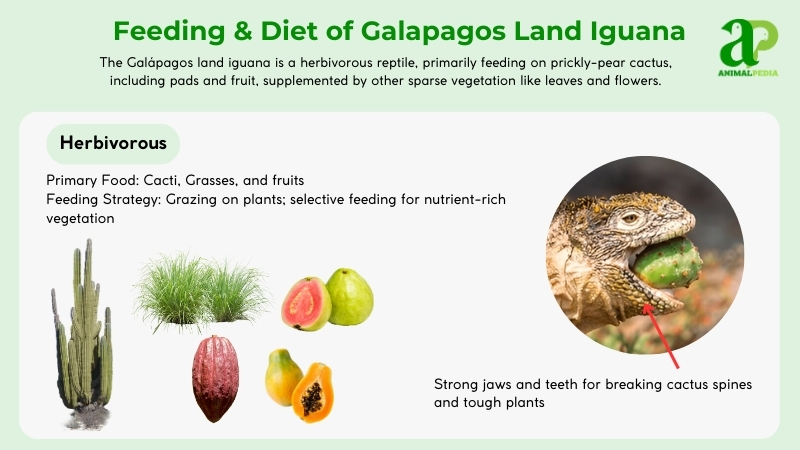
Credit: animal-pedia.org
Frequently Asked Questions
What Do Iguanas Eat In The Wild?
Iguanas are primarily herbivores, feeding on a variety of plants and flowers. They consume fruits, leaves, and sometimes insects. Their diet depends on the availability of food in their natural habitat. In the wild, they often adapt to seasonal changes, ensuring a balanced intake of nutrients.
Can Iguanas Eat Human Food?
Iguanas should not eat most human food. Their digestive systems are not designed for processed foods. Feeding them human food can lead to health issues. Always provide iguanas with a diet rich in leafy greens, vegetables, and occasional fruits to maintain their health.
How Often Should You Feed An Iguana?
Adult iguanas should be fed once daily, ensuring a balanced diet. Young iguanas may require feeding twice a day due to their rapid growth. Always provide fresh water and monitor their eating habits. Adjust feeding frequency based on their health and activity levels.
What Vegetables Are Safe For Iguanas?
Iguanas can safely eat collard greens, mustard greens, and dandelion greens. They can also consume squash, bell peppers, and carrots. Always wash vegetables thoroughly and cut them into manageable pieces. Avoid vegetables high in oxalates, such as spinach and rhubarb.
Conclusion
A healthy iguana diet keeps your pet strong and happy. Fresh vegetables and fruits give important vitamins and minerals. Avoid feeding too much protein or harmful foods. Regularly change the diet to keep it balanced and interesting. Watch your iguana’s eating habits to spot any problems early.
Good food leads to good health. Caring for your iguana’s diet shows you love your pet. Simple steps make a big difference in their well-being. Feed smart, and your iguana will thrive every day.







