
Are you wondering if CrossFit can help you build muscle? You’re not alone.
Many people start CrossFit hoping to get stronger and see real muscle gains. But how effective is it really? If you want to know whether CrossFit can transform your body and boost your muscle growth, keep reading. This article will break down what CrossFit does to your muscles and how you can make the most of it.
Get ready to discover the truth about CrossFit and muscle building—your fitness journey might just take a powerful turn.
How Crossfit Impacts Muscle Growth
Understanding how Crossfit impacts muscle growth can help you decide if this training style fits your fitness goals. It combines varied movements that engage multiple muscle groups, often in quick succession. Let’s break down what happens to your muscles during Crossfit workouts and how it compares to other strength training methods.
Muscle Activation In Crossfit Workouts
Crossfit workouts target several muscles at once by using compound movements like squats, deadlifts, and pull-ups. This means your muscles work together, increasing overall activation and strength.
You might notice your core, legs, back, and arms all working hard in a single session. This full-body engagement can lead to balanced muscle development.
Have you ever felt more tired in your whole body after a Crossfit session compared to lifting weights alone? That’s because multiple muscle groups get activated simultaneously, which can boost muscle growth over time.
Role Of High-intensity Training
High-intensity training in Crossfit pushes your muscles to fatigue quickly, encouraging them to adapt and grow stronger. The short bursts of intense effort followed by brief rest periods create an environment for muscle growth.
This approach challenges your muscles differently than steady, moderate workouts. It forces your body to recruit more muscle fibers, especially the fast-twitch fibers responsible for size and strength.
Think about the last time you finished a tough Crossfit WOD (Workout of the Day) feeling completely spent. That fatigue signals your muscles to rebuild bigger and stronger.
Comparing Crossfit To Traditional Strength Training
Traditional strength training often focuses on isolated muscle groups with controlled repetitions and heavier weights. Crossfit, by contrast, mixes strength, endurance, and speed in a dynamic way.
While traditional lifting can be more effective for targeted muscle growth, Crossfit promotes functional strength and muscular endurance. It helps you build muscle, but in a way that supports overall fitness and movement efficiency.
If your goal is to bulk up specific muscles quickly, traditional strength training might serve you better. But if you want lean muscle development along with cardio and flexibility, Crossfit offers a unique blend.
Key Benefits Of Crossfit For Muscle Building
Crossfit offers more than just a high-intensity workout; it provides targeted benefits that directly support muscle building. Whether you’re lifting weights or performing bodyweight exercises, Crossfit helps you develop different aspects of muscle health. Understanding these benefits can help you decide how Crossfit fits into your fitness goals.
Increased Muscle Endurance
Crossfit workouts often involve multiple rounds of exercises with minimal rest. This approach challenges your muscles to keep working over time, boosting endurance. When your muscles last longer under stress, you can train harder and recover faster.
Think about doing repeated sets of kettlebell swings or rowing intervals. At first, your muscles might tire quickly, but over weeks, you’ll notice less fatigue. This improvement lets you push through tough workouts and build muscle more effectively.
Improved Muscle Strength
Strength gains in Crossfit come from lifting heavy weights and performing compound movements like deadlifts, squats, and presses. These exercises activate multiple muscle groups, helping you build overall strength. You won’t just get stronger in one area but develop balanced muscle power.
If you’ve ever tried lifting heavier weights each week, you know how satisfying it feels to hit a new personal best. Crossfit’s focus on progressive overload ensures you continually challenge your muscles, forcing them to grow. Are you tracking your strength progress regularly?
Enhanced Muscle Tone And Definition
Crossfit combines strength training with high-intensity cardio, which helps reduce body fat and reveal muscle definition. This mix tones your muscles, making them look firmer and more sculpted. It’s not just about size; it’s about shaping your physique.
Many people notice that as they stick with Crossfit, their clothes fit differently and their muscles become more visible. This change happens because Crossfit helps burn fat while building muscle. How does your current routine support muscle tone?
Expert Opinions On Crossfit And Muscle Gain
Experts have varying views on whether Crossfit effectively builds muscle. Their opinions are shaped by experience, research, and common myths surrounding this intense workout style. Understanding these perspectives can help you decide if Crossfit aligns with your muscle gain goals.
Insights From Fitness Trainers
Many trainers agree that Crossfit can build muscle, but it depends on how you approach the workouts.
They emphasize the importance of progressive overload—gradually increasing weights or reps—to stimulate muscle growth.
Some trainers note that Crossfit’s mix of high-intensity cardio and weightlifting can make gaining significant muscle mass slower compared to traditional bodybuilding.
One trainer shared how clients who focused on heavy lifts within their Crossfit routine saw better muscle gains than those who only followed the standard WODs (Workouts of the Day).
Are you tracking your strength improvements or just finishing the workouts? This can make a big difference in your results.
Research Findings On Crossfit Effectiveness
Studies show Crossfit improves overall fitness, including strength and endurance, but muscle gain results vary.
Research from the Journal of Strength and Conditioning notes muscle hypertrophy occurs with Crossfit, especially when workouts include resistance training with heavy weights.
However, some studies highlight that the high volume and cardio-heavy nature of Crossfit might limit muscle size gains compared to focused weightlifting programs.
One research review pointed out that Crossfit athletes often prioritize functional strength and fat loss over pure muscle mass.
Have you considered how your workout balance between cardio and lifting affects your muscle goals?
Common Misconceptions Addressed
There’s a popular belief that Crossfit only builds endurance, not muscle. This is not entirely true.
Crossfit workouts often include Olympic lifts and powerlifting moves that are proven muscle builders.
Another myth is that Crossfit is too risky or causes muscle loss due to overtraining. Proper rest and nutrition prevent this.
Some think Crossfit is only for elite athletes. In reality, workouts can be scaled to your strength and fitness level, helping you build muscle safely.
What myths have stopped you from trying Crossfit for muscle gain?

Credit: www.womenshealthmag.com
Optimizing Muscle Growth With Crossfit
Optimizing muscle growth with Crossfit is more than just lifting heavy or pushing through intense workouts. It requires a smart blend of nutrition, training, and recovery strategies. You can see great muscle gains if you pay attention to how you fuel your body, how you train, and how you rest.
Nutrition Tips For Muscle Gain
Your muscles need the right fuel to grow. Eating enough protein is crucial—aim for around 1.6 to 2.2 grams of protein per kilogram of body weight daily. This supports muscle repair and growth after those tough WODs.
Don’t ignore carbs either. They provide the energy needed to perform high-intensity Crossfit workouts effectively. Healthy fats also play a role in hormone production, which influences muscle growth.
Try to space your meals throughout the day and include a mix of protein, carbs, and fats. A protein-rich snack after training, like a Greek yogurt or a protein shake, can speed up recovery and muscle building.
Effective Crossfit Training Strategies
Crossfit’s mix of weightlifting, gymnastics, and cardio can build muscle if you focus on the right types of workouts. Prioritize strength training days where you lift heavier weights with fewer reps. This approach targets muscle hypertrophy better than only doing high-rep, cardio-heavy sessions.
Pay attention to compound movements like squats, deadlifts, and presses. These exercises recruit multiple muscle groups and promote overall muscle growth. Switching up your routine every few weeks can prevent plateaus and keep your muscles adapting.
Ask yourself: Are your workouts balanced between strength and endurance? If muscle gain is your goal, leaning more towards controlled, heavy lifts can make a big difference.
Recovery And Injury Prevention
Muscle growth happens outside the gym, during recovery. Skipping rest days or ignoring signs of fatigue can stall your progress and increase injury risk. Make sure you get 7-9 hours of quality sleep every night.
Stretch regularly and consider foam rolling to reduce muscle tightness. Listening to your body is key—if you feel sharp pain or excessive soreness, take time off or adjust your training intensity.
Hydration and proper nutrition also aid recovery. Have you noticed how your muscles feel on days you hydrate well versus days you don’t? Recovery isn’t optional if you want consistent muscle growth with Crossfit.
Real-life Success Stories
Real-life success stories reveal how CrossFit can truly impact muscle growth. Hearing from those who have experienced it firsthand helps you understand what’s possible beyond theory. These stories show muscle building isn’t just about lifting weights—it’s about consistency, community, and mindset.
Athlete Transformations
Many athletes share jaw-dropping muscle gains through CrossFit. Take Sarah, who started with little muscle definition but gained noticeable strength and size within six months. Her secret? Combining high-intensity workouts with a focus on recovery and nutrition.
What stands out is how CrossFit’s varied exercises target multiple muscle groups, helping you build balanced muscle. Could your routine benefit from mixing lifts, bodyweight moves, and cardio?
Community Experiences
The CrossFit community plays a big role in muscle-building success. Members often push each other to reach new personal bests, making workouts more challenging and rewarding. Imagine training alongside others who celebrate your progress and hold you accountable.
This social environment encourages you to keep going on days when motivation dips. Have you considered how a supportive group could change your fitness journey?
Long-term Muscle Maintenance
CrossFit isn’t just about quick muscle gains; it helps maintain muscle over time. Individuals who stick with CrossFit report sustained strength and muscle tone even years later. This is often due to constantly varied workouts that prevent plateaus and keep muscles engaged.
Maintaining muscle means staying consistent and adapting your workouts as you age. How will you adjust your routine to keep your muscle growth steady for the long haul?
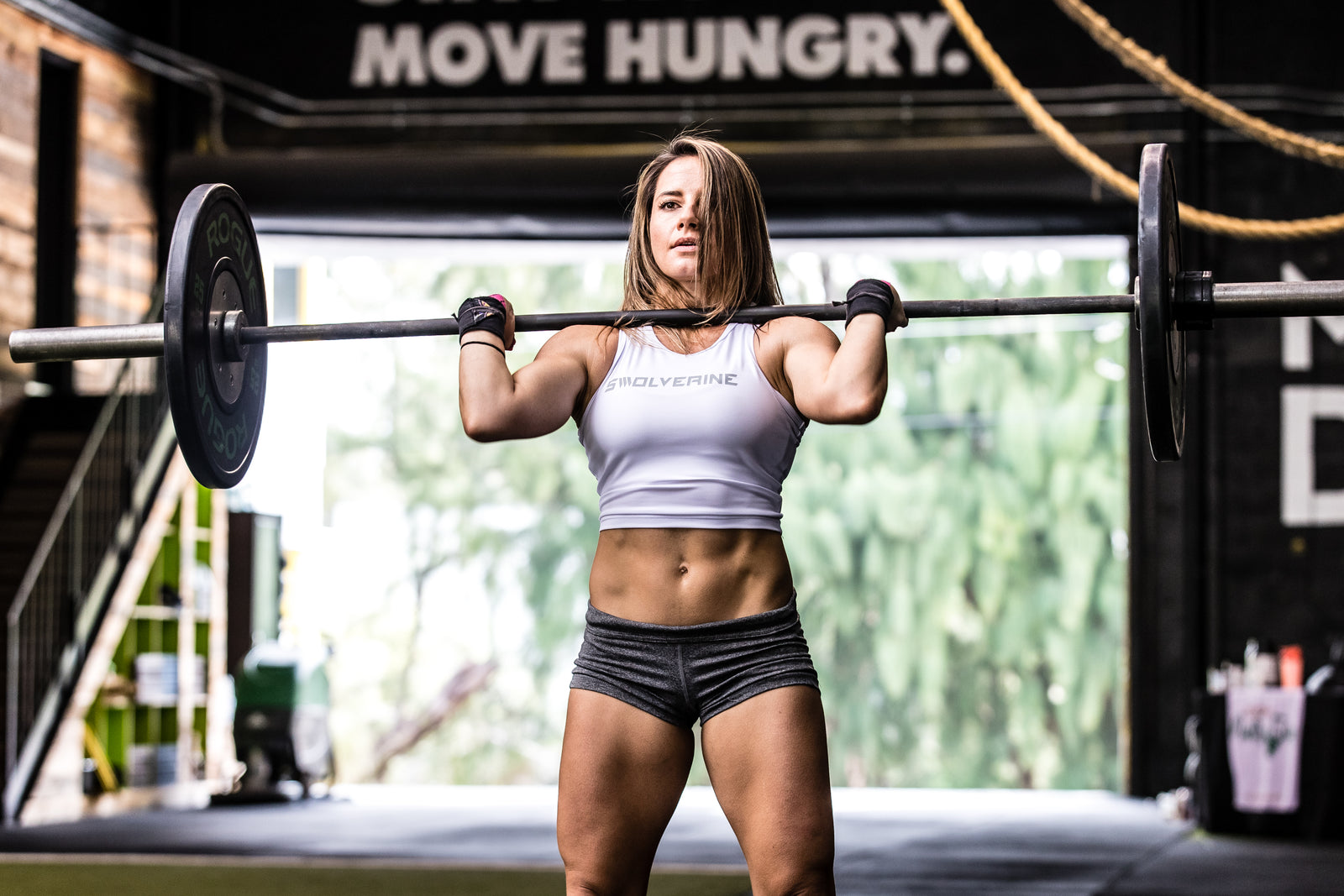
Credit: swolverine.com

Credit: fitpass.co.in
Frequently Asked Questions
Does Crossfit Help In Muscle Building?
Yes, Crossfit can help build muscle effectively. It combines strength training with high-intensity workouts. This stimulates muscle growth and improves muscle endurance. Regular Crossfit sessions can lead to noticeable muscle gains over time.
Is Crossfit Better Than Traditional Weightlifting?
Crossfit offers a varied workout regimen, unlike traditional weightlifting. It combines cardio, strength, and flexibility exercises, providing a holistic approach. This can lead to improved overall fitness and muscle development.
How Often Should I Do Crossfit For Muscle Gain?
For muscle gain, aim for 3-5 Crossfit sessions weekly. Consistency is key in seeing results. Ensure to have rest days for recovery.
Can Beginners Start Crossfit For Muscle Building?
Yes, beginners can start Crossfit for muscle building. It’s adaptable for all fitness levels. Beginners should focus on learning proper form to prevent injuries.
Conclusion
CrossFit helps build muscle by combining strength and cardio exercises. It uses weights, body movements, and fast workouts. This mix challenges your muscles in many ways. Regular training can improve muscle size and strength. Rest and proper food also play key roles.
Everyone’s results differ based on effort and body type. CrossFit suits those who want variety and intensity. It’s a solid choice for building muscle and staying fit. Give it time and stay consistent. You’ll likely see good muscle gains over weeks.







