
Are you wondering if carbs play a real role in building muscle? You might have heard mixed advice—some say cut carbs to stay lean, while others claim carbs are essential for muscle growth.
The truth is, understanding how carbs affect your body can make a big difference in your workout results. If you want to know whether carbs help you build muscle and how to use them to your advantage, keep reading. This article will clear up the confusion and give you simple, practical answers that can boost your gains.
Role Of Carbs In Muscle Growth
Carbohydrates play a crucial role in muscle growth. They provide the energy needed for intense workouts and help the body recover afterward. Without enough carbs, muscles may not perform well or grow effectively. Understanding how carbs work can help you plan your diet better for building muscle.
Carbs As Primary Energy Source
Carbs are the body’s main fuel during exercise. They break down into glucose, which muscles use for energy. This energy supports strength and endurance during workouts. Without enough carbs, the body uses protein for energy, which can reduce muscle growth.
Impact On Muscle Recovery
After exercise, muscles need to recover and repair. Carbs help refill glycogen stores in muscles. Glycogen is a form of stored energy that muscles use later. Faster glycogen recovery means quicker muscle repair and less soreness.
Carbs And Protein Interaction
Carbs and protein work well together for muscle growth. Eating carbs with protein helps increase insulin levels. Insulin helps send amino acids from protein into muscle cells. This process supports muscle repair and growth after exercise.
Types Of Carbs For Muscle Building
Carbohydrates play a key role in muscle building, but not all carbs are created equal. Understanding the types of carbs can help you fuel your workouts better and recover faster. Let’s break down how different carbs affect your muscle growth journey.
Simple Vs Complex Carbohydrates
Simple carbs break down quickly, giving you fast energy. Think of sugary snacks and fruit juice. They can be useful right before or after a workout when your body needs a quick boost.
Complex carbs digest slower, providing steady energy over time. Whole grains, beans, and vegetables fall into this category. They keep you fueled throughout the day and help maintain energy for longer training sessions.
Which type fits your workout routine better? Mixing both types at the right time can optimize your muscle building.
Best Carb Sources For Athletes
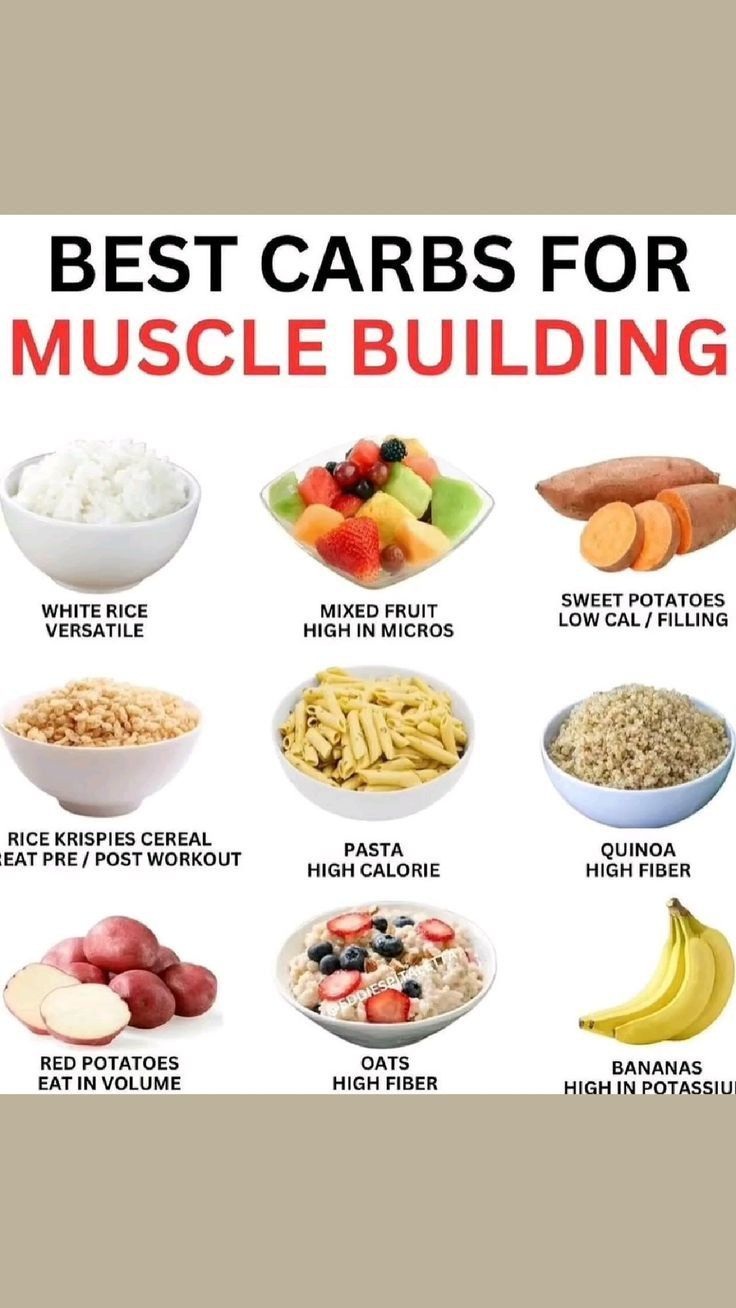
Choosing the right carb sources matters more than just counting grams. Whole foods bring vitamins, minerals, and fiber that processed carbs lack. Here are some top picks:
- Brown rice
- Quinoa
- Sweet potatoes
- Oats
- Fruits like berries and bananas
- Legumes such as lentils and chickpeas
These options help build muscle by providing sustained energy and supporting recovery. Have you noticed a difference when swapping processed snacks for these?
Timing Carb Intake
When you eat carbs can influence your muscle gains. Consuming carbs before a workout fuels your muscles, helping you push harder. After training, carbs help replenish glycogen stores, speeding up recovery.
Try eating complex carbs 1-2 hours before exercise. After your workout, simple carbs paired with protein work best to jumpstart repair. Experiment with timing to see what boosts your performance and muscle growth the most.
Carb Intake Strategies
Carb intake plays a key role in muscle building. Knowing when and how to eat carbs can improve workout results. Different strategies focus on timing and amount. These help fuel exercise and speed recovery.
Carb Loading Before Workouts
Eating carbs before exercise boosts energy levels. It fills muscle glycogen, the main fuel during workouts. Choose slow-digesting carbs 1-2 hours before training. Examples include oats, whole grain bread, or bananas. This keeps energy steady and avoids crashes.
Post-workout Carb Consumption
Carbs after exercise help muscle repair and growth. They refill glycogen stores used during training. Combine carbs with protein for best results. Good options are rice with chicken or yogurt with fruit. Aim to eat within 30 to 60 minutes post-workout.
Daily Carb Requirements
Carb needs vary by activity and body size. Most active people need 3 to 7 grams per kilogram of body weight. Those training intensely may need more. Spread carbs evenly across meals to keep energy steady. Focus on whole grains, fruits, and vegetables for quality carbs.
Credit: x.com
Carbs And Hormonal Response
Carbohydrates do more than provide energy for workouts. They influence hormones that help muscle growth. These hormones control muscle repair, recovery, and size. Understanding how carbs affect these hormones explains their role in building muscle.
Insulin’s Role In Muscle Growth
Insulin is a hormone released after eating carbs. It helps move sugar from the blood into muscles. Insulin also carries amino acids, which are the building blocks of muscle. This process supports muscle repair and growth.
High insulin levels after a meal create a good environment for muscles. Insulin reduces muscle breakdown and increases protein synthesis. This hormone works best with carbs because they boost its release.
Carbs And Anabolic Hormones
Carbs impact other anabolic hormones besides insulin. These hormones promote muscle growth and recovery. For example, carbs can increase levels of growth hormone and testosterone.
Eating carbs after exercise helps restore glycogen stores. This restoration signals the body to release more anabolic hormones. These hormones improve muscle repair and size.
Common Myths About Carbs And Muscle
Carbohydrates often get a bad reputation in the fitness world. Many believe carbs are the enemy of muscle growth and fat loss. These ideas come from misunderstandings and myths. Clearing up these myths can help you make better nutrition choices for muscle building.
Carbs Cause Fat Gain
People often think eating carbs leads directly to fat gain. Carbs provide energy for the body and muscles. Excess calories, not carbs alone, cause fat gain. Eating too many calories from any source can add fat. Carbs also help spare protein, which is important for muscle repair. Balanced carb intake supports workouts and recovery.
Low-carb Diets For Muscle Building
Some believe low-carb diets are best for building muscle. While low-carb diets can work, carbs are the body’s preferred energy source. Without enough carbs, energy levels may drop during exercise. This can reduce workout intensity and muscle growth. Including carbs helps maintain strength and endurance. A moderate carb intake often supports better muscle gains than very low-carb plans.
Credit: medium.com
Combining Carbs With Other Nutrients
Combining carbs with other nutrients plays a key role in muscle building. Carbs alone provide energy, but pairing them with protein and fats can maximize muscle growth and recovery. Understanding these combinations can help you create meals that fuel your workouts and support your goals effectively.
Carbs And Protein Synergy
Carbs help shuttle protein into your muscles. Eating carbs with protein after workouts boosts muscle repair and growth. This happens because carbs trigger insulin release, which helps transport amino acids from protein into muscle cells.
Think about having a chicken sandwich on whole-grain bread after training. The bread provides carbs to refill energy stores, while chicken delivers protein to repair muscles. This combination can improve how quickly your muscles recover and grow stronger.
Have you noticed how a protein shake alone sometimes leaves you hungry or less energized? Adding a piece of fruit or some oats can enhance recovery and keep you full longer. Try pairing protein with carbs regularly and see how it affects your energy and muscle gains.
Carbs And Fats Balance
Fat slows digestion, which can be helpful or hurtful depending on timing. Combining carbs with healthy fats can provide steady energy and prevent blood sugar spikes. This balance is especially useful when you need long-lasting fuel, like before a long workout.
However, eating too much fat with carbs right after training might slow muscle recovery. Your body needs quick energy then, so keep fats moderate in post-workout meals. For other times, like breakfast or snacks, mixing carbs and fats can stabilize energy and support overall health.
Consider adding avocado or nuts to your whole-grain toast instead of butter or jam alone. This adds healthy fats without overwhelming your carb intake. How do you feel when you balance fats and carbs in your meals? Experiment with this and notice the difference in your energy levels and muscle-building progress.
Practical Tips For Maximizing Muscle Growth
Carbohydrates play a key role in muscle growth. They supply energy for workouts and help recovery. Using carbs wisely can improve strength and size gains. Follow practical tips to get the best results.
Meal Planning With Carbs
Plan meals around your training schedule. Eat carbs before workouts for energy. Include a mix of simple and complex carbs. Simple carbs provide quick energy. Complex carbs supply lasting fuel throughout the day.
After workouts, consume carbs with protein to aid muscle repair. Examples include rice with chicken or oatmeal with fruit. Balance carbs with protein and healthy fats in every meal.
Tracking Carb Intake
Monitor how many carbs you eat daily. Tracking helps match intake with your activity level. Use apps or food journals to log meals. Focus on quality carb sources like whole grains, vegetables, and fruits.
Adjust carb amounts if energy drops or gains stall. Tracking reveals patterns and helps fine-tune your diet for muscle growth.
Adjusting Carbs For Different Goals
Carb needs change based on your goals. To build muscle, increase carbs on training days. For fat loss, reduce carbs slightly but keep protein high. On rest days, lower carb intake to avoid excess calories.
Experiment with timing and portions. Find what helps you feel strong and recover fast. Personalize carb intake to support your muscle growth journey.
Credit: baystatept.com
Frequently Asked Questions
Do Carbs Contribute To Muscle Growth?
Yes, carbs play a crucial role in muscle growth. They provide energy for workouts and help replenish glycogen stores. This fuels your muscles and aids in recovery. Consuming carbs post-exercise can enhance protein synthesis, supporting muscle repair and growth.
How Do Carbs Impact Workout Performance?
Carbs are essential for optimal workout performance. They serve as the primary energy source during high-intensity exercises. Adequate carb intake prevents fatigue and maintains endurance. It ensures you can perform at your best, aiding in muscle-building efforts.
Are All Carbs Beneficial For Muscle Building?
Not all carbs are equally beneficial. Focus on complex carbs like whole grains, fruits, and vegetables. They provide sustained energy and essential nutrients. Avoid simple carbs with added sugars, as they may lead to energy crashes and less effective workouts.
When Should I Consume Carbs For Muscle Gain?
Timing carb intake can optimize muscle gain. Consume carbs before workouts for energy and after for recovery. Post-exercise carbs replenish glycogen stores and enhance protein synthesis. This aids in muscle repair and growth, maximizing your fitness results.
Conclusion
Carbohydrates play an important role in muscle growth and recovery. They give your body energy to work out harder and longer. Eating enough carbs helps refill your muscles after exercise. Without carbs, your body may use protein for energy, slowing muscle repair.
Balance carbs with protein and healthy fats for best results. Choose whole grains, fruits, and vegetables for healthy carbs. Remember, carbs alone do not build muscle; training and rest matter too. Keep a balanced diet and stay consistent with your workouts for strong muscles.







