
Are you torn between choosing Coke Zero or Diet Coke but not sure which one is better for your health? You’re not alone.
Both drinks promise zero calories, but is one really healthier than the other? What you don’t know could affect your body more than you think. By the end of this article, you’ll have clear answers to make the best choice for your health and lifestyle.
Keep reading—you might be surprised by what you discover.
Coke Zero Vs Diet Coke Basics
Understanding the basics of Coke Zero and Diet Coke helps to see their differences clearly. Both drinks offer low-calorie alternatives to regular soda. Yet, they differ in taste, ingredients, and target audience. Knowing these basics can guide your choice better.
Origins And Popularity
Diet Coke was launched in 1982 as a sugar-free version of Coca-Cola. It quickly became popular among calorie-conscious consumers. Coke Zero came later, in 2005, aiming to mimic the original Coke taste without sugar. It gained a strong following, especially among younger people.
Flavor Profiles
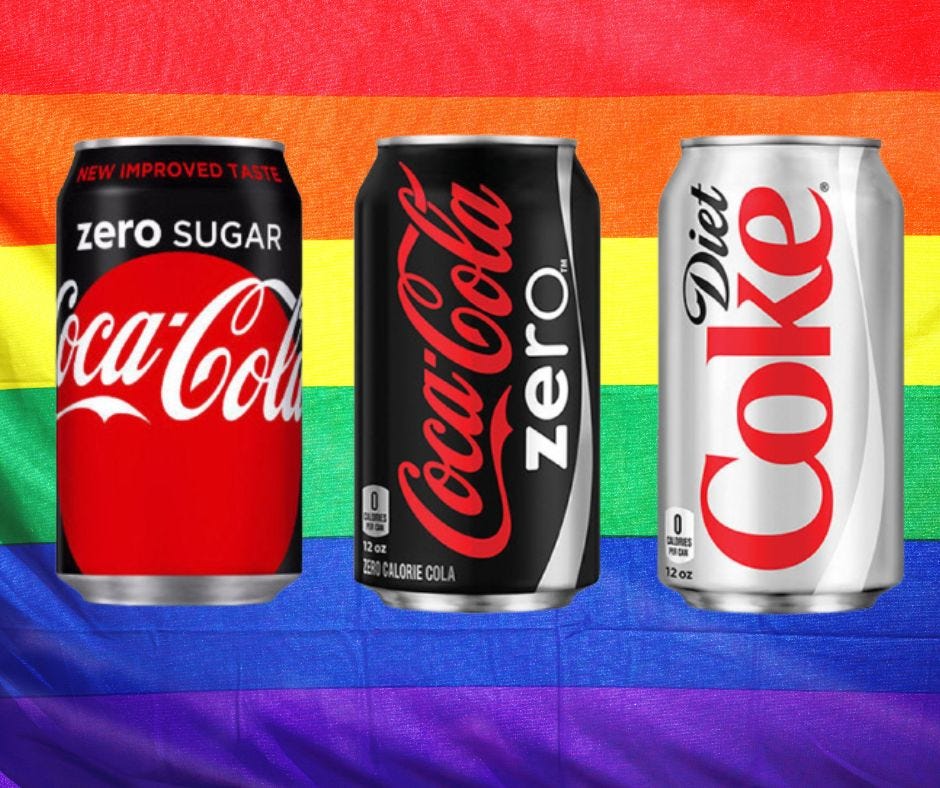
Diet Coke has a distinct taste that differs from classic Coke. It has a lighter, crisp flavor with a slight tang. Coke Zero tries to match the original Coca-Cola flavor closely. It tastes bolder and sweeter than Diet Coke but still has zero sugar.
Sweetener Types
- Diet Coke uses aspartame as its main sweetener.
- Coke Zero combines aspartame and acesulfame potassium for sweetness.
- Both use artificial sweeteners, which do not add calories.
- The sweetener mix affects the taste and aftertaste of each drink.

Credit: www.youtube.com
Nutritional Content Comparison
Comparing the nutritional content of Coke Zero and Diet Coke helps understand their health impacts. Both drinks aim to provide a low-calorie alternative to regular soda. Yet, they differ slightly in ingredients and nutritional values. This section breaks down key nutritional facts to guide your choice.
Calorie And Sugar Content
Both Coke Zero and Diet Coke contain zero calories per serving. They use artificial sweeteners instead of sugar to keep the calorie count low. Neither drink has any sugars, making them suitable for sugar-free diets. This makes them similar options for those watching calories or sugar intake.
Sodium Levels
Sodium content varies slightly between the two sodas. Diet Coke typically contains about 40 mg of sodium per 12-ounce can. Coke Zero has roughly 35 mg in the same serving size. Both levels are low but still worth noting for those monitoring sodium intake.
Other Nutrients
Neither Coke Zero nor Diet Coke offers significant vitamins or minerals. Both lack protein, fiber, and fat. They contain small amounts of caffeine, with Diet Coke having slightly more. Neither soda provides essential nutrients, so they should not replace nutritious drinks.
Impact On Blood Sugar And Insulin
The impact of Coke Zero and Diet Coke on blood sugar and insulin is a key health concern. Both drinks use artificial sweeteners instead of sugar. This means they do not raise blood sugar levels like regular soda. Yet, their effects on insulin can differ. Understanding these differences helps choose the healthier option.
Glycemic Index Effects
The glycemic index (GI) measures how foods raise blood sugar. Both Coke Zero and Diet Coke have a GI of zero. They contain no sugar or carbohydrates that affect blood sugar. This makes them safe choices for people watching their blood sugar levels. Neither causes a spike in blood glucose after drinking.
Insulin Response Differences
Insulin controls blood sugar by helping cells absorb glucose. Some studies suggest artificial sweeteners might still trigger insulin release. Diet Coke and Coke Zero use different sweeteners, which may affect insulin response differently.
- Diet Coke uses aspartame, linked to a slight insulin increase in some people.
- Coke Zero uses a blend of aspartame and acesulfame potassium, which may have a lower insulin impact.
Responses vary by individual and more research is needed. Overall, both drinks have minimal effects on insulin compared to sugary sodas.
Artificial Sweeteners And Health
Artificial sweeteners replace sugar in many diet drinks. They add sweetness without calories. Coke Zero and Diet Coke use different sweeteners. These choices affect taste and health. Understanding these sweeteners helps choose the healthier option.
Aspartame Vs. Sucralose
Aspartame is used in Diet Coke. It is about 200 times sweeter than sugar. Sucralose is in Coke Zero. It is about 600 times sweeter than sugar. Both sweeteners pass through the body differently. Aspartame breaks down into small components. Sucralose mostly passes unchanged. Each sweetener has a unique taste profile.
Potential Side Effects
Some people report headaches or dizziness from aspartame. Sucralose may cause digestive issues in sensitive individuals. Both sweeteners are generally safe at low amounts. Some studies suggest possible effects on gut bacteria. Sensitivity varies from person to person. Watch for any adverse reactions after drinking diet soda.
Long-term Safety Studies
Many studies have tested aspartame and sucralose safety. Regulatory agencies worldwide approve both for use. Research shows no clear link to cancer or major diseases. Long-term effects remain under review. New studies continue to monitor health impacts. Moderation is key to reducing risks over time.
Effects On Weight Management
Understanding how Coke Zero and Diet Coke affect weight management is key if you’re trying to maintain or lose weight. Both drinks are calorie-free, but their impact goes beyond just calories. How they influence your appetite, cravings, and overall diet can play a bigger role than you might think.
Appetite And Cravings
Both Coke Zero and Diet Coke contain artificial sweeteners that can trick your brain into expecting sugar. This sometimes leads to increased hunger or cravings for sweet or high-calorie foods later. Have you noticed that after drinking one of these sodas, you suddenly crave a snack?
Some people find that diet sodas help control their sweet tooth without adding calories, while others feel more tempted to eat more. It really depends on your body’s response. Paying attention to how your appetite changes after drinking these sodas can help you make better choices.
Role In Diet And Exercise
Drinking Coke Zero or Diet Coke can fit into a diet without adding calories, but they won’t replace good eating habits or exercise. If you rely on these drinks thinking they’ll help you lose weight without changing your diet, you might be disappointed.
Consider how these sodas fit into your overall routine. Are they helping you reduce sugary drink intake or leading to more cravings that make sticking to your workout and meal plan harder? Small choices like these can add up in your weight management journey.

Credit: www.youtube.com
Dental Health Considerations
Dental health matters when choosing between Coke Zero and Diet Coke. Both drinks contain acids that can affect your teeth. Knowing how acidity and other factors impact your tooth enamel helps make better choices. Protecting your smile is important, especially if you drink soda often.
Acidity Levels
Both Coke Zero and Diet Coke have similar acidity. They contain phosphoric and citric acids. These acids give the drinks a sharp taste. Acidity can wear down tooth enamel over time. The pH level of these sodas is around 3.2 to 3.4, which is quite acidic. Drinking acidic drinks frequently increases the risk of enamel erosion.
Impact On Tooth Enamel
Acids in Coke Zero and Diet Coke can weaken tooth enamel. Enamel is the hard outer layer that protects teeth. When enamel wears away, teeth become sensitive and prone to cavities. Regular consumption of these sodas may cause enamel erosion. Rinsing your mouth with water after drinking helps reduce acid effects. Using a straw can also limit contact with teeth.
Consumer Preferences And Taste Tests
Consumer preferences play a big role in choosing between Coke Zero and Diet Coke. Taste tests often reveal which soda people like best. Both drinks aim to offer a low-calorie alternative to regular Coke. Yet, their flavors and ingredients attract different fans. Understanding these preferences helps explain the ongoing debate about which soda is healthier and more enjoyable.
Taste Differences
Coke Zero tastes closer to original Coca-Cola. It has a smoother, sweeter flavor. Diet Coke has a lighter, more crisp taste. It uses a different blend of flavors and sweeteners. Some find Diet Coke slightly more bitter or sharper. Taste tests show split opinions, with many liking Coke Zero’s classic feel. Others prefer Diet Coke’s unique and refreshing taste.
Brand Loyalty Factors
People often stick with the soda they first liked. Brand loyalty affects their choice strongly. Some grew up drinking Diet Coke and trust its flavor. Others switched to Coke Zero for its closer taste to regular Coke. Marketing also shapes loyalty by highlighting different benefits. Packaging and availability influence consumers too. Loyalty keeps many from trying the other option, even after taste tests.
Environmental Impact
Understanding the environmental impact of Coke Zero and Diet Coke is important. Both drinks have effects on the planet beyond just health. This section explores how packaging and production affect the environment. It helps you see which drink has a smaller footprint.
Packaging And Waste
Coke Zero and Diet Coke use similar packaging materials. Both mainly come in aluminum cans and plastic bottles. Aluminum cans are easier to recycle than plastic bottles. Recycling aluminum saves energy and reduces waste.
Plastic bottles often end up in landfills or oceans. This creates long-term pollution problems. Some plastic bottles are made from recycled materials. Both brands are working to increase recycled content. Still, plastic waste remains a concern.
- Aluminum cans recycle rate is higher than plastic
- Plastic waste can harm wildlife and ecosystems
- Both brands aim to use more recycled materials
Production Footprint
Making Coke Zero and Diet Coke uses energy and water. The production process emits greenhouse gases. Both drinks have a similar carbon footprint. Water use is high for both due to ingredient farming.
The sweeteners used in both drinks require farming or chemical production. This adds to their overall environmental impact. Coca-Cola has programs to reduce water use and emissions. This helps lower the environmental cost of production.
| Factor | Coke Zero | Diet Coke |
|---|---|---|
| Energy Use | Moderate | Moderate |
| Water Use | High | High |
| Carbon Emissions | Similar | Similar |
Making The Healthier Choice
Choosing between Coke Zero and Diet Coke depends on more than just taste. Both drinks offer low-calorie options but contain artificial sweeteners. Making a healthier choice means understanding who should limit these drinks and how to balance them in your diet.
Who Should Limit Consumption
People with certain health conditions should be cautious. Those with diabetes might want to avoid artificial sweeteners. Children and pregnant women should also limit intake. Some individuals experience sensitivity to ingredients in these sodas. Moderation is key to reducing potential risks.
Balancing Soda With Overall Diet
Soda should not replace water or nutritious drinks. A balanced diet includes fruits, vegetables, and whole grains. Use diet sodas as an occasional treat, not a daily habit. Drink plenty of water to stay hydrated. Focus on overall healthy eating habits for best results.
Credit: medium.com
Frequently Asked Questions
What Is The Difference Between Coke Zero And Diet Coke?
Coke Zero and Diet Coke are both sugar-free. However, they have different flavor profiles. Coke Zero is designed to taste more like regular Coke, while Diet Coke has its own unique taste. Both drinks use artificial sweeteners, but they have different ingredient combinations.
Which Drink Has Fewer Calories?
Both Coke Zero and Diet Coke have zero calories. They are marketed as low-calorie alternatives to regular Coke. They use artificial sweeteners instead of sugar, making them popular among those watching their calorie intake.
Do Coke Zero And Diet Coke Contain Caffeine?
Yes, both drinks contain caffeine. The caffeine content is similar, but not identical. Diet Coke has slightly more caffeine than Coke Zero. However, both provide a caffeine boost comparable to many other soft drinks.
Are Artificial Sweeteners In These Drinks Safe?
Yes, the artificial sweeteners in Coke Zero and Diet Coke are considered safe by food safety authorities. They have been extensively tested and approved for consumption. However, some people prefer to limit artificial sweeteners in their diet for personal reasons.
Conclusion
Both Coke Zero and Diet Coke have zero sugar and low calories. They use different sweeteners, which can affect taste and health. Coke Zero tastes closer to regular Coke, while Diet Coke has a unique flavor. Choosing the healthier option depends on your personal preferences and any health concerns.
Drinking either in moderation is best for a balanced lifestyle. Remember, water remains the healthiest drink choice overall. Think about what suits your taste and body before deciding.







