
Are you looking for a refreshing diet soda without aspartame? You’re not alone.
Many people want to enjoy a fizzy drink without worrying about artificial sweeteners that might affect their health. But finding a tasty, safe option can be tricky. You’ll discover why choosing diet soda with no aspartame matters, what alternatives are available, and how you can enjoy your favorite drink guilt-free.
Keep reading to find the best choices for your body and your taste buds.
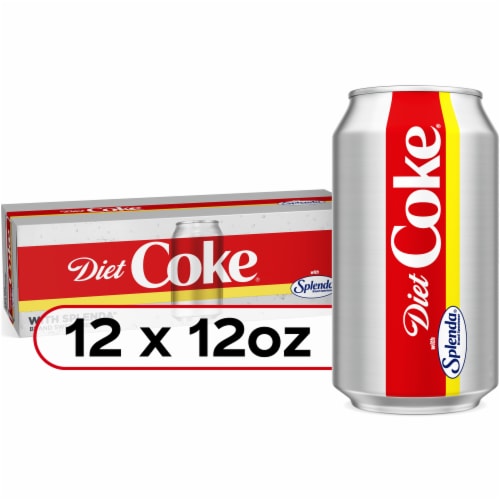
Credit: www.kingsoopers.com
Health Concerns With Aspartame
Aspartame is one of the most common artificial sweeteners found in diet sodas. Despite its popularity, many people raise concerns about its safety. Understanding these health concerns helps you make informed choices about what you put into your body.
Common Side Effects
Some people report headaches, dizziness, or digestive issues after consuming aspartame. These side effects can vary in intensity and often depend on individual tolerance. If you notice any unusual symptoms after drinking diet soda, it might be worth checking the ingredients for aspartame.
Long-term Health Risks
Research on aspartame’s long-term effects is mixed, but some studies suggest it could impact brain health and metabolism. There are concerns about its potential link to cancer and neurological disorders, though evidence is not definitive. Asking yourself if these risks are worth it might change how you view diet sodas.
Aspartame Sensitivity
Some individuals are more sensitive to aspartame and may experience stronger reactions. Symptoms can include mood swings, anxiety, or allergic-like responses. Knowing your body’s reaction is key—have you ever felt a sudden mood change after a diet soda? This could be a sign of sensitivity.
Benefits Of Aspartame-free Diet Soda
Choosing diet soda without aspartame offers several health benefits. Many people prefer beverages sweetened with natural ingredients. Avoiding aspartame helps reduce certain health risks. Aspartame-free options often support better digestion. These sodas provide a cleaner alternative for sensitive individuals. The following points highlight key benefits of aspartame-free diet soda.
Natural Sweeteners Alternatives
Aspartame-free sodas use natural sweeteners like stevia or monk fruit. These sweeteners come from plants and contain fewer calories. They do not cause a sudden spike in blood sugar. Natural sweeteners taste pleasant without an artificial aftertaste. They offer a safer choice for people avoiding synthetic chemicals.
Lower Risk Of Allergic Reactions
Aspartame can cause allergic reactions in some people. Symptoms include headaches, dizziness, or skin rashes. Choosing aspartame-free diet soda reduces the chance of these reactions. Natural sweeteners are less likely to cause allergies. This option is better for sensitive individuals and those with food intolerances.
Better Digestive Health
Aspartame may affect gut bacteria and digestion in some cases. Avoiding it helps maintain a healthy digestive system. Natural sweeteners often support better gut health and regularity. They do not cause bloating or discomfort. Drinking aspartame-free diet soda can promote overall digestive well-being.
Popular Aspartame-free Diet Soda Brands
Choosing a diet soda without aspartame can feel like searching for a needle in a haystack. Luckily, several popular brands have stepped up to offer tasty alternatives that skip this controversial sweetener. Knowing which options are available can make your soda selection easier and more enjoyable.
Top Market Choices
Brands like Zevia, Virgil’s Zero Sugar, and Pepsi’s Diet Pepsi with Sucralose are gaining attention for their aspartame-free formulas. Zevia stands out with its use of natural sweeteners like stevia, appealing to those who prefer plant-based ingredients. Virgil’s offers craft soda options that deliver bold flavors without artificial sweeteners, perfect if you want something different from the usual diet soda taste.
Flavor Variety
Are you tired of the same old cola or lemon-lime? Aspartame-free diet sodas now come in a surprising range of flavors. Zevia offers everything from grape to cream soda, while Virgil’s features root beer and cherry cola. This variety means you don’t have to sacrifice flavor just because you’re avoiding aspartame.
Availability And Pricing
Finding these sodas might require a bit of hunting, as not all grocery stores carry them consistently. Online retailers like Amazon or specialty health stores often stock a wide selection. Prices tend to be slightly higher than regular diet sodas, but many find the trade-off worth it for peace of mind and taste. Have you checked your local store’s beverage aisle for these options yet?

Credit: www.walmart.com
Ingredients To Watch In Diet Sodas
Choosing a diet soda without aspartame means paying close attention to the other ingredients on the label. Many diet sodas contain additives that might not be obvious but could affect your health and taste experience. Understanding what’s inside your drink helps you make smarter choices and avoid unwanted chemicals.
Artificial Sweeteners To Avoid
Not all sweeteners are created equal. Apart from aspartame, watch out for sucralose, saccharin, and acesulfame potassium. These can cause digestive discomfort or trigger cravings for sweeter foods.
Stevia and monk fruit are better alternatives if you want sweetness without the chemical aftertaste. Have you noticed how some diet sodas leave a strange flavor in your mouth? That’s often these artificial sweeteners at work.
Natural Vs. Artificial Flavors
Labels often list “natural flavors” but don’t explain what they actually are. Natural flavors come from real plant or animal sources, but can still include chemicals to enhance taste. Artificial flavors are made entirely in labs and may contain synthetic compounds.
Choosing sodas with clear, simple flavor ingredients can reduce your exposure to unknown additives. Ask yourself: Do you want a soda with ingredients you recognize or something that sounds like a chemistry experiment?
Preservatives And Additives
Preservatives keep soda fresh but some, like sodium benzoate or potassium sorbate, can cause allergic reactions or affect your gut health. Other additives like coloring agents or acidity regulators also impact the overall quality.
Look for diet sodas with fewer preservatives or those that use natural alternatives like vitamin C (ascorbic acid). Your body will thank you for cutting down on unnecessary chemicals.
Making Your Own Aspartame-free Soda
Making your own aspartame-free soda lets you control ingredients and flavors. It’s a fun way to enjoy soda without artificial sweeteners. You can create refreshing drinks with simple items found at home. Crafting soda allows you to avoid unwanted chemicals and enjoy natural taste. Here are easy ideas to start making your own healthy soda.
Simple Homemade Recipes
Start with carbonated water as your base. Mix in fresh fruit juices like lemon, lime, or orange. Add a pinch of salt to enhance flavor. Stir gently and serve chilled for a crisp taste. Use a clean bottle to keep the soda fresh longer. Try blending cucumber or watermelon juice for a cool twist. These recipes need no special equipment or hard steps.
Using Natural Sweeteners
Choose natural sweeteners such as honey, maple syrup, or agave nectar. These give a mild sweetness without chemicals. Add small amounts and taste as you go. Stevia is a plant-based sweetener that also works well. Avoid refined sugars to keep your soda healthy. Natural sweeteners blend nicely with fruit juices and herbs. They help maintain a balanced flavor and lower calories.
Flavor Infusions
Infuse soda with herbs like mint, basil, or rosemary. Add slices of ginger or cucumber for a fresh kick. Use whole spices such as cinnamon sticks or star anise. Let ingredients steep in cold water before carbonating. Experiment with combinations to find your favorite mix. These infusions bring unique tastes and aromas. They make each sip exciting and refreshing.

Credit: www.gianteagle.com
Tips For Transitioning To Aspartame-free Drinks
Switching to aspartame-free drinks can feel challenging at first. Small changes make the process easier. Focus on habits that support your goal without stress. This approach helps your body adjust smoothly and keeps cravings low.
Gradual Reduction Strategies
Cut back on diet sodas slowly. Try drinking fewer cans each day or week. Mix regular soda with water to reduce sweetness. Replace one aspartame drink with a healthier option at a time. This helps your taste buds adapt without shock.
Hydration Alternatives
Choose water as your main drink. Add slices of lemon, cucumber, or berries for flavor. Herbal teas offer variety without sweeteners. Sparkling water can satisfy the craving for fizz. These choices keep you hydrated and reduce desire for sweet drinks.
Maintaining Taste Satisfaction
- Use natural sweeteners like stevia or monk fruit in moderation.
- Try flavored waters with no added sugar.
- Experiment with cold brew tea or coffee for different tastes.
- Keep snacks fresh and flavorful to reduce sugar cravings.
Explore new tastes that feel satisfying. This keeps the switch enjoyable and less of a sacrifice.
Frequently Asked Questions
What Is Aspartame In Diet Soda?
Aspartame is a low-calorie artificial sweetener used in many diet sodas. It provides sweetness without the calories found in sugar. Some people prefer diet sodas without aspartame due to health concerns or taste preferences. Alternatives often use different sweeteners like stevia or sucralose.
Why Choose Diet Soda Without Aspartame?
Choosing diet soda without aspartame can be a personal health decision. Some individuals report sensitivity to aspartame, experiencing headaches or digestive issues. Aspartame-free options often use natural or alternative sweeteners. These alternatives cater to those seeking different taste profiles or avoiding artificial ingredients.
What Sweeteners Are Used Instead Of Aspartame?
Diet sodas without aspartame may use sweeteners like stevia, sucralose, or monk fruit extract. Stevia is plant-based and known for its natural sweetness. Sucralose is another popular option, offering a sugar-like taste. Monk fruit extract provides sweetness with no calories, making it a favorable alternative.
Are Aspartame-free Sodas Healthier?
Aspartame-free sodas can be healthier for individuals sensitive to artificial sweeteners. They often contain alternative sweeteners with fewer reported side effects. However, it depends on personal health goals and preferences. Always check labels for nutritional information and consult with a healthcare provider if unsure.
Conclusion
Choosing diet soda without aspartame can suit many health needs. These drinks offer a sweet taste without the common artificial sweetener. People concerned about aspartame find good alternatives in the market. Always check labels to avoid hidden ingredients. Drinking any soda in moderation is best for your health.
Exploring options helps you find what fits your lifestyle. Enjoy your drink while staying mindful of what you consume. Small changes can lead to better daily choices. Keep learning and listen to your body’s signals.







