
Are you trying to lose weight but still want to build muscle? It might sound impossible, but the truth is, you can build muscle on a caloric deficit.
Yes, you heard that right. Many people believe you must eat more calories to gain muscle, but there are ways to make your body stronger while burning fat. You’ll discover how to balance your diet and workouts to get the best results.
Keep reading, because understanding this could change the way you train and transform your body faster than you think.
Muscle Growth Basics
Understanding the basics of muscle growth helps clear up common questions about building muscle. Muscle growth happens through a balance between breaking down and building muscle tissue. This process needs the right signals from exercise and nutrition to work effectively. Knowing how muscle protein synthesis and calories affect growth guides your training and diet choices.
Muscle Protein Synthesis
Muscle protein synthesis is the process where your body builds new muscle proteins. It occurs after exercise, especially strength training. This process repairs and grows muscle fibers that experience stress during workouts. The balance between muscle protein synthesis and breakdown determines muscle gain or loss.
Exercise triggers muscle protein synthesis by creating tiny tears in muscle fibers. Your body responds by repairing these tears with stronger muscle proteins. Protein intake is crucial because it provides the building blocks called amino acids. Without enough protein, muscle growth slows down or stops.
Role Of Calories In Muscle Gain
Calories provide the energy needed for muscle growth and daily activities. A calorie surplus means eating more calories than you burn. This surplus supports muscle protein synthesis and recovery. Without enough calories, the body lacks energy to build new muscle efficiently.
However, muscle gain can still happen with a slight calorie deficit if protein intake and training are well managed. The body may use stored fat for energy while preserving muscle tissue. This approach requires careful planning to avoid muscle loss.
Calories also affect hormone levels that influence muscle growth. Low calorie intake can reduce hormones like testosterone and insulin, which are important for muscle building. Maintaining a balance between calorie intake and expenditure is key to optimizing muscle gain.
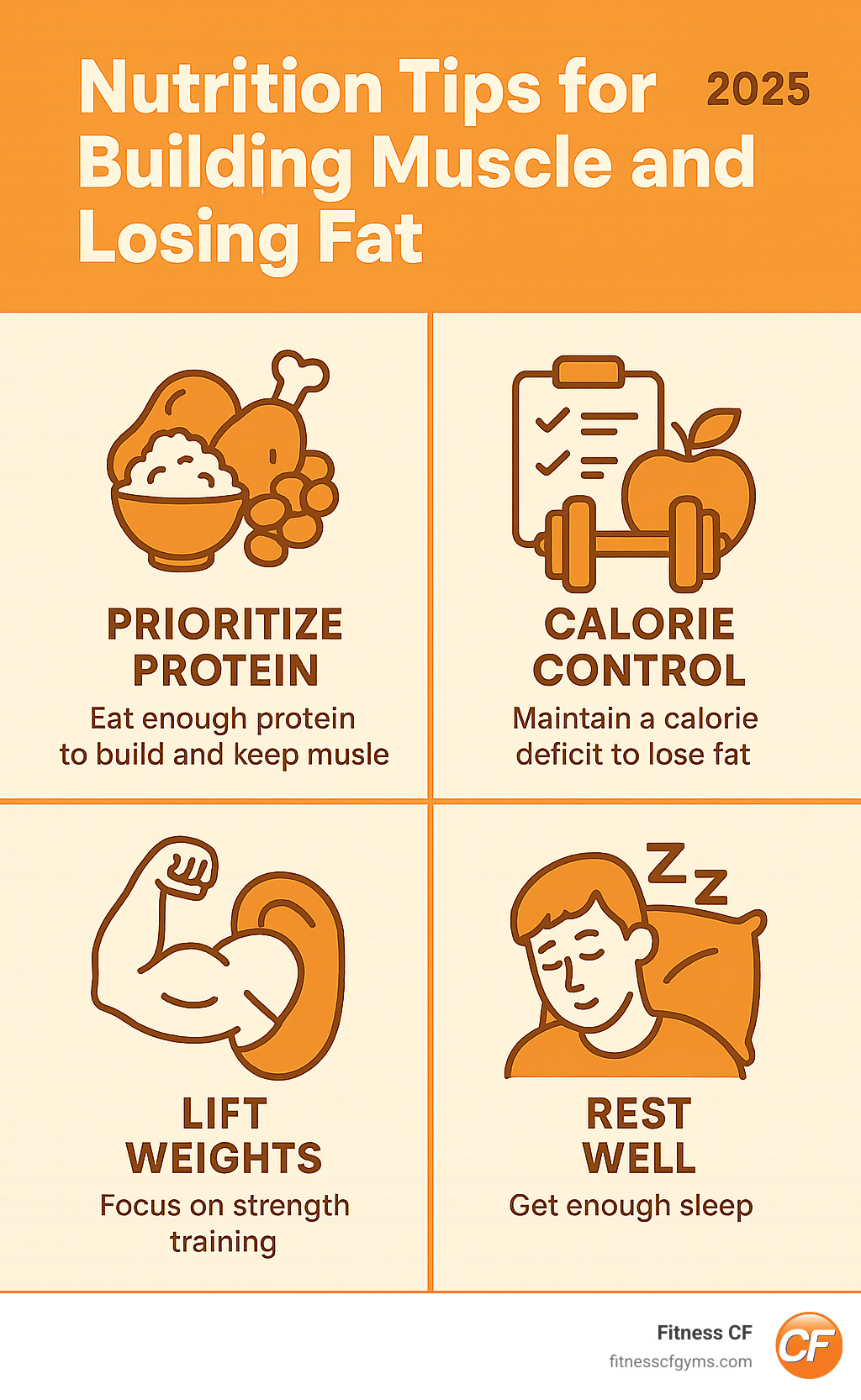
Credit: fitnesscfgyms.com
Caloric Deficit Explained
Understanding a caloric deficit is key if you want to know whether building muscle is possible while eating fewer calories than your body needs. A caloric deficit means consuming less energy than your body burns in a day. This forces your body to find energy from stored fat, but it also impacts how your muscles perform and grow.
What Happens In A Deficit
When you eat fewer calories, your body shifts into a state where it uses stored energy to keep you going. This means fat stores shrink, but your body also becomes careful about how it uses energy.
Muscle growth requires energy and nutrients. In a deficit, your body might not have enough extra calories to build new muscle efficiently. Yet, if you eat enough protein and train smartly, your body can still repair and grow muscle fibers, though progress might be slower.
Think about your own experience—have you noticed feeling weaker or not recovering as quickly when cutting calories? That’s your body adapting to less fuel.
Impact On Energy Levels
Lower calorie intake usually means less energy to power through workouts and daily activities. You may feel more tired or less motivated to push hard during training.
This drop in energy affects how well you can stimulate muscle growth. Without enough intensity or volume in your workouts, your muscles get fewer signals to grow.
To manage this, focus on nutrient timing and quality. Eating protein-rich meals around your workouts can help keep energy steady and support muscle repair.
Building Muscle While Losing Fat
Building muscle while losing fat is a goal many chase but few truly understand. It sounds contradictory—how can you gain muscle if you’re eating fewer calories than you burn? Yet, under the right conditions, your body can reshape itself, shedding fat and adding muscle simultaneously.
Who Can Achieve This
Not everyone can build muscle on a caloric deficit. Beginners to strength training often see the best results because their bodies respond quickly to new stimuli. People returning after a long break from exercise also experience muscle gains despite eating less.
Those with higher body fat percentages have an edge too. Their bodies can use stored fat as energy, sparing muscle during calorie cuts. However, seasoned athletes or advanced lifters may find it harder to build muscle without eating more calories.
Key Factors For Success
- Protein Intake:Eating enough protein is crucial. Aim for at least 1.6 to 2.2 grams per kilogram of body weight daily to support muscle repair and growth.
- Strength Training:Lifting weights regularly sends a strong signal to your body to preserve and build muscle even while you’re in a deficit.
- Calorie Deficit Size:A moderate deficit—around 10-20% below maintenance—works better than severe cuts. Too few calories can cause muscle loss instead of growth.
- Recovery:Sleep and rest days are vital. Without proper recovery, your muscles won’t repair and grow efficiently.
Think about your current approach—are you fueling your workouts and recovery properly? Adjusting your diet and training with these factors in mind might be the key to transforming your body in ways you didn’t expect.

Credit: homegymsupply.co.uk
Nutrition Tips For Muscle Gain In Deficit
Building muscle while in a caloric deficit is challenging but not impossible. Nutrition plays a crucial role in preserving and even gaining muscle during this phase. You need to focus on specific nutrition strategies that maximize muscle retention and support growth despite eating fewer calories.
Protein Intake Strategies
Protein is your best friend for muscle gain in a deficit. Aim for around 1.6 to 2.2 grams of protein per kilogram of your body weight daily. This amount helps provide your muscles with the necessary building blocks to repair and grow.
Choose high-quality protein sources like lean meats, fish, eggs, dairy, and plant-based options such as beans and lentils. Including a variety of sources ensures you get all essential amino acids.
Have you tracked your protein intake recently? Even small increases can make a big difference in muscle maintenance.
Timing And Meal Composition
How you spread your protein intake throughout the day matters. Try to distribute protein evenly over 3-5 meals to keep muscle protein synthesis active. Eating 20-30 grams of protein every few hours can be more effective than loading up in one meal.
Combine protein with moderate amounts of carbohydrates and healthy fats. Carbs fuel your workouts, while fats support hormone function. For example, a balanced meal could be grilled chicken with quinoa and avocado.
Think about your post-workout meal as an opportunity. Eating protein and carbs within an hour after training can improve muscle recovery and growth, even when calories are limited.
Training Approaches For Deficit Muscle Growth
Training for muscle growth while on a caloric deficit requires smart planning. The body has fewer calories to use, so workouts need to be efficient. Focusing on the right type of exercise helps maintain and even build muscle. Recovery also plays a big role in this process. A balanced approach keeps muscles strong despite eating less.
Strength Training Focus
Strength training is key to growing muscle in a calorie deficit. Lifting weights signals the body to keep muscle tissue. Use heavier weights with fewer reps to challenge muscles. Compound exercises like squats, deadlifts, and bench presses work many muscles at once. They create strong growth signals even when calories are low.
Keep workout sessions short but intense. Avoid long cardio sessions that burn extra calories and might cause muscle loss. Track progress by increasing weight or reps slowly. This helps muscles stay active and grow despite less fuel.
Recovery And Rest Importance
Muscle grows during rest, not during workouts. Sleep is critical for recovery and muscle repair. Aim for 7-9 hours of good sleep every night. Rest days allow muscles to heal and adapt to training stress. Overtraining on a calorie deficit can lead to muscle loss.
Use rest days to focus on light activity or stretching. This helps blood flow and reduces soreness. Listen to your body. If feeling very tired or weak, take extra rest. Recovery supports muscle growth and overall health.
Common Challenges And Solutions
Building muscle while in a caloric deficit is tough. You’ll face unique challenges that test your discipline and strategy. Identifying these hurdles early helps you stay on track and adapt smartly, making your muscle gains possible even when eating less.
Plateaus And Fatigue
One of the biggest challenges is hitting a plateau. Your progress slows down, and workouts start feeling harder than before. This happens because your body is conserving energy due to fewer calories.
Fatigue can sneak in, making it tempting to skip workouts or reduce intensity. But pushing through with smart recovery methods, like more sleep and stretching, can keep your energy steady. Have you noticed when your strength dips unexpectedly? That’s your body signaling the need to adjust.
Adjusting Calories And Workouts
Adjusting your calories doesn’t mean just cutting more food. Sometimes, it means eating a bit more or changing meal timing to support muscle repair. Balancing protein intake is key—you need enough to fuel muscle growth without exceeding your calorie limit.
Workouts also need tweaking. Instead of longer sessions, focus on quality and intensity. For example, shorter but heavier lifts stimulate muscles better than endless cardio. How often do you reassess your workout plan to match your current energy levels and goals?
Realistic Expectations
Building muscle on a caloric deficit is possible but requires clear expectations. The body needs energy to grow muscle, yet a deficit means less available fuel. Success depends on balancing muscle growth and fat loss. Understanding what is realistic helps keep motivation strong and progress steady.
Rate Of Muscle Gain
Muscle gain slows down during a calorie deficit. The body prioritizes fat loss over muscle growth. Expect smaller increases in muscle size and strength. Gains may come in the form of muscle maintenance or slight improvements. Beginners may see faster results than experienced lifters. Consistency in training and protein intake remains essential.
Long-term Sustainability
Maintaining muscle gain on a deficit is challenging over time. Prolonged calorie restriction can lead to muscle loss if not managed well. Cycling between deficit and maintenance phases supports muscle growth. Adequate rest and recovery are critical. Patience and gradual progress lead to lasting results. Focus on steady habits rather than quick fixes.

Credit: www.fit3d.com
Frequently Asked Questions
Can You Gain Muscle While In A Calorie Deficit?
Yes, it’s possible to gain muscle on a caloric deficit. It requires a well-structured diet and exercise plan. Consuming sufficient protein and engaging in strength training are crucial. Prioritize nutrient-dense foods and ensure adequate rest for recovery.
How Much Protein Is Needed In A Calorie Deficit?
Protein intake is vital when building muscle on a deficit. Aim for 1. 6 to 2. 2 grams per kilogram of body weight. This helps in muscle preservation and growth, even when calories are restricted. Adjust according to individual needs and activity levels.
Is Strength Training Effective On A Caloric Deficit?
Strength training is effective on a caloric deficit. It helps preserve lean muscle mass and stimulates growth. Focus on compound exercises and progressive overload. This approach optimizes muscle retention and development, even with reduced calorie intake.
What Role Does Recovery Play In Muscle Gain?
Recovery is crucial when building muscle on a caloric deficit. Adequate rest and sleep promote muscle repair and growth. Balance your training intensity with proper recovery strategies. This ensures sustained progress and minimizes the risk of overtraining.
Conclusion
Building muscle on a caloric deficit is tough but possible. Focus on eating enough protein and doing strength training. Your body needs fuel to grow muscles even while losing fat. Progress might be slower, but small gains add up. Stay patient and consistent with your workouts and diet.
Remember, balance is key for both fat loss and muscle growth. Keep tracking your results and adjust as needed. This approach helps improve your body shape and strength over time.







