
Are you looking to eat healthier without giving up bold flavors? Your search ends here.
Healthy Asian diet recipes offer a perfect mix of taste and nutrition that can transform your meals. Imagine enjoying dishes that are not only delicious but also boost your energy and well-being. You’ll discover simple, vibrant recipes that fit your busy lifestyle and satisfy your cravings.
Ready to make your meals healthier and more exciting? Keep reading to unlock the secrets of a balanced Asian diet that works for you.
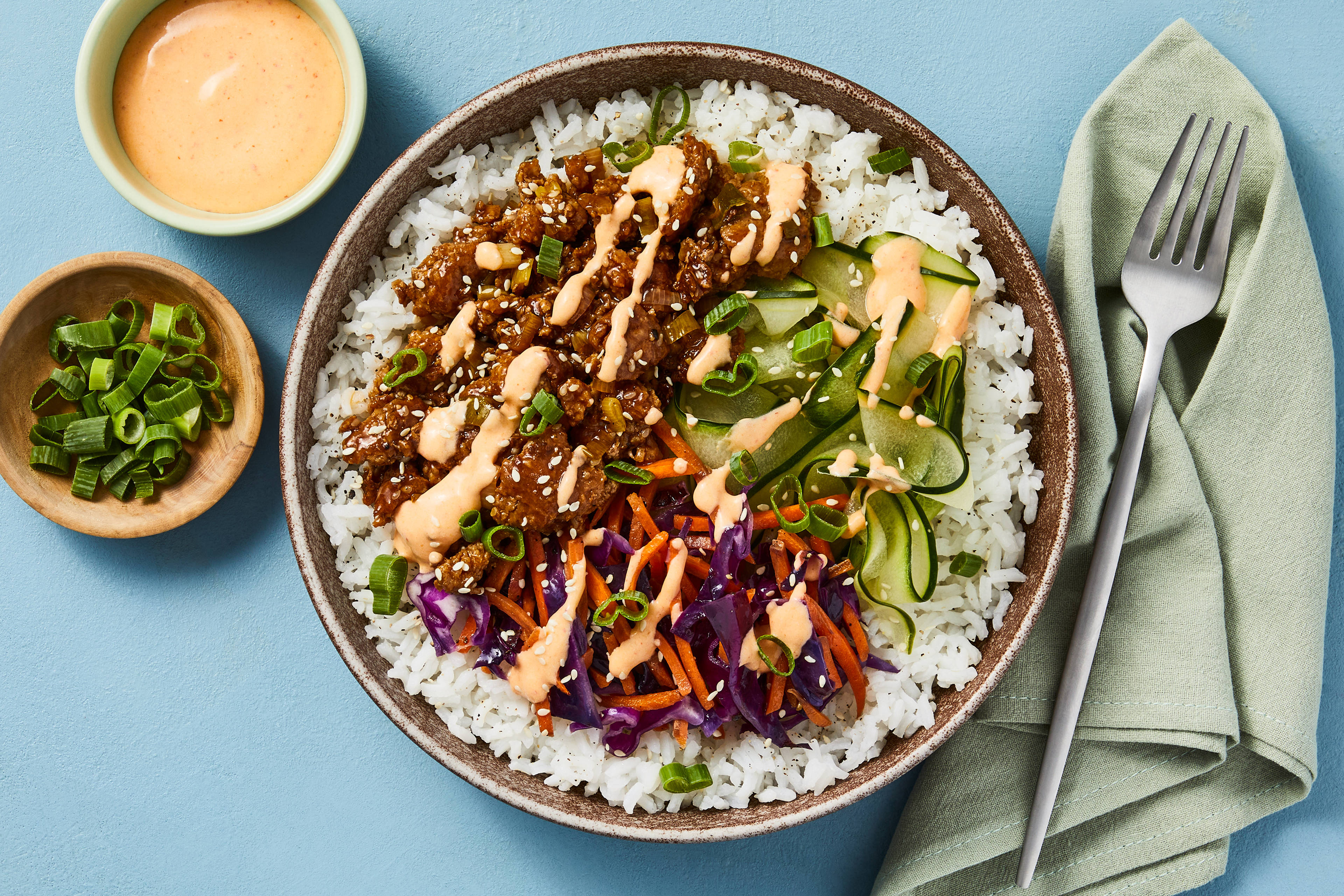
Credit: www.hellofresh.com
Key Ingredients In Asian Cooking
Asian cooking brings together a vibrant mix of ingredients that create bold and healthy flavors. Understanding these key components helps you prepare meals that are both nutritious and delicious. Let’s dive into what makes Asian dishes stand out and how you can use these ingredients in your kitchen.
Staple Grains And Noodles
Rice is the foundation of many Asian meals, especially jasmine and sticky rice varieties. Noodles come in many forms—rice noodles, soba, and egg noodles—each adding unique texture and flavor.
Do you know which noodles work best in stir-fries versus soups? Experimenting with different grains and noodles can change your dish’s character and nutritional value.
Fresh Vegetables And Herbs
Freshness is key. Asian recipes often use crunchy vegetables like bok choy, snap peas, and bean sprouts. Herbs such as cilantro, Thai basil, and mint bring a fresh, aromatic punch that brightens every bite.
Have you tried adding fresh herbs at the end of cooking? It transforms the flavor and keeps the nutrients intact.
Lean Proteins And Seafood
Chicken, tofu, and seafood like shrimp or fish are common protein choices. These options keep dishes light and healthy without sacrificing taste.
Adding lean proteins helps balance your meal, providing essential nutrients without excess fat. What’s your favorite protein to cook with?
Essential Spices And Sauces
Ginger, garlic, and chili are staples that deliver warmth and spice. Sauces like soy, fish sauce, and hoisin add depth and complexity to dishes.
Using these ingredients wisely can boost flavor without extra calories. Have you ever made your own sauce from scratch? It’s easier than you think and tastes fresher.
Benefits Of An Asian Diet
The Asian diet offers many health benefits. It includes fresh ingredients and natural flavors. Many people enjoy its taste and health perks. This diet supports overall well-being and long life.
Rich In Nutrients And Antioxidants
Asian meals use vegetables, fruits, and herbs. These foods provide vitamins and minerals. Antioxidants help protect the body from damage. Eating this way boosts the immune system.
Low In Processed Foods
The diet favors fresh, whole foods over processed ones. This reduces unhealthy fats and sugars. It lowers the risk of many diseases. Natural foods keep the body strong and healthy.
Balanced Macronutrients
Meals include a good mix of proteins, carbs, and fats. Rice, fish, and vegetables work well together. This balance provides steady energy throughout the day. It helps maintain a healthy weight.
Supports Heart Health
Many Asian dishes use healthy oils and fish. These help reduce bad cholesterol levels. A heart-friendly diet lowers the chance of heart disease. It promotes better circulation and blood pressure.
Simple Breakfast Recipes
Start your day with healthy Asian breakfast recipes that are simple and quick. These dishes provide energy and essential nutrients. They also introduce unique flavors that excite your taste buds.
These recipes use fresh ingredients and gentle cooking methods. They keep meals light yet satisfying. Perfect for busy mornings or relaxed weekends.
Congee With Toppings
Congee is a warm rice porridge popular in many Asian countries. It is easy to digest and comforting. You can add toppings like sliced green onions, boiled eggs, or pickled vegetables. These toppings bring texture and flavor. Congee also adapts well to different tastes and diets.
Miso Soup And Rice
Miso soup is a traditional Japanese dish made from fermented soybeans. It is rich in probiotics and good for digestion. Pair it with steamed rice for a balanced breakfast. Add tofu cubes, seaweed, and green onions to the soup. This combo is light, nourishing, and quick to prepare.
Vegetable-stuffed Rice Rolls
Rice rolls filled with fresh vegetables are a healthy breakfast choice. Use thin rice paper or rice crepes as the wrapper. Fill them with shredded carrots, cucumber, and lettuce. Add a simple dipping sauce made with soy sauce and lime juice. These rolls are fresh, crunchy, and easy to eat on the go.

Credit: 30seconds.com
Flavorful Lunch Ideas
Lunch is the perfect time to energize your day with vibrant and healthy Asian dishes. These flavorful lunch ideas combine fresh ingredients and bold tastes without weighing you down. You’ll find they’re easy to prepare and satisfying enough to keep you focused through the afternoon.
Stir-fried Vegetables With Tofu
This dish is a colorful mix of crisp vegetables and protein-rich tofu, quick to cook and full of flavor. Use a hot pan to stir-fry bell peppers, broccoli, snap peas, and carrots with cubes of firm tofu. Adding garlic, ginger, and a splash of soy sauce creates a savory sauce that ties everything together.
Try topping it with sesame seeds or chopped green onions for extra texture. Have you ever noticed how a simple stir-fry can brighten your mood and boost your energy all at once?
Sushi Bowls
Sushi bowls take the best parts of sushi without the hassle of rolling. Start with a base of sushi rice or cauliflower rice, then layer on sliced avocado, cucumber, edamame, and your choice of raw or cooked fish. A drizzle of soy sauce and a sprinkle of toasted seaweed flakes add that authentic sushi flavor.
What’s great is you can customize it to your taste and dietary needs easily. Next time you crave sushi, why not build a bowl that fuels your body and satisfies your cravings?
Vietnamese Rice Paper Rolls
Rice paper rolls are fresh, light, and packed with vegetables and herbs. Fill them with lettuce, mint, cilantro, shredded carrots, and shrimp or tofu for a balanced lunch. Dip them in a tangy peanut or hoisin sauce to add a punch of flavor.
Rolling your own lunch might seem like extra work, but it’s actually fun and lets you control exactly what goes inside. How often do you get to eat something so fresh and wholesome on a busy day?
Hearty Dinner Options
Hearty dinner options in an Asian diet bring warmth and balance to your evening meal. These dishes combine fresh ingredients and bold flavors. Each recipe offers protein, vegetables, and essential nutrients to keep you satisfied and healthy.
Teriyaki Salmon With Greens
This dish features tender salmon glazed with sweet teriyaki sauce. Serve it with steamed greens like bok choy or spinach. The salmon provides omega-3 fatty acids, while the greens add fiber and vitamins. Quick to prepare and full of flavor, it makes a perfect weeknight dinner.
Thai Green Curry With Chicken
Thai green curry blends creamy coconut milk with fragrant herbs and spices. Chicken pieces cook gently in the sauce alongside vegetables like bell peppers and zucchini. This meal is rich in protein and antioxidants. Serve over jasmine rice for a filling and balanced plate.
Korean Bibimbap
Bibimbap means “mixed rice” and is full of colorful vegetables. It includes sautéed spinach, carrots, mushrooms, and a fried egg on top. Add some lean beef or tofu for protein. A spicy gochujang sauce ties all the flavors together. This dish is both nutritious and satisfying.
Healthy Snacks And Sides
Healthy snacks and sides bring balance to any Asian meal. They offer flavor and nutrition without extra calories. These options use fresh ingredients, rich in vitamins and minerals. They keep your energy steady and your hunger satisfied. Try these simple, tasty choices to complement your dishes.
Edamame With Sea Salt
Edamame are young soybeans, steamed and served in pods. They provide protein, fiber, and essential nutrients. Sprinkle sea salt lightly for taste without overwhelming sodium. Edamame is a great snack for weight control and muscle health. Eat warm or cold for a quick, healthy bite.
Kimchi And Pickled Vegetables
Kimchi is fermented cabbage with spices, rich in probiotics. Pickled vegetables add crunch and tang to meals. Both support digestion and boost the immune system. They contain vitamins A and C, plus antioxidants. Serve small portions to add zest and health benefits.
Seaweed Salad
Seaweed salad is light, refreshing, and packed with minerals. It contains iodine, calcium, and vitamins B and K. The salad often includes sesame seeds for extra flavor. Seaweed helps maintain thyroid health and improves skin. Enjoy it as a side or a low-calorie snack.
Cooking Tips For Healthier Meals
Cooking healthier meals doesn’t mean sacrificing flavor or tradition. Small changes in how you prepare your Asian dishes can make a big difference to your health. These tips will help you enjoy authentic tastes while keeping your meals nutritious and balanced.
Using Less Oil And Salt
Try using non-stick pans to reduce the amount of oil needed for stir-frying. You can also switch to healthier oils like sesame or avocado oil, which offer better fats for your body.
Instead of salt, experiment with fresh herbs, garlic, ginger, and spices to boost flavor naturally. Have you noticed how a squeeze of lime or a dash of soy sauce can enhance your dish without overwhelming it with sodium?
Choosing Whole Grains
Swap white rice for brown rice, quinoa, or barley to add fiber and nutrients to your meals. Whole grains keep you full longer and support digestion better.
When cooking noodles, try options made from whole wheat or buckwheat for a healthier twist. These alternatives still satisfy your cravings but improve the nutritional value of your dish.
Incorporating More Vegetables
Add extra vegetables to your recipes, like bok choy, bell peppers, or snap peas. They bring crunch, color, and essential vitamins to your plate.
Think about adding veggies in creative ways — like blending spinach into sauces or topping dishes with shredded carrots. What new vegetable can you try this week to brighten up your meals?
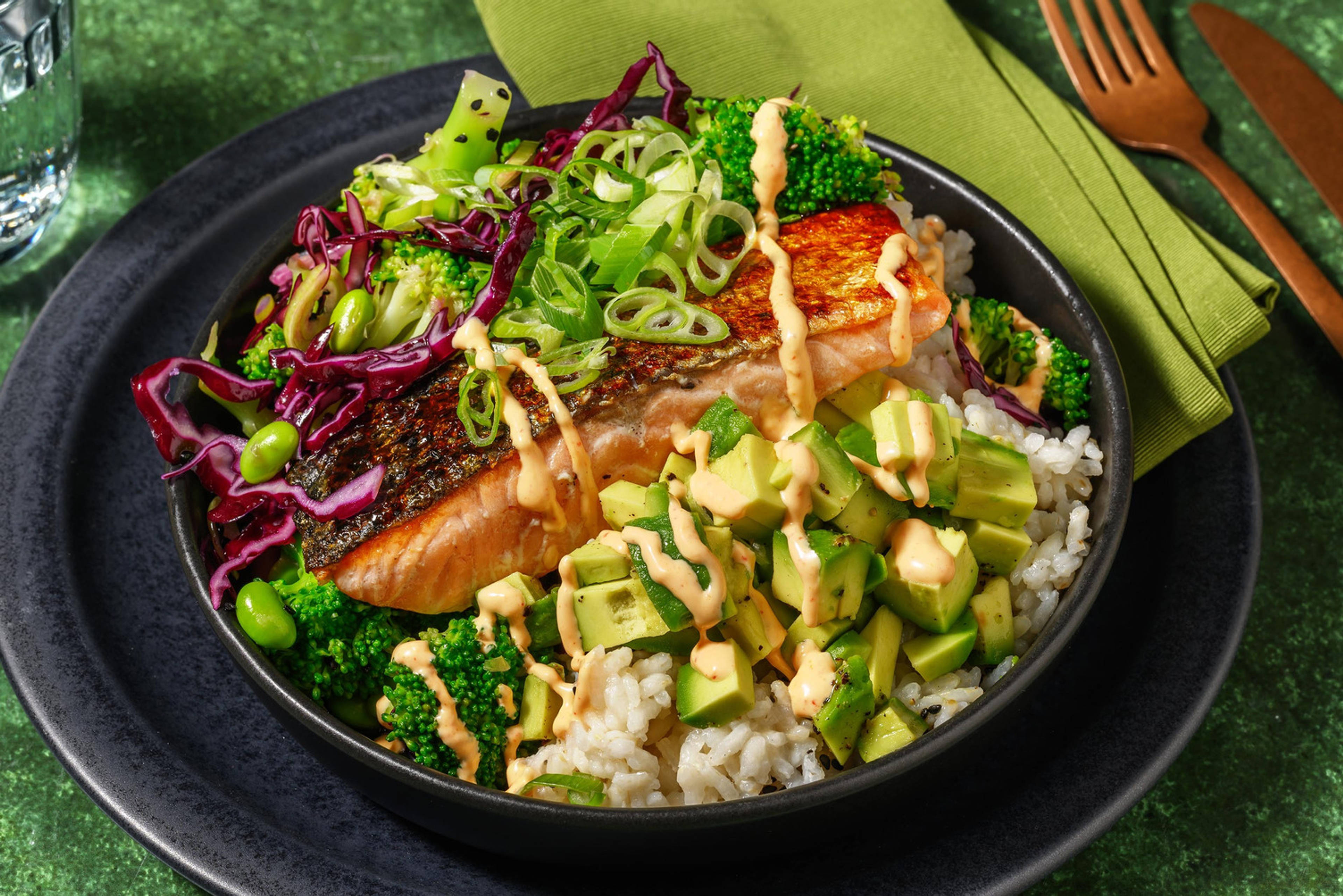
Credit: www.hellofresh.ca
Frequently Asked Questions
What Is A Healthy Asian Diet?
A healthy Asian diet emphasizes whole grains, fresh vegetables, lean proteins, and healthy fats. It incorporates dishes like stir-fried vegetables, sushi, and tofu. This diet is low in processed foods and rich in nutrients, promoting heart health and weight management.
Are Asian Diets Good For Weight Loss?
Yes, Asian diets can aid weight loss due to their focus on vegetables, lean proteins, and whole grains. These components are low in calories but high in nutrients. The emphasis on portion control and mindful eating further supports weight management.
What Are Some Easy Asian Recipes?
Some easy Asian recipes include vegetable stir-fry, miso soup, and chicken teriyaki. These dishes require minimal ingredients and are quick to prepare. They are nutritious and flavorful, making them perfect for a healthy meal plan.
How Do I Make Asian Meals Healthier?
To make Asian meals healthier, use less oil and more vegetables. Opt for lean proteins like chicken or tofu. Choose whole grains such as brown rice. Avoid deep-fried foods and reduce salt by using low-sodium soy sauce or other seasonings.
Conclusion
Healthy Asian diet recipes offer tasty and simple ways to eat well. Fresh vegetables, lean proteins, and light sauces make meals nutritious. These recipes help maintain energy and support good health daily. Try different dishes to enjoy new flavors and benefits.
Cooking at home lets you control ingredients and portions easily. Eating healthy does not mean boring food. Asian recipes show that healthy food can be delicious too. Start small, enjoy the process, and feel the positive changes. Your body and mind will thank you for it.







