
Are you tired of feeling tired, achy, or bloated all the time? Your body might be fighting inflammation without you even realizing it.
Imagine having a simple, easy-to-follow plan that helps reduce inflammation and boosts your energy in just 21 days. The 21 Day Anti Inflammatory Diet PDF is designed exactly for you—to guide you step-by-step toward better health, clearer skin, and more vitality.
Keep reading, and you’ll discover how this plan can fit into your life and make a real difference starting today.
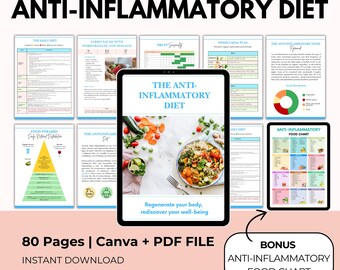
Credit: www.etsy.com
Anti Inflammatory Diet Basics
The 21 Day Anti Inflammatory Diet PDF introduces a simple way to reduce inflammation through food. This diet focuses on eating natural, whole foods that help the body heal. It avoids foods that cause swelling and pain.
Understanding the basics of this diet helps you make better food choices. It supports overall health and may ease chronic conditions linked to inflammation.
Key Principles
- Eat plenty of fruits and vegetables every day.
- Choose whole grains instead of refined grains.
- Include healthy fats like olive oil and nuts.
- Opt for lean proteins such as fish and poultry.
- Limit processed foods and added sugars.
- Drink plenty of water to stay hydrated.
Benefits For Health
- Reduces joint pain and stiffness.
- Improves digestion and gut health.
- Boosts the immune system naturally.
- Supports heart health and lowers blood pressure.
- Helps maintain healthy weight levels.
- Enhances energy and overall wellbeing.
Common Inflammatory Foods To Avoid
- Sugary drinks and snacks.
- Refined carbohydrates like white bread.
- Fried and fast foods.
- Red and processed meats.
- Excessive alcohol consumption.
- Artificial additives and preservatives.
Healing Foods To Include
Choosing the right foods can make a big difference in how you feel during the 21 Day Anti Inflammatory Diet. Healing foods help reduce inflammation and support your body’s natural ability to repair itself. Including a variety of these foods keeps your meals interesting and your body energized.
Fruits And Vegetables
Fruits and vegetables are packed with antioxidants that fight inflammation. Berries like blueberries and strawberries are especially powerful. Dark leafy greens such as spinach and kale provide essential vitamins and minerals that support healing.
Try adding colorful veggies to every meal. Have you noticed how a simple salad or roasted veggies can brighten your mood and energy? These foods aren’t just good for your body—they can also make eating enjoyable.
Healthy Fats
Not all fats cause inflammation. Healthy fats from sources like avocados, olive oil, and nuts actually reduce it. These fats help your body absorb nutrients and keep your joints lubricated.
Include a handful of walnuts or a drizzle of extra virgin olive oil in your meals. Have you ever felt how a creamy avocado can satisfy your hunger longer? These fats keep you full and help balance your inflammation levels.
Whole Grains And Legumes
Whole grains like quinoa, brown rice, and oats provide fiber that supports digestion and reduces inflammation. Legumes such as lentils and chickpeas are excellent plant-based protein sources.
Swapping white bread for whole grains can improve your energy without spikes. How often do you reach for legumes in your meals? Adding them can be a simple step toward healing.
Spices And Herbs
Spices like turmeric, ginger, and cinnamon have strong anti-inflammatory properties. Adding fresh herbs such as basil, rosemary, and thyme not only enhances flavor but also boosts your immune system.
Try sprinkling turmeric into your smoothies or ginger into your tea. Have you experienced how a pinch of spice can transform a dish and support your health at the same time? These small additions make a big impact.
Meal Planning Tips
Meal planning is a crucial part of succeeding with the 21 Day Anti Inflammatory Diet PDF. It helps you stay on track, reduce stress around mealtime, and ensure you’re consistently eating foods that fight inflammation. With the right approach, planning your meals can become a simple, enjoyable routine rather than a chore.
Creating Balanced Meals
Think about each meal as a combination of proteins, healthy fats, and plenty of colorful vegetables. This balance keeps your blood sugar steady and fights inflammation effectively.
Try filling half your plate with veggies, a quarter with lean protein like grilled chicken or beans, and the rest with healthy fats such as avocado or olive oil. This simple ratio makes it easy to build meals without overthinking.
Have you noticed how meals with too many carbs or too little fat leave you feeling sluggish? Adjusting your plate can change that energy slump into sustained vitality.
Batch Cooking Strategies
Batch cooking saves time and helps you avoid last-minute unhealthy choices. Set aside a few hours on the weekend to prepare large portions of anti-inflammatory staples like quinoa, roasted vegetables, or turkey chili.
Store these in portion-sized containers so you can grab a ready-made meal or mix and match ingredients quickly. This approach makes it easier to stick to your diet even on busy days.
Try cooking grains and proteins separately so you can combine them in different ways throughout the week. How much easier would your evenings be if dinner was already waiting in the fridge?
Grocery Shopping List
Keeping a focused grocery list prevents impulse buys that can throw your diet off track. Prioritize fresh produce, nuts, seeds, whole grains, and lean proteins.
Here’s a simple list to keep handy:
- Leafy greens (spinach, kale)
- Fresh berries and citrus fruits
- Wild-caught salmon or other fatty fish
- Olive oil and avocado oil
- Turmeric and ginger
- Almonds and walnuts
- Quinoa, brown rice, or barley
Stick to the perimeter of the store where fresh items live, and avoid processed aisles as much as possible. What impact would a more intentional shopping list have on your meal prep success?
Sample 21 Day Meal Plan
The Sample 21 Day Meal Plan offers a clear and simple guide for your anti-inflammatory journey. Each week focuses on fresh, whole foods that reduce inflammation and boost energy. The meals balance fruits, vegetables, lean proteins, and healthy fats. This plan helps build habits for long-term health.
Meals are easy to prepare and full of flavor. Recipes avoid processed ingredients and added sugars. The goal is to nourish your body while calming inflammation.
Week 1 Recipes
- Breakfast:Oatmeal with berries and chia seeds
- Lunch:Quinoa salad with mixed greens, avocado, and grilled chicken
- Dinner:Baked salmon with steamed broccoli and sweet potato
- Snack:Carrot sticks with hummus
Week 2 Recipes
- Breakfast:Smoothie with spinach, banana, and almond milk
- Lunch:Lentil soup with kale and tomatoes
- Dinner:Stir-fried tofu with bell peppers and brown rice
- Snack:Handful of walnuts and an apple
Week 3 Recipes
- Breakfast:Greek yogurt with flaxseeds and sliced peaches
- Lunch:Chickpea and cucumber salad with olive oil dressing
- Dinner:Grilled turkey breast with roasted Brussels sprouts and quinoa
- Snack:Celery sticks with almond butter
Lifestyle Changes To Support Healing
Healing from inflammation needs more than just diet changes. Small lifestyle shifts can help your body fight inflammation better. These habits support the anti-inflammatory foods you eat. They help your body rest, recover, and stay strong. Here are key lifestyle changes to support healing during your 21 Day Anti Inflammatory Diet plan.
Stress Management
Stress can cause your body to produce more inflammation. Managing stress lowers these harmful effects. Simple habits like deep breathing or meditation help calm your mind. Taking short breaks during the day reduces tension. Even light activities like walking or listening to music ease stress. Staying calm supports your body’s healing process.
Exercise And Movement
Regular exercise fights inflammation and boosts your health. Choose activities that suit your fitness level. Walking, swimming, or yoga improve blood flow and reduce swelling. Exercise also releases endorphins, which lift your mood. Aim for at least 30 minutes of movement most days. Consistency matters more than intensity for healing.
Sleep And Recovery
Good sleep is vital for reducing inflammation. Your body repairs itself while you rest. Try to get 7 to 9 hours of sleep each night. Create a relaxing bedtime routine to help you fall asleep faster. Avoid screens and bright lights before bed. Quality sleep supports your immune system and speeds healing.

Credit: www.amazon.com
Tracking Progress And Adjustments
Tracking your progress during the 21 Day Anti Inflammatory Diet is key to understanding how your body responds to the changes you make. Paying attention to subtle shifts in your symptoms and energy levels can reveal what’s working and what needs tweaking. This process helps you stay motivated and make smarter choices as you move forward.
Monitoring Symptoms
Keep a daily log of any symptoms like joint pain, swelling, or fatigue. Note the intensity and duration each day to spot patterns. You might find that certain foods trigger flare-ups or that your energy improves on specific days.
Using a simple journal or an app can make this easier. Don’t just focus on negative symptoms—track positive changes too, like better sleep or improved digestion. This balanced view helps you see the full impact of the diet.
Adapting The Diet
Your body’s reaction will guide how you adjust your meals. If a particular food seems to cause discomfort, consider swapping it out or reducing the portion. Sometimes, you’ll discover new favorites that keep inflammation down and taste great.
Try small changes first and give your body a few days to react before making more adjustments. If you feel stuck, consulting a nutritionist can provide personalized advice. Remember, flexibility is part of success, not failure.
Long-term Maintenance
After 21 days, the goal shifts from strict following to sustainable habits. You can continue tracking symptoms weekly instead of daily to keep an eye on your progress. This helps you catch any inflammation flare-ups early and manage them effectively.
Think about what worked best and what felt challenging during the diet. Which anti-inflammatory foods do you enjoy most? Building your long-term meal plan around these favorites makes it easier to stick with your new lifestyle.

Credit: www.amazon.ca
Frequently Asked Questions
What Is A 21 Day Anti Inflammatory Diet?
A 21 Day Anti Inflammatory Diet focuses on reducing inflammation through healthy food choices. It includes consuming fruits, vegetables, lean proteins, and whole grains. This diet emphasizes anti-inflammatory foods and limits processed foods, sugars, and unhealthy fats. It aims to improve overall health and alleviate inflammation-related symptoms.
How Does The Diet Pdf Help?
The diet PDF provides a structured plan to follow the diet effectively. It includes meal plans, recipes, and shopping lists. This helps individuals stay organized and committed. The PDF serves as a comprehensive guide, making the diet easier to follow and understand.
What Foods Are Included In The Diet?
The diet includes anti-inflammatory foods like leafy greens, berries, nuts, and fatty fish. These foods are rich in antioxidants and omega-3 fatty acids. They help reduce inflammation and promote overall health. Processed foods, sugars, and unhealthy fats are avoided in this diet.
Can The Diet Improve Overall Health?
Yes, the diet can improve overall health by reducing inflammation. It promotes the consumption of nutrient-dense foods. These foods support immune function, improve digestion, and boost energy levels. Following this diet can lead to a healthier lifestyle and reduced risk of chronic diseases.
Conclusion
Following the 21 Day Anti Inflammatory Diet PDF can improve your health. It helps reduce swelling and pain in your body. Eating fresh fruits, vegetables, and whole foods supports healing. Small changes lead to better energy and mood. Stick to the plan and feel the difference.
Your body will thank you for the care. Start today and enjoy a healthier tomorrow. Simple steps make lasting change possible.







