
Preparing for a colonoscopy can feel overwhelming, but one simple step can make a big difference: following a low fiber diet. If you want your procedure to go smoothly and get the most accurate results, adjusting what you eat beforehand is key.
You might wonder why fiber matters so much or what foods you should avoid. Keep reading to discover easy tips and clear guidance that will help you prepare confidently and comfortably for your colonoscopy. Your health depends on it, and we’re here to make it easier for you.

Credit: www.everydayhealth.com
Why Low Fiber Matters
Preparing for a colonoscopy means paying close attention to your diet, especially fiber intake. Fiber plays a big role in how your digestive system works, but too much of it before the procedure can cause issues. Understanding why a low fiber diet matters can help you get the clearest results from your colonoscopy.
Impact On Colonoscopy Results
Your colon needs to be as clean as possible for the doctor to see clearly. Fiber-rich foods leave behind residue that sticks to the colon walls, making it harder to spot problems like polyps or inflammation.
If your colon isn’t properly cleaned, the procedure might need to be repeated. This means more discomfort and extra time off from work or daily activities. By cutting down on fiber, you reduce leftover waste, giving your doctor a better view and a more accurate diagnosis.
How Fiber Affects Digestion
Fiber helps move food through your digestive system by adding bulk to your stool. While this is healthy most of the time, before a colonoscopy, it can cause stool to remain in your colon longer.
High fiber foods like whole grains, nuts, and raw vegetables break down slowly and can leave behind bits that stick to your colon lining. This can interfere with the effectiveness of the cleansing agents you’ll take before the procedure.
Have you noticed how some foods stay with you longer and make digestion feel heavy? That’s fiber in action. Reducing it temporarily gives your colon a chance to clear out completely.
Foods To Avoid
Choosing the right foods is crucial before a colonoscopy. Some foods can leave residue in your colon, making the test less effective. Avoiding certain foods helps clear your bowel properly. Focus on low-fiber options and steer clear of high-fiber items.
High-fiber Vegetables And Fruits
- Broccoli
- Brussels sprouts
- Cauliflower
- Carrots
- Corn
- Celery
- Green beans
- Apples with skin
- Pears with skin
- Berries like raspberries and blackberries
- Oranges and other citrus fruits with pulp
Whole Grains And Nuts
- Whole wheat bread and pasta
- Brown rice
- Oatmeal with bran
- Granola
- Almonds
- Walnuts
- Cashews
- Peanuts
- Other mixed nuts
Seeds And Legumes
- Chia seeds
- Flaxseeds
- Sunflower seeds
- Pumpkin seeds
- Beans such as black beans and kidney beans
- Lentils
- Peas
- Chickpeas
Safe Foods To Eat
Choosing the right foods before your colonoscopy can make a big difference in how comfortable your prep is. Safe foods help keep your digestive system clear without leaving residue that could interfere with the procedure. Here’s a look at options that fit well into a low fiber diet, helping you stay nourished and on track.
Refined Grains And Low-fiber Choices
Refined grains are your best friends during colonoscopy prep. White bread, plain bagels, and white rice are easy to digest and low in fiber, making them ideal choices.
- Plain pasta without sauce
- Low-fiber cereals like corn flakes or puffed rice
- Crackers without seeds or nuts
Have you noticed how whole grains can sometimes upset your stomach? Switching to refined options helps avoid that discomfort while keeping you full.
Lean Proteins And Dairy
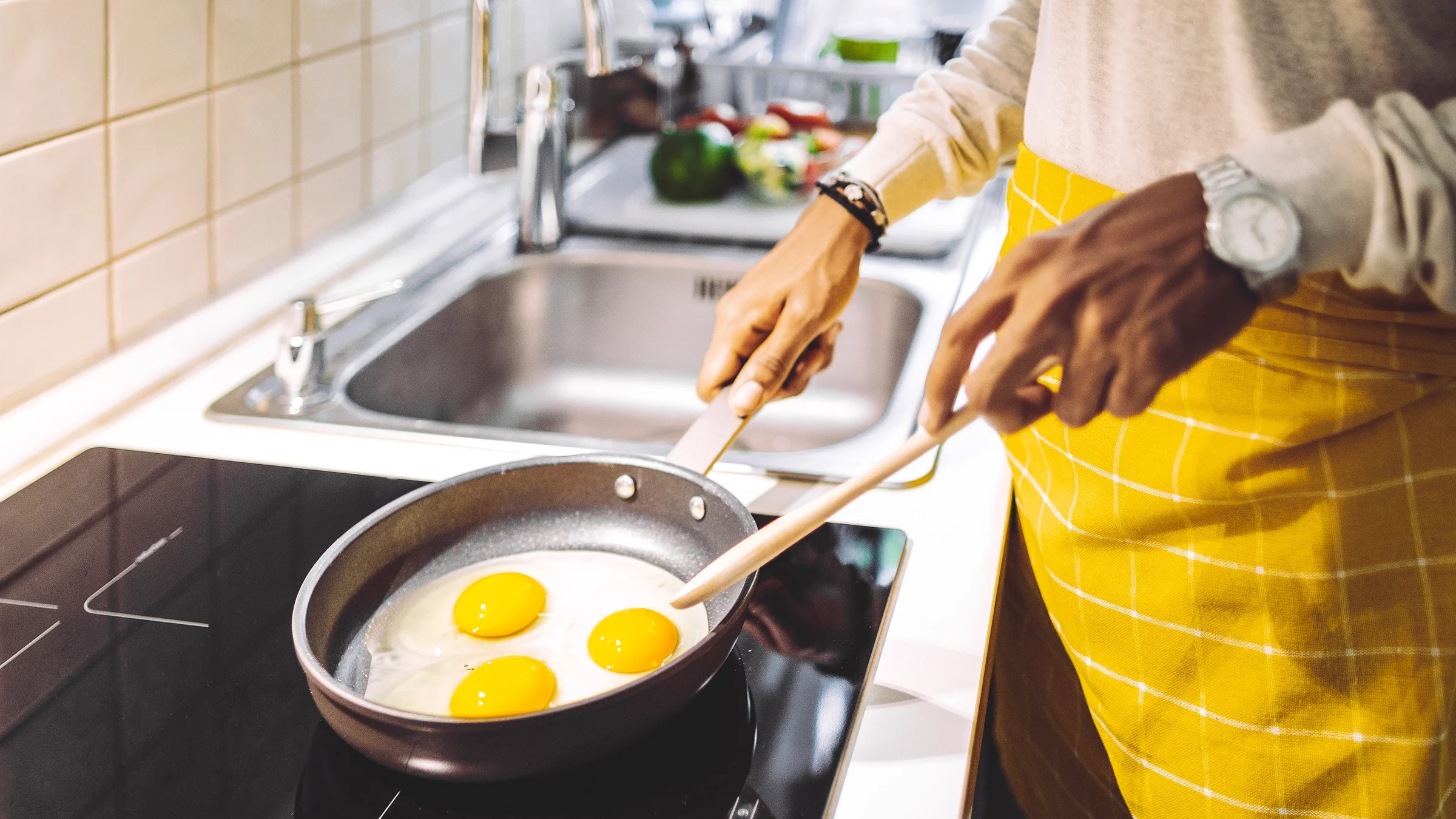
Lean meats like skinless chicken or turkey provide essential protein without adding fiber. Eggs are also a great choice—they’re gentle on your system and easy to prepare.
- Boiled or poached eggs
- Low-fat yogurt without fruit pieces
- Cottage cheese
Dairy can be tricky, but sticking to smooth, low-fat options helps. Avoid anything with seeds, nuts, or chunks that might add unwanted fiber.
Clear Liquids And Fluids
Staying hydrated is crucial, and clear liquids play a major role. Water, clear broths, and certain juices without pulp keep you hydrated without leaving residue in your colon.
- Water and electrolyte drinks
- Clear chicken or beef broth
- Apple juice and white grape juice (no pulp)
- Tea or coffee without cream
Have you ever tried sparkling water with a splash of lemon? It’s refreshing and often easier to drink during prep than plain water.
Credit: www.goodrx.com
Sample Meal Plan
Preparing for a colonoscopy requires a clear and simple diet plan. A low fiber diet helps keep your colon clean. This sample meal plan offers easy ideas for each meal. It keeps your fiber intake low while providing enough energy.
Breakfast Ideas
- Scrambled eggs with white toast
- Plain yogurt without fruit pieces
- Oatmeal made with water, no seeds or nuts
- Boiled or poached eggs
- White bread bagel with cream cheese
Lunch And Dinner Options
- Grilled chicken breast with cooked carrots
- White rice with steamed zucchini
- Baked fish with peeled potatoes
- Plain pasta with a small amount of olive oil
- Turkey sandwich on white bread, no lettuce or tomato
Snack Suggestions
- Saltine crackers
- Hard-boiled eggs
- Plain cheese slices
- Gelatin dessert without fruit
- Apple sauce without skin or chunks
Timing Your Diet
Timing your diet before a colonoscopy is crucial to ensure your bowel is clear for the procedure. Starting the low fiber diet at the right moment helps reduce residue in your colon, making the process smoother and more effective. Managing this timing can also ease discomfort and improve your overall experience.
When To Start Low Fiber
You should begin a low fiber diet about 2 to 3 days before your colonoscopy. This timing allows your digestive system to adjust and reduces the amount of undigested food in your colon.
Cut out foods like whole grains, nuts, seeds, raw fruits, and vegetables during this period. Instead, focus on eating white bread, white rice, lean meats, and cooked vegetables without skins. Have you noticed how even small changes in your diet can make a big difference in how you feel?
Transitioning To Clear Liquids
The day before your colonoscopy, switch to clear liquids only. This includes water, broth, clear juices without pulp, and tea or coffee without cream.
Clear liquids help flush out your system and prevent anything solid from remaining in your colon. It may feel challenging at first, but remember that this step is essential to get the best results from your exam.
Try to drink plenty of fluids throughout the day to stay hydrated. How do you stay motivated when your diet feels limited? Focusing on the goal of a successful colonoscopy can help maintain your commitment.
Common Mistakes
Preparing for a colonoscopy can be stressful, and making mistakes with your low fiber diet can throw off the entire process. Many people think they know what to avoid, but hidden fiber and ignoring instructions often cause problems. Understanding these common errors can help you get better results and reduce the need for repeat procedures.
Hidden Fiber Sources
Not all fiber is obvious. You might think you’ve cut out fruits and vegetables, but some foods sneak in more fiber than you expect. For example, nuts, seeds, and whole grain bread often get overlooked.
Even certain processed foods contain added fibers or ingredients like beans and legumes. Have you checked the labels carefully? Sometimes, small amounts of fiber can add up quickly, interfering with your prep.
Pay attention to sauces and seasonings too. Ingredients like tomato paste or salsa can contain seeds and skin fragments that increase fiber content. Avoiding these hidden sources ensures your bowel is as clean as possible.
Ignoring Prep Instructions
Skipping or rushing through your prep instructions can lead to poor colonoscopy results. You might feel fine and think you can eat or drink something you shouldn’t, but this can leave residue in your colon.
Doctors provide clear steps for a reason. Missing the timing of your diet changes or laxatives can mean your doctor won’t get a clear view. Have you ever wondered why the instructions seem so strict?
Following every detail—when to stop eating fiber, when to start the clear liquid diet, and when to take your laxatives—makes a big difference. Your effort here directly impacts the success of the procedure and your safety.
Tips For Success
Following a low fiber diet for colonoscopy prep can be challenging. Simple tips help make the process easier and more effective. Staying focused on hydration and managing hunger ensures a smoother experience.
Staying Hydrated
Drink plenty of clear liquids throughout the day. Water, broth, and clear juices keep your body balanced. Avoid drinks with pulp or color dyes. Sip fluids slowly to prevent stomach upset. Staying hydrated helps flush your system and supports your body’s needs.
Managing Hunger And Cravings
Eat small, low-fiber meals to reduce hunger pangs. Choose foods like white bread, eggs, and lean meats. Avoid crunchy or fibrous snacks. Keep busy to distract from cravings. Drinking warm tea or broth can also help ease hunger. Plan meals ahead to avoid last-minute choices.

Credit: www.everydayhealth.com
Frequently Asked Questions
What Foods Are Allowed On A Low Fiber Diet For Colonoscopy?
Allowed foods include white bread, white rice, cooked vegetables without skins, lean meats, eggs, and clear juices. Avoid whole grains, nuts, seeds, and raw vegetables to ensure the colon is clear for the procedure.
Why Is A Low Fiber Diet Important Before Colonoscopy?
A low fiber diet reduces bowel residue and prevents stool formation. This helps doctors get a clear view of the colon during the colonoscopy, improving diagnosis accuracy and procedure safety.
How Long Should I Follow A Low Fiber Diet Before Colonoscopy?
Typically, you should follow a low fiber diet for 2 to 3 days before your colonoscopy. Always follow your doctor’s specific instructions for the best results.
Can I Drink Liquids On A Low Fiber Diet Before Colonoscopy?
Yes, clear liquids like water, broth, tea, and clear juices are allowed. Avoid any beverages with pulp or red/purple coloring to keep your colon clean.
Conclusion
A low fiber diet helps clear your colon for a smooth procedure. Eating simple foods reduces residue in your intestines. This diet makes the colonoscopy prep easier and more effective. Stick to the plan as your doctor advises. Clear bowels give doctors a better view inside.
The process may feel challenging but stays short. A good prep leads to accurate results and better care. Remember, following the diet supports your health and the test’s success. Simple steps bring big benefits for your colonoscopy.







