
Are you wondering how many pushups you need to do each day to actually build muscle? You’re not alone.
Pushups are one of the simplest exercises, but figuring out the right amount to see real muscle growth can be confusing. Doing too few might leave you stuck without progress, while doing too many could lead to burnout or injury.
You’ll discover the ideal pushup routine tailored to your goals. Keep reading to unlock the secret to turning your pushups into powerful muscle builders—no guesswork needed.
Pushups And Muscle Growth
Pushups are more than just a simple exercise; they play a significant role in building muscle effectively. Understanding how pushups contribute to muscle growth can help you tailor your daily routine to maximize results. Let’s break down the muscle groups involved and how pushups actually build strength.
Muscle Groups Targeted
Pushups primarily work your upper body but also engage your core. The main muscles targeted include:
- Chest (Pectoralis Major):This is the biggest muscle worked during a pushup. It helps in pushing movements and gives your upper body a fuller look.
- Shoulders (Deltoids):Especially the front part of the shoulders, which stabilize and assist in the movement.
- Triceps:These muscles on the back of your arms are heavily involved as you push your body up.
- Core Muscles:Your abs and lower back work to keep your body straight and balanced.
When you do pushups regularly, these muscles grow stronger and more defined. Have you noticed how even a few pushups can leave your arms and chest feeling worked?
How Pushups Build Strength
Pushups build strength by forcing your muscles to lift and control your body weight. This resistance challenges your muscle fibers, causing tiny tears. Your body repairs these tears, making the muscles bigger and stronger.
As you progress, your muscles adapt to the load. That’s why simply doing the same number of pushups every day won’t always lead to muscle growth. You need to increase the difficulty over time by adding more reps, trying variations, or slowing down the movement.
Here’s a practical tip: Track your pushup count and aim to push a little further each week. Have you tried counting your reps and seeing how far you can go before fatigue? This method helps you push past plateaus and keep your muscles growing.
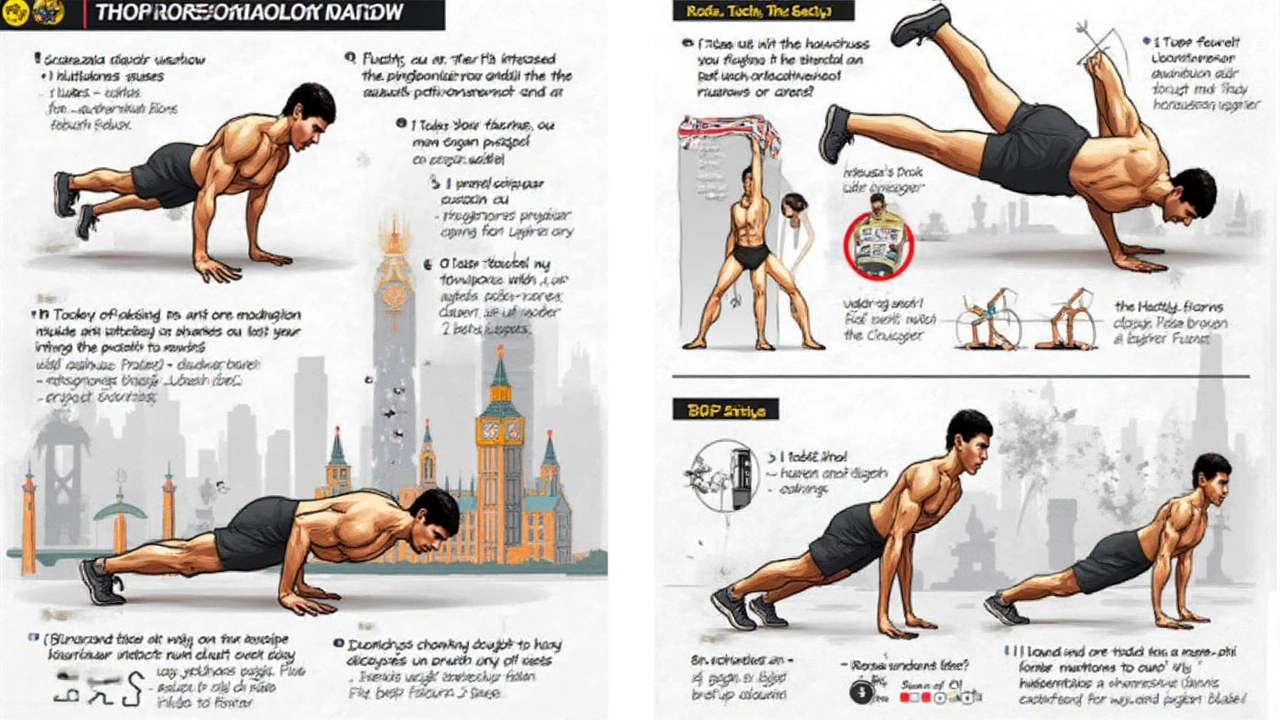
Credit: scarletstate.co.uk
Determining Your Starting Point
Determining your starting point is key to building muscle with pushups. It sets a base to track progress and avoid injury. Knowing your current strength helps create a balanced routine. Start with realistic goals to stay motivated and consistent.
Assessing Current Fitness Level
Test how many pushups you can do in one set without stopping. Count only those with good form. If you can do fewer than 5, begin with easier variations. Between 5 and 15 means moderate strength. Above 15 suggests good strength for standard pushups.
Pay attention to any pain or discomfort during the test. This signals the need for a gentler start. Record your results to measure improvement over time.
Types Of Pushups To Try
Choose pushup types that fit your fitness level. Here are some options:
- Wall Pushups:Stand and push against a wall. Good for beginners.
- Knee Pushups:Keep knees on the floor to reduce weight.
- Standard Pushups:Hands and toes on the floor, full body weight.
- Incline Pushups:Hands on a raised surface. Easier than standard.
Try a few types to find what suits you best. Build strength gradually by increasing reps and sets.
Optimal Pushup Volume
Finding the right pushup volume is key to building muscle effectively. Doing too few pushups might not stress muscles enough. Doing too many can cause fatigue and slow progress. The goal is to find a balance that challenges muscles without overtraining. Optimal pushup volume varies by fitness level and goals.
Reps Vs Sets
Reps mean the number of pushups done in a row. Sets are groups of reps with rest between them. For muscle growth, moderate reps with multiple sets work best. For example:
- 8 to 15 reps per set
- 3 to 5 sets per session
This approach creates muscle tension and allows recovery between sets. It helps muscles grow stronger over time. Doing all reps at once can cause quick fatigue and reduce quality.
Daily Pushup Recommendations
Doing pushups every day is possible, but volume matters. Beginners can start with 20 to 30 pushups daily. Break them into sets to maintain good form.
Intermediate trainees might aim for 50 to 100 pushups daily. This should be divided into sets and spread throughout the day. Rest days are important if muscles feel sore or tired.
Advanced exercisers can push beyond 100 pushups daily. They often use variations to target muscles differently. Listening to the body helps avoid injury and overtraining.
Progressive Overload Techniques
Progressive overload is the key to building muscle with pushups. It means you gradually make your muscles work harder over time. Without it, your progress will stall, and gains will become hard to achieve.
Applying progressive overload to pushups doesn’t require fancy equipment. Small, consistent increases in difficulty or volume can lead to noticeable strength improvements. Are you ready to push your limits safely and effectively?
Increasing Reps Gradually
Start by tracking how many pushups you can do with good form. Once a set feels manageable, add a few more reps next time.
A practical approach is to increase by 1-3 reps every few days or each week. This steady growth challenges your muscles just enough to stimulate growth without causing burnout.
Keep a log of your reps. Seeing your progress over time motivates you to keep going. How many more pushups can you add this week?
Adding Variations For Challenge
Once basic pushups become too easy, change the exercise to target muscles differently. Variations can increase difficulty without just adding reps.
- Elevated feet pushups:Raise your feet on a bench to shift more weight to your upper body.
- Diamond pushups:Place hands close together to emphasize triceps and inner chest.
- Archer pushups:Move one arm out to the side to increase load on the other arm.
- Slow tempo pushups:Lower yourself slowly to increase time under tension.
Try swapping variations every week to keep your muscles guessing. Which variation feels toughest for you right now?
Balancing Rest And Recovery
Balancing rest and recovery is just as important as the number of pushups you do each day. Without enough rest, your muscles can’t rebuild and grow stronger. You might feel tempted to push through every day, but that can backfire and slow your progress.
Signs Of Overtraining
How do you know if you’re pushing too hard? Watch for these signs that your body needs a break:
- Persistent muscle sorenessthat doesn’t go away after a day or two.
- Fatiguethat makes even simple tasks feel exhausting.
- Drop in performance, like doing fewer pushups than usual.
- Increased irritabilityor trouble sleeping.
I once ignored these signs and kept doing pushups daily. Soon, I hit a plateau and felt drained. Taking time off helped me bounce back stronger than before.
Rest Days Importance
Your muscles need time to repair the tiny tears caused by exercise. This repair process is what builds muscle. Skipping rest days means you miss out on this crucial step.
Try scheduling rest days after 2-3 days of pushup workouts. Use those days to stretch, hydrate, or do light activity like walking. This balance helps you avoid burnout and keeps your muscles growing.
Ask yourself: Are you listening to your body or just pushing through? Sometimes, less is more when it comes to building muscle efficiently.

Credit: www.menshealth.com
Nutrition For Muscle Gains
Nutrition plays a crucial role in building muscle alongside your pushup routine. Without the right fuel, your muscles won’t recover or grow effectively. It’s not just about eating more but eating smart to support your daily pushups and muscle gains.
Protein Intake Guidelines
Protein is the building block of muscle. Aim for about 1.6 to 2.2 grams of protein per kilogram of your body weight daily. This range supports muscle repair and growth without overloading your system.
Spread your protein intake evenly throughout the day. Try to include a source of protein with every meal and snack. Good sources include chicken, fish, eggs, dairy, beans, and lentils.
When I started tracking my protein, I noticed faster recovery and less muscle soreness. Have you ever felt like your muscles were stuck and not growing? Adjusting your protein might be the key.
Supplements That Help
Supplements can be a helpful addition but aren’t necessary if your diet is solid. Whey protein is a convenient way to meet your protein goals, especially post-workout. It absorbs quickly and helps kickstart muscle repair.
Creatine is another well-researched supplement that can boost your pushup performance and muscle size. It helps your muscles produce energy during short bursts of intense exercise.
Don’t overlook simple supplements like vitamin D and omega-3s, which support overall muscle function and reduce inflammation. Think about what gaps your diet might have and fill them wisely.
Tracking Your Progress
Tracking your progress helps you see how your muscles grow with pushups. It keeps you motivated and shows what works best. Regular tracking helps avoid plateaus and guides your training.
Using A Workout Journal
A workout journal records your pushup sets, reps, and rest time. Write down how many pushups you do each day. Note any changes in difficulty or muscle feeling. This record helps you spot progress and patterns. You can also track how your strength improves over weeks.
Adjusting Routine Based On Results
Use your journal notes to change your pushup routine. Increase reps if pushups become easy. Add variations like incline or diamond pushups for more challenge. Reduce rest time to improve endurance. Adjusting keeps muscles growing and prevents boredom. Pay attention to your body’s signals to avoid injury.

Credit: www.youtube.com
Frequently Asked Questions
How Many Pushups Should I Do Daily To Gain Muscle?
To build muscle, start with 10-15 pushups daily. Gradually increase to 20-30 as you gain strength. Consistency is key for muscle growth. Pair pushups with a balanced diet rich in protein for best results. Listen to your body to avoid overtraining.
Are Pushups Enough For Muscle Building?
Pushups are excellent for building upper body strength. However, they should be combined with other exercises for balanced muscle growth. Incorporate variations like incline pushups and diamond pushups. A well-rounded workout routine enhances overall muscle development. Strength training and a proper diet complement pushup routines.
Can I Do Pushups Every Day?
Yes, you can do pushups daily, but listen to your body. If you experience soreness, take a rest day. Overtraining can lead to injuries and hinder progress. Balance your routine with rest and recovery. This ensures effective muscle growth and long-term fitness.
How Fast Can Pushups Build Muscle?
Pushups can show noticeable results in 4-6 weeks with consistent effort. Progress varies based on fitness level and diet. Increase pushup reps gradually and maintain proper form. Combining pushups with a protein-rich diet accelerates muscle growth. Patience and persistence are crucial for success.
Conclusion
Building muscle with pushups takes time and effort. Start with a number you can manage well. Gradually increase reps to challenge your muscles. Rest days help muscles grow and recover. Consistency matters more than doing too many at once. Focus on good form to avoid injury.
Combine pushups with a healthy diet for best results. Small steps lead to strong, lasting gains. Keep pushing yourself, but listen to your body. Results will come with patience and steady work.







