
Are you wondering if cycling can help you build strong, toned leg muscles? You’re not alone.
Many people turn to cycling not just for fun or fitness but also hoping to shape their legs. The good news is, cycling does more than just burn calories—it can actually transform your leg muscles in ways you might not expect.
You’ll discover exactly how cycling impacts your leg muscles, what types of cycling work best, and tips to maximize your muscle growth. Keep reading to find out how you can pedal your way to stronger legs.
How Cycling Engages Leg Muscles
Cycling is more than just a fun way to get around or a great cardio workout. It actively engages your leg muscles in ways that can help you build strength and endurance over time. Understanding how your legs work during cycling can help you target the right muscles and improve your performance.
Primary Muscles Worked
Your legs are the powerhouse behind every pedal stroke. The main muscles cycling targets include:
- Quadriceps:These are the large muscles at the front of your thighs. They push the pedals down and provide most of the force.
- Hamstrings:Located at the back of your thighs, they help pull the pedals back up and stabilize your legs during movement.
- Glutes:Your butt muscles play a crucial role in providing power, especially when you’re climbing hills or sprinting.
- Calves:These muscles help with the pedal stroke’s finishing phase, pointing your toes and adding extra push.
Feeling your legs burn after a long ride? That’s these muscles working hard to build strength.
Muscle Activation During Different Cycling Styles
Not all cycling is the same. How you ride affects which muscles get worked the most.
- Road Cycling:Focuses on endurance, so your quadriceps and hamstrings get a steady workout. You’ll feel a rhythmic push and pull with every pedal.
- Mountain Biking:Requires bursts of power and control, activating your glutes and calves more intensely. The uneven terrain challenges your leg muscles to stabilize constantly.
- Spin Classes:Often involve varied resistance levels. This style can target your quads deeply with heavy resistance, while lighter resistance speeds up cadence and works endurance.
Have you noticed how your legs feel different after each type of ride? That’s because different cycling styles activate your muscles in unique ways, helping you build strength selectively.
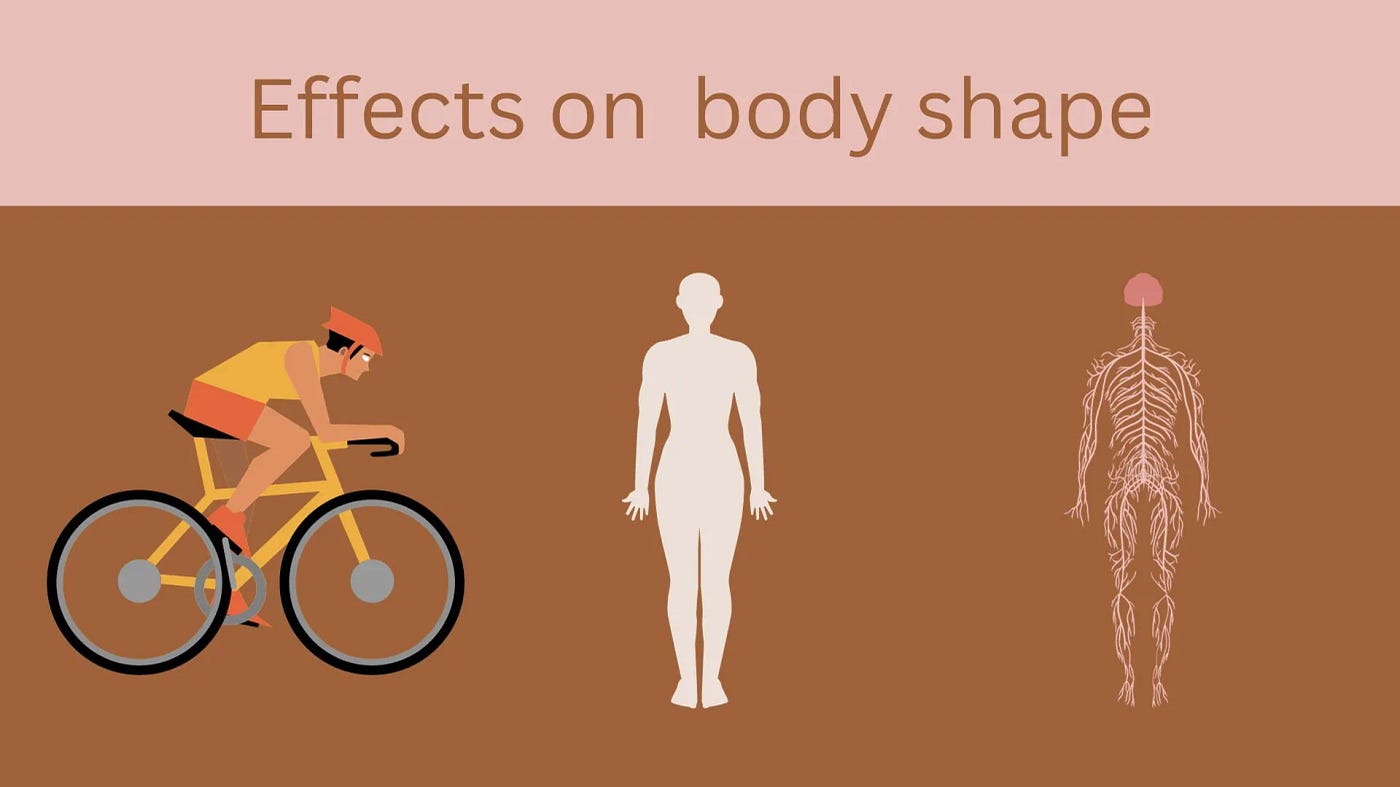
Credit: medium.com
Types Of Cycling For Muscle Growth
Cycling offers various ways to build leg muscle, but the type of cycling you choose can make a big difference in your results. Different cycling styles target muscles in unique ways, helping you develop strength, endurance, and power. Understanding how each type affects your muscles can help you pick the right approach for your fitness goals.
Road Cycling
Road cycling is great for building endurance in your leg muscles, especially the quadriceps, hamstrings, and calves. The consistent pedaling motion helps tone these muscles over time, but the resistance is often lower compared to other types. To really build muscle, try adding hill climbs or sprint intervals to your rides—they challenge your legs with more force and boost muscle growth.
Mountain Biking
Mountain biking offers a more intense workout for your legs because it involves rough terrain and frequent bursts of power. You’ll engage stabilizing muscles in your hips and glutes more than on smooth roads. The combination of climbing, sudden accelerations, and technical handling can lead to stronger, more defined leg muscles.
Indoor Cycling
Indoor cycling classes or stationary bikes allow you to control resistance precisely, which is ideal for muscle building. You can increase the difficulty to push your legs harder during sprints or climbs. Plus, the structured nature of classes often motivates you to maintain high intensity, promoting muscle growth efficiently.
Intensity And Duration Impact
The intensity and duration of cycling shape how much leg muscle you build. Different cycling styles target muscles in unique ways. Your workout’s strength depends on how hard and how long you ride. These factors change muscle growth and endurance.
Role Of Resistance And Speed
Resistance increases the effort your legs must make. Pedaling uphill or using a heavy gear adds resistance. This forces muscles to work harder, promoting muscle growth.
Speed affects muscle use differently. Fast pedaling uses quick, small muscle movements. It improves muscle tone and endurance but may not build bulk. Combining resistance and speed creates a balanced leg workout.
Effect Of Long Rides Vs Short Sprints
Long rides build endurance and tone leg muscles. They keep your muscles active for a long time but with moderate effort. This improves muscle stamina without adding much size.
Short sprints use maximum effort for brief moments. They activate fast-twitch muscle fibers, which grow bigger and stronger. Sprinting helps build muscle size and power quickly.
Both long rides and sprints serve different muscle goals. Mixing these styles can help develop strong, well-shaped legs.
Cycling Vs Other Leg Workouts
Cycling is a popular way to exercise legs. It builds endurance and tones muscles. Other leg workouts focus more on strength and size. Comparing cycling with these workouts helps understand their effects on leg muscles. Each method has unique benefits and limitations.
Comparison With Weight Training
Weight training uses heavy loads to stress muscles. It targets muscle growth and strength. Exercises like squats and leg presses build bulk. Cycling mainly improves muscle endurance and tone. It involves repeated low-resistance movements. Weight training creates muscle fibers’ micro-tears, leading to growth. Cycling promotes muscle stamina and better blood flow.
Both methods affect muscles differently:
- Weight training increases muscle size and power.
- Cycling enhances muscle endurance and definition.
- Weight training targets specific muscles intensely.
- Cycling works many leg muscles continuously.
- Weight training needs rest days for recovery.
- Cycling can be done daily with less injury risk.
Complementing Cycling With Strength Exercises
Combining cycling with strength exercises balances leg development. Strength workouts improve power and muscle mass. Cycling boosts stamina and cardiovascular health. Together, they create strong, well-rounded legs.
Consider adding:
- Squats for quads and glutes strength.
- Deadlifts to engage hamstrings and lower back.
- Lunges for balance and muscle symmetry.
- Calf raises to build lower leg muscles.
This mix enhances cycling performance and muscle shape. It reduces injury risks and prevents muscle imbalances. Cycling and strength training support each other well.
Nutrition And Recovery For Muscle Building
Nutrition and recovery play a crucial role in building leg muscle through cycling. Without proper fuel and rest, your muscles can’t grow or repair effectively, no matter how hard you train. Understanding how to support your body outside of cycling sessions can drastically improve your strength and endurance.
Fueling For Performance
Your muscles need the right nutrients to perform and grow. Focus on eating enough protein to repair muscle fibers torn during rides. Aim for sources like lean meats, eggs, dairy, or plant-based proteins such as beans and lentils.
Carbohydrates are your primary energy source during cycling. Choose whole grains, fruits, and vegetables to keep your energy steady. Don’t forget healthy fats from nuts, seeds, and avocados—they help with hormone production, including those that influence muscle growth.
Hydration also impacts muscle function and recovery. Drink water consistently before, during, and after your rides. Ever noticed your legs feeling sluggish when you’re dehydrated? That’s your body signaling it needs more fluids to perform well.
Rest And Muscle Repair
Muscle growth happens mostly when you’re resting, not while you’re cycling. Sleep is essential; aim for 7-9 hours per night to give your body time to repair and build muscle tissue. Quality sleep helps regulate hormones like growth hormone and testosterone, which are vital for muscle development.
Active recovery days can help too—light cycling or stretching promotes blood flow and reduces muscle soreness. Overtraining without proper rest can stall your progress and increase injury risk. How often do you listen to your body and take a break when needed?
Consider adding recovery tools like foam rolling or massage to your routine. These methods help release muscle tightness and improve circulation, speeding up repair. Remember, building stronger legs isn’t just about how much you ride; it’s about how well you recover and fuel your efforts.

Credit: www.bikeradar.com
Tips To Maximize Leg Muscle Growth
Building leg muscle through cycling requires more than just hopping on your bike. You need focused strategies to push your muscles beyond their usual limits. Here are some practical tips to help you maximize leg muscle growth and get the most out of every pedal stroke.
Training Techniques
Varying your cycling workouts plays a key role in muscle growth. Mix in hill climbs or high-resistance intervals to challenge your legs differently than steady rides. These efforts force your muscles to work harder, stimulating growth and strength.
Try incorporating short sprints followed by recovery periods. This not only improves power but also recruits more muscle fibers. Adding strength training off the bike, like squats or lunges, can further enhance your leg development.
Have you considered changing your cadence? Riding at a lower cadence with higher resistance can increase muscle load. This simple adjustment can make your legs work harder without extra time spent cycling.
Tracking Progress
Keeping track of your workouts helps you see what’s working and where you can improve. Use apps or a simple journal to log distance, resistance, and perceived effort. Watching your progress motivates you to push further.
Measure your leg strength regularly with simple tests like timed hill climbs or max sprints. Noticing improvements confirms your training is effective. If progress stalls, adjust your routines to introduce new challenges.
Have you ever noticed how small changes in your routine impact muscle growth? Tracking these details helps you fine-tune your approach. Consistent monitoring keeps you accountable and focused on your goals.
Credit: sportsadvice.decathlon.sg
Frequently Asked Questions
Does Cycling Help Build Leg Muscles?
Yes, cycling is an effective way to build leg muscles. It primarily targets the quadriceps, hamstrings, calves, and glutes. Regular cycling helps increase muscle endurance and strength. It also enhances muscle tone and definition. Consistent cycling, combined with resistance, can significantly improve your leg muscle mass over time.
How Often Should I Cycle To Build Muscles?
To build leg muscles, aim for cycling sessions 3-5 times a week. Consistency is key to muscle growth. Each session should last 30-60 minutes. Incorporate varied intensities and terrains for optimal results. Remember to allow time for recovery between sessions to prevent muscle fatigue.
What Type Of Cycling Is Best For Muscle Growth?
For muscle growth, incorporate both high-intensity interval training (HIIT) and hill cycling. HIIT sessions boost muscle strength and endurance. Hill cycling increases resistance, targeting different muscle groups effectively. Combining these with regular cycling can maximize muscle-building benefits. Adjust resistance levels and durations for optimal results.
Can Cycling Replace Leg Workouts?
Cycling can complement but not fully replace traditional leg workouts. It effectively targets major leg muscles but lacks certain resistance training benefits. For comprehensive muscle development, combine cycling with exercises like squats and lunges. This ensures balanced muscle growth and enhances overall leg strength and stability.
Conclusion
Cycling helps build leg muscles effectively over time. It strengthens thighs, calves, and hamstrings with regular rides. Consistent cycling improves muscle tone and endurance too. Combining cycling with other exercises speeds up muscle growth. Riding at different speeds challenges muscles in new ways.
Start slow, then increase your cycling intensity gradually. Enjoy the ride while building strong, healthy legs. Keep pedaling, and you will see results soon.







