
Are you trying to build muscle but unsure if the keto diet can help? You might have heard that low-carb eating and muscle gain don’t mix.
But what if keto could actually boost your strength and reshape your body? You’ll discover how the keto diet works with your muscle-building goals. You’ll learn simple tips to fuel your workouts and get the results you want faster. Keep reading to unlock the secrets that could change the way you build muscle forever.
Keto Diet Basics
Understanding the basics of the keto diet is essential if you want to build muscle effectively while following this eating plan. Keto isn’t just about cutting carbs; it completely changes how your body gets energy. Grasping these fundamentals can help you make better choices and see results faster.
What Is Keto?
The keto diet is a low-carb, high-fat eating plan designed to shift your body’s energy source from glucose to fat. Normally, your body uses carbohydrates for fuel, but on keto, you eat very few carbs—usually less than 50 grams per day.
This forces your body into a state called ketosis, where it burns fat for energy instead of carbs. You’ll eat plenty of healthy fats like avocados, nuts, and olive oil, moderate protein, and avoid sugar and starchy foods.
Think about your last meal: was it loaded with bread or pasta? On keto, those foods are off the table, which can feel challenging at first but gets easier with practice.
How Keto Affects Metabolism
When your body enters ketosis, your metabolism switches gears. Instead of relying on glucose, it starts breaking down fat into molecules called ketones, which become your new fuel source.
This shift can help reduce insulin levels and stabilize blood sugar, which is important for muscle growth and fat loss. With lower insulin spikes, your body may become better at burning fat even during rest.
However, adapting to this metabolic change takes time. You might feel tired or have less energy for workouts initially, but once adapted, many find their endurance and focus improve.
Have you noticed how your energy fluctuates after different meals? Keto changes this pattern, often leading to steadier energy throughout the day.
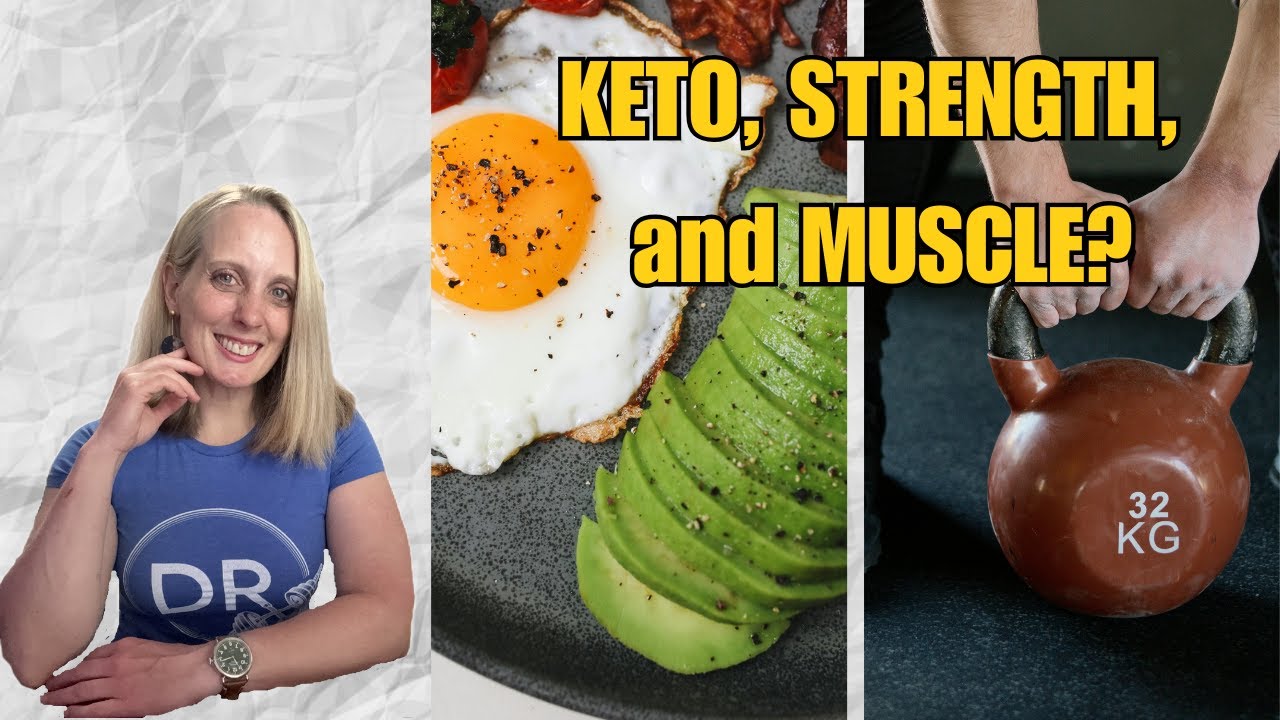
Credit: www.youtube.com
Muscle Growth Fundamentals
Muscle growth depends on several essential factors working together. Strength training creates stress on muscles, causing tiny tears. The body repairs these tears, making muscles stronger and bigger. This process needs consistent effort and proper care. Without the right approach, progress slows or stops.
Understanding muscle growth basics helps you plan workouts and nutrition. It guides your efforts toward real results. This knowledge is key to making gains on a keto diet or any other plan.
Key Factors For Building Muscle
- Progressive overload: Increase workout intensity over time.
- Rest and recovery: Muscles grow during rest periods.
- Consistency: Regular exercise is crucial for muscle gain.
- Proper form: Prevent injuries and target muscles effectively.
- Sleep: Supports repair and hormone balance.
Role Of Nutrition In Muscle Gain
Nutrition fuels workouts and repairs muscles. Protein is vital for muscle repair and growth. Healthy fats provide energy and support hormone health. Carbohydrates help refill muscle energy stores, even on keto.
Eating enough calories is important. A calorie deficit can limit muscle gain. Balance macronutrients to support training and recovery. Hydration also plays a key role in muscle function and growth.
Keto And Muscle Building
Building muscle on a keto diet might seem tricky at first. After all, keto focuses on high fat and low carbs, while muscle growth is often linked with carb intake. But many people have successfully combined keto with muscle building by understanding how to adjust their nutrition and energy management.
Can Keto Support Muscle Growth?
Yes, keto can support muscle growth, but it requires careful planning. Your body needs enough protein and energy to repair and build muscle after workouts. Without carbs, your body uses fat and ketones for fuel, which can be effective if you adapt properly.
Some athletes report improved endurance and muscle retention on keto once they’re fat-adapted. However, quick bursts of intense exercise might feel harder without carbs. Are you ready to adjust your training to fit this energy source?
Protein Intake On Keto
Protein is key when building muscle, even on keto. Aim for moderate to high protein intake—too little can slow muscle growth, too much may kick you out of ketosis. A good target is about 1.2 to 2.0 grams of protein per kilogram of your body weight.
Choose high-quality protein sources like eggs, chicken, fish, and whey. Tracking your intake helps you hit the right balance without overdoing carbs. Have you checked your daily protein amounts recently?
Managing Energy Levels
Energy can dip when starting keto, especially during intense workouts. Your body needs time to switch from carbs to fat for fuel, known as keto adaptation. During this phase, you might feel tired or weak, but it usually passes within a few weeks.
To keep energy steady, make sure you:
- Stay hydrated and maintain electrolyte balance
- Eat enough fat to fuel your workouts
- Adjust workout intensity as needed
Have you noticed changes in your workout stamina since reducing carbs? Tracking energy and performance can guide your keto muscle-building journey.

Credit: betterhumans.pub
Workout Strategies On Keto
Adjusting your workout routine on a keto diet requires some thoughtful planning. Since your body is running on fat instead of carbs, your energy levels and recovery might feel different. Understanding how to align your exercise with keto can help you build muscle more effectively without burning out.
Best Exercises For Muscle Gain
Focus on compound movements that work multiple muscle groups at once. Exercises like squats, deadlifts, bench presses, and pull-ups stimulate more muscle fibers and promote growth.
Because keto may reduce quick energy availability, keep your reps in the 6-12 range with moderate weights. This balance helps you avoid excessive fatigue while still challenging your muscles.
Adding some high-intensity interval training (HIIT) can boost fat loss and improve muscle definition without interfering with muscle gain. How often do you include HIIT in your weekly routine?
Timing Workouts With Keto
Plan your workouts around your eating schedule to maximize energy and recovery. Many people find exercising after a meal rich in protein and fats helps sustain energy during training.
Some prefer fasted workouts, especially in the morning, to tap into fat stores. However, if you feel weak or dizzy, try having a small keto-friendly snack before exercising.
Post-workout nutrition is crucial. Consuming a protein-rich meal or shake within 30 minutes can aid muscle repair and growth.
Supplements To Boost Results
Supplements can support muscle building on a keto diet. They help fill nutrient gaps and boost energy. Choosing the right supplements improves workout performance and recovery. Proper supplementation can make keto muscle gains easier and faster.
Essential Supplements On Keto
Electrolytes are vital on keto. Sodium, potassium, and magnesium prevent cramps and fatigue. Protein powders help meet daily protein needs without extra carbs. MCT oil provides quick energy and supports ketosis. Omega-3 fatty acids reduce inflammation and improve muscle recovery.
- Electrolytes (sodium, potassium, magnesium)
- Low-carb protein powders
- MCT oil
- Omega-3 supplements
Creatine And Keto Compatibility
Creatine boosts strength and muscle size. It works well with keto and does not break ketosis. Creatine helps muscles store energy for intense workouts. Taking creatine daily improves power and endurance. Combining creatine with keto supports better muscle growth.
Common Challenges And Solutions
Switching to a keto diet while aiming to build muscle presents unique challenges. Your body adjusts not just to low carbs but also to new energy demands. Recognizing these hurdles and knowing how to tackle them can keep your progress steady and your motivation high.
Dealing With Keto Flu
The keto flu hits many as their body shifts from burning carbs to fats. Symptoms like headaches, fatigue, and irritability can make workouts feel impossible. But these signs are temporary and manageable.
To ease keto flu, boost your hydration and salt intake. Drinking plenty of water with added electrolytes helps balance minerals lost during early ketosis. Also, give your body time to adapt instead of pushing too hard in the gym.
When I first started keto, I underestimated the keto flu’s impact and nearly quit. Adding a pinch of salt to my water and slowing down my training made a huge difference. How might adjusting your hydration routine change your experience?
Overcoming Energy Slumps
Energy slumps can strike mid-day or during workouts, leaving you drained. This often happens because your body is still fine-tuning fat as its main fuel source. The key is to find ways to keep energy stable throughout the day.
Try eating small, high-fat snacks like nuts or cheese before workouts. These provide quick fuel without kicking you out of ketosis. Also, consider timing your meals so you’re not training on an empty stomach.
Another trick is to adjust your workout intensity. Lowering weights or shortening sessions temporarily helped me avoid burnout. What small changes could you make to keep your energy consistent and still build muscle?
Tracking Progress On Keto
Tracking progress on a keto diet while building muscle requires more than just stepping on the scale. Your body composition changes in ways that numbers alone can’t capture. Paying attention to multiple indicators helps you understand how your muscles are responding to keto and your training.
Measuring Muscle Gains
Rely on tools beyond weight to measure muscle gains. Use a tape measure to track the size of your arms, chest, and legs every two weeks. This shows if your muscles are actually growing.
Take progress photos from different angles. Visual evidence often reveals changes that scales miss. Keep consistent lighting and posture for reliable comparisons.
Strength improvements in your workouts also signal muscle growth. Are you lifting heavier or doing more reps? Tracking your performance helps you connect diet and training to real gains.
Adjusting Diet And Workouts
If muscle growth stalls, review your calorie and protein intake. Keto can sometimes lead to under-eating, which slows muscle gain. Add more healthy fats or protein-rich keto foods like eggs, chicken, or whey protein.
Switch up your workouts if strength plateaus. Introducing new exercises or increasing intensity forces your muscles to adapt. Have you tried adding supersets or varying rep ranges?
Remember, tracking helps you spot what works and what doesn’t. Small tweaks to your diet or routine can accelerate progress and keep you motivated.

Credit: legionathletics.com
Frequently Asked Questions
Can You Build Muscle On A Keto Diet?
Yes, you can build muscle on keto by consuming enough protein. Adequate calorie intake and consistent strength training are essential. Keto supports fat loss, which can enhance muscle definition. Proper nutrient timing and hydration also help optimize muscle growth.
How Does Keto Affect Muscle Recovery?
Keto may slow recovery initially due to lower glycogen stores. However, fat-adapted athletes often experience improved endurance and reduced inflammation. Consuming enough protein and electrolytes aids muscle repair. Recovery improves as your body adapts to burning fat for energy.
What Are The Best Keto Foods For Muscle Gain?
Focus on high-quality protein sources like eggs, chicken, and fatty fish. Include healthy fats from avocados, nuts, and olive oil. Low-carb vegetables provide essential vitamins and minerals. These foods support muscle growth and maintain ketosis effectively.
Is Keto Suitable For Bodybuilders?
Keto can work for bodybuilders who prioritize fat loss and muscle preservation. It requires careful meal planning to meet protein needs. Some athletes cycle carbs to boost performance. Individual response varies, so personal experimentation is important.
Conclusion
The keto diet can support muscle growth with the right approach. Eating enough protein helps repair and build muscles. Healthy fats provide steady energy during workouts. Staying hydrated and resting well boosts recovery. Track your progress and adjust your plan often.
Patience and consistency bring the best results. Balance your meals and listen to your body. This diet suits those who prefer low carbs. Muscle gains are possible on keto with focus. Keep learning and stay motivated on your journey.







