
Have you ever wondered what manatees eat to stay healthy and strong? Understanding a manatee’s diet is key to appreciating these gentle giants of the water.
If you care about wildlife or are simply curious, knowing what fuels these amazing creatures will surprise you. Keep reading to discover the secrets behind a manatee’s favorite meals and how their food choices shape their life underwater. Your new knowledge might even change the way you see these peaceful animals forever.
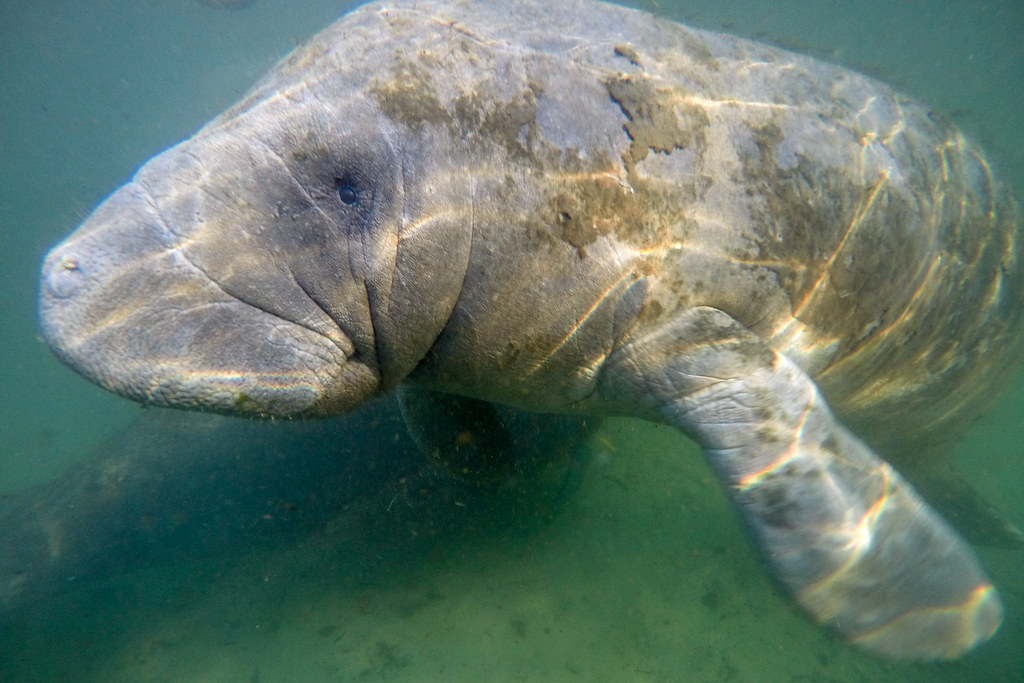
Credit: www.chesapeakebay.net
Manatee Feeding Habits
Manatees are gentle giants with a unique approach to feeding that supports their large size and slow-moving lifestyle. Understanding their feeding habits gives you a glimpse into how these creatures sustain themselves in their natural habitat. Their diet and foraging behaviors reveal much about their daily routines and survival strategies.
Daily Food Intake
Manatees eat a lot—up to 10-15% of their body weight every day. That means an adult manatee can consume about 100 pounds of aquatic plants daily. This high intake is necessary because their diet mainly consists of low-calorie vegetation.
Your garden might not be safe if manatees were nearby! They graze on a variety of plants including seagrasses, algae, and freshwater plants. Their slow metabolism requires them to feed almost continuously to get enough nutrients.
Foraging Behavior
Manatees are mostly herbivores who spend about 6-8 hours a day feeding. They use their flexible lips to grasp and tear plants. Watching a manatee feed, you’ll notice how carefully and methodically they select their food.
They prefer shallow waters where plants are abundant and easier to reach. Have you ever wondered how they avoid predators while feeding? Their slow movement and camouflage among vegetation help them stay unnoticed.
Primary Foods In Manatee Diet
Understanding what manatees eat helps you appreciate how these gentle giants survive in their watery homes. Their diet mainly consists of plants found in both saltwater and freshwater environments. Knowing the primary foods in a manatee’s diet reveals how they impact and maintain the health of aquatic ecosystems.
Aquatic Plants
Manatees feast on a variety of aquatic plants that grow in shallow coastal waters. These include seagrasses like turtle grass, manatee grass, and shoal grass. These plants provide essential nutrients and form the bulk of a manatee’s diet.
You might be surprised that manatees can eat up to 10-15% of their body weight daily in plants. This shows how much they depend on healthy underwater vegetation. Have you ever noticed how clear water helps plants thrive? It’s crucial for manatees too.
Freshwater Vegetation
Freshwater manatees turn to plants found in rivers, springs, and lakes. They commonly consume water hyacinth, hydrilla, and various types of algae. These plants not only feed manatees but also provide shelter for many other aquatic creatures.
Because freshwater vegetation changes with the seasons, manatees often move to find fresh food. This movement highlights how important access to diverse plant life is for their survival. What do you think happens when these plants disappear from their habitat?
Unexpected Favorite Foods
Manatees have a surprising range of foods they enjoy beyond just simple seaweed. Their diet includes various plants that thrive in freshwater and saltwater environments. These unexpected favorites provide essential nutrients and keep manatees healthy and active.
Algae Varieties
Manatees often consume different types of algae. These small plants grow on rocks, docks, and underwater surfaces. Algae offer a rich source of minerals and vitamins.
- Green algae are common in manatee diets.
- Red algae add variety and nutrients.
- Blue-green algae sometimes appear in their meals.
These algae types help manatees maintain a balanced diet. They also provide roughage that aids digestion.
Marine Grasses
Marine grasses form a major part of the manatee diet. These underwater grasses grow in shallow coastal waters and estuaries. They are rich in fiber and easy to digest.
- Syringodium, also known as manatee grass, is a favorite.
- Thalassia, or turtle grass, is widely eaten.
- Halodule, called shoal grass, provides extra nutrition.
These grasses support manatees’ energy needs and help keep their teeth healthy. They also stabilize the ecosystem where manatees live.
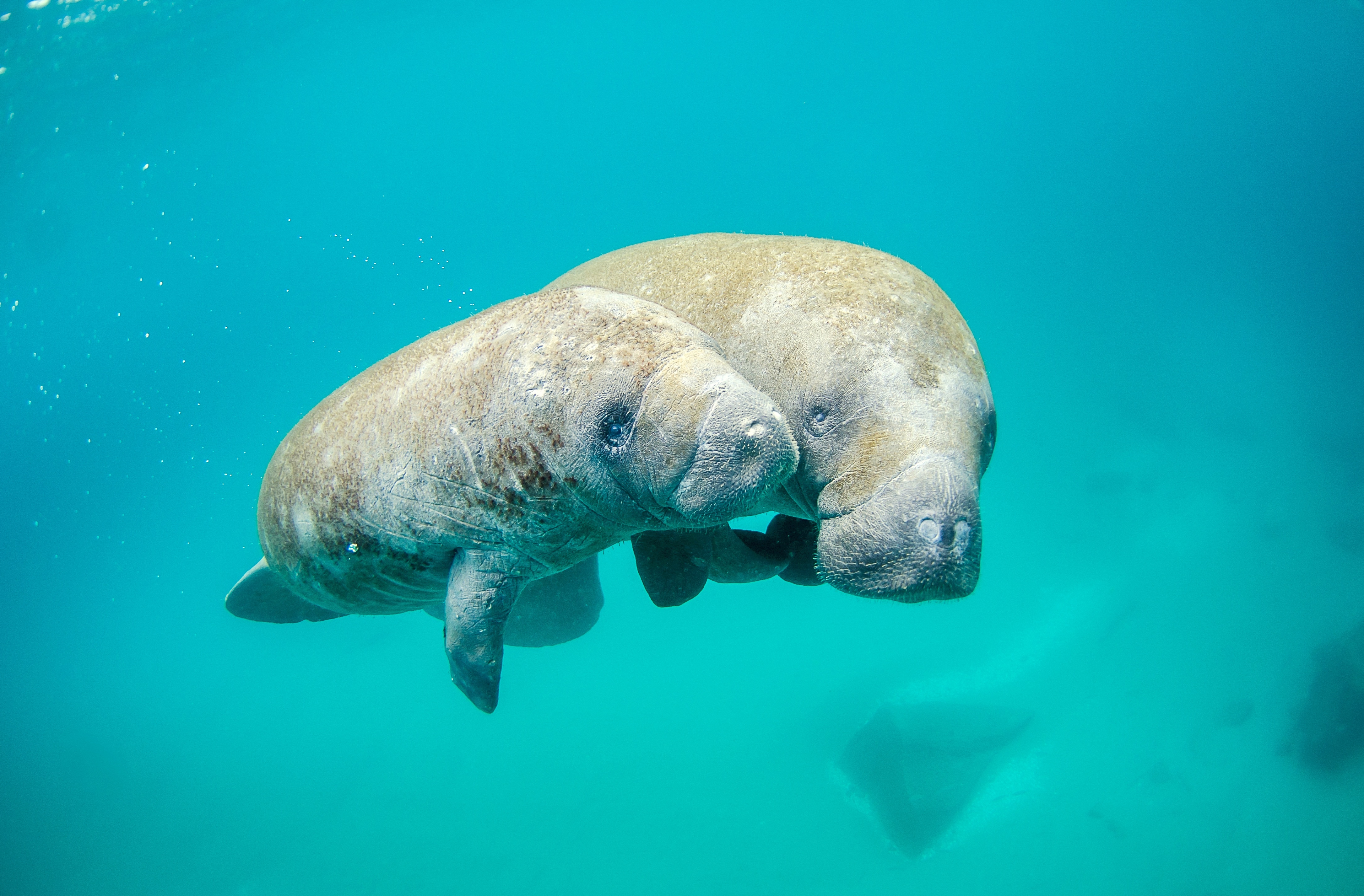
Credit: owlcation.com
Nutritional Benefits Of Their Diet
Manatees have a unique diet that plays a vital role in their survival. Their food choices provide essential nutrients to support their large bodies. Understanding the nutritional benefits of their diet helps explain how manatees thrive in aquatic environments.
Energy Sources
Manatees mainly eat plants found in rivers, lakes, and oceans. These plants supply carbohydrates, the main energy source for manatees. They consume large amounts of seagrass, algae, and freshwater vegetation.
These plants offer:
- Simple sugars for quick energy
- Complex carbohydrates for long-lasting energy
- Fiber to aid digestion
Fat and protein levels in their diet are low but enough to meet basic needs. Their slow metabolism helps conserve energy.
Digestive Adaptations
Manatees have a special digestive system to break down tough plant fibers. Their large, multi-chambered stomach and long intestines help ferment food.
This fermentation process allows bacteria to:
- Break down cellulose
- Release nutrients
- Produce fatty acids for energy
Manatees chew slowly and swallow large amounts to aid digestion. This adaptation helps extract maximum nutrition from plants.
Impact Of Habitat On Diet
The habitat of manatees greatly affects their diet and feeding habits. These gentle creatures rely on the plants found in their environment for nutrition. Changes in habitat can alter the types and amounts of food available to them. Understanding this connection helps protect manatees and their natural food sources.
Seasonal Food Availability
Manatees eat mostly aquatic plants. These plants grow differently throughout the year. In warmer months, plants like seagrass and algae flourish. Manatees can find plenty of food during this time.
In colder months, plant growth slows down. Some areas have fewer plants or different types of vegetation. Manatees may need to move to find enough food. This seasonal shift makes their diet change regularly.
Human Influence On Food Sources
Human activities impact manatee habitats and food supplies. Pollution can harm aquatic plants. Chemicals and waste reduce plant growth and water quality.
Construction and boating also affect habitats. These actions can destroy feeding areas. Manatees may struggle to find enough plants to eat. Protecting habitats is crucial for their survival.
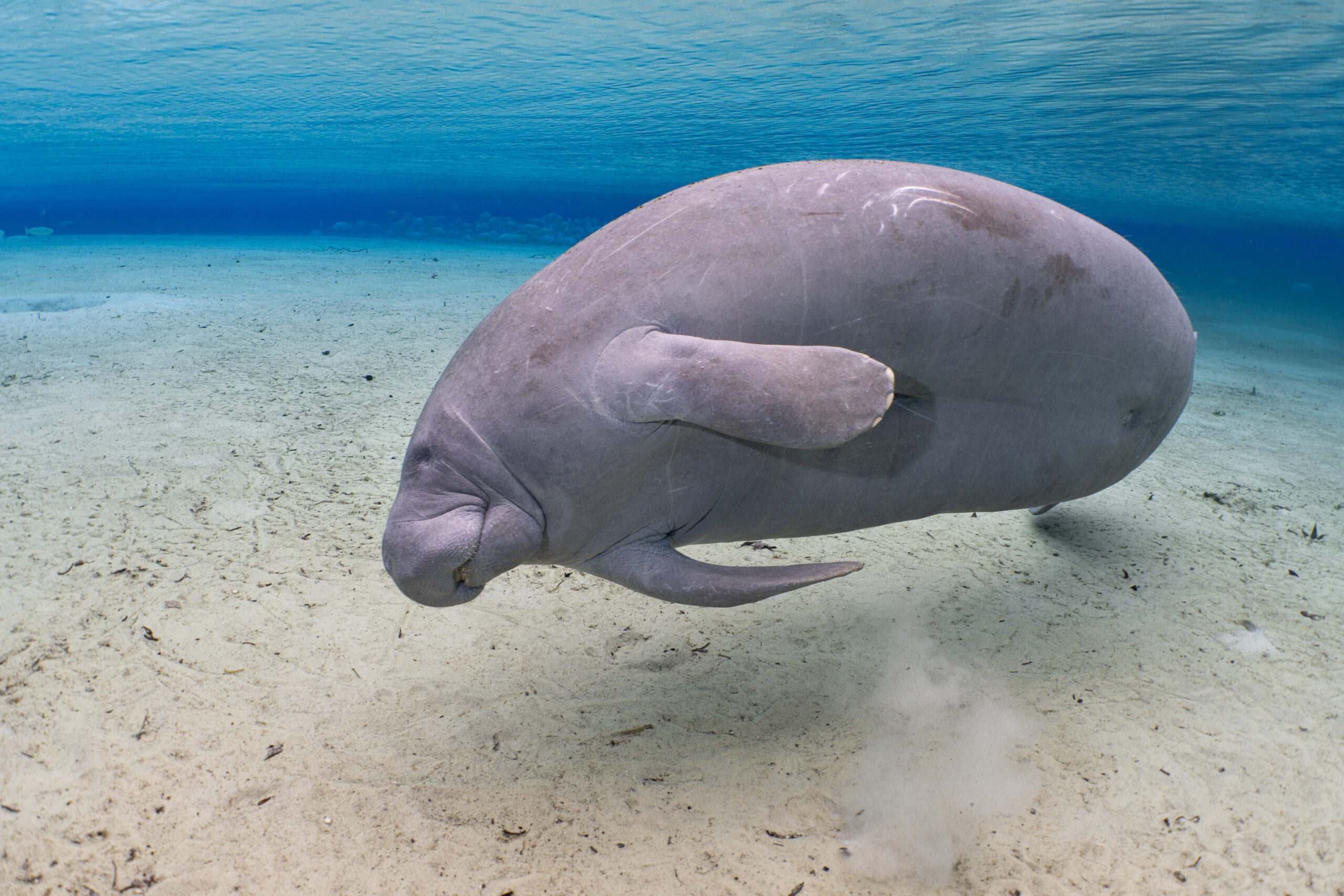
Credit: floridawildlifefederation.org
Conservation And Food Supply
Maintaining a stable food supply is crucial for manatee conservation. These gentle giants rely on specific aquatic plants for nutrition. Without proper care of their feeding habitats, manatees face serious risks, including starvation and population decline.
Protecting Feeding Grounds
Manatees depend on shallow waters filled with seagrass and freshwater vegetation. Protecting these areas means limiting boat traffic to reduce water pollution and physical damage. You can support local efforts that establish no-wake zones, which help preserve underwater plants.
Have you ever thought about how a simple boat wake can uproot entire underwater meadows? These plants take years to grow back, and without them, manatees lose their primary food source. Being mindful of your activities on the water directly impacts their survival.
Restoring Natural Vegetation
Restoration projects focus on replanting seagrasses and other aquatic plants where they have been lost. These efforts often involve community volunteers who plant native species to rebuild manatee habitats. Your participation in such projects can make a visible difference.
Restoration isn’t just about planting; it’s about creating balanced ecosystems that support manatees and other wildlife. What if you could help bring back a feeding ground just by joining a local planting day? It’s a practical way to contribute and see results firsthand.
Frequently Asked Questions
What Do Manatees Eat?
Manatees are herbivores, primarily feeding on seagrasses and freshwater vegetation. They consume various aquatic plants, including algae, water hyacinths, and mangroves. Manatees can eat up to 10% of their body weight daily. Their diet plays a crucial role in maintaining healthy aquatic ecosystems.
How Much Do Manatees Eat Daily?
Manatees consume around 4-9% of their body weight in food daily. This equates to approximately 30-100 pounds of aquatic vegetation. Their large appetite helps them maintain energy and supports their large size. This constant feeding is essential for their survival and well-being.
Do Manatees Eat Fish Or Meat?
Manatees are strictly herbivorous and do not eat fish or meat. They primarily feed on aquatic plants and algae. Their digestive system is specially adapted to process plant material efficiently. This plant-based diet helps them thrive in their natural habitats and supports their slow-moving lifestyle.
Where Do Manatees Find Their Food?
Manatees find food in shallow, warm waters rich in vegetation. They often graze in rivers, estuaries, and coastal areas. These habitats provide abundant seagrasses and other aquatic plants. Manatees rely on these environments to meet their dietary needs and maintain their health.
Conclusion
Manatees eat mostly plants found in water. They help keep rivers and oceans clean by eating algae and grasses. Their diet is simple but very important for nature. Knowing what manatees eat helps us protect them better. These gentle creatures depend on healthy waters and plenty of plants.
Protecting their food means protecting manatees too. Understanding their diet shows us how all life connects. It reminds us to care for animals and their homes every day.







