
Have you ever wondered what a fox really eats? Understanding the fox diet can give you surprising insights into how these clever animals survive and thrive in the wild.
Whether you’re curious about wildlife, thinking of attracting foxes to your garden, or just love learning about nature, knowing what foxes eat will change the way you see them. Keep reading, because what you discover might surprise you—and it could even help you connect with nature in a whole new way.

Credit: www.freepik.com
Fox Diet Basics
Foxes have a varied diet that helps them survive in many environments. They eat different foods depending on the season and what is available. Understanding their diet basics shows how they adapt and thrive.
Types Of Food Foxes Eat
Foxes are omnivores, which means they eat both plants and animals. Their diet includes:
- Small mammals like mice and rabbits
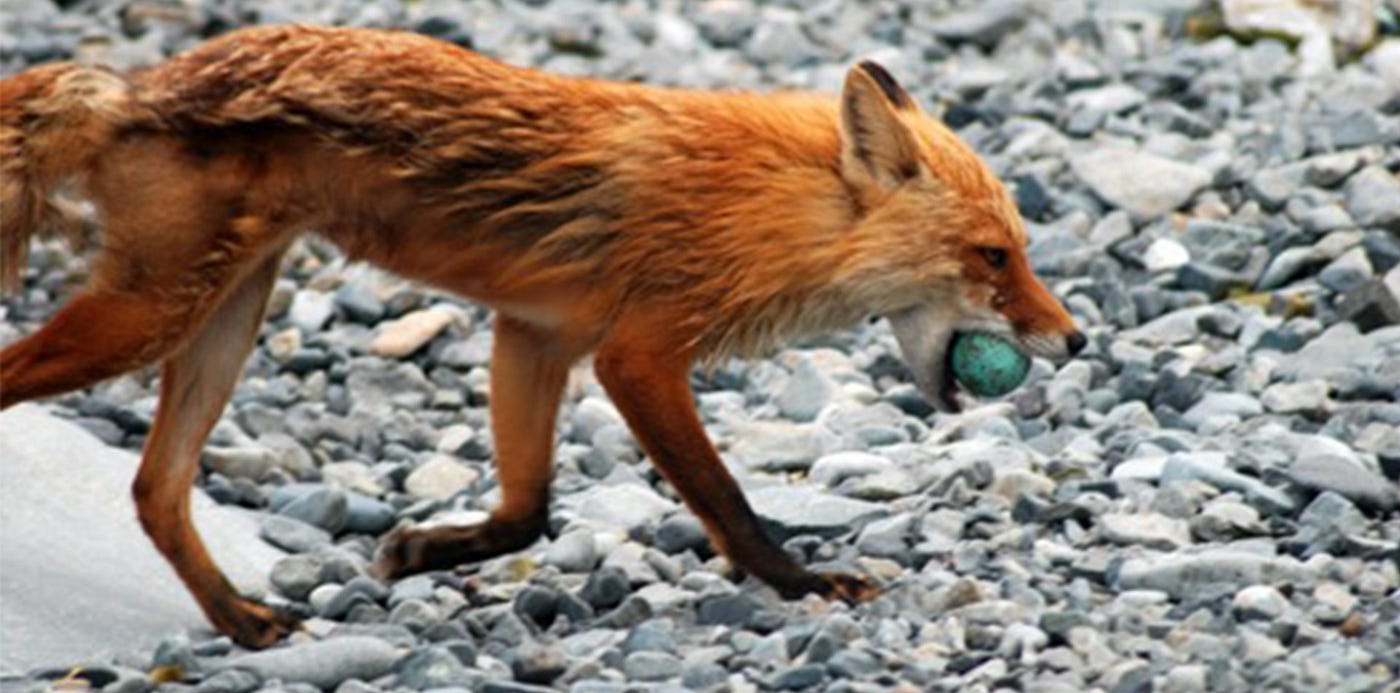
- Birds and bird eggs
- Insects such as beetles and grasshoppers
- Fruits like berries and apples
- Vegetables and roots
- Carrion or dead animals
Foxes choose food based on what is easy to find. They often eat what is most common in their area.
How Foxes Hunt And Forage
Foxes use sharp senses to find food. Their hearing and smell help locate prey hidden underground or in bushes.
They hunt mostly at night or dawn. Foxes move quietly to avoid scaring prey away.
Foxes also forage by searching for fruits and insects. They dig into the ground to find insects or small animals.
Sometimes, foxes store extra food to eat later. This helps them survive when food is scarce.
Common Foods In Fox Diet
Foxes eat a wide variety of foods to survive. Their diet changes with seasons and availability. Understanding common foods in a fox diet shows their adaptability. It also reveals their role in ecosystems.
Small Mammals And Rodents
Foxes often hunt small mammals. They catch mice, voles, and rabbits. These animals provide high protein and energy. Foxes use sharp teeth to kill prey quickly. Rodents make up a large part of their meals.
Birds And Eggs
Birds are another food source for foxes. They catch small birds on the ground or in bushes. Foxes also eat bird eggs. Eggs offer rich nutrients and are easy to find. They search nests carefully without damaging eggs.
Insects And Invertebrates
Insects are a common part of a fox diet. Beetles, grasshoppers, and worms are popular choices. These foods provide protein and fats. Foxes hunt insects mostly in warmer months. Invertebrates help fill the fox’s diet when other prey is scarce.
Fruits And Vegetables
Foxes eat fruits like berries and apples. They pick fallen fruits from the ground. Vegetables are less common but sometimes eaten. These foods add vitamins and sugars to their diet. Foxes often eat fruits in late summer and fall.
Seasonal Changes In Diet
Foxes adjust their diet based on the seasons. Their food choices change with what is available. This helps them survive throughout the year. Seasonal changes affect what they eat and how they find food.
Spring And Summer Eating Habits
In spring and summer, foxes eat more fruits and insects. These foods are easier to find during warm months. They enjoy berries, apples, and small animals like frogs. Foxes also hunt rodents and birds more often in this period.
Insects like beetles and grasshoppers provide extra protein. Foxes take advantage of the abundance of prey. They also eat eggs from bird nests. These foods help them build energy after winter.
Fall And Winter Food Sources
Fall and winter bring fewer fruits and insects. Foxes rely more on small mammals like mice and rabbits. These animals stay active in colder months. Foxes use their keen senses to track and catch them.
Foxes also scavenge more in winter. They eat leftovers from larger predators. Stored food and carrion become important. This helps them survive when hunting is tough.
Credit: medium.com
Foxes As Opportunistic Eaters
Foxes do not rely on just one type of food. They eat what is easy to find and catch. This behavior helps them survive in many places. Their diet changes with the seasons and food availability. Being opportunistic eaters means foxes adapt quickly to new food sources.
Scavenging Behavior
Foxes often eat leftovers from other animals. They search for dead animals or scraps in nature. This saves energy compared to hunting live prey. Scavenging helps them during times when food is scarce. Foxes can find food in forests, fields, and near water.
Human Food And Urban Diet
Foxes in cities eat human food waste. They raid garbage bins and compost piles. Urban foxes may eat discarded snacks and pet food. This diet helps them live near people. Foxes learn to avoid humans while finding food in towns.
Nutritional Needs Of Foxes
Understanding the nutritional needs of foxes is essential if you want to support their health and well-being, whether in the wild or in captivity. Foxes have specific dietary demands that help maintain their energy, growth, and immune function. Paying attention to these needs can make a big difference in how they thrive.
Protein Requirements
Protein is the cornerstone of a fox’s diet. It fuels muscle development and repair, and supports vital organs. Foxes typically need a diet rich in animal-based proteins like small mammals, birds, and insects.
If you’ve ever observed a fox hunting, you’ll notice how it prioritizes protein-rich prey. This instinct highlights how crucial protein is for their survival and energy. Without enough protein, foxes can suffer from weak muscles and poor overall health.
How much protein should you aim to provide? Generally, foxes require about 18-25% protein in their diet. This range ensures they get enough amino acids without overloading their system.
Vitamins And Minerals
Vitamins and minerals keep a fox’s body running smoothly. They strengthen the immune system, help with bone health, and aid in metabolism. Key nutrients include vitamin A, calcium, phosphorus, and zinc.
Wild foxes get these nutrients from a variety of sources such as berries, small animals, and even soil. If you’re feeding a fox, think about adding fresh fruits and vegetables alongside meat. This variety mimics their natural diet and fills nutritional gaps.
Have you ever wondered how a fox stays so agile and alert? The balance of vitamins and minerals plays a huge role. Missing out on these can lead to issues like poor coat condition or weakened bones.
Credit: worldanimalfoundation.org
Diet Differences Among Fox Species
Foxes, though belonging to the same family, show remarkable variety in their diets. Each species adapts to its environment, leading to unique eating habits. Understanding these differences can give you insight into how animals thrive in diverse habitats.
Red Fox
The red fox is a true opportunist when it comes to food. It eats a wide range of items including small mammals, birds, fruits, and even insects.
You might be surprised to know red foxes will sometimes scavenge leftovers from human settlements. This flexibility helps them survive in both rural and urban areas.
Arctic Fox
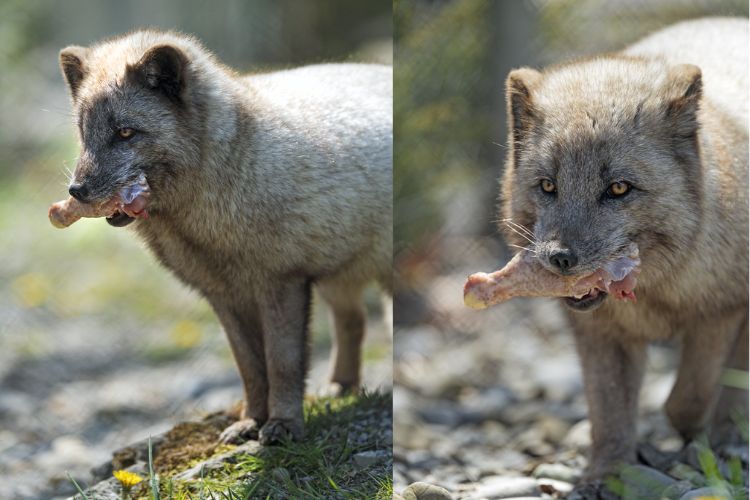
The Arctic fox has a diet shaped by extreme cold and scarce resources. It mainly feeds on small animals like lemmings and Arctic hares.
In winter, when prey is hard to find, it relies on scavenging carcasses left by larger predators. This behavior shows how survival can depend on adapting to harsh conditions.
Fennec Fox
The fennec fox, living in desert environments, has a diet that suits its dry habitat. It eats insects, small rodents, birds, and some plants.
Its ability to get moisture from food means it rarely needs to drink water. This is a key survival trait in places where water is scarce.
Impact Of Diet On Fox Behavior
The diet of a fox directly shapes its behavior and daily activities. Food availability influences how foxes interact and move within their environment. Their feeding habits affect social bonds and territorial control.
Feeding And Social Interaction
Foxes often share food sources with family members. Sharing strengthens pack bonds and helps raise young foxes. Hunting together improves chances of catching prey. Social feeding reduces energy spent on searching for food. Foxes communicate more during feeding times, using sounds and body language.
Territorial Feeding Patterns
Foxes mark feeding areas to warn others of their territory. These areas are defended to secure food supplies. Territorial behavior changes with the seasons and food abundance. Foxes patrol and scent-mark boundaries to keep rivals away. Feeding spots near dens are highly protected to ensure survival.
Human Interaction And Fox Feeding
Interacting with foxes through feeding can create unique moments of connection with wildlife. However, it requires careful consideration to protect both you and the foxes. Understanding how to feed foxes safely and recognizing the risks involved helps maintain a respectful and healthy relationship between humans and these wild animals.
Feeding Foxes Safely
Feeding foxes should always be done with their well-being in mind. Offer foods that resemble their natural diet, such as small pieces of raw or cooked meat, eggs, or fruits like berries. Avoid processed foods, bread, or anything with salt and spices.
Place the food in a quiet area away from busy roads or areas with heavy foot traffic. This reduces stress for the fox and lowers the chance of accidents. Also, use disposable gloves or wash your hands thoroughly before and after feeding to prevent spreading germs.
Never try to touch or hold a fox, no matter how tame it appears. Foxes are wild animals and can bite if they feel threatened. Instead, observe from a distance and enjoy the experience without forcing interaction.
Risks Of Feeding Wild Foxes
Feeding foxes can inadvertently cause harm despite good intentions. Regular feeding may lead to foxes becoming dependent on humans for food, which affects their hunting skills and natural behaviors. This dependence can reduce their ability to survive in the wild on their own.
There’s also the risk of attracting other wildlife or pests, such as rats, which can increase disease transmission around your property. Foxes themselves may carry parasites or illnesses that can spread to humans or pets.
Ask yourself: does feeding foxes encourage safe coexistence or create potential problems? If you choose to feed, balance your actions with respect for their wild nature and the local ecosystem. Your decisions can make a difference in how foxes thrive near human habitats.
Frequently Asked Questions
What Do Foxes Eat?
Foxes are omnivorous animals with a varied diet. They eat small mammals, birds, insects, and fruits. Foxes are also known to scavenge, consuming carrion and human leftovers. Their diet can change based on availability and season.
How Often Do Foxes Hunt For Food?
Foxes typically hunt daily, adjusting their hunting patterns based on prey availability. They are most active during dawn and dusk, optimizing hunting opportunities. Foxes possess excellent hearing and stealth, making them efficient hunters. Their flexible diet allows them to adapt to different environments.
Do Foxes Eat Plants?
Yes, foxes consume plants, especially fruits and berries. Their diet includes apples, berries, and other available fruits. This plant consumption provides essential nutrients and supplements their carnivorous diet. By eating plants, foxes ensure they have a balanced diet.
Are Foxes Opportunistic Feeders?
Foxes are opportunistic feeders, adapting to available food sources. They eat whatever is accessible, including small mammals, birds, insects, and fruits. Scavenging is common, as foxes consume carrion and human leftovers. This adaptability helps them survive in various environments.
Conclusion
Foxes eat a variety of foods, showing their flexible diet. They hunt small animals, insects, fruits, and plants. This variety helps them survive in many places. Understanding what foxes eat gives us a better view of their life. Their diet changes with the seasons and food availability.
Watching foxes can teach us about nature’s balance. Knowing about their eating habits helps protect these clever animals. Foxes adapt well, showing nature’s strength and change. Their diet shows how they live and thrive in the wild.







