
Are you trying to lose weight but unsure if potatoes fit into your plan? You might have heard mixed opinions about this humble vegetable.
Some say potatoes are packed with carbs and should be avoided, while others claim they can actually help you shed pounds. What’s the real truth? You’ll discover how potatoes affect your weight, the best ways to enjoy them, and simple tips to include them without harming your progress.
Keep reading to find out if potatoes can be a surprising ally in your weight loss journey.

Credit: www.onlymyhealth.com
Nutritional Profile Of Potatoes
Understanding the nutritional profile of potatoes is key to deciding if they fit into your weight loss plan. Potatoes offer more than just carbs; they provide a mix of nutrients that can impact your hunger, energy, and overall health. Let’s break down what’s inside a typical potato to see how it supports your goals.
Calories And Macronutrients
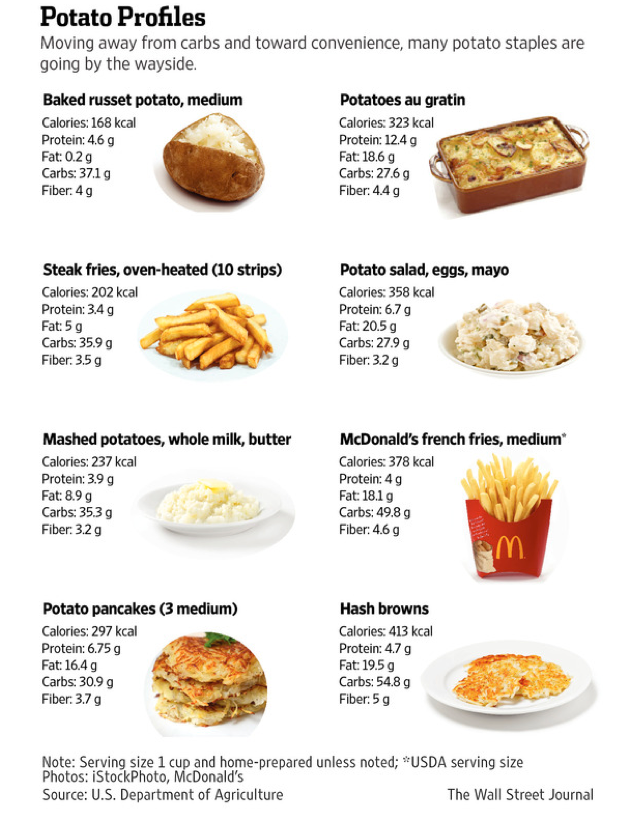
A medium-sized potato (about 150 grams) contains roughly 110 calories. Most of these calories come from carbohydrates, around 26 grams, which are your body’s primary energy source. Potatoes have a small amount of protein (about 3 grams) and virtually no fat, making them a low-fat option.
Because potatoes are low in calories but filling, they can help you manage hunger without overeating. Have you noticed how a baked potato can keep you satisfied longer than some processed snacks?
Vitamins And Minerals
Potatoes are surprisingly rich in essential vitamins and minerals. They provide a good dose of vitamin C, which supports your immune system and skin health. They also contain potassium, an important mineral that helps regulate blood pressure and muscle function.
Additionally, potatoes offer B vitamins like B6, which plays a role in energy metabolism. Including potatoes in your meals can add nutrient diversity without extra supplements. Are you getting enough of these vitamins in your current diet?
Fiber Content
Fiber is crucial for weight loss because it promotes fullness and supports healthy digestion. A medium potato with its skin contains about 3 grams of fiber, which contributes to feeling full and stabilizing blood sugar levels.
Eating potatoes with the skin on maximizes fiber intake. This simple habit can improve your gut health and reduce cravings. Have you tried eating your potatoes with the skin to get that extra fiber boost?

Credit: www.shefinds.com
Potatoes And Satiety
Potatoes are often misunderstood in weight loss diets. Their effect on fullness, or satiety, is important to explore. Satiety means how full you feel after eating. Foods that increase satiety help control hunger and reduce overeating. Potatoes, rich in fiber and water, may keep hunger at bay for a longer time.
Impact On Hunger Levels
Potatoes have a high satiety index score. This means they help you feel full longer than many other foods. The fiber in potatoes slows digestion. This steady digestion releases energy slowly. As a result, hunger signals are delayed. Eating potatoes can reduce the urge to snack soon after a meal.
Role In Appetite Control
Potatoes affect hormones that control appetite. They increase the release of hormones that signal fullness. These hormones help reduce food intake at later meals. The complex carbohydrates in potatoes provide lasting energy. This helps prevent sudden hunger spikes. Eating potatoes can support better portion control and fewer cravings.
Glycemic Index And Blood Sugar
The glycemic index (GI) measures how fast foods raise blood sugar. Foods with a high GI cause quick spikes in blood sugar. This can lead to energy crashes and increased hunger. Managing blood sugar is key for weight loss. Choosing foods with a low or moderate GI helps maintain steady energy and reduces cravings.
Potatoes vary in their glycemic index based on type and preparation. Understanding their GI impact helps make better food choices for weight control.
How Potatoes Affect Blood Sugar
Potatoes generally have a medium to high glycemic index. This means they can raise blood sugar quickly. Boiled potatoes have a lower GI than baked or mashed ones. Cooling boiled potatoes increases resistant starch, lowering their GI. Resistant starch feeds good gut bacteria and slows sugar absorption.
Eating potatoes with fiber or protein can slow blood sugar spikes. Portion size also matters. Large servings can cause bigger blood sugar rises. Balanced meals with potatoes support better blood sugar control.
Best Potato Varieties For Weight Loss
- Sweet Potatoes:Lower GI and rich in fiber and vitamins.
- New Potatoes:Small, waxy, and have a moderate GI.
- Red Potatoes:Lower GI than white potatoes and high in antioxidants.
- Yukon Gold:Medium GI with creamy texture and good nutrient content.
Choosing these varieties helps keep blood sugar stable. Cooking methods like boiling and cooling can further reduce the GI. This makes potatoes a better option for weight loss.
Cooking Methods And Weight Loss
Cooking methods affect the nutritional value of potatoes and their impact on weight loss. The way potatoes are prepared changes calorie content and how your body digests them. Choosing healthy cooking methods helps keep potatoes a good part of a weight loss plan. Avoiding added fats and heavy sauces lowers calorie intake.
Boiled Vs Fried Potatoes
Boiled potatoes retain most nutrients and have fewer calories. Boiling keeps the potato soft without adding fat. Fried potatoes soak up oil, which increases calories significantly. The extra fat can slow weight loss and add unhealthy fats to your diet. Boiled potatoes also have a lower glycemic index, helping control blood sugar better. Fried potatoes cause quick blood sugar spikes, leading to hunger and overeating.
Healthy Preparation Tips
- Use boiling or steaming instead of frying.
- Keep the potato skin for added fiber and nutrients.
- Season with herbs and spices, not butter or cream.
- Use a small amount of olive oil if roasting.
- Pair potatoes with lean protein and vegetables for balanced meals.
Potatoes In Weight Loss Diets
Potatoes often get a bad reputation in weight loss plans. Yet, they can fit well into a balanced diet. Their natural nutrients and fiber help keep you full longer. This feeling of fullness can reduce overeating. Potatoes also provide energy needed for daily activities. Choosing the right preparation methods makes a big difference. Boiling or baking potatoes without heavy toppings keeps calories low. Let’s explore how potatoes work in weight loss diets.
Inclusion In Low-calorie Meals
Potatoes can be part of low-calorie meals. They contain few calories but offer volume and satisfaction. Eating them boiled or baked avoids extra fats and calories. Combine potatoes with fresh vegetables to add fiber and vitamins. This mix creates meals that feel filling without many calories. Avoid frying or adding cream-based sauces. Simple seasonings like herbs, pepper, or lemon juice enhance flavor without adding calories.
Combining Potatoes With Other Foods
Pairing potatoes with protein and fiber-rich foods supports weight loss. Protein helps build muscle and keeps hunger away. Fiber slows digestion and controls blood sugar levels. Good protein choices include lean meats, beans, or tofu. Vegetables add fiber, vitamins, and minerals to the meal. This balance helps maintain energy and reduces cravings. For example, a meal with baked potatoes, grilled chicken, and steamed broccoli works well. Avoid heavy cheese or fatty sauces that increase calorie count.
Common Myths About Potatoes
Potatoes often get a bad reputation when it comes to weight loss. Many believe they are fattening or that their carbohydrates automatically lead to weight gain. It’s important to separate fact from fiction to understand how potatoes truly fit into a healthy diet.
Debunking Weight Gain Myths
Potatoes themselves don’t cause weight gain. Weight gain happens when you consume more calories than your body needs, regardless of the food source. I once thought avoiding potatoes would help me lose weight, but including them in balanced meals helped me feel fuller longer without adding extra calories.
Think about how you prepare potatoes. Deep frying or adding lots of butter and cheese can turn a healthy food into a calorie bomb. Eating boiled, baked, or steamed potatoes keeps their calorie content low and nutrient-rich, making them a smart choice for weight management.
Clarifying Carb Concerns
Carbs in potatoes often get blamed for weight issues, but not all carbs are created equal. Potatoes contain complex carbohydrates that provide steady energy and fiber, which supports digestion and keeps you satisfied.
Cutting carbs entirely isn’t necessary for weight loss—focus on quality and portion size instead. Have you noticed how skipping carbs sometimes leaves you hungry and low on energy? Including potatoes in your meals can actually help you avoid overeating later.
Scientific Studies On Potatoes And Weight
Scientific studies on potatoes and weight offer a clearer picture of how this common vegetable fits into your weight management plan. While potatoes often get a bad reputation for causing weight gain, research reveals a more nuanced story. Understanding these findings can help you decide if and how potatoes can be part of your diet without sabotaging your goals.
Research Findings
Several studies suggest that potatoes, when prepared healthily, can support weight loss rather than hinder it. One study showed that boiled potatoes have a high satiety index, meaning they keep you feeling full longer than many other carbohydrate sources.
Potatoes are rich in fiber and resistant starch, both of which can improve digestion and help control appetite. Research also indicates that replacing high-calorie snacks with potatoes can reduce overall calorie intake.
However, the way you cook potatoes matters. Baking or boiling is often linked to better weight management outcomes compared to frying, which adds unhealthy fats and calories.
Limitations And Considerations
Despite positive findings, some limitations exist. Many studies focus on short-term effects, so the long-term impact of eating potatoes on weight remains less clear.
Portion size and preparation style play a huge role. Eating large amounts of mashed potatoes with butter or creamy sauces can quickly add excess calories.
Moreover, individual responses vary. Your metabolism, activity level, and overall diet quality influence how potatoes affect your weight. Are you tracking how your body reacts when you add potatoes back into your meals?
Credit: medium.com
Frequently Asked Questions
Can Potatoes Help In Weight Loss?
Yes, potatoes can aid in weight loss. They are low in calories and high in fiber. This makes you feel full longer. Eating them boiled or baked is best. Avoid fried or heavily seasoned potatoes for optimal results. Portion control is also key to using potatoes in a weight loss diet.
Are Sweet Potatoes Better Than Regular Potatoes?
Sweet potatoes are often considered healthier than regular potatoes. They are rich in fiber, vitamins, and antioxidants. These nutrients can support weight loss and overall health. Sweet potatoes also have a lower glycemic index, which helps in managing blood sugar levels.
Choose boiled or baked versions for fewer calories.
Do Potatoes Contain A Lot Of Calories?
Potatoes are relatively low in calories, especially when boiled or baked. A medium-sized potato has about 110 calories. They are filling and can be part of a healthy diet. Avoid adding high-calorie toppings like butter or cheese. Frying potatoes increases their calorie content significantly.
What Nutrients Do Potatoes Provide?
Potatoes are rich in essential nutrients like vitamin C, potassium, and fiber. These nutrients support digestion and overall health. Potatoes also contain antioxidants that fight free radicals. Consuming them can aid in maintaining a balanced diet. Opt for cooking methods that retain these nutrients, like boiling or baking.
Conclusion
Potatoes can fit well in a weight loss plan. They offer fiber and nutrients that help you feel full. Cooking methods matter a lot—boiled or baked potatoes are better choices. Avoid frying or adding too much butter and cream. Portion control is key to avoid extra calories.
Eating potatoes with vegetables boosts nutrition. Choose whole potatoes over processed potato products. Balance potatoes with proteins and healthy fats. Small changes in your diet make a big difference. Potatoes, eaten wisely, support your weight goals.







