
Are you ready to build stronger, bigger arms that turn heads? Whether you want to boost your confidence or improve your overall strength, the right arm workout can make all the difference.
You’ll discover simple yet powerful exercises designed to help you build muscle fast. No matter your fitness level, these tips will guide you step-by-step to sculpt the arms you’ve always wanted. Keep reading—your strongest arms are just a workout away!
Benefits Of Arm Training
Arm training offers many benefits beyond just looking good. It plays a key role in building strength and muscle size. Strong arms help with daily tasks and improve performance in sports. Training your arms also shapes and tones muscles, giving a defined look. It supports overall fitness by increasing endurance and stability. Investing time in arm workouts can enhance your body’s function and appearance.
Boosting Strength And Size
Arm workouts target major muscles like biceps, triceps, and forearms. This focus increases muscle strength and mass. Stronger arms lift heavier weights and perform better in physical activities. Muscle growth in the arms improves your ability to carry, push, and pull. Consistent training leads to bigger and more powerful arms.
Improving Arm Definition
Arm training reduces fat and builds lean muscle. This process sharpens the shape of your arms. Well-defined muscles look toned and attractive. Exercises like curls and tricep dips highlight muscle contours. Clear muscle separation appears with regular and focused workouts.
Enhancing Overall Fitness
Strong arms support full-body movements. They help stabilize your posture during exercises. Arm strength improves balance and coordination. Training arms also boosts endurance for longer workouts. Healthy arms reduce injury risk in sports and daily life.
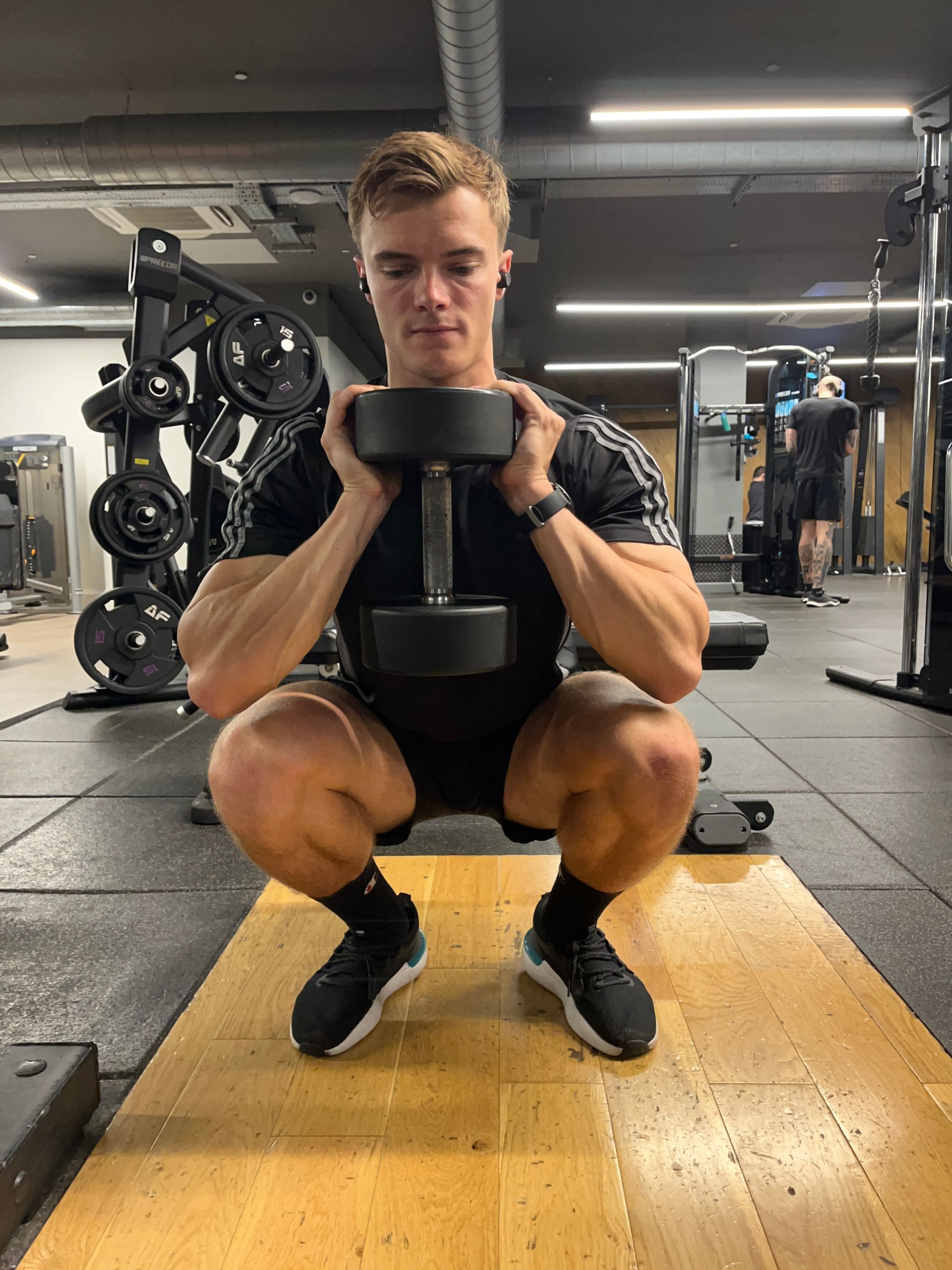
Credit: www.menshealth.com
Key Muscle Groups To Target
Building strong arms requires focusing on specific muscle groups. Each group plays a unique role in arm movement and strength. Targeting these muscles can improve your arm size and power effectively.
Biceps Brachii
The biceps brachii is the muscle at the front of your upper arm. It helps bend the elbow and rotate the forearm. Training this muscle adds size and definition to your arms. Common exercises include curls with dumbbells or barbells.
Triceps Brachii
The triceps brachii is located at the back of the upper arm. It straightens the elbow and supports pushing movements. Strong triceps create fuller and more balanced arms. Pushdowns, dips, and close-grip presses work this muscle well.
Forearm Muscles
The forearm muscles control wrist and finger movements. They improve grip strength and arm endurance. Training forearms enhances overall arm function and aesthetics. Wrist curls and reverse curls are effective exercises for this area.
Top Exercises For Massive Arms
Building massive arms requires targeting all the key muscle groups effectively. The right exercises can make a huge difference in how your arms develop, both in size and strength. Focus on moves that challenge your biceps, triceps, and forearms to create balanced, powerful arms.
Bicep Curls Variations
Bicep curls are the foundation of arm workouts, but switching up the variations can lead to better gains. Try hammer curls to hit the brachialis muscle, which adds thickness to your upper arm. Concentration curls help isolate each bicep, improving muscle symmetry and peak.
Using different grips and angles also stimulates growth. Have you tried incline dumbbell curls? They stretch the muscle differently, which can spark new growth. Small changes in your curl routine can keep your biceps responding and growing.
Tricep Dips And Extensions
Strong triceps are essential for bigger arms since they make up most of your arm’s mass. Tricep dips are simple but highly effective, especially when you lean forward slightly to increase the load. Adding weight with a dip belt can push your strength further.
Tricep extensions isolate the muscle for focused growth. Overhead extensions stretch the long head, while skull crushers target the entire tricep group. Have you noticed how controlling the negative (lowering) phase in these moves helps build more muscle?
Forearm Strength Movements
Forearms often get overlooked, but strong forearms improve grip and overall arm size. Wrist curls and reverse wrist curls build the flexors and extensors, giving your forearms a fuller look. Farmer’s walks challenge your grip and forearm endurance simultaneously.
Don’t ignore your forearm training—improving this area can boost your performance in other lifts. Ever struggled to hold onto the bar during heavy sets? Strengthening your forearms can fix that and make your arm workouts more effective.

Credit: www.youtube.com
Designing Your Workout Plan
Designing your muscle-building arm workout plan is crucial for making consistent progress. The right structure helps you avoid plateaus and keeps your motivation high. Let’s break down how to pick sets and reps, balance your workout’s volume and intensity, and add rest periods that actually boost your gains.
Choosing Sets And Reps
The number of sets and reps you choose defines how your muscles respond. For building muscle, aim for 3 to 5 sets per exercise. Each set should have 8 to 12 reps to create enough tension for growth without causing burnout.
Think about the exercises you enjoy and how your body feels after different rep ranges. For instance, I found my biceps respond better to 10 reps with moderate weight rather than heavier weights with fewer reps. Experiment to see what works best for your arms.
Balancing Volume And Intensity
Volume means the total amount of work you do (sets x reps x weight), while intensity refers to how heavy the weight is. Too much volume with low intensity won’t challenge your muscles enough. Too much intensity with low volume may lead to injury or slow progress.
Try increasing volume gradually over weeks, then add intensity by lifting heavier weights. If your arms feel drained or sore for days, it might be time to dial back the volume. Ask yourself: Are you pushing hard enough without overdoing it?
Incorporating Rest And Recovery
Rest between sets allows your muscles to regain strength for the next round. Usually, 60 to 90 seconds works well for arm workouts focused on muscle growth. If you lift heavier, extending rest to 2 minutes can help maintain your performance.
Don’t forget about rest days too. Your muscles grow when you recover, not while you’re training. Pay attention to how your arms feel—do they need an extra day off or some light stretching? Your recovery habits can make or break your muscle-building journey.
Nutrition Tips For Muscle Growth
Nutrition plays a huge role in building muscle, especially for arm workouts where growth depends on more than just lifting weights. You can train hard, but without the right fuel, your muscles won’t repair and grow as effectively. Understanding how to manage your diet can make a visible difference in your arm size and strength.
Protein Intake Essentials
Protein is the building block of muscle. Aim to consume about 1.6 to 2.2 grams of protein per kilogram of your body weight daily to support muscle repair and growth.
Good sources include lean meats, eggs, dairy, legumes, and plant-based options like tofu and tempeh. Spread your protein intake evenly across meals to keep your muscles fed throughout the day.
Have you noticed that eating a high-protein breakfast helps you recover better after morning workouts? Small changes like this can boost your muscle-building progress.
Supplements For Arm Gains
Supplements can help fill nutritional gaps but aren’t magic solutions. Creatine monohydrate is one of the most researched and effective supplements to increase strength and muscle mass.
Whey protein powder is a convenient way to hit your protein targets, especially post-workout. Branched-chain amino acids (BCAAs) may reduce muscle soreness, allowing you to train arms more frequently.
Think about your daily routine—could a shake after your workout make hitting protein goals easier? Try it and watch your recovery improve.
Hydration And Meal Timing
Water is often overlooked but essential for muscle function and recovery. Staying hydrated improves nutrient transport and reduces fatigue during arm workouts.
Eat a balanced meal with protein and carbs 1 to 2 hours before training to fuel your session. After your workout, consume protein within 30 to 60 minutes to kickstart muscle repair.
Ask yourself: are you drinking enough water and timing your meals to maximize your arm gains? Small adjustments here can lead to big improvements.
Avoiding Common Mistakes
Avoiding common mistakes is vital for an effective muscle building arm workout. These errors can slow progress and cause injuries. Paying attention to these areas ensures steady growth and strength gains.
Overtraining Risks
Training arms too often can lead to fatigue and injury. Muscles need time to recover and grow stronger. Overtraining causes soreness and reduces workout quality. Rest days are essential for muscle repair.
Poor Form Consequences
Using wrong form reduces workout effectiveness. It also increases the chance of injury. Poor technique stresses joints and tendons incorrectly. Focus on controlled movements and proper posture. Start with lighter weights to learn correct form.
Neglecting Other Muscle Groups
Ignoring other muscles creates imbalances and poor posture. Strong back, shoulders, and chest support arm strength. Balanced training improves overall muscle growth. Include compound exercises to work multiple muscles at once.
Tracking Progress And Staying Motivated
Tracking your progress and staying motivated are crucial parts of any muscle-building arm workout. Without clear markers and a strong drive, it’s easy to lose focus and stall your gains. Paying attention to how you improve can fuel your enthusiasm and help you push through plateaus.
Using Measurements And Photos
Keep a record of your arm measurements regularly. Use a tape measure to track the size of your biceps and triceps every two weeks. This simple habit shows real, visible progress beyond just what the scale says.
Taking photos from different angles can reveal muscle growth you might not notice day-to-day. Compare these images over time to see your hard work paying off. You might be surprised how much change happens in just a few weeks.
Setting Realistic Goals
Set goals that challenge you but remain achievable within your current lifestyle. Instead of aiming to add five inches to your arms quickly, focus on increasing your curl weight by small increments each week. This keeps your progress steady and prevents frustration.
Ask yourself: What is a reasonable target for the next month? Break your big goal into smaller milestones. Celebrate these wins to keep your morale high and your focus sharp.
Keeping Workouts Engaging
Variety keeps boredom away and muscles growing. Try mixing different exercises like hammer curls, tricep dips, and cable pushdowns to hit your arm muscles from new angles. Changing your routine every few weeks stops plateaus and keeps your workouts fresh.
Challenge yourself with new rep schemes or add supersets to increase intensity. When your workouts are interesting, motivation comes naturally. What new moves could you add this week to keep your arms guessing?
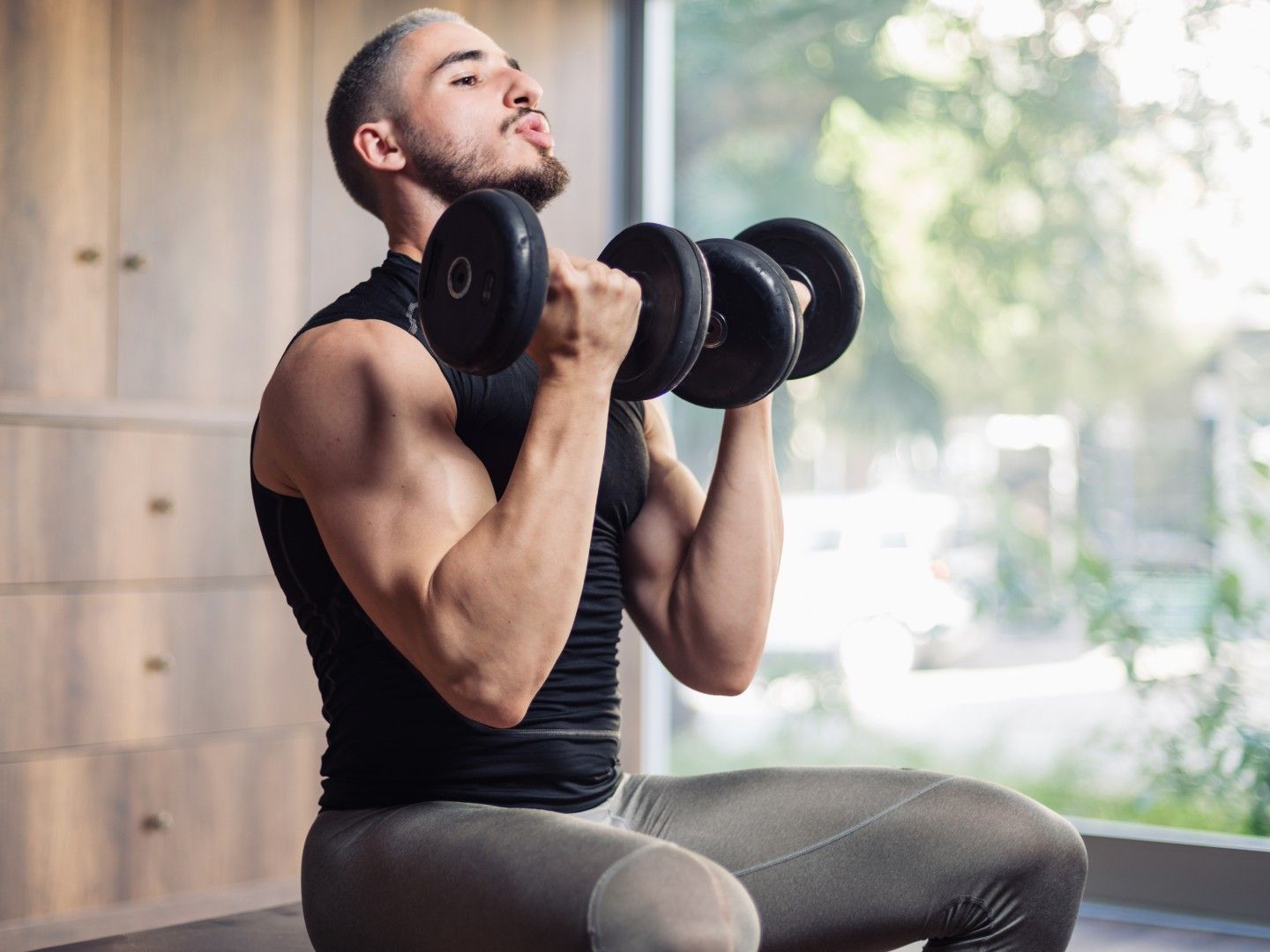
Credit: www.tomsguide.com
Frequently Asked Questions
What Are The Best Exercises For Arm Muscles?
The best exercises for arm muscles include bicep curls, tricep dips, and hammer curls. These workouts target the biceps and triceps effectively. Incorporating these exercises into your routine can enhance muscle strength and definition. Consistency and proper form are key to achieving optimal results in muscle building.
How Often Should I Train My Arms?
Training your arms 2-3 times per week is effective for muscle growth. Allowing adequate rest between sessions is crucial to avoid overtraining. This routine helps in muscle recovery and growth. Ensure a balanced diet and proper hydration to support your workouts and enhance muscle-building results.
Can I Build Arm Muscles Without Weights?
Yes, you can build arm muscles without weights using bodyweight exercises. Push-ups, tricep dips, and resistance band exercises are effective. These exercises can enhance muscle strength and definition. Consistency and proper technique are essential for optimal results. Incorporating these exercises into your routine can effectively build arm muscles.
How Long Does It Take To See Results?
You can start seeing noticeable results in 4-6 weeks with consistent training. Regular workouts, proper nutrition, and adequate rest enhance muscle growth. Individual results may vary based on genetics and workout intensity. Staying committed to your routine is crucial for long-term success in muscle building.
Conclusion
Strong arms need regular workouts and good rest. Focus on exercises that target all arm muscles. Keep your form correct to avoid injuries. Eat healthy foods to help muscles grow. Track your progress to stay motivated and improve. Stay consistent and patient; results take time.
Enjoy the process and celebrate small gains. This workout can help build muscle and strength. Your arms will thank you for the effort.







