
Are you ready to transform your legs and boost your strength? Building leg muscle isn’t just about looking good—it helps you move better, prevents injuries, and powers up your entire body.
Whether you want to run faster, jump higher, or simply feel stronger every day, the right workout can make all the difference. You’ll discover simple, effective exercises designed to build your leg muscles quickly and safely. Get ready to take control of your fitness and see real results that motivate you to keep going.
Let’s dive into the best leg muscle workout for you!
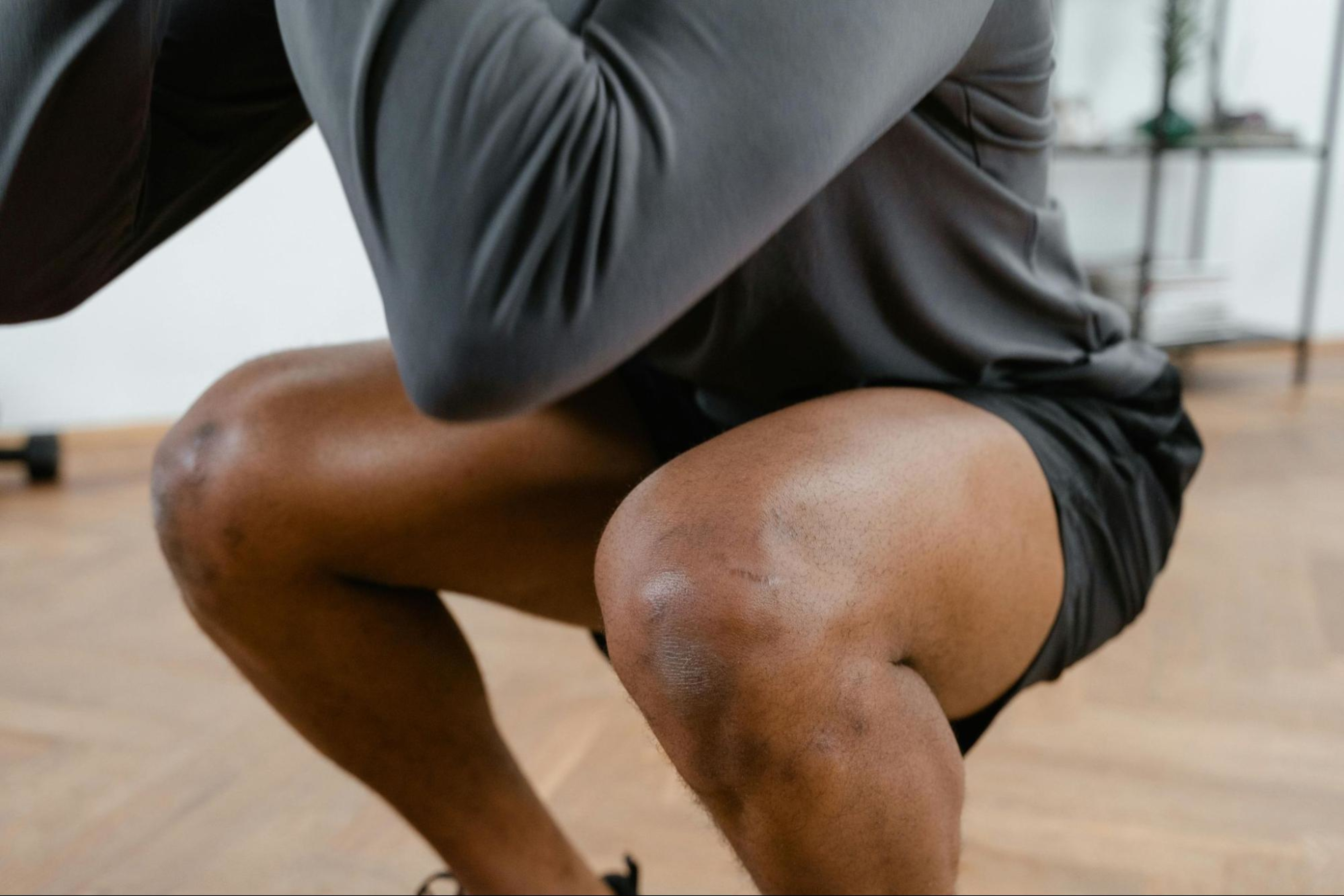
Credit: hydrow.com
Benefits Of Strong Leg Muscles
Strong leg muscles bring many benefits beyond just appearance. They play a vital role in overall health and daily life. Building leg strength improves how your body moves and feels every day.
Improved Athletic Performance
Strong legs boost power and speed in sports. They help you jump higher and run faster. Better leg strength also improves balance and agility. This leads to better performance in almost any physical activity.
Enhanced Daily Functionality
Leg muscles support everyday movements like walking and climbing stairs. Strong legs reduce fatigue during simple tasks. They make standing and sitting easier and safer. This helps maintain independence as you age.
Injury Prevention
Strong leg muscles protect joints and bones. They reduce the risk of falls and strains. Better muscle strength supports correct posture and body alignment. This lowers chances of common injuries in legs and back.
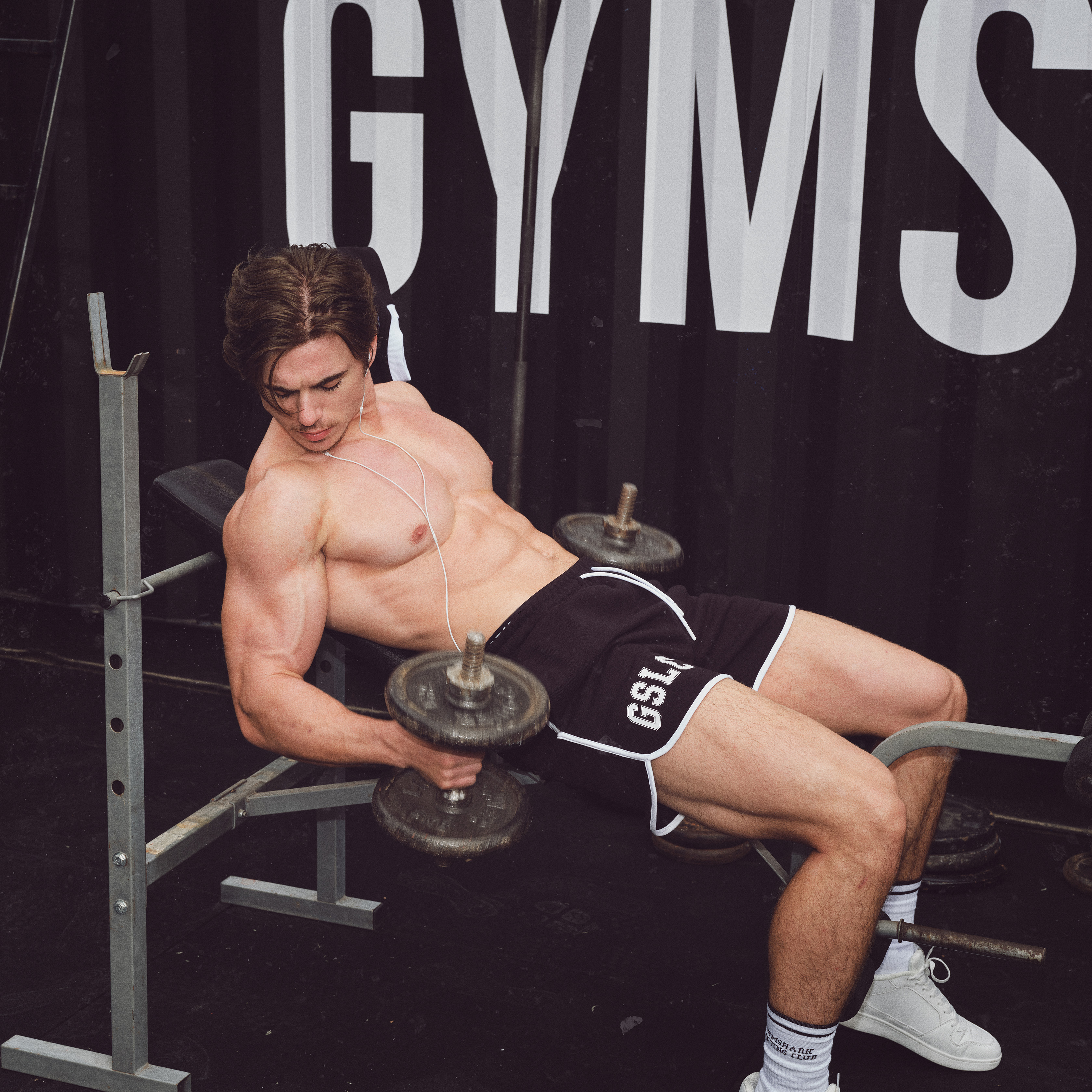
Credit: au.gymshark.com
Key Muscles Targeted In Leg Workouts
Leg workouts focus on several important muscles that support movement and strength. Building these muscles improves balance, power, and endurance. Knowing which muscles are targeted helps you plan effective exercises.
Quadriceps
The quadriceps are the large muscles on the front of your thighs. They help you straighten your knee and support walking, running, and jumping. Strong quads improve your ability to lift and push.
Hamstrings
Hamstrings are the muscles at the back of your thighs. They bend your knees and move your hips backward. Working your hamstrings prevents injury and helps with sprinting and climbing.
Glutes
The glutes are the muscles in your buttocks. They stabilize your hips and power movements like squats and lunges. Strong glutes improve posture and reduce lower back pain.
Calves
Calf muscles are at the back of your lower legs. They lift your heels and support walking and running. Building calves increases ankle strength and helps with balance.
Essential Leg Exercises
Strong leg muscles support daily activities and improve athletic performance. Essential leg exercises target major muscle groups like quads, hamstrings, glutes, and calves. These workouts build strength, stability, and endurance. Including a variety of exercises ensures balanced muscle development and reduces injury risk.
Squats Variations
Squats are a foundation for leg strength. Different variations work muscles in unique ways.
- Bodyweight squats improve basic movement and control.
- Goblet squats add weight with a dumbbell or kettlebell.
- Barbell back squats target quads and glutes intensely.
- Sumo squats focus more on inner thighs and hips.
Squats engage many muscles at once, boosting overall power.
Deadlifts
Deadlifts strengthen hamstrings, glutes, and lower back. They improve posture and hip stability.
- Conventional deadlifts use a barbell lifted from the floor.
- Romanian deadlifts keep legs straighter, focusing on hamstrings.
- Sumo deadlifts have a wider stance, reducing lower back strain.
Proper form is key to avoid injury and maximize gains.
Lunges
Lunges build balance and unilateral leg strength. They also activate core muscles.
- Forward lunges work quads and glutes.
- Reverse lunges reduce knee stress.
- Walking lunges increase endurance and coordination.
- Side lunges target inner and outer thighs.
Lunges improve symmetry by training each leg independently.
Leg Press
The leg press machine allows controlled heavy lifting. It targets quads, hamstrings, and glutes.
- Adjust foot placement to focus on different muscles.
- Keep feet shoulder-width apart for balanced strength.
- Do not lock knees at the top of the movement.
Leg press is ideal for building strength without stressing the back.
Calf Raises
Calf raises strengthen the lower leg muscles. They improve ankle stability and jumping ability.
- Standing calf raises target the gastrocnemius muscle.
- Seated calf raises work the soleus muscle underneath.
- Use weights or do single-leg raises for more challenge.
Consistent calf training enhances overall leg power and balance.
Designing Your Workout Plan
Designing your leg muscle workout plan is key to making consistent progress. It’s not just about lifting weights; it’s about structuring your sessions to match your personal goals and recovery ability. Taking the time to plan helps you avoid plateaus and stay motivated.
Setting Strength Goals
Start by defining what you want to achieve with your leg workouts. Are you aiming to build raw strength, add muscle size, or improve endurance? Your goal will shape everything from exercise choice to training intensity.
For example, if increasing strength is your priority, focus on heavier weights with fewer repetitions. Want bigger legs? Moderate weights with higher volume often work better. Clear goals make your workouts more effective and measurable.
Choosing Reps And Sets
Your choice of reps and sets should align with your strength goals. Lower reps (4-6) with heavier weights build strength, while moderate reps (8-12) target muscle growth. Higher reps (15+) improve muscular endurance.
Try structuring your workout with 3 to 5 sets per exercise. I’ve found that sticking to 4 sets helps me push hard enough without burning out. Adjust reps and sets based on how your legs respond over time.
Balancing Volume And Intensity
Volume is the total amount of work you do, while intensity is how hard you push yourself. Balancing these two is crucial to avoid overtraining and plateaus. You want enough volume to stimulate growth but not so much that you can’t recover.
Pay attention to how your legs feel the day after training. Soreness is normal, but persistent fatigue means you might be overdoing it. Experiment with reducing sets or weight if you notice your performance dipping.
Incorporating Rest Days
Rest days are where your leg muscles actually grow stronger. Without enough recovery, you risk injury and stalled progress. Plan at least one or two full rest days each week, depending on your workout intensity.
On rest days, light activity like walking or stretching helps blood flow and reduces stiffness. How do you usually feel after rest days? If you feel stronger, your plan is working. If not, consider tweaking your rest schedule.
Advanced Training Techniques
Advanced training techniques push your leg workouts beyond the basics, helping you break plateaus and build muscle more effectively. These methods challenge your muscles in different ways, forcing them to adapt and grow stronger. If you’ve been hitting the gym regularly but feel your progress slowing, adding these techniques could be the game-changer you need.
Drop Sets And Supersets
Drop sets involve reducing the weight immediately after muscle fatigue to keep pushing your legs without resting. For example, start with a heavy squat weight until failure, then drop the weight by 20-30% and continue without pause. This method increases muscle endurance and stimulates growth by extending the set beyond normal limits.
Supersets pair two exercises back-to-back with no rest in between. You can combine squats with lunges or leg presses with hamstring curls. Supersets save time and crank up intensity, forcing your leg muscles to work harder and recover quicker.
Pyramid Training
Pyramid training starts with lighter weights and higher reps, then increases weight while lowering reps in each set. For example:
- Set 1: 12 reps with light weight
- Set 2: 10 reps with moderate weight
- Set 3: 8 reps with heavy weight
- Set 4: 6 reps with near-max weight
This approach warms up your muscles gradually and peaks strength output at the end. It also challenges both endurance and power, giving your legs a comprehensive workout.
Tempo Variation
Tempo variation means changing the speed of your reps to control muscle tension more precisely. Try slowing down the eccentric phase (lowering the weight) to 3-5 seconds while keeping the concentric phase (lifting) explosive. This increases time under tension, which is critical for muscle growth.
Have you ever noticed how slow, controlled reps make your legs burn more? That’s the muscle working harder. Tempo changes also improve your form and reduce injury risk.
Partial Reps
Partial reps focus on a specific range of motion instead of completing the full movement. For example, performing only the bottom half of a squat when your legs are already fatigued keeps tension on the muscle longer. This technique targets weak points and adds extra volume without overloading joints.
You can combine partial reps with full reps to extend your set and exhaust your muscles completely. It’s a smart way to shock your legs and force new growth when regular reps feel too easy.

Credit: www.strengthlog.com
Nutrition For Muscle Growth
Nutrition plays a crucial role in building leg muscle. Without the right fuel, your workouts won’t deliver the strength and size gains you’re aiming for. Paying attention to what you eat can make your training more effective and speed up recovery.
Protein Intake
Protein is the foundation of muscle repair and growth. Aim to eat high-quality protein sources like chicken, fish, eggs, or plant-based options such as lentils and chickpeas.
Try to spread your protein intake evenly throughout the day. Consuming about 20-30 grams of protein every 3-4 hours can help keep your muscles fed and ready to grow.
Have you noticed how your muscles feel after a protein-rich meal post-workout? That’s your body getting the building blocks it needs to get stronger.
Carbohydrates And Energy
Carbs are your muscles’ main energy source during intense leg workouts. Without enough carbs, you might feel drained and unable to push hard.
Focus on complex carbohydrates like brown rice, oats, and sweet potatoes. These provide sustained energy and help replenish glycogen stores after training.
Think about your last workout: did you eat enough carbs beforehand to power through those squats and lunges?
Hydration
Water is often overlooked but is essential for muscle function and recovery. Dehydration can cause cramps and reduce your strength during workouts.
Drink water consistently throughout the day, not just during your workout. A good rule is to aim for at least 3 liters daily, adjusting based on your sweat rate and exercise intensity.
Ever felt sluggish mid-workout? Sometimes, a simple glass of water can make a big difference in your performance.
Supplements To Consider
While whole foods should be your priority, some supplements can support muscle growth. Creatine monohydrate is well-researched and can improve strength and muscle size.
Whey protein powder is a convenient way to hit your protein goals, especially post-workout. Branched-chain amino acids (BCAAs) may help reduce muscle soreness and improve recovery.
Have you tried any supplements? Tracking how they affect your workouts can help you decide what’s worth your investment.
Recovery And Injury Prevention
Recovery and injury prevention are key to effective leg muscle workouts. Proper care helps muscles heal and grow stronger. It also lowers the risk of strains and other injuries. Focusing on recovery keeps your training consistent and safe.
Stretching And Mobility
Stretching improves flexibility and reduces muscle tightness. Perform dynamic stretches before workouts to prepare muscles. After training, use static stretches to relax muscles and improve range of motion. Good mobility helps joints move smoothly and prevents injuries.
Foam Rolling
Foam rolling eases muscle knots and improves blood flow. Roll slowly over sore or tight areas for 1–2 minutes. This technique helps reduce muscle soreness and speeds recovery. Regular foam rolling also enhances muscle performance during workouts.
Sleep Importance
Sleep is vital for muscle repair and growth. Aim for 7–9 hours of quality sleep each night. During sleep, the body releases growth hormones that heal tissues. Poor sleep can slow recovery and increase injury risk.
Recognizing Overtraining
Overtraining can lead to fatigue and injuries. Watch for persistent muscle soreness, weakness, or joint pain. Decreased motivation and poor sleep also signal overtraining. Rest days and lighter workouts help prevent burnout and injury.
Tracking Progress And Staying Motivated
Tracking your progress and staying motivated are key to building strong leg muscles. Without clear records, it’s easy to lose sight of your improvements and get discouraged. Keeping an eye on how far you’ve come helps you push harder and adjust your workouts for better results.
Using Workout Logs
Writing down your exercises, weights, sets, and reps gives you a clear picture of your progress. It’s simple to see if you’re lifting heavier or doing more reps over time. You can also spot patterns, like which workouts leave you feeling stronger or when you need to rest more.
Try a notebook or an app designed for fitness tracking. I once missed out on progress because I didn’t log my workouts. After starting a simple log, I noticed gains I had overlooked, which kept me motivated to continue.
Setting Milestones
Break your big goal into smaller, achievable targets. These milestones give you something to celebrate regularly, keeping motivation high. For example, aim to add 10 pounds to your squat every two weeks or increase your set count gradually.
What small win can you aim for this week? Setting clear milestones helps you focus and feel a sense of accomplishment, which keeps the momentum going.
Overcoming Plateaus
Hitting a plateau can be frustrating, but it’s a normal part of muscle growth. If your progress stalls, change your routine by adjusting weights, reps, or exercises. Adding variety challenges your muscles differently and sparks new growth.
Have you tried switching from squats to lunges or adding resistance bands? These tweaks can make a big difference when progress slows down.
Maintaining Consistency
Consistency beats intensity over time. Showing up regularly—even on days you feel less motivated—builds habits that lead to lasting results. Schedule your workouts like important appointments and stick to them.
What’s one small action you can take today to keep your routine steady? Remember, steady progress adds up to big changes in your leg strength and muscle size.
Frequently Asked Questions
What Exercises Help Build Leg Muscles Fast?
To build leg muscles quickly, focus on exercises like squats, lunges, and deadlifts. These compound movements target major leg muscles, promoting growth. Incorporate variations like front squats or Bulgarian split squats for added challenge. Consistency and progressively increasing weights are key to seeing fast results.
How Often Should You Train Legs Weekly?
Training legs two to three times per week is ideal. This frequency allows muscles to recover and grow. Ensure you include rest days and focus on different muscle groups each session. Listening to your body and adjusting as needed can help prevent overtraining and injury.
What Is The Best Leg Workout For Beginners?
Beginner leg workouts should include squats, lunges, and leg presses. These exercises build a solid foundation. Start with light weights and focus on proper form. Gradually increase intensity and volume as you become more comfortable. Consistency and patience are crucial for long-term progress.
Are Leg Workouts Effective For Weight Loss?
Leg workouts can aid weight loss by burning calories and building muscle. Compound exercises like squats and lunges elevate heart rate, boosting calorie burn. Increased muscle mass also enhances metabolism. Combine leg workouts with a balanced diet and cardio for optimal weight loss results.
Conclusion
Building strong leg muscles takes time and effort. Stick to your workout plan and stay consistent. Focus on proper form to avoid injuries. Rest and eat well to help muscles grow. Track your progress and celebrate small wins. Strong legs improve balance, strength, and daily life.
Keep pushing yourself and enjoy the journey. Your hard work will pay off soon.







