
Are you tired of uncomfortable bras that just don’t fit right? You’re not alone.
Finding the perfect bra can feel like searching for a needle in a haystack. But what if I told you that with a few simple tips, you could transform your bra shopping experience? Imagine the confidence boost and comfort you’ll enjoy when your bras fit like they were custom-made for you.
In this guide, we’ll reveal expert bra fitting tips that will change the way you shop forever. Say goodbye to pinching straps and digging bands. Dive in, and let’s find the perfect fit together. You deserve to feel fabulous every single day.
Credit: clothinakart.com
Choosing The Right Size
Choosing the right bra size is a game changer for comfort and confidence. Many women wear the wrong size without realizing it, leading to discomfort and poor posture. Knowing your true size helps you find bras that support you perfectly and feel great all day long.
Measuring Band Size Accurately
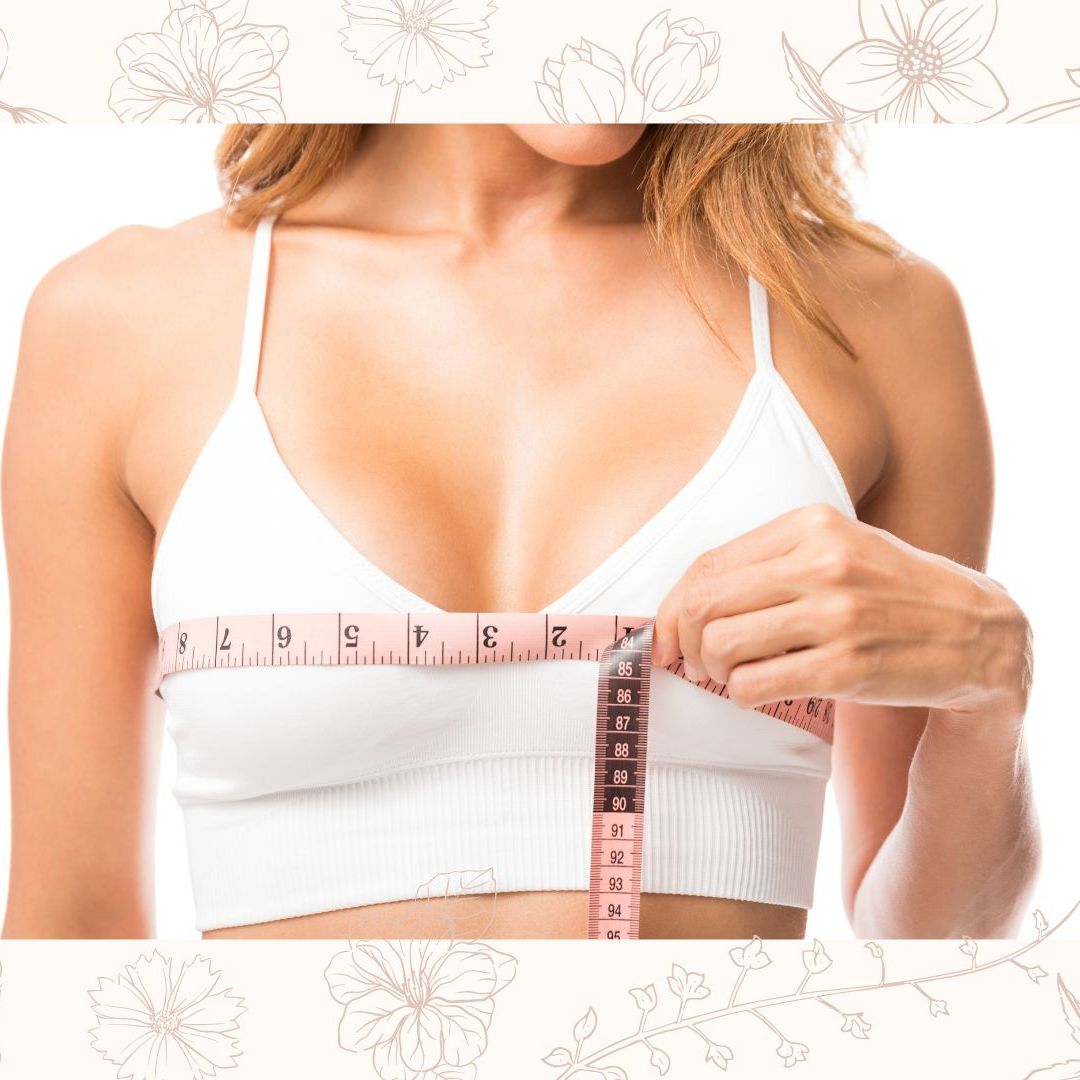
The band size is the foundation of your bra fit, so it needs to be measured precisely. Use a soft measuring tape around your ribcage, just below your bust. Make sure the tape is snug but not tight, and keep it level all around.
Take the measurement in inches and round it to the nearest whole number. If the number is even, add 4 inches; if odd, add 5 inches. This simple adjustment helps you find the correct band size, but remember that sizing can vary slightly by brand.
Determining Cup Size
Once you have your band size, measuring your bust at the fullest point is next. Keep the tape measure parallel to the floor and don’t pull it too tight. The difference between your bust measurement and band size determines your cup size.
| Difference (inches) | Cup Size |
|---|---|
| 1 | A |
| 2 | B |
| 3 | C |
| 4 | D |
| 5 | DD / E |
Did you know many women wear cup sizes too small because they skip this step? Understanding the difference can change how a bra feels on you instantly.
Signs Of A Proper Fit
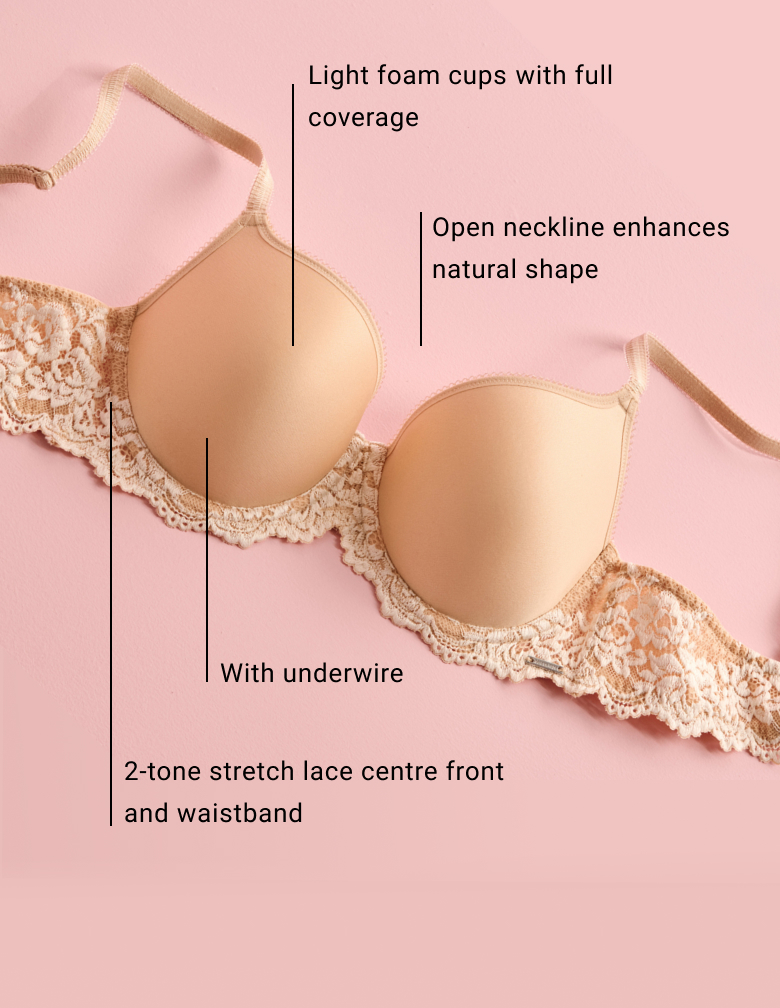
How do you know a bra fits well? Check if the band sits level and snug without digging into your skin. It should provide support without riding up your back.
The cups should fully contain your breasts without gaps or overflow. Straps shouldn’t dig into your shoulders or slip off. If you feel discomfort or notice bulges, it’s time to try a different size or style.
Have you ever noticed how a well-fitted bra can improve your posture and confidence? Try paying attention to these signs next time you shop, and you might find a bra that feels like it was made just for you.
Credit: www.lavieenrose.com
Types Of Bras For Different Needs
Choosing the right bra can change how you feel throughout the day. Different bras serve different purposes, and knowing which one fits your need can make a huge difference. Whether you prioritize comfort, support, or style, the right type of bra will boost your confidence and keep you comfortable.
Everyday Comfort Bras
These bras are designed for all-day wear. They often feature soft fabrics, breathable materials, and a seamless design to prevent irritation. If you spend most of your day at work or running errands, comfort bras are your best friend.
Look for bras with wide straps and a good fit that doesn’t dig into your skin. Have you noticed how uncomfortable straps or tight bands can ruin your focus? A well-fitted comfort bra lets you move freely without constant adjustment.
Supportive Sports Bras
Sports bras are essential if you lead an active lifestyle. They reduce breast movement during exercise, helping to prevent discomfort and long-term sagging. Different activities need different levels of support, so choose one based on your workout intensity.
High-impact sports like running need bras with strong compression and wider straps. For yoga or walking, a lighter support bra will do. Have you ever experienced breast pain after a workout? A proper sports bra can stop that from happening.
Push-up And Enhancer Bras
Push-up bras lift and shape your bust, adding volume where you want it most. They can enhance your cleavage and work well under fitted or low-cut tops. If you want to boost your natural shape for a special occasion, this type is a great choice.
Enhancer bras often have padding or underwire to provide extra lift and support. But it’s important they fit well so they don’t feel bulky or uncomfortable. Have you found yourself adjusting your bra constantly in these styles? It might be time to try a different size or design.
Strapless And Specialty Bras
Strapless bras are perfect for outfits that show your shoulders or have tricky necklines. The key to a good strapless bra is a snug band that stays put without straps. Silicone grips or underwire can help keep it in place.
Specialty bras include nursing bras, maternity bras, and bras designed for post-surgery comfort. These bras focus on functionality without sacrificing comfort. Do you own a bra that fits a unique need? If not, exploring specialty options could improve your daily comfort significantly.
Common Fitting Issues
Common fitting issues can make wearing a bra uncomfortable and affect how your clothes fit. These problems often signal that your bra size or style might not be right for you. Identifying these issues early helps you find a better fit that supports and flatters your shape.
Band Riding Up
If you notice the band of your bra creeping up your back, it usually means the band is too loose. The band is the main support, so it should sit firm and level around your body.
Try adjusting the band size smaller, or check if the bra style suits your body shape. Have you ever felt like your bra was slipping all day? That’s a clear sign to recheck your band fit.
Cup Spillage And Gaping
Spillage happens when your breasts overflow the cups, while gaping means there’s extra space inside the cups. Both issues show that the cup size isn’t quite right for you.
Choosing the correct cup size is key. If you find yourself adjusting your bra or clothes to hide bulges or gaps, it’s time to try a different cup size or style.
Strap Digging And Slipping
Straps that dig into your shoulders cause discomfort, while slipping straps mean they aren’t adjusted properly or the bra doesn’t fit well.
Check that straps are snug but not too tight. If you keep pulling them up, it might be worth trying bras with wider straps or different adjustments. How often do you catch yourself fixing your straps during the day?
Credit: www.womanandhome.com
Adjusting For Shape And Posture
Adjusting your bra for both shape and posture can transform how comfortable and confident you feel throughout the day. Every body is unique, so understanding how your breast shape and posture affect the fit is crucial. Paying attention to these details helps you pick bras that support you properly and enhance your natural silhouette.
Finding Bras For Different Breast Shapes
Your breast shape influences which bra styles will suit you best. For example, if you have fuller breasts, look for bras with wider straps and strong underwire for better support.
Those with shallow breasts might find demi-cup or balconette bras provide a natural lift without gaping. If your breasts are close-set, bras with a narrow center gore help prevent discomfort and create separation.
Consider trying on bras designed specifically for asymmetrical breasts; many brands offer removable padding to balance the look. Have you noticed how your current bras fit around the cup edges? That’s a key clue to whether the style matches your shape.
Impact Of Posture On Fit
Your posture directly affects how a bra fits and feels. Slouching can cause straps to slip and bands to ride up, reducing support.
Standing straight with shoulders back often improves bra fit by aligning the band and cups properly. If you spend a lot of time sitting or leaning forward, a bra with adjustable straps and a flexible band can adapt better to your movements.
Try checking your posture in front of a mirror while wearing your bra—does the band sit level? Are the straps comfortable or digging in? Small posture adjustments can make a big difference in how your bra supports you.
Bra Care For Longevity
Taking good care of your bras is key to making them last longer and keeping them comfortable. Proper care not only saves money but also ensures your bras maintain their shape and support. Paying attention to how you wash, dry, and store them can make a significant difference.
Washing And Drying Tips
Always hand wash your bras if you can. Use mild detergent and cold water to protect the fabric and elastic. Avoid using bleach or fabric softeners because they can break down the material.
If you must use a washing machine, place your bras in a mesh laundry bag. Use the gentle cycle and cold water to reduce wear and tear. Never twist or wring your bras; instead, press out excess water gently with a towel.
Dry your bras flat on a clean towel, reshaping the cups as they dry. Avoid hanging them by the straps or using a dryer, as this can stretch the elastic and ruin the fit. Have you noticed how a bra feels after a tumble dryer? It rarely feels the same again.
Storing Bras Properly
Stack your bras with the cups nested inside each other to keep their shape. Avoid folding one cup into the other, which can cause creases and damage. Using a drawer organizer can help keep them neat and easy to find.
If you have limited space, consider hanging your bras by the center gore (the part between the cups) on a hanger. This prevents straps from stretching out. How often do you find your bras tangled or misshapen because of careless storage?
Remember, the way you store your bras affects their lifespan just as much as washing. Treat them with care, and your bras will continue to support you comfortably for many wears.
When To Replace Your Bra
Knowing when to replace your bra is key to staying comfortable and supported. Bras lose their shape and stretch over time. Wearing an old bra can cause discomfort and poor fit. Paying attention to signs of wear helps protect your bust health. Regular replacement keeps your lingerie fresh and functional.
Signs Of Wear And Tear
- Straps that slip or dig into your shoulders
- Hooks that no longer fasten securely
- Fabric that feels stretched or thin
- Cups that lose shape or padding
- Underwire poking through the fabric
- Elastic bands that feel loose or stretched out
These signs show your bra is past its prime. Ignoring them leads to less support and discomfort.
Frequency Of Replacement
Bras generally last about six to twelve months with regular use. Bras worn daily tend to wear out faster. Rotating several bras extends their lifespan. Washing bras gently and air drying can also help.
Replace bras more often if you notice any wear signs. A well-fitting, new bra supports your shape better. Listen to your body’s comfort signals to decide when it’s time.
Frequently Asked Questions
How Do I Know My Correct Bra Size?
Measure your band size under the bust with a tape. Measure your bust at the fullest point. Subtract band from bust measurement. Use a bra size calculator or chart to find your size.
What Are Signs Of A Poorly Fitted Bra?
Straps digging in, band riding up, spillage, or gaps in cups indicate poor fit. Discomfort and back pain are also signs. A well-fitted bra should feel snug and supportive without pain.
When Should I Get A New Bra Fitting?
Get fitted every 6-12 months or after weight changes. Hormonal changes, pregnancy, and aging can affect size. Regular fittings ensure comfort and proper support.
How Should Bra Straps Fit Properly?
Straps should be snug but not tight. They should stay in place without digging into shoulders. Straps carry about 10-20% of breast weight; the band does the rest.
Conclusion
Finding the right bra fit makes a big difference in comfort. A well-fitted bra supports your shape and boosts confidence. Measure yourself regularly, as sizes can change over time. Pay attention to straps, bands, and cups for the best fit.
Trying different styles helps you discover what feels best. Taking care of your bras also extends their life. Remember, comfort matters more than size or brand. Wearing the right bra lets you move freely and feel good all day. Small changes can bring big comfort.
Your body will thank you.







