
Are you curious about what kangaroos eat and how their diet keeps them so strong and energetic? Understanding the kangaroo diet can give you surprising insights into nature’s balance and even inspire your own healthy eating habits.
You’ll discover what makes their meals unique, why they thrive on certain foods, and how their diet supports their amazing lifestyle. Keep reading—you might find ideas that can change the way you think about food and nutrition.
Kangaroo Meat As Lean Protein
Kangaroo meat stands out as an excellent source of lean protein. It fits well into diets that focus on healthy, low-fat options. This meat is not only tasty but also packed with nutrients. Many people seek proteins that support muscle growth and overall health. Kangaroo meat delivers these benefits with fewer calories and fat than many other meats.
Nutritional Profile
Kangaroo meat is rich in essential nutrients. It contains:
- High-quality protein
- Iron, which helps blood health
- Zinc, important for the immune system
- B vitamins, supporting energy and brain function
This combination makes it a smart choice for balanced nutrition.
Low Fat Content
This meat has very low fat levels. Most cuts have less than 2% fat. The fat present is mostly healthy unsaturated fat. Low fat means fewer calories and less risk of heart problems. People trying to lose weight or eat clean can benefit greatly.
High Protein Benefits
Protein in kangaroo meat supports muscle repair and growth. It helps maintain strength and energy throughout the day. High protein intake also aids in feeling full longer. This can reduce overeating and support weight management. Athletes and active individuals find it especially useful.

Credit: knowallanimals.com
Health Benefits Of Kangaroo Meat
Kangaroo meat offers several health benefits that make it a smart choice for anyone looking to improve their diet. It is a lean, nutrient-rich protein that can support various aspects of your well-being. Let’s look at how kangaroo meat can help you manage weight, protect your heart, and provide essential nutrients your body needs.
Supports Weight Management
Kangaroo meat is very low in fat compared to many other meats. This helps you reduce calorie intake without sacrificing protein, which is key for muscle maintenance and feeling full longer.
Have you ever struggled with high-fat meats that leave you feeling sluggish? Switching to kangaroo meat can make a noticeable difference in your energy levels and appetite control.
Boosts Heart Health
This meat contains heart-friendly omega-3 fatty acids and conjugated linoleic acid (CLA), both of which can help lower bad cholesterol and reduce inflammation.
Including kangaroo meat in your meals might help you maintain healthier blood vessels and better circulation, reducing the risk of heart disease.
Rich In Essential Nutrients
Kangaroo meat is packed with important nutrients like iron, zinc, and B vitamins, which support your immune system, energy production, and overall health.
Many people don’t realize how much these nutrients affect daily performance and recovery after exercise. Could your current diet be missing these vital elements?
Sourcing And Sustainability
Sourcing and sustainability are key when considering kangaroo meat as part of your diet. Understanding where the meat comes from and how it’s harvested can influence your choice. It’s not just about taste or nutrition; it’s about making decisions that respect the environment and animal welfare.
Ethical Hunting Practices
Kangaroo harvesting follows strict regulations to ensure ethical treatment. Only licensed hunters can participate, and they must adhere to quotas set by wildlife authorities. This helps maintain kangaroo populations and prevents overhunting.
Hunters aim for quick, humane kills to reduce animal suffering. This contrasts sharply with some conventional livestock practices where welfare concerns are often debated. Knowing your meat comes from such controlled, respectful methods can change how you view your meal.
Environmental Impact
Kangaroos have a smaller environmental footprint compared to traditional livestock like cattle and sheep. They produce less methane, which is a potent greenhouse gas. Grazing kangaroos also cause less soil damage, helping preserve native ecosystems.
Choosing kangaroo meat supports a more sustainable food system. It reduces pressure on land and water resources, which are often strained by intensive farming. Have you considered how your meat choices affect the planet beyond just carbon emissions?
Availability In Markets
Kangaroo meat is becoming more accessible in supermarkets and specialty stores across Australia and some international markets. It’s available fresh, frozen, and sometimes in processed forms like sausages or jerky. This variety makes it easier for you to experiment with kangaroo in your meals.
However, availability may vary depending on your location and local regulations. When you spot kangaroo meat, check the labels for sourcing information to ensure you’re buying sustainably harvested products. Would you be willing to try a less common protein if it meant supporting ethical and environmental benefits?
Cooking Tips For Kangaroo Meat
Kangaroo meat is lean and packed with flavor, but it requires careful cooking to bring out its best qualities. Handling it right can make your dishes tender and delicious rather than tough or dry. Let’s dive into some practical tips that can help you master cooking kangaroo meat at home.
Best Cooking Methods
Kangaroo meat shines when cooked quickly over high heat. Grilling, pan-searing, and stir-frying work great because they seal in juices fast. Slow cooking or stewing is also an option, especially for tougher cuts, as it breaks down fibers over time.
I once tried roasting a kangaroo steak for too long and ended up with a dry, chewy mess. Since then, I stick to quick methods or slow braises depending on the cut. What’s your favorite way to cook lean meats?
Flavor Pairings
Kangaroo’s rich, gamey taste pairs well with bold herbs and spices. Rosemary, garlic, pepper, and juniper berries complement it beautifully. Adding a splash of red wine or balsamic vinegar can boost the flavor profile without overpowering the meat.
Try marinating the meat in olive oil, garlic, and fresh herbs for at least an hour before cooking. It helps tenderize and infuse flavor. Have you experimented with unusual spices to enhance your meals?
Avoiding Overcooking
Because kangaroo meat is so lean, it dries out quickly if overcooked. Aim for medium-rare to medium doneness to keep it juicy and tender. Use a meat thermometer to check—about 57°C (135°F) is ideal for steaks.
Rest the meat for a few minutes after cooking to let juices redistribute. This step makes a big difference in moisture and texture. How do you usually check if your meat is perfectly cooked?
Incorporating Kangaroo Meat In Diet
Kangaroo meat is a lean and healthy protein source. It contains less fat than beef or lamb. Adding kangaroo meat to your meals can diversify your diet and boost nutrition. It also has a unique taste that pairs well with many ingredients.
Meal Ideas
- Grilled kangaroo steaks with simple seasoning
- Kangaroo stir-fry with soy sauce and garlic
- Slow-cooked kangaroo stew with herbs
- Kangaroo burgers with whole-grain buns
- Kangaroo meatballs in tomato sauce
Combining With Vegetables
Vegetables add color, vitamins, and fiber to kangaroo dishes. Roasted root vegetables like carrots and sweet potatoes complement its rich flavor. Leafy greens such as spinach or kale balance the meal with fresh, light notes.
Try mixing kangaroo meat with bell peppers, zucchini, or mushrooms for extra taste. Steamed or grilled vegetables keep meals healthy and vibrant. This combination supports digestion and adds variety.
Suitable Dietary Plans
| Diet Type | Why Kangaroo Meat Fits |
|---|---|
| Low-fat Diet | Kangaroo meat is very low in fat, ideal for weight control. |
| High-protein Diet | Rich in protein, it helps build muscle and repair tissue. |
| Paleo Diet | Natural and minimally processed, perfect for paleo eating habits. |
| Keto Diet | Low in carbs and high in protein, suits keto plans well. |

Credit: knowallanimals.com
Potential Concerns And Considerations
Considering the Kangaroo Diet means looking beyond its benefits. You need to understand potential concerns and how to handle them safely. This helps you make informed choices and avoid surprises that could affect your health or enjoyment.
Allergy Information
Some people may have allergies to red meat, including kangaroo. If you’ve experienced reactions to beef or lamb, approach kangaroo with caution.
Symptoms like itching, swelling, or digestive upset can appear after eating. Always start with a small portion to test your body’s response.
Have you ever tried a new meat without knowing if it caused allergies? Taking simple precautions can save you from uncomfortable situations.
Storage And Handling
Kangaroo meat is lean and can spoil quickly if not stored properly. Keep it refrigerated at or below 4°C (39°F) and use it within two days of purchase.
If you plan to keep it longer, freezing is essential. Wrap it tightly to prevent freezer burn and label with the date.
- Thaw frozen kangaroo meat in the fridge, not at room temperature.
- Cook thoroughly to avoid foodborne illnesses.
- Clean surfaces and utensils after handling raw meat.
Failing to store meat properly can lead to waste or health risks. How do you ensure your meat stays fresh and safe?
Consulting Health Professionals
Before adding kangaroo meat to your diet, talk to your doctor or a dietitian, especially if you have health conditions. They can advise if this meat fits your nutritional needs.
People with certain conditions like gout or kidney issues should be cautious, as red meat can affect these problems. Getting professional advice helps you avoid setbacks.
Have you discussed dietary changes with a health expert before? Their guidance often makes your diet safer and more effective.
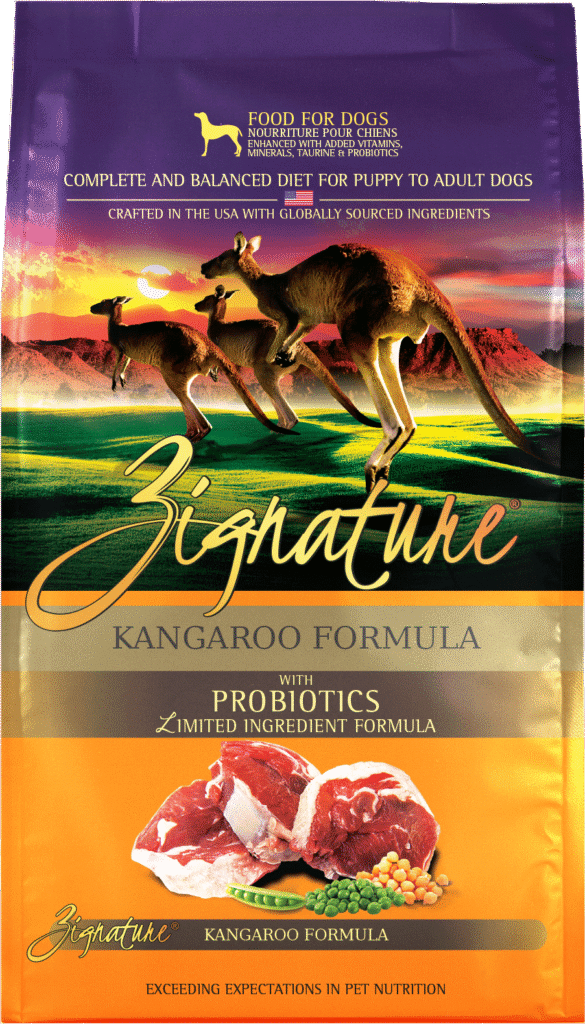
Credit: zignature.com
Frequently Asked Questions
What Do Kangaroos Eat In The Wild?
Kangaroos primarily graze on grasses, leaves, and shrubs in the wild. They are herbivores and their diet varies by habitat. In arid regions, they consume more shrubs and leaves. This diet provides them with necessary nutrients and water, which they extract efficiently from their food.
How Much Do Kangaroos Eat Daily?
Kangaroos consume about 2 to 4 kilograms of food daily. This amount depends on their size and species. Their efficient digestive system helps them extract maximum nutrients. This allows them to thrive in diverse environments, from grasslands to arid areas, by adapting their diet accordingly.
Do Kangaroos Drink Water Frequently?
Kangaroos drink water less frequently due to their diet. They obtain most of their water from the moisture in the plants they eat. In arid environments, they can survive without drinking water for extended periods. This adaptation helps them thrive in harsh conditions with limited water sources.
Are Kangaroos’ Diets Different In Captivity?
Yes, kangaroo diets differ in captivity. In zoos, they are fed a controlled diet of hay, vegetables, and specially formulated pellets. This ensures they receive balanced nutrition. Caretakers monitor their diet closely to maintain health and replicate their natural nutritional needs as closely as possible.
Conclusion
Kangaroos eat mostly grass and plants. Their diet helps them stay strong and healthy. They can eat tough leaves that other animals avoid. Water is important, but they survive well with little. Understanding their diet shows how they live in nature.
This knowledge helps protect kangaroos and their homes. Simple food choices keep these animals active and alive. Watching kangaroos eat teaches us about nature’s balance. Their diet is a key part of their survival story.







