
Are you curious about a diet that’s different from anything you’ve tried before? The Mongolian Diet offers a unique way of eating that’s deeply connected to nature and tradition.
It’s simple, hearty, and packed with flavors that can surprise your taste buds. If you want to discover how this diet can boost your energy, support your health, and maybe even change how you think about food, keep reading. Your next favorite way to eat might just come from the vast steppes of Mongolia.
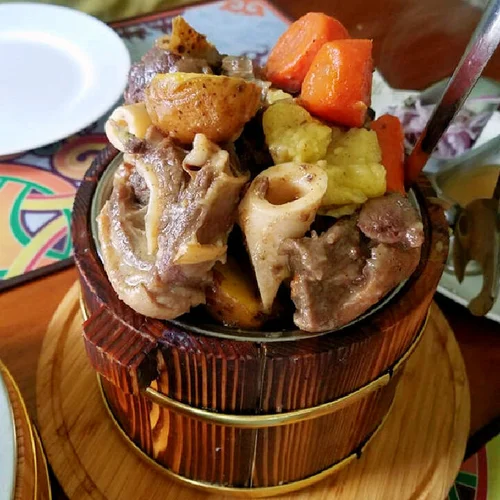
Credit: www.jennysandiford.com
Mongolian Food Culture
The Mongolian food culture is deeply connected to its environment and history. It reflects the simplicity and resilience of a people who have lived through harsh climates and vast open landscapes. Your understanding of this cuisine can change the way you think about eating—focusing on nourishment and tradition rather than just flavor.
Historical Influences
Mongolian cuisine is shaped by its position along ancient trade routes like the Silk Road. These routes brought spices, cooking methods, and ingredients from China, Russia, and Central Asia.
Meat, especially mutton, dominates due to the availability of livestock. Dairy products also play a central role, highlighting the importance of herding in Mongolian life.
Nomadic Lifestyle Impact
The nomadic lifestyle demands food that is easy to store and prepare. Dried meat, fermented milk, and simple stews are staples because they suit constant travel and limited resources.
When you try Mongolian food, you experience how practicality shapes taste. The meals are designed to provide high energy and warmth, essential for the cold steppe climate.
Seasonal Eating Patterns
Mongolians eat according to the seasons, relying heavily on fresh meat and dairy in summer. In winter, preserved foods like dried meat and curds take center stage.
This seasonal shift ensures survival and maximizes nutrition throughout the year. Have you ever thought about how adjusting your diet with the seasons could improve your health?
Credit: pcosweightloss.org
Key Ingredients In Mongolian Cuisine
Mongolian cuisine is rooted in the country’s harsh climate and nomadic traditions. The food relies on a few key ingredients that provide energy and warmth. These ingredients reflect the lifestyle and environment of Mongolia.
Simple but rich in flavor, the ingredients used create hearty meals. The focus is on fresh, natural, and local products. Each component plays a vital role in the diet and culture.
Meat And Dairy Products
Meat is the cornerstone of Mongolian food. The most common meats are mutton, beef, and horse. These meats provide protein and fat needed for cold weather survival.
Dairy products come from cows, yaks, goats, and camels. Items like milk, cheese, and yogurt are staples. They add variety and nutrition to the diet.
- Boiled or dried meat
- Fermented mare’s milk (airag)
- Curds and dried cheese
- Butter and cream
Grains And Vegetables
Grains are less common but still important. Barley is the most popular grain, often used in soups and bread. Wheat is used for noodles and steamed dumplings.
Vegetables are limited due to the cold climate. Root vegetables like potatoes and carrots are common. Onions and garlic add flavor to many dishes.
- Barley flour and groats
- Wheat noodles and dumplings
- Potatoes and carrots
- Onions and garlic
Herbs And Spices
Mongolian cuisine uses herbs and spices sparingly. Salt is the primary seasoning. Black pepper and garlic are added for taste.
Fresh herbs are rare but sometimes used. Dill and coriander appear occasionally. The focus remains on the natural flavor of the main ingredients.
- Salt
- Black pepper
- Garlic
- Dill and coriander
Popular Traditional Dishes
Mongolian cuisine offers a unique taste of the country’s nomadic heritage and harsh climate. The dishes are rich, hearty, and designed to provide energy and warmth. Understanding these popular traditional dishes gives you insight into Mongolian culture and how food shapes daily life.
Buuz And Khuushuur
Buuz are steamed dumplings filled with minced meat, usually lamb or beef, mixed with onions and garlic. They are a staple during the Mongolian Lunar New Year and symbolize family unity. Khuushuur, on the other hand, are deep-fried meat pies with a crispy exterior and juicy filling, perfect for satisfying your hunger on cold days.
Both dishes showcase simple ingredients transformed by skillful cooking. If you love dumplings, trying these will challenge your palate with new textures and flavors.
Boodog And Khorkhog
Boodog is a traditional Mongolian barbecue where meat, often goat or marmot, cooks inside the animal’s own skin using hot stones. This method locks in flavors and creates tender, smoky meat. Khorkhog also uses hot stones but cooks meat in a sealed container, mixing chunks of lamb with vegetables for a stew-like experience.
These dishes highlight Mongolian innovation in cooking with limited resources. They invite you to think differently about how to prepare meat—sometimes nature’s methods produce the best results.
Airag And Suutei Tsai
Airag is fermented mare’s milk, slightly sour and alcoholic, enjoyed during social gatherings. It’s an acquired taste but deeply connected to Mongolian traditions. Suutei Tsai is a salty milk tea, often brewed with green tea leaves, milk, salt, and sometimes butter.
Both drinks reflect the importance of dairy in Mongolian diets and offer refreshing contrasts to heavy meals. Would you dare to try these beverages to experience authentic Mongolian hospitality?
Health Benefits Of Mongolian Foods
The Mongolian diet offers unique health benefits tied to its natural ingredients and traditional preparation. It focuses on whole foods that nourish the body deeply. The diet supports energy, digestion, and overall wellness.
Rich in meat and dairy, Mongolian foods provide essential nutrients. Natural fermentation enhances gut health. Balanced macronutrients help maintain strong muscles and steady energy.
Nutritional Value Of Meat And Dairy
Mongolian meals contain high-quality protein from meat and dairy. These foods supply important vitamins like B12 and minerals such as iron and zinc. They help build muscle and support the immune system.
Fat in these foods gives long-lasting energy. The fat is mostly healthy, supporting brain function and heart health. Meat and dairy also contain calcium, which strengthens bones.
Natural Fermentation Benefits
Fermented foods are common in Mongolian cuisine. Fermentation improves digestion by adding good bacteria to the gut. These probiotics boost the immune system and help absorb nutrients better.
Fermented dairy products like yogurt and cheese increase vitamin content. They help reduce inflammation and support healthy gut flora. This process also preserves food naturally without chemicals.
Balanced Macronutrients
The Mongolian diet balances proteins, fats, and carbohydrates. Meat and dairy provide protein and fats. Grains and vegetables offer carbohydrates for energy.
This balance helps maintain stable blood sugar levels. It supports sustained energy and prevents spikes or crashes. The diet promotes overall metabolic health and physical endurance.
Eating Habits And Meal Structure
The Mongolian diet reflects a deep connection to the country’s nomadic lifestyle and harsh climate. Meals are simple but hearty, focusing on energy and warmth. The structure of eating habits reveals much about Mongolian culture and daily life.
Typical Daily Meals
Mongolians usually eat three main meals a day. Breakfast often includes dairy products like milk tea or cheese. Lunch is the largest meal, featuring meat such as mutton or beef, with noodles or rice. Dinner is lighter, often a soup or leftovers from lunch.
Meat and dairy dominate the diet due to Mongolia’s pastoral traditions. Vegetables are rare, as the cold climate limits farming. Meals provide energy and warmth, essential for surviving cold winters.
Social And Festive Eating
Food plays a key role in social gatherings and festivals. Sharing meat and dairy symbolizes respect and friendship. Large feasts happen during celebrations like Naadam, with special dishes prepared.
Guests are often offered the best cuts of meat and fresh dairy. Eating together strengthens community bonds. Toasting with airag, fermented mare’s milk, is common during festivities.
Adaptations In Modern Times
Urbanization and globalization influence Mongolian eating habits today. More vegetables and imported foods appear in city diets. Fast food and processed items grow in popularity among younger people.
Still, many Mongolians keep traditional meals at home. The balance between old and new food habits shapes modern Mongolian cuisine. This blend helps preserve culture while adapting to new lifestyles.
Credit: pcosweightloss.org
Incorporating Mongolian Foods Into Modern Diets
Adding Mongolian foods to your daily meals can bring exciting flavors and hearty nutrition to your table. These dishes often focus on simple, wholesome ingredients that have fueled nomadic lifestyles for centuries. You might wonder how to blend these traditional elements with your modern eating habits without needing exotic stores or complicated recipes.
Recipes For Home Cooking
You don’t need to travel far to enjoy Mongolian flavors. Try making buuz, steamed dumplings filled with minced lamb or beef, seasoned with garlic and onion. It’s a straightforward dish that requires only a few ingredients and basic kitchen tools.
Another easy recipe is guriltai shul, a noodle soup with a clear broth and simple vegetables. This dish is comforting and quick to prepare, perfect for busy weeknights when you want something nourishing yet light.
Adapting Ingredients Locally
Finding authentic Mongolian ingredients can be tricky, but substitutions work well. If you can’t get mutton, lean beef or lamb from your local butcher can replace it. Instead of traditional wild herbs, use fresh garlic, onions, or chives that are readily available.
Consider using whole wheat or egg noodles as a stand-in for traditional Mongolian noodles. These swaps maintain the dish’s essence while fitting your pantry and budget. Could this be a way to make unfamiliar foods approachable in your kitchen?
Combining Tradition With Nutrition
Mongolian cuisine naturally balances protein and fat, which supports sustained energy. To boost nutrition, add more vegetables like carrots, cabbage, or spinach to your dishes. This not only enhances flavor but also increases fiber and vitamins.
You can also experiment by pairing traditional meat-based dishes with modern superfoods like quinoa or kale. This blend respects the original recipes but makes them more aligned with today’s health goals. How might you tweak a classic recipe to fit your nutritional needs?
Frequently Asked Questions
What Is The Mongolian Diet?
The Mongolian diet is primarily based on meat, dairy, and animal fats. It reflects the nomadic lifestyle of the region. The diet is rich in protein and fat, providing essential nutrients to sustain energy. Vegetables and grains are less prominent due to Mongolia’s harsh climate.
Is Mongolian Diet Healthy?
The Mongolian diet is high in protein and healthy fats, supporting physical strength and endurance. However, it lacks variety in vegetables and grains, which are vital for balanced nutrition. Moderation and variety should be considered for a healthier lifestyle, especially outside Mongolia.
What Foods Are Common In The Mongolian Diet?
Common foods in the Mongolian diet include mutton, beef, and dairy products like yogurt and cheese. Fermented mare’s milk, known as Airag, is also a staple. These foods provide essential energy and nutrients, reflecting the traditional nomadic lifestyle and harsh climate of the region.
How Does Mongolian Diet Affect Lifestyle?
The Mongolian diet supports the nomadic lifestyle with energy-rich foods like meat and dairy. It provides the necessary nutrients for physical endurance and survival in harsh climates. However, its low vegetable and grain content requires consideration for balanced nutrition in modern, less physically demanding lifestyles.
Conclusion
The Mongolian diet offers a unique taste of tradition and nature. It focuses on simple, hearty foods like meat and dairy. This diet supports energy and strength in harsh climates. Eating like this connects you with Mongolian culture and lifestyle.
Trying these foods can bring new flavors to your meals. It shows how diet reflects environment and history. Exploring the Mongolian diet can be a healthy adventure. Small changes can make a big difference in your eating habits.







