
Have you ever wondered if something as simple as walking can actually help you build muscle mass? You might think walking is just a way to stay active or burn calories, but it could do more for your body than you realize.
Imagine turning your daily stroll into a muscle-boosting routine without heavy weights or expensive gym sessions. Curious to find out how walking can shape your muscles and improve your strength? Keep reading—this might change the way you think about your next walk.
Muscle Growth Basics
Understanding how muscle growth happens is key to knowing if walking can actually build muscle mass. Muscles don’t just get bigger by moving; they need specific triggers and recovery to grow. Let’s break down what really makes your muscles develop and what role exercise plays in this process.
How Muscles Develop
Your muscles grow through a process called hypertrophy, which means the muscle fibers get thicker and stronger over time. This happens when muscle fibers experience stress or tiny injuries during activity. Your body then repairs these fibers, making them larger and tougher than before.
Muscle growth depends on:
- Muscle damage from exercise
- Proper nutrition, especially enough protein
- Rest and recovery time
Without these, your muscles won’t grow, no matter how much you move. Have you ever noticed how your muscles feel sore after a tough workout? That soreness is a sign of muscle fibers repairing and growing.
Role Of Exercise In Muscle Building
Exercise puts the necessary stress on your muscles to start the growth process. Different types of exercise cause different effects on your muscles. For example, lifting weights causes more muscle damage than walking, which is mostly low-impact and endurance-focused.
To build noticeable muscle mass, you typically need exercises that:
- Challenge your muscles with resistance
- Push your muscles close to fatigue
- Involve multiple muscle groups working hard
Walking is excellent for your heart and leg endurance, but it usually doesn’t create enough muscle stress to build large muscle mass. That said, adding hills or carrying weights while walking can increase the challenge. Would adding those small changes make your walk a better muscle builder?
Credit: medium.com
Walking And Muscle Engagement
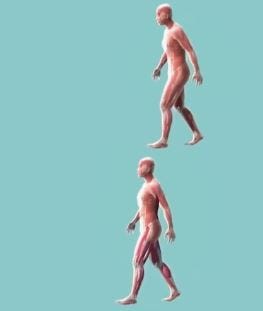
Walking is more than just a simple activity. It involves various muscles working together. Understanding which muscles engage during walking helps clarify its impact on muscle mass. The level of muscle response changes with walking intensity. This section explores how walking activates muscles and how intensity influences muscle engagement.
Muscles Activated During Walking
Walking uses multiple muscle groups throughout the body. The main muscles include:
- Quadriceps:Front thigh muscles that extend the knee.
- Hamstrings:Back thigh muscles that bend the knee.
- Gluteus Maximus:The large buttock muscle that helps with hip movement.
- Calves:Muscles that lift the heel and push off the ground.
- Core muscles:Abdominals and lower back stabilize the body.
- Hip flexors:Help lift the legs during each step.
These muscles work in coordination to maintain balance and propel the body forward. Regular walking helps keep these muscles active and toned.
Walking Intensity And Muscle Response
The muscle response depends on how fast and hard you walk. Slow walking activates muscles gently. Fast walking or uphill walking increases muscle effort. This leads to stronger muscle contractions and higher calorie burn.
Adding speed or incline challenges muscles more. This can improve muscle strength and endurance over time. Carrying light weights while walking also boosts muscle activation.
Consistent walking at varied intensities supports muscle health. It encourages mild muscle growth but is less effective than heavy resistance training.
Benefits Of Walking For Muscle Mass
Walking may seem like a simple activity, but it offers several benefits that can positively impact your muscle mass. It’s accessible, low-impact, and easy to fit into your daily routine. Let’s look at how walking helps improve muscle endurance, enhance muscle tone, and support muscle recovery.
Improved Muscle Endurance
Walking regularly challenges your leg muscles, especially the calves, hamstrings, and quadriceps. Over time, this repeated use helps these muscles sustain activity for longer periods without fatigue.
If you’ve ever noticed feeling less tired during a long walk after a few weeks of consistent practice, that’s muscle endurance improving. This increased stamina can also support other physical activities, making your muscles more resilient.
Enhanced Muscle Tone
Walking tones your muscles by engaging them in steady, controlled movements. Unlike intense workouts, walking gently activates muscle fibers, helping to define your legs and glutes without bulk.
Adding variations like uphill walking or brisk pace further challenges your muscles, enhancing their firmness and shape. Have you tried adjusting your walking speed or route to feel a greater muscle burn?
Supporting Muscle Recovery
After strength training or intense exercise, walking acts as an active recovery tool. It increases blood flow to your muscles, which helps clear out waste products and brings in nutrients for repair.
Instead of complete rest, a light walk can reduce muscle soreness and stiffness. How often do you use walking to help your body bounce back after tough workouts?
:max_bytes(150000):strip_icc()/GettyImages-1380400691-d335a446b035414fb0ee9b16ff9927a2.jpg)
Credit: www.verywellhealth.com
Walking Variations To Boost Muscle
Walking is a simple exercise that can help build muscle with the right variations. Changing how you walk targets different muscles and increases strength. These walking styles challenge your body more than regular walking.
Incline Walking
Walking uphill or on a treadmill set to an incline works your glutes, calves, and hamstrings harder. The added resistance makes your leg muscles contract more. This helps increase muscle size and endurance. Start with a small incline and increase it as you get stronger.
Walking With Weights
Holding light dumbbells or wearing ankle weights adds resistance. This makes your arms, shoulders, and legs work harder. Carrying weights improves muscle tone and strength over time. Use weights that feel challenging but safe. Keep your posture straight to avoid injury.
Interval Walking
Alternate between fast and slow walking to boost muscle activity. Fast walking engages your muscles more intensely. Slow walking helps you recover but keeps muscles active. Repeat these intervals for 20 to 30 minutes. This method improves muscle endurance and burns more calories.
Combining Walking With Strength Training
Combining walking with strength training offers a balanced approach to fitness. Walking improves heart health and burns calories. Strength training builds muscle and boosts metabolism. Together, they create a powerful routine for overall health and muscle growth.
Balancing Cardio And Resistance
Walking is a low-impact cardio exercise that supports fat loss. Strength training targets muscle fibers for growth and strength. Balancing both helps avoid muscle loss during weight loss. It also enhances endurance and muscle tone.
Try to alternate days between walking and strength workouts. Or combine both in a single session by walking first, then lifting weights. This approach prevents overtraining and promotes recovery.
Sample Workout Plans
| Day | Activity | Details |
|---|---|---|
| Monday | Walking | 30 minutes brisk walk |
| Tuesday | Strength Training | Full body workout, 3 sets of 10 reps |
| Wednesday | Walking | 45 minutes moderate pace |
| Thursday | Strength Training | Focus on legs and core, 3 sets of 12 reps |
| Friday | Walking | Interval walking: 1 min fast, 2 min slow for 30 mins |
| Saturday | Strength Training | Upper body focus, 3 sets of 10 reps |
| Sunday | Rest | Light stretching or yoga |
- Adjust intensity based on fitness level.
- Include warm-up and cool-down periods.
- Stay hydrated and get enough rest.

Credit: www.prevention.com
Factors Influencing Muscle Growth From Walking
Walking can do more than just keep you moving; it can also help you build muscle, but several factors determine how much muscle you actually gain. Muscle growth from walking depends on how you fuel your body and how regularly and intensely you challenge your muscles. Understanding these elements can help you make the most of your walks for muscle development.
Nutrition And Protein Intake
Nutrition plays a huge role in muscle growth, especially the amount of protein you consume. Protein provides the building blocks your muscles need to repair and grow after walking, particularly if you add hills or speed intervals to increase muscle engagement.
If your diet lacks sufficient protein, your body won’t have the resources to build new muscle tissue efficiently. Consider adding foods like chicken, fish, beans, or protein shakes to your meals to support your walking routine.
Consistency And Progression
Walking regularly is key to seeing muscle growth. You won’t gain much if you walk sporadically or at the same slow pace every time.
Try to increase either your walking speed, distance, or the intensity by adding inclines or carrying light weights. These changes force your muscles to adapt and grow stronger over time.
Have you noticed your legs feeling stronger after a few weeks of walking uphill or picking up the pace? That’s your muscles responding to progression and consistency.
Common Myths About Walking And Muscle
Many people assume walking is just a casual activity with no real impact on muscle growth. These assumptions often come from a lack of understanding about how muscles respond to different types of physical stress. Let’s clear up some common myths that might be holding you back from using walking as a tool to support your muscle goals.
Walking Can’t Build Muscle
It’s a common belief that walking is too low-intensity to build any muscle. While walking won’t bulk you up like heavy lifting, it still activates muscles, especially in your legs, glutes, and core. If you increase the intensity by walking uphill, adding weights, or doing brisk intervals, you create enough resistance to stimulate muscle growth.
Think about those long hikes or power walks you’ve done — your legs definitely feel it afterward. That muscle fatigue is a sign your muscles are working and adapting. So, walking can contribute to muscle maintenance and even growth when done with the right intensity and consistency.
Only Heavy Lifting Builds Muscle
Heavy lifting is effective for building muscle, but it’s not the only way. Muscle growth happens when muscles are challenged beyond their usual load, and that doesn’t always mean lifting heavy weights. Walking with resistance, like carrying a backpack or using ankle weights, challenges your muscles differently but still effectively.
Plus, walking improves muscle endurance and function, which helps you perform better in other exercises. Have you ever noticed how your legs feel stronger after a few weeks of regular walking? That’s your muscles adapting, even without heavy lifting.
So, don’t overlook walking as just a warm-up or cool-down activity. It can be a valuable part of your muscle-building routine if you push yourself enough.
Frequently Asked Questions
Can Walking Increase Muscle Mass?
Yes, walking can help build muscle mass, especially in the lower body. Regular walking enhances muscle endurance and strength. It targets muscles like the calves, hamstrings, and quadriceps. To maximize muscle gain, incorporate brisk walking and varied terrains. Walking uphill or on trails can significantly boost muscle development.
How Does Walking Build Muscles?
Walking stimulates muscle fibers and increases blood flow to muscles, promoting growth. It strengthens the legs, hips, and core. Walking on inclined surfaces can enhance muscle activation. Consistency is key for muscle development. Combining walking with strength exercises can further aid in building muscle mass effectively.
Is Walking Better Than Gym Workouts For Muscles?
Walking is less intense but beneficial for muscle endurance and tone. It’s not a substitute for gym workouts if muscle hypertrophy is the goal. However, walking is a great complementary exercise. It offers low-impact cardiovascular benefits and can maintain muscle health alongside strength training sessions in the gym.
Can Seniors Build Muscle Through Walking?
Yes, seniors can build muscle by walking regularly. It’s a low-impact exercise that improves muscle tone and strength. Walking helps maintain balance, coordination, and flexibility, reducing fall risk. Seniors should aim for brisk walks and incorporate light strength exercises for optimal muscle health and overall fitness.
Conclusion
Walking helps strengthen muscles, but it builds only light muscle mass. To grow bigger muscles, add weight or do strength exercises. Walking improves endurance and tones your legs and core. It also supports overall health and fitness. Small steps count toward a stronger body.
Keep walking regularly and include other workouts for best results. Simple habits create lasting muscle benefits over time. Stay active and enjoy the process.







