
Are you wondering if swimming can help you build muscle mass? You might think of swimming as just a way to stay fit or relax, but can it actually tone and grow your muscles?
If you want to know how swimming affects your body and whether it can be a powerful tool for building muscle, this article is for you. Keep reading to discover the surprising truth about swimming and muscle growth—and how you can make the most of your time in the water to get stronger.

Credit: www.traindaly.com
Muscle Growth From Swimming
Swimming is an excellent full-body workout that involves many muscles. It provides resistance through water, which helps muscles work harder. This effort can lead to muscle growth over time. Understanding how swimming stimulates muscle development helps clarify its benefits for building strength and size.
How Swimming Engages Muscles
Swimming activates large muscle groups simultaneously. Arms, shoulders, back, core, and legs all work together. Each stroke demands continuous movement against water resistance. This resistance forces muscles to contract repeatedly. The steady effort improves muscle tone and endurance. Different strokes emphasize various muscle groups. For example, freestyle targets the shoulders and triceps, while breaststroke works the chest and inner thighs.
Types Of Muscle Fibers Targeted
Swimming mainly activates slow-twitch muscle fibers. These fibers support endurance and sustained activity. They help swimmers keep moving for longer periods. Fast-twitch fibers also engage during sprints or intense bursts. These fibers contribute to strength and power. By training both fiber types, swimming promotes balanced muscle development. This balance improves overall muscle function and appearance.
Comparing Swimming To Weightlifting
| Aspect | Swimming | Weightlifting |
|---|---|---|
| Muscle Growth | Gradual, endurance-based | Faster, strength-focused |
| Resistance | Water resistance | Weights and machines |
| Muscle Types | Both slow and fast-twitch | Primarily fast-twitch |
| Impact on Joints | Low impact, gentle | Higher impact, stress on joints |
| Body Composition | Lean muscle, toned look | Bulkier muscle mass |
Swimming builds muscle more gently than weightlifting. It improves muscle tone and endurance better than size. Weightlifting targets muscle growth faster but can strain joints. Swimming suits those seeking lean muscle and less impact. Both methods offer unique benefits for muscle development.

Credit: legendaryswimmers.com
Benefits For Muscle Mass
Swimming offers unique benefits for building muscle mass that go beyond traditional weightlifting. It engages multiple muscle groups simultaneously, providing a balanced workout that promotes strength and endurance. Understanding how swimming affects your muscles can help you decide if it fits your fitness goals.
Increased Muscle Endurance
Swimming challenges your muscles to work continuously against water resistance, which is much denser than air. This resistance forces your muscles to sustain effort longer, improving endurance over time.
For example, after a few weeks of consistent swimming, you might notice your arms and legs can perform repetitive motions without fatigue. This endurance boost supports not only swimming but other physical activities as well.
Improved Muscle Tone
Because swimming targets various muscle groups simultaneously, it helps tone muscles all over your body. The constant use of your core, arms, back, and legs results in better muscle definition and firmness.
You can see this effect clearly in swimmers who often have lean, well-defined muscles without bulkiness. This makes swimming an excellent choice if you want a sculpted look without heavy muscle gain.
Fat Loss And Muscle Definition
Swimming burns calories at a high rate, which helps reduce body fat. As fat decreases, your muscles become more visible and defined, enhancing your overall muscle mass appearance.
Have you noticed how your clothes fit better after a few swim sessions? That’s fat loss revealing the muscle tone underneath. Combining swimming with a good diet can maximize these results effectively.
Effective Swimming Techniques
Swimming offers a variety of techniques to build muscle mass effectively. Each stroke targets different muscle groups. Choosing the right technique can enhance muscle growth and strength. Focus on form and consistency to see the best results.
Freestyle For Upper Body Strength
Freestyle swimming works the shoulders, chest, and arms intensely. Repeated arm pulls build strong biceps and triceps. The continuous motion also tones the back muscles. It improves endurance and muscle definition in the upper body.
Breaststroke For Leg Muscles
Breaststroke emphasizes powerful leg kicks. It engages the thighs, calves, and glutes deeply. The frog-like kick strengthens muscles and improves flexibility. This stroke is ideal for building leg muscle mass and power.
Butterfly For Full Body Workout
Butterfly stroke demands strength from the entire body. It activates the chest, shoulders, core, and legs simultaneously. The coordinated movement builds muscle evenly. It also enhances overall body coordination and power.
Backstroke For Balanced Muscle Development
Backstroke targets the back, shoulders, and core muscles. It balances muscle growth by working often neglected areas. This stroke improves posture and strengthens the spine-supporting muscles. It complements other strokes for a well-rounded workout.
Training Tips For Muscle Gain
Building muscle through swimming requires more than just regular laps. You need targeted strategies that challenge your muscles and promote growth. The right training methods can make a significant difference in how much muscle you build and how quickly you see results.
Incorporating Interval Training
Interval training involves alternating between high-intensity bursts and rest or low-intensity swimming. This approach pushes your muscles harder during sprints, leading to better strength gains. Try swimming fast for 30 seconds, then slow down for 60 seconds, and repeat for several rounds.
Have you noticed how your muscles feel more engaged after sprint intervals? That’s because short, intense efforts recruit more muscle fibers, which helps in building muscle mass.
Using Resistance Tools
Adding resistance tools like swim paddles, pull buoys, or resistance bands can increase the workload on your muscles. Swim paddles make your hands catch more water, forcing your upper body to work harder. Pull buoys lift your legs, so your arms do most of the work, enhancing upper body strength.
Resistance bands around your ankles or wrists during swimming drills add extra tension. This simple change can break plateaus by making your muscles adapt to new challenges.
Combining Swimming With Strength Training
Swimming alone may not provide the heavy load your muscles need for significant growth. Adding weight training sessions a few times a week complements your swim workouts. Focus on compound exercises like squats, deadlifts, and bench presses to build overall muscle mass.
Have you tried pairing your swim routine with lifting weights? Many swimmers find that strength training boosts their power in the water and accelerates muscle gain.
Nutrition For Muscle Growth
Muscle growth depends heavily on what you eat. Ensure your diet includes enough protein, as it’s essential for repairing and building muscle fibers. Aim for sources like chicken, fish, beans, and dairy spread throughout your day.
Don’t forget about carbohydrates and healthy fats—they provide energy for your intense swim sessions and recovery. Are you tracking your meals to support your muscle-building goals? Small changes in nutrition can lead to big improvements in your progress.
Common Challenges And Solutions
Building muscle mass through swimming presents unique challenges. These obstacles can slow progress or cause setbacks. Understanding common issues and their solutions helps maintain steady muscle growth. Focus on managing fatigue, pushing past plateaus, and avoiding injuries to get the best results from swimming workouts.
Overcoming Muscle Fatigue
Muscle fatigue is common during intense swimming sessions. It can reduce workout quality and muscle gains. To fight fatigue, rest is essential. Take breaks between sets and get enough sleep each night.
Nutrition also plays a key role. Eat protein-rich foods to help muscles recover faster. Hydration keeps muscles working well. Drink water before, during, and after swimming.
Avoiding Plateaus
Muscle growth may stall after a while. This happens when workouts become too routine. Changing swim routines helps. Try different strokes or increase swimming speed.
Incorporate resistance tools like swim paddles or fins. These add extra muscle challenge. Cross-training with weight exercises supports muscle building too.
Preventing Injuries
Swimming injuries can stop progress and cause pain. Shoulder injuries are most common in swimmers. Warm up before swimming to prepare muscles and joints.
Use proper swimming techniques to reduce strain. Avoid overtraining by limiting session length and intensity. Listen to your body and rest if pain occurs.
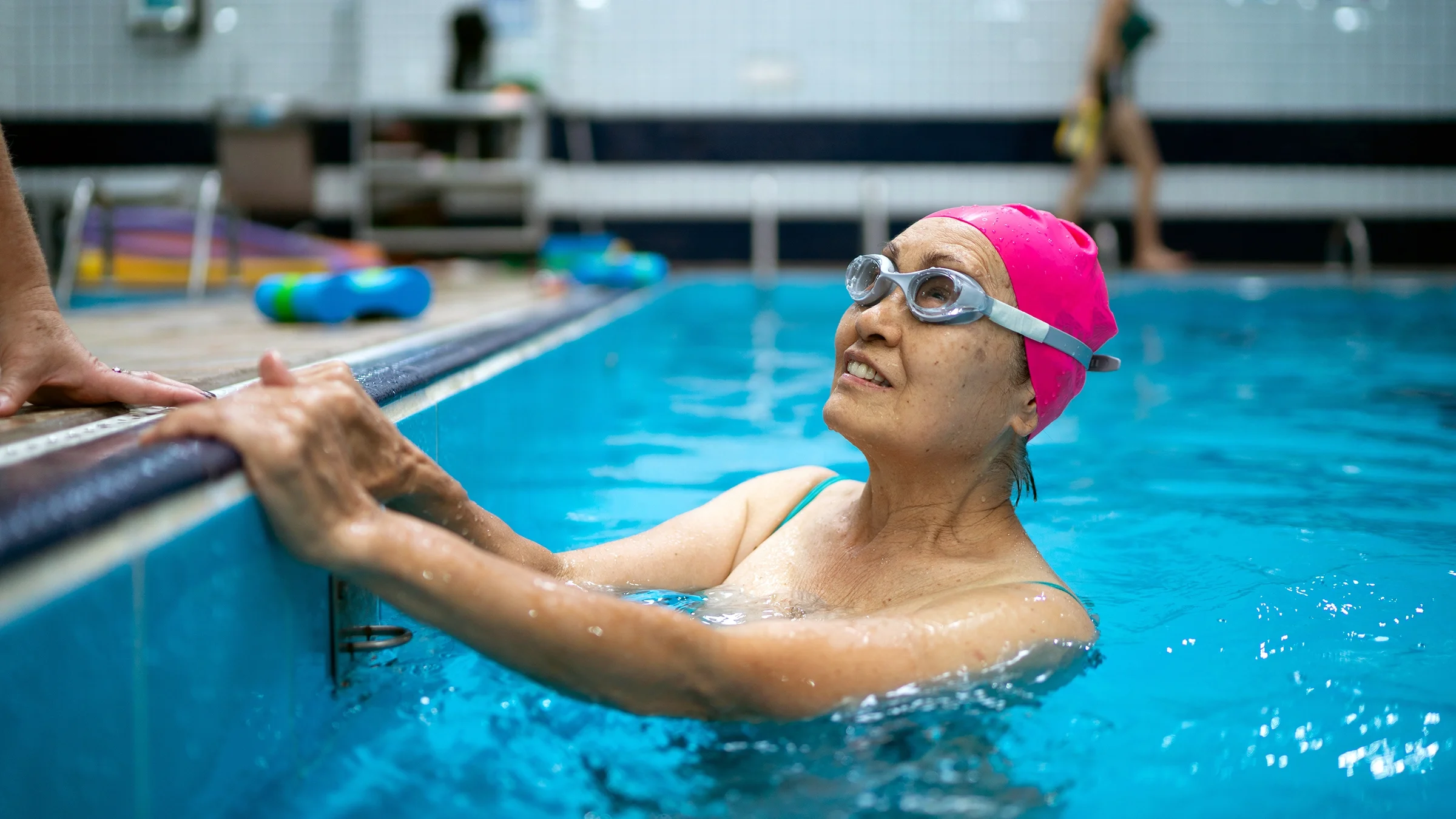
Credit: www.goodrx.com
Frequently Asked Questions
Does Swimming Increase Muscle Mass?
Yes, swimming can help increase muscle mass. It engages multiple muscle groups simultaneously. The resistance of water provides an effective workout. Regular swimming sessions can lead to muscle growth over time.
How Does Swimming Build Muscle?
Swimming builds muscle through resistance training. Water provides natural resistance, which challenges muscles. This resistance strengthens and tones muscles. Consistent swimming workouts enhance muscle endurance and growth.
Which Swimming Strokes Build The Most Muscle?
Freestyle and butterfly strokes build the most muscle. These strokes engage the upper body intensively. They also activate core and lower body muscles. Consistent practice can lead to significant muscle development.
Is Swimming Alone Enough For Muscle Growth?
Swimming alone can contribute to muscle growth, but it’s limited. Combining swimming with strength training offers better results. This combination targets various muscle groups effectively. A balanced workout routine ensures optimal muscle development.
Conclusion
Swimming helps build muscle by using many body parts at once. It tones arms, legs, back, and core muscles steadily. Regular swimming improves strength and endurance over time. It also burns fat, making muscles more visible. While it may not bulk muscles like weightlifting, it shapes a lean, strong body.
Swimming suits those who want fitness with low injury risk. Consistency is key to see real muscle changes. So, swim often and enjoy a healthier, fitter you.







