
Have you ever wondered what your diet would look like if it followed ancient wisdom? The Biblical Diet offers more than just food choices—it connects you to timeless principles that can improve your health and well-being.
Imagine eating in a way that not only fuels your body but also aligns with values passed down for thousands of years. If you want to discover simple, natural foods that support your energy and vitality, this guide is for you.
Keep reading to find out how the Biblical Diet can transform your eating habits and bring balance to your life.
Biblical Diet Basics
The Biblical diet reflects the foods and eating habits described in the Bible. It offers a glimpse into ancient nutrition and lifestyle. Understanding its basics helps connect faith with health. The diet emphasizes natural, wholesome foods with spiritual meaning.
Key Foods In Scripture
The Bible mentions several staple foods. These include:
- Grains like barley and wheat
- Fruits such as figs, grapes, and olives
- Vegetables like cucumbers and lentils
- Fish and clean animals
- Honey as a natural sweetener
These foods formed the foundation of daily meals. They provided essential nutrients and energy.
Dietary Laws And Their Purpose
The Old Testament outlines dietary rules for the Israelites. These laws classified animals as clean or unclean. The purpose was to promote health and spiritual purity. Avoiding certain foods helped prevent disease and maintain ritual cleanliness. These rules guided food choices and preparation methods.
Nutritional Value Of Ancient Foods
Ancient foods offered balanced nutrition. Whole grains supplied fiber and energy. Fruits and vegetables provided vitamins and minerals. Fish and clean meats delivered protein and healthy fats. Natural honey added antioxidants and sweetness. These foods supported a strong and healthy body.
Fruits, Vegetables, And Grains
The Biblical diet emphasizes natural, wholesome foods that have nourished people for centuries. Fruits, vegetables, and grains form the core of this diet, offering a variety of nutrients essential for your health. Understanding these foods helps you make better choices that align with biblical teachings and support your well-being.
Common Biblical Plant-based Foods
The Bible mentions many plant-based foods that were staples in ancient diets. Dates, figs, olives, pomegranates, and grapes are frequently referenced as common fruits. Vegetables like cucumbers, leeks, onions, and garlic also appear regularly in biblical texts.
Grains such as wheat, barley, and spelt were vital for making bread, a central food item. These simple, natural foods are still easy to find today and can be added to your meals to connect with the biblical tradition. Have you ever tried eating the same foods mentioned in scripture? It’s a fascinating way to experience history through your diet.
Benefits Of Whole Grains
Whole grains are rich in fiber, vitamins, and minerals that support digestion and heart health. Unlike refined grains, they retain all parts of the grain kernel, providing sustained energy throughout the day. Eating whole grains like barley and wheat can keep you fuller longer and help stabilize blood sugar levels.
Switching to whole grains may seem small, but it can have a big impact on your energy and mood. What difference would adding whole grain bread or barley porridge make in your daily routine? These grains also connect you to biblical times, when bread was a staple made from whole grains.
Role Of Fresh Produce
Fresh fruits and vegetables bring vibrant colors and essential nutrients to your plate. They supply vitamins C and A, antioxidants, and hydration, which support your immune system and skin health. Eating a variety of fresh produce ensures you get a broad range of nutrients vital for your body’s needs.
Including fresh produce in your meals is more than nutrition—it’s about enjoying the textures and flavors that nature offers. How often do you try new fruits or vegetables to keep your diet interesting? Biblical diets celebrated these fresh gifts from the land, reminding you to honor the natural sources of your food.
Meat And Seafood Choices
Choosing the right meats and seafood can be a meaningful part of following a Biblical diet. The Bible provides clear guidance on which animals are considered clean and suitable for eating, reflecting a balance between health and spiritual principles. Understanding these choices helps you align your meals with ancient wisdom while enjoying a variety of flavors and nutrients.
Permissible Meats In The Bible
The Bible permits eating certain land animals that have split hooves and chew the cud. Examples include cattle, sheep, and goats. These animals are often mentioned as acceptable sources of meat, emphasizing their clean status.
Animals like pigs, camels, and rabbits are labeled unclean because they do not meet both criteria. This distinction helps you avoid meats that the Bible advises against, supporting better digestion and health.
- Clean Meats:Beef, lamb, goat
- Unclean Meats:Pork, camel, hare
Fish And Seafood Guidance
When it comes to fish, the Bible clearly states that only those with fins and scales are permissible to eat. This means popular choices like salmon, cod, and tilapia fit well into a Biblical diet.
Shellfish such as shrimp, crab, and lobster do not have scales and are considered unclean. Avoiding these helps you stay true to scriptural guidelines and may benefit your overall health.
- Allowed Fish:Trout, herring, bass
- Not Allowed:Shrimp, crab, oysters
Balancing Protein Sources
You don’t have to rely on meat alone. Including a variety of permitted meats and fish ensures you get a wide range of nutrients. This variety also makes meals more interesting and enjoyable.
Consider mixing lean meats like lamb with fish rich in omega-3s for heart health. Have you thought about how your current protein choices compare to these Biblical recommendations?
Adding plant-based proteins like beans and lentils can complement your meat intake and support digestion. This balanced approach reflects the wisdom of moderation and diversity found in Biblical eating habits.

Credit: www.amazon.com
Fats, Oils, And Sweeteners
Fats, oils, and sweeteners play a crucial role in the Biblical diet, offering nourishment and flavor without the excesses found in many modern foods. The Bible references natural sources of these ingredients that supported health and vitality. Understanding these ancient options can inspire you to make better choices today.
Ancient Sources Of Healthy Fats
The Bible highlights olive oil as the primary source of healthy fat. It was used not only in cooking but also for anointing and healing purposes. Olive oil contains beneficial monounsaturated fats that support heart health and reduce inflammation.
Other fats included animal fats from clean, sacrificial animals, which provided essential fatty acids. These natural fats were unprocessed and free from harmful additives. Have you considered how choosing natural fats over processed ones could impact your well-being?
Natural Sweeteners Used In Biblical Times
Honey was the sweetener of choice in Biblical times, praised for its sweetness and healing properties. It was harvested directly from bees and used in foods and medicines alike.
Fruits like dates and figs also provided natural sugars, adding sweetness with fiber and nutrients intact. These options kept sugar intake balanced and avoided blood sugar spikes common with refined sugars today.
Avoiding Modern Processed Alternatives
Today’s processed oils and refined sugars lack the nutritional value found in their ancient counterparts. Products like hydrogenated oils and high-fructose corn syrup contribute to inflammation and chronic diseases.
Choosing natural fats and sweeteners means reading labels carefully and opting for whole, unrefined ingredients. How often do you check what’s really in your oils and sugars before adding them to your meals?
Meal Patterns And Fasting
Meal patterns and fasting play important roles in the biblical diet. These practices reflect spiritual discipline and promote physical well-being. The Bible shows different eating schedules and times of fasting that guide believers in their daily lives.
Typical Eating Schedules
In biblical times, people usually ate two main meals daily. Breakfast was light or sometimes skipped. The main meal came in the evening after work. Meals often included simple foods like bread, fruits, vegetables, and fish.
Eating was communal and slow. Sharing food built bonds among family and friends. Meals were seen as a time for rest and reflection.
Spiritual And Health Benefits Of Fasting
Fasting is a key practice in the Bible. It means going without food for a set time. People fasted to seek God’s guidance or show repentance. Fasting helps focus the mind and spirit.
Health-wise, fasting can detoxify the body. It supports digestion and mental clarity. Regular fasting improves self-control and patience.
Incorporating Biblical Fasting Today
Modern believers can adopt biblical fasting safely. Start with short fasts, like skipping a meal. Pray and meditate during fasting times.
Plan fasting days around your schedule. Stay hydrated and rest well. Use fasting to deepen faith and improve health.
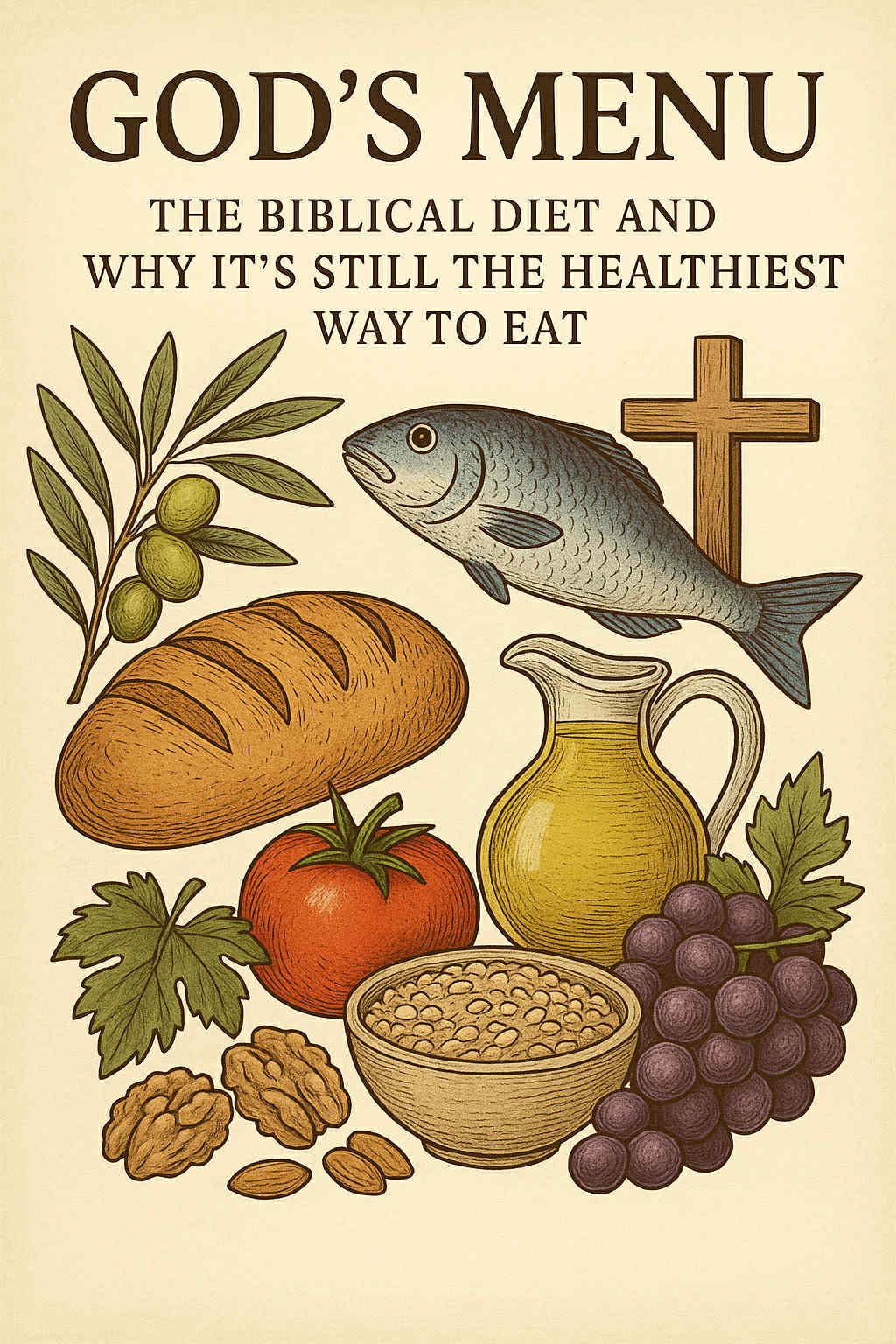
Credit: medium.com
Modern Health Benefits
The Biblical diet offers more than spiritual alignment; it can profoundly impact your health today. It centers on natural, whole foods that many modern diets often overlook. You might find that eating this way not only feels good but also supports your body in ways you hadn’t expected.
Impact On Digestion And Immunity
The Biblical diet emphasizes fruits, vegetables, nuts, and whole grains, which are rich in fiber. This fiber helps your digestive system work smoothly, reducing bloating and discomfort. You might notice fewer digestive issues simply by eating foods closer to their natural state.
Additionally, many foods in this diet contain antioxidants and vitamins that boost your immune system. For example, olive oil and garlic have properties known to fight inflammation and support immune health. Could a stronger immune system be just a plate away?
Weight Management And Energy
Choosing whole foods over processed ones can stabilize your blood sugar levels. This leads to more consistent energy throughout the day without the crashes you may experience from sugary snacks. Have you ever felt tired right after eating? The Biblical diet can help change that.
Eating this way also naturally controls calorie intake, making weight management easier. You don’t have to count calories obsessively when your meals are balanced with lean proteins, vegetables, and healthy fats. Instead, your body learns to feel full and satisfied.
Reducing Chronic Disease Risks
The Biblical diet’s focus on unprocessed foods helps lower the risk of chronic illnesses like heart disease and diabetes. For instance, nuts and olive oil contain healthy fats that support heart health. Could these simple food choices reduce your doctor visits?
Moreover, the diet encourages limited intake of red meat and processed foods, which are linked to inflammation and chronic conditions. By shifting your focus to plants and fish, you might experience fewer health issues over time. How might your health improve if you made these changes today?
Practical Tips For Adoption
Adopting a Biblical diet can feel overwhelming at first, but practical steps can make the transition smoother and more enjoyable. The key is to start with simple, doable changes and build habits that fit your lifestyle. This way, you stay motivated and connected to the deeper purpose behind your food choices.
Shopping For Biblical Diet Ingredients
Begin by focusing on whole, natural foods mentioned in Scripture, such as fresh fruits, vegetables, grains, nuts, and lean meats. Visit local farmers’ markets or organic sections in your grocery store to find high-quality ingredients. Reading labels carefully helps you avoid processed additives that don’t align with the Biblical diet principles.
Creating a shopping list based on Scripture can keep you focused. For example, include lentils, figs, olive oil, and wild-caught fish. These staples not only nourish your body but also connect you to the Biblical heritage in a tangible way.
Simple Recipes Inspired By Scripture
Start with easy recipes that require minimal ingredients and preparation. A simple lentil stew with herbs and vegetables offers both nutrition and a taste of ancient meals. You might also try baking fish with olive oil and lemon, reflecting dishes common in Biblical times.
Don’t hesitate to experiment with combining grains like barley and wheat with fresh produce. These dishes can become your go-to meals, saving time and keeping your diet aligned with your values.
Maintaining Balance And Flexibility
Following a Biblical diet doesn’t mean rigid restrictions. You can adapt it to fit your daily routine without losing its essence. Allow yourself flexibility, such as enjoying occasional treats or meals that inspire you spiritually.
Ask yourself: How can I honor the Biblical principles while making this diet sustainable for my life? Finding this balance keeps your approach realistic and helps you avoid feeling deprived.

Credit: www.amazon.com
Frequently Asked Questions
What Is The Biblical Diet?
The Biblical Diet is based on dietary guidelines found in the Bible. It emphasizes whole, natural foods like fruits, vegetables, grains, and lean proteins. It also encourages avoiding processed foods, excessive sugars, and unhealthy fats. This diet aims to promote physical health and spiritual well-being by following principles found in scripture.
Are All Foods In The Bible Allowed?
Not all foods mentioned in the Bible are permitted on the Biblical Diet. Foods like pork and shellfish are generally avoided, as they are considered unclean. The diet focuses on clean foods, which are primarily plant-based and include some lean meats.
This aligns with biblical teachings and promotes health.
How Does The Biblical Diet Promote Health?
The Biblical Diet promotes health by focusing on nutrient-rich, whole foods. It emphasizes fruits, vegetables, whole grains, and lean proteins. This diet reduces the intake of processed foods, sugars, and unhealthy fats. By following these guidelines, individuals may experience improved digestion, increased energy, and better overall health.
Can The Biblical Diet Aid In Weight Loss?
Yes, the Biblical Diet can aid in weight loss. It encourages consuming natural, whole foods that are low in calories but high in nutrients. By avoiding processed foods and sugars, you may reduce calorie intake and promote a healthier weight.
Additionally, this diet supports sustainable lifestyle changes.
Conclusion
The Biblical diet offers simple, healthy eating ideas from ancient times. It focuses on natural foods like fruits, vegetables, and grains. Eating this way can support both body and mind. Many find peace and strength through these food choices. Small changes can make a big difference in health.
Try to include these foods in your daily meals. Feel the benefits of a balanced, natural diet. This approach connects us to traditions and nature. A gentle path toward better eating and wellness.







