
Getting braces means adjusting to a new way of eating, and that can be tricky. You might be wondering what foods are safe to eat without causing pain or damage.
A soft food diet for braces is exactly what you need right now. It protects your teeth and braces while keeping you comfortable and satisfied. You’ll discover easy, tasty soft food options that make your braces journey smoother. Keep reading—you’ll find simple tips that help you enjoy every meal without worry.

Credit: www.tasteofhome.com
Why Soft Foods Matter With Braces
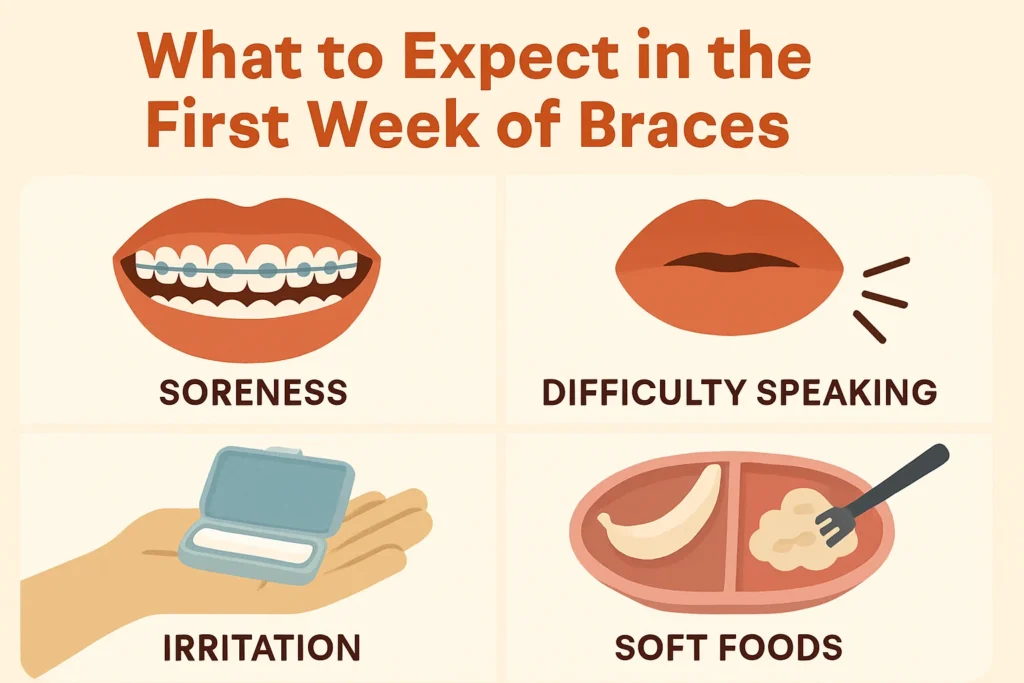
Choosing soft foods while wearing braces isn’t just about comfort—it’s a smart way to protect your dental work and support your healing process. Soft foods reduce the risk of damaging wires and brackets, which can set back your treatment. Plus, they help ease the soreness that often comes with braces adjustments.
Protecting Your Braces
Your braces are delicate and require careful handling. Crunchy or sticky foods can bend wires or loosen brackets, causing extra visits to the orthodontist. Soft foods like mashed potatoes, yogurt, and scrambled eggs put less pressure on your braces, helping them stay intact and effective.
Think about the last time you bit into a hard apple or a tough piece of bread—did you feel any strain? That pressure can translate into broken hardware, which means delays and discomfort.
Reducing Discomfort
Braces often cause soreness, especially after adjustments. Eating soft foods minimizes irritation inside your mouth. Smooth soups, cooked vegetables, and smoothies glide over tender spots, making each bite less painful.
Have you noticed how biting into a crunchy snack can make your teeth throb? Soft foods avoid this, allowing your mouth to adjust more comfortably to the new braces.
Promoting Faster Healing
Your gums and oral tissues need time to heal after each orthodontic visit. Soft foods reduce the risk of cuts or abrasions that harder foods might cause. This gentle approach helps your mouth recover quicker, so you can get back to your routine sooner.
Imagine healing a scraped knee—you wouldn’t want to rub it with rough fabric. Your mouth feels the same way about hard, sharp foods while it’s healing.
Best Soft Foods To Eat
Choosing the right soft foods during your braces journey can make a big difference in comfort and healing. The best soft foods are gentle on your teeth and braces while still providing the nutrients your body needs. Let’s look at some tasty and easy-to-eat options that can keep your meals enjoyable and stress-free.
Fruits And Vegetables
Soft fruits like bananas, ripe peaches, and berries are perfect for your diet. They’re easy to chew and full of vitamins that support oral health.
Cooked or steamed vegetables such as carrots, zucchini, and spinach are gentle on your braces. These veggies provide fiber and important minerals without causing discomfort.
Have you tried blending fruits into smoothies? It’s a great way to enjoy a variety of nutrients without the hassle of chewing.
Proteins And Dairy
Soft proteins like scrambled eggs, tofu, and well-cooked chicken are satisfying and easy to manage. These options help you maintain muscle strength during your orthodontic treatment.
Dairy products such as yogurt, cottage cheese, and soft cheeses are not only smooth but also rich in calcium. This supports strong teeth and bones, something you want while wearing braces.
Ever noticed how a creamy bowl of oatmeal with yogurt can be both soothing and filling? Combining protein and dairy this way can be a daily go-to meal.
Grains And Snacks
Opt for soft grains like oatmeal, rice, and pasta which are simple to chew and digest. These staples keep you energized without risking damage to your braces.
Soft snacks like applesauce, pudding, and mashed potatoes can satisfy cravings without causing pain. They’re easy to prepare and customizable with flavors you like.
What’s your favorite soft snack that you never thought would fit into a braces diet? Sharing ideas might help others find new tasty options.
Foods To Avoid With Braces
Having braces means you need to be extra careful about what you eat. Certain foods can damage your braces or make your treatment last longer. Knowing which foods to avoid helps you protect your smile and reduces discomfort during your orthodontic journey.
Hard And Crunchy Items
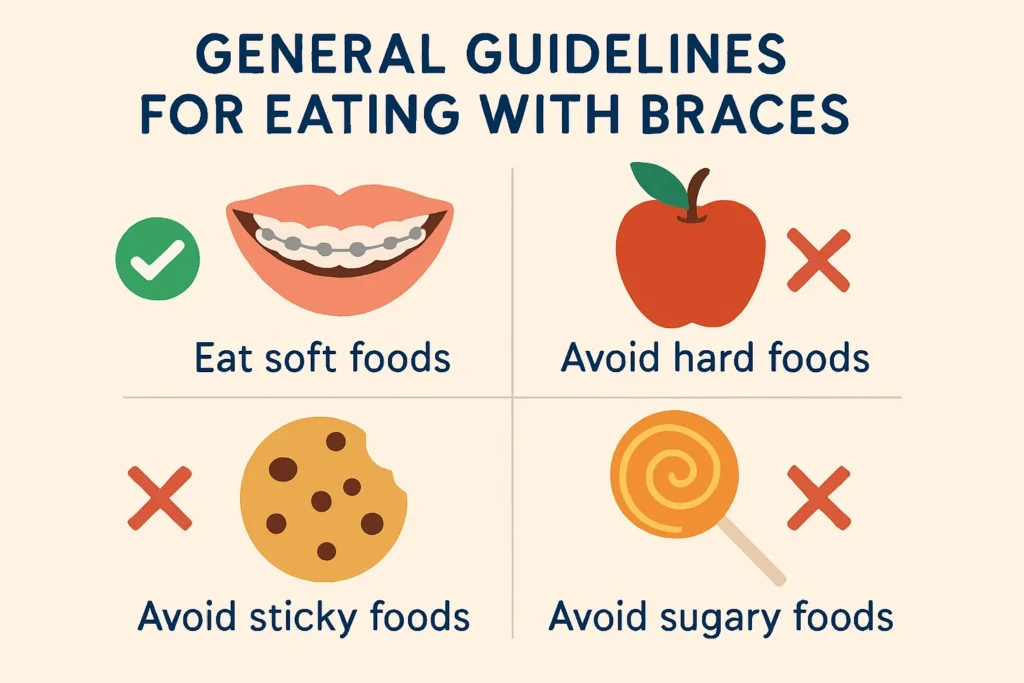
Hard foods can break wires and loosen brackets, causing delays in your treatment. Avoid biting into raw carrots, nuts, and ice cubes. Crunchy snacks like popcorn and hard chips also pose risks to your braces.
Think about your last snack—was it easy to chew or did it make you cautious? Choosing softer alternatives can keep your braces safe and your teeth comfortable.
Sticky And Chewy Treats
Sticky foods cling to braces and are tough to clean off, increasing the chance of cavities. Stay away from caramel, taffy, and chewing gum. These treats can pull on your wires and even cause brackets to pop off.
If you love sweets, try soft candies like chocolate or jelly beans instead. Your braces will thank you, and you won’t have to deal with unexpected emergency visits.
Sugary And Acidic Foods
Sugary and acidic foods can wear down tooth enamel and lead to white spots around your brackets. Limit sodas, citrus fruits, and candies with high sugar content. These foods create an environment where harmful bacteria thrive.
Ever noticed how your teeth feel after drinking a soda? That slight roughness or sensitivity is a sign to be cautious. Protect your braces by rinsing your mouth with water after consuming these foods.
Credit: bracesera.com
Tips For Preparing Soft Meals
Preparing soft meals for a braces-friendly diet doesn’t mean you have to sacrifice flavor or nutrition. With a few smart cooking tricks, you can enjoy meals that are gentle on your teeth and still delicious. The key lies in how you cook, blend, and season your food to keep every bite enjoyable and easy to eat.
Cooking Techniques
Softening food starts with how you cook it. Steaming vegetables like carrots and broccoli makes them tender without losing nutrients. Slow cooking meats in a crockpot breaks down fibers, making them easier to chew.
Boiling and simmering are great for dishes like soups or stews, where ingredients become soft and flavorful. Have you tried baking fish or chicken until it flakes easily? It’s a gentle way to prepare protein without toughness.
Blending And Mashing
Blending and mashing transform solid foods into smooth, easy-to-eat textures perfect for braces. Use a blender or food processor to turn cooked vegetables or fruits into purees. Mashed potatoes or sweet potatoes are classic soft options you can flavor in many ways.
Don’t hesitate to mix in a little broth, milk, or yogurt to reach the ideal consistency. Have you experimented with creamy soups or hummus? These can be both soft and packed with taste.
Using Spices And Flavors
Soft meals can sometimes feel bland, but spices and herbs add excitement without compromising texture. Adding garlic, ginger, or fresh herbs can brighten up purees and stews.
Try mild spices like cinnamon or turmeric in mashed vegetables for a subtle kick. If you enjoy bold flavors, a splash of lemon juice or a pinch of chili flakes can make soft meals more interesting. What’s your favorite way to add flavor without making food harder to eat?
Eating Habits For Comfort
Adopting the right eating habits makes wearing braces easier and more comfortable. Soft food diets help prevent pain and protect your braces. Gentle eating reduces pressure on your teeth and gums. Small changes in how and when you eat improve your overall experience.
Chewing Strategies
Chew slowly and gently to avoid putting stress on braces. Use your back teeth more than front teeth for better control. Cut food into small, bite-sized pieces before eating. Avoid biting directly into hard foods like apples or carrots. This method keeps braces safe and reduces discomfort.
Meal Timing
Eat smaller meals more often throughout the day. This helps keep your energy steady and eases chewing. Avoid eating large meals that cause jaw fatigue. Allow yourself enough time to eat without rushing. Regular meal times help your mouth adjust to braces smoothly.
Oral Hygiene After Eating
Clean your teeth carefully after every meal to avoid food buildup. Use a soft-bristled toothbrush and special orthodontic tools if needed. Rinse your mouth with water or mouthwash to remove leftover food particles. Keeping braces clean prevents irritation and promotes healing. Good hygiene supports comfort and oral health during treatment.
Snack Ideas For Braces
Snacking can be tricky with braces. Hard or crunchy foods can hurt your teeth and braces. Soft snacks are gentle and tasty. They keep you full and satisfied. Try these easy snack ideas that suit a soft food diet for braces.
Smoothies And Shakes
Smoothies and shakes are perfect soft snacks. They are easy to swallow and full of nutrients. Use fruits like bananas, berries, and mangoes. Add yogurt or milk for creaminess. You can mix in protein powder or peanut butter for extra energy.
- Banana and peanut butter smoothie
- Mixed berry yogurt shake
- Mango and coconut milk blend
Soft Baked Goods
Soft baked goods are gentle on braces. Choose muffins, pancakes, or soft cookies. Avoid anything with nuts or hard bits. Freshly baked items are softer and easier to eat. You can enjoy warm, moist treats without pain.
- Blueberry muffins without nuts
- Soft banana bread slices
- Oatmeal cookies with no chunks
Dips And Spreads
Dips and spreads add flavor and moisture to snacks. They make soft foods tastier and easier to eat. Try hummus, cream cheese, or guacamole. Pair with soft bread, crackers, or cooked veggies. These options are gentle and filling.
- Classic hummus with pita bread
- Cream cheese spread on soft crackers
- Guacamole with steamed carrot sticks
Credit: bracesera.com
Frequently Asked Questions
What Is A Soft Food Diet For Braces?
A soft food diet includes foods that are easy to chew and swallow. This diet helps prevent damage to braces and reduces discomfort. Foods like mashed potatoes, yogurt, and scrambled eggs are ideal. Avoid hard or sticky foods to protect your braces.
Why Is A Soft Diet Necessary With Braces?
A soft diet minimizes pressure on your braces and teeth. It helps in reducing pain and preventing damage. Chewing hard foods can dislodge brackets or bend wires. Soft foods are gentle and prevent unnecessary strain during the adjustment period.
Can I Eat Bread With Braces?
Yes, you can eat bread with braces, but choose soft varieties. Avoid crusty breads that can damage your braces. Soft slices and buns are ideal. Pairing with soft spreads or soups can further ease chewing and swallowing.
Are Fruits Allowed On A Soft Food Diet?
Yes, but choose ripe or cooked fruits to ensure softness. Avoid hard fruits like apples unless they are sliced thinly. Bananas, peaches, and berries are great options. They provide necessary nutrients without straining your braces.
Conclusion
Eating soft foods helps protect braces and ease discomfort. Choose gentle options like soups, mashed potatoes, and yogurt. Avoid hard or sticky foods that can damage wires and brackets. This diet supports healing and keeps your mouth comfortable. Stay patient; braces need care to work well.
Enjoy tasty soft meals while your smile improves. Small changes make a big difference in your braces journey. Keep your diet gentle and your smile bright.







