
Are you looking to build muscle effectively and efficiently? One crucial element you can’t overlook is your protein intake.
But how do you know if you’re consuming the right amount? Enter the “Protein Intake to Build Muscle Calculator” – your new best friend in the fitness world. This tool is designed to help you optimize your diet for muscle growth by calculating exactly how much protein you need based on your unique body and goals.
Imagine achieving your dream physique faster, all by simply fine-tuning your diet. Intrigued? Keep reading to discover how this calculator can transform your muscle-building journey and set you on the path to success.
Why Protein Matters For Muscle
Understanding why protein matters for muscle is key to making your workouts count. Protein isn’t just another nutrient; it’s the building block your muscles need to grow stronger and recover faster. If you want to see real progress, you need to know how protein supports your muscle goals and how to use it wisely.
Role Of Protein In Muscle Growth
Protein provides amino acids, the essential components your muscles use to repair and build new tissue after exercise. Without enough protein, your muscles can’t recover fully, which slows down growth and strength gains. Think of protein as the bricks and mortar for your muscle structure—without it, rebuilding is weak and incomplete.
Have you ever felt sore for days after a workout? That soreness signals muscle damage, and protein helps fix that damage. Eating enough protein means your muscles bounce back faster, ready for your next session.
Protein Timing And Muscle Repair
When you eat protein can be just as important as how much you eat. Consuming protein shortly after your workout gives your muscles the fuel they need right when repair starts. Waiting too long might delay recovery and muscle growth.
You don’t need fancy supplements—simple meals like chicken, eggs, or yogurt work great. Try to spread your protein intake evenly throughout the day to keep your muscles in repair mode consistently.
Daily Protein Needs For Different Goals
| Goal | Recommended Protein Intake |
|---|---|
| Maintain Muscle | 0.8–1.0 grams per kg of body weight |
| Build Muscle | 1.2–2.0 grams per kg of body weight |
| Fat Loss with Muscle Retention | 1.6–2.4 grams per kg of body weight |
Your protein needs change based on what you want to achieve. If you’re just trying to maintain your current muscle, less protein is okay. But if you want to bulk up or keep muscle while losing fat, you need to eat more.
Are you tracking your protein intake to match your goals? Using a protein intake calculator can help you hit the right numbers without guesswork.
Calculating Your Protein Needs
Understanding how much protein you need is crucial to building muscle effectively. Calculating your protein needs isn’t just about grabbing a random number; it’s about tailoring intake to fit your unique body and workout routine. Knowing the right amount helps you fuel muscle repair and growth without wasting calories.
Factors Influencing Protein Intake
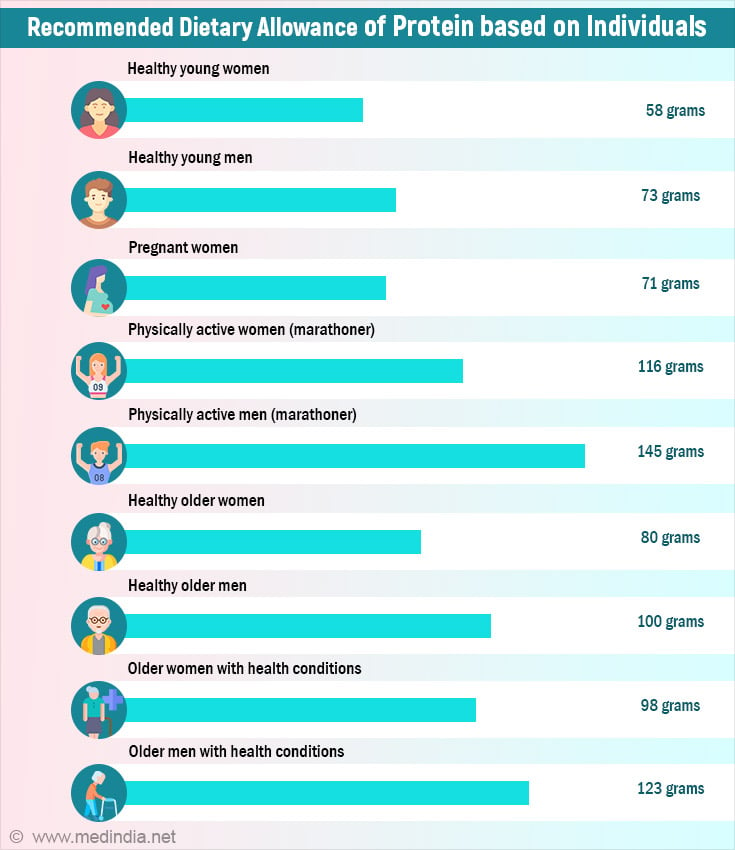
Your protein needs depend on several key factors. Age plays a role—older adults often require more protein to maintain muscle mass. Gender, metabolism, and overall health also affect how much protein your body can use efficiently.
Think about your daily routine. Are you sedentary or constantly on the move? Your lifestyle influences your protein requirements just as much as your workout habits do.
Using Body Weight And Activity Level
Calculating protein based on body weight is a simple and effective starting point. A common guideline suggests consuming between 1.2 to 2.2 grams of protein per kilogramof body weight, depending on how active you are.
| Activity Level | Protein Intake (grams per kg body weight) |
|---|---|
| Sedentary | 1.0 – 1.2 |
| Moderate Activity | 1.2 – 1.6 |
| Intense Training | 1.6 – 2.2 |
This range helps you adjust your intake depending on how much you move. If you weigh 70 kg and train hard, aiming for around 140 grams of protein per day would support muscle growth efficiently.
Adjusting For Training Intensity
Not all workouts are created equal. Higher training intensity and volume increase your muscle’s need for protein to recover and grow stronger.
Ask yourself: How challenging is your routine? If you push heavy weights or do multiple sessions per day, increasing protein beyond standard recommendations can make a noticeable difference.
On lighter training days or rest days, you might dial back slightly to avoid excess intake. Tracking how your body responds to changes in protein can guide you to the perfect balance for your goals.
How To Use A Protein Calculator
Understanding how to use a protein intake calculator helps tailor your diet to build muscle effectively. This tool estimates the amount of protein your body needs based on your personal details and goals. Using it correctly ensures you consume enough protein to support muscle growth and recovery.
Inputting Your Personal Data
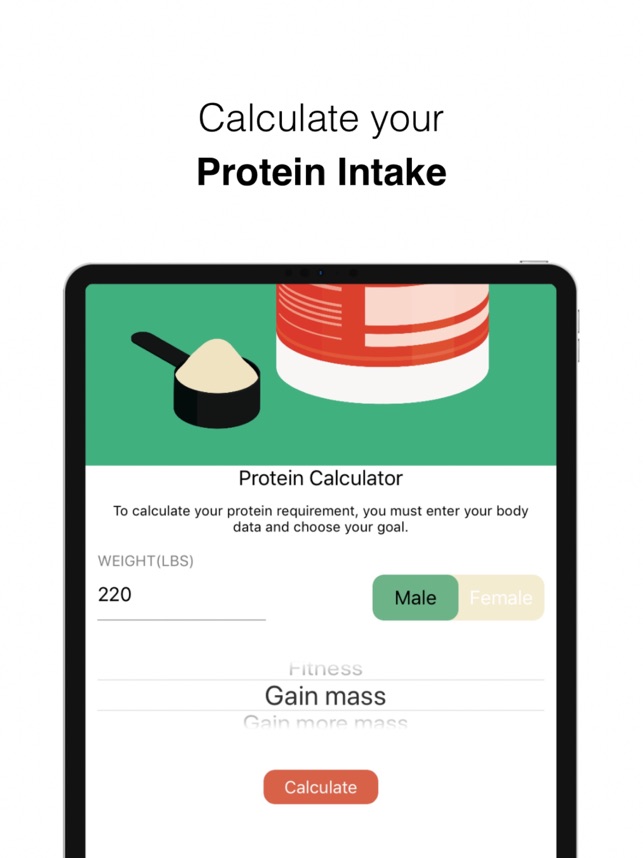
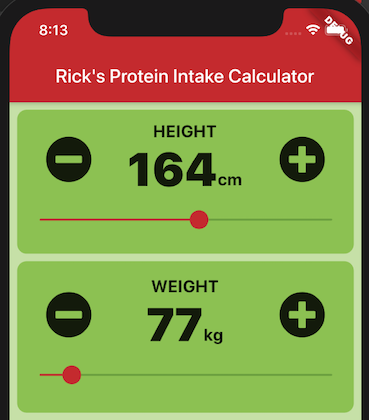
Start by entering your weight and height. Choose your age to improve accuracy. Select your activity level, such as sedentary, moderate, or intense workouts. Specify your fitness goal, for example, muscle gain or maintenance. These details help the calculator generate precise protein needs.
Interpreting The Results
The calculator shows your daily protein target, usually in grams. It may provide a range to allow flexibility. Compare this with your current intake to spot gaps. Use the numbers to plan meals that meet or exceed your protein needs.
Customizing For Dietary Preferences
Adjust the protein sources based on your diet. Vegetarians can focus on beans, lentils, and dairy. Vegans may include tofu, nuts, and seeds. The calculator can guide you to balance protein types and amounts. This customization keeps your plan practical and enjoyable.
Credit: www.medindia.net
Maximizing Muscle Gains With Protein
Protein plays a key role in building muscle. Eating enough protein helps repair and grow muscle fibers after exercise. It also supports strength and endurance gains. Using a Protein Intake to Build Muscle Calculator helps find the right amount of protein for your body and goals. This ensures your muscles get what they need for the best results.
Combining Protein With Strength Training
Strength training breaks down muscle fibers. Protein repairs these fibers and makes them stronger. Without enough protein, muscles cannot recover well. This slows down muscle growth. Eating protein after workouts boosts muscle repair. It also improves muscle size and strength over time.
Regular strength training and proper protein intake work together. They help you build muscle faster and more effectively.
Best Protein Sources For Muscle Building
Choose high-quality protein sources to support muscle growth. Some of the best options include:
- Chicken breast
- Lean beef
- Fish like salmon and tuna
- Eggs
- Dairy products such as milk and yogurt
- Plant-based proteins like beans, lentils, and tofu
These foods provide essential amino acids needed for muscle repair and growth. Variety in your diet ensures you get all necessary nutrients.
Meal Timing And Protein Distribution
Spreading protein intake throughout the day helps muscle growth. Aim to eat protein with every meal and snack. This keeps your muscles fueled and ready to recover. Eating protein soon after workouts is especially important.
Try to consume 20-40 grams of protein per meal. This amount supports muscle repair and maximizes gains. Balanced protein distribution prevents muscle breakdown and keeps energy steady.
Common Mistakes And Myths
Understanding protein intake is crucial for muscle building, but many fall into common traps that hinder progress. Misunderstandings about how much protein you need, its effects, and how it fits into your diet can lead to wasted effort or even harm. Let’s clear up these mistakes and myths so you can use your Protein Intake to Build Muscle Calculator effectively and safely.
Overconsumption Risks
Eating too much protein won’t necessarily speed up muscle growth. Your body can only use a certain amount for muscle repair and growth; the rest may strain your kidneys or turn into fat. Excessive protein often means you miss out on other vital nutrients that support overall health.
Think about your last week’s meals. Did you focus only on protein shakes and forget vegetables or carbs? This imbalance can cause energy slumps and slow down recovery.
Debunking Protein Myths
One common myth is that more protein equals bigger muscles instantly. That’s not true. Muscle growth depends on training, rest, and a balanced diet, not just protein.
Another myth is that plant proteins aren’t as effective as animal proteins. While some plant sources have lower amounts of certain amino acids, combining different plants can provide a complete protein profile. You don’t have to rely solely on meat to meet your needs.
Balancing Protein With Other Nutrients
Protein is important, but so are carbs and fats. Carbs fuel your workouts and help protein work better for muscle repair. Fats support hormone production, which influences muscle growth.
Are you tracking only protein grams and ignoring the rest? Try using your calculator to see how your overall diet stacks up. A balanced intake ensures you have energy, muscle-building blocks, and recovery support all at once.
Credit: apps.apple.com
Tracking Progress And Adjusting Intake
Tracking your progress is essential when building muscle with the help of a protein intake calculator. You must check how your muscles grow and adjust protein amounts accordingly. This ensures your body gets the right fuel to build muscle effectively.
Monitoring Muscle Growth
Keep a record of your muscle size and strength over time. Use simple tools like measuring tape or photos to see changes. Notice any improvements in your workout performance. These signs show if your current protein intake works well.
When To Increase Protein Intake
Increase protein if muscle gains slow down or stop. Also, add more protein when workouts become more intense or longer. Your body needs extra protein to repair and build new muscle tissue. Adjust intake based on your results and workout changes.
Using Feedback For Better Results
Listen to your body and review progress regularly. Track how you feel and perform during workouts. Make small changes to protein intake and see what works best. Use feedback to fine-tune your diet and reach muscle goals faster.
Credit: medium.com
Frequently Asked Questions
How Does The Protein Intake Calculator Work?
The protein intake calculator estimates daily protein needs based on your weight, activity level, and muscle-building goals. It provides personalized recommendations to optimize muscle growth and recovery effectively.
Why Is Protein Intake Important For Muscle Building?
Protein repairs and builds muscle tissue after workouts. Adequate protein intake supports muscle growth, improves strength, and aids recovery, making it essential for effective muscle development.
How Much Protein Do I Need To Build Muscle?
Most people need 1. 2 to 2. 2 grams of protein per kilogram daily for muscle growth. The exact amount depends on your activity and body weight.
Can I Build Muscle Without Tracking Protein Intake?
Tracking protein helps ensure you meet muscle-building needs. Without tracking, you may under-consume or over-consume protein, hindering optimal muscle growth and recovery.
Conclusion
Calculating your protein needs helps build muscle safely and effectively. This calculator gives a clear guide for daily protein intake. Knowing the right amount supports muscle growth and recovery. Consistency matters more than extremes in protein consumption. Pair your protein intake with regular exercise for best results.
Simple steps lead to steady progress over time. Keep track and adjust as your goals change. Your muscles will thank you for proper nutrition and care.







