
Are you curious about the NPO diet? Whether you’re preparing for a medical procedure or simply looking to understand more about this unique dietary protocol, you’re in the right place.
NPO, standing for “nil per os,” means nothing by mouth. It’s a term that might sound intimidating, but it’s crucial for certain medical situations. You might wonder why this diet is necessary and how it impacts your body. By the end of this article, you will have a clear understanding of the NPO diet, its purpose, and when it’s used.
Dive in to uncover how this diet could be relevant to you or your loved ones, and gain peace of mind by knowing exactly what to expect.
What Is An Npo Diet
An NPO diet is a special medical instruction that means no food or drink intake. It helps keep the stomach empty for certain procedures or treatments. This diet is important for patient safety and recovery during hospital stays.
Meaning Of Npo
NPO stands for “nil per os,” a Latin phrase meaning “nothing by mouth.” It means patients cannot eat or drink anything. This restriction includes water, food, gum, and even medications taken by mouth.
Common Medical Reasons
Doctors order NPO for several reasons:
- Before surgery to prevent choking or vomiting
- During certain tests like endoscopy
- When the digestive system needs rest
- To avoid complications after anesthesia
Duration And Restrictions
The NPO period depends on the medical situation. It can last from a few hours to several days. Patients must follow the exact time given by healthcare providers.
Breaking the NPO rule can cause serious problems like aspiration or infection. Always check with medical staff before eating or drinking again.

Credit: www.vhtc.org
Preparing For Npo Fasting
Preparing for NPO fasting is important for a smooth experience. NPO means no food or drink before a procedure or surgery. Proper preparation helps avoid complications and keeps the body ready.
Understanding what to do before fasting makes the process easier. This section covers key steps to prepare your body and mind.
Pre-fasting Guidelines
Follow your healthcare provider’s instructions carefully. Usually, fasting starts 6 to 8 hours before the procedure. Avoid all food, drinks, gum, and candy during this time. Plan your last meal to be light and easy to digest. Avoid heavy, fatty, or spicy foods before fasting.
Medications And Hydration
Talk to your doctor about medicines before fasting. Some medications can be taken with a small sip of water. Do not stop any medicine without advice. Stay well-hydrated before the fasting period starts. Drink plenty of clear fluids like water or juice before fasting. Avoid caffeinated or sugary drinks to maintain balance.
Mental And Physical Readiness
Fasting can be stressful or uncomfortable. Prepare yourself mentally for the process. Plan activities to distract from hunger or thirst. Get enough rest the night before. Wear comfortable clothes during the fasting period. Stay calm and positive to make fasting easier.
Safe Practices During Npo
Following an NPO (nil per os) diet means abstaining from food and drink for a period, often before surgery or medical tests. This can be challenging, but safe practices make all the difference in avoiding complications and ensuring your body stays stable. Understanding what to watch for and how to respond helps you navigate this phase smoothly.
Monitoring Symptoms
Keep a close eye on how you feel during the NPO period. Symptoms like dizziness, extreme thirst, or confusion should never be ignored. These signs might indicate dehydration or low blood sugar, which require immediate attention.
Write down any unusual feelings or changes you notice. This record can be valuable for your healthcare team to adjust your care. Are you feeling more tired or lightheaded than usual? Don’t hesitate to report it promptly.
Avoiding Complications
Sticking strictly to the NPO guidelines is key to preventing risks like aspiration or delayed healing. Avoid chewing gum or sucking on candies, as they can stimulate stomach acid and disrupt the process. Even small sips of water can sometimes interfere with your procedure, so check with your doctor before making exceptions.
Plan your fasting period carefully. If you know you get hungry or dehydrated quickly, talk with your medical team about the best timing to minimize discomfort. Could adjusting your last meal help you feel better during the fast?
Role Of Medical Staff
The medical team plays a crucial role in guiding you through the NPO diet safely. They monitor vital signs and look for warning signs that you might not notice. Trust their expertise and communicate openly about how you feel.
Nurses often provide reminders and support to keep you on track. If you have questions or concerns, ask them—they can explain why certain rules exist and how to manage your symptoms. Have you ever felt unsure about what to do during fasting? Medical staff are there to help you through those moments.

Credit: www.researchgate.net
Signs To Report Immediately
Following an NPO diet means no food or drink by mouth. It is vital to watch for signs that need quick attention. These signs show the body may be struggling and need help fast. Knowing them can prevent serious health problems.
Dehydration Indicators
Dehydration happens when the body loses more fluids than it takes in. Look for:
- Dry mouth and lips
- Dark yellow urine or very little urine
- Dizziness or light-headedness
- Fast heartbeat or breathing
- Sunken eyes
These signs mean the body needs fluids urgently. Report them immediately.
Severe Discomfort Or Pain
Strong pain or discomfort is never normal. Watch for:
- Intense stomach or chest pain
- Sharp or constant headaches
- Severe nausea or vomiting
- Pain that worsens over time
Such pain can signal serious issues. Get medical help without delay.
Unexpected Symptoms
New or unusual symptoms need quick reporting. Examples include:
- Sudden weakness or numbness
- Confusion or trouble speaking
- High fever or chills
- Swelling in any body part
- Shortness of breath
These symptoms might indicate complications. Do not wait to seek help.
Breaking The Npo Fast
Breaking the NPO fast is a crucial step after a period of no food or drink intake. How you reintroduce nourishment affects your recovery and comfort. Taking it slow and making smart choices can prevent discomfort and support your body’s adjustment.
Initial Food And Drink Choices
Start with small sips of clear fluids like water, broth, or herbal tea. These are gentle on your stomach and help you assess how your body reacts after fasting.
Next, try easily digestible foods such as applesauce, plain crackers, or toast. These options provide some energy without overwhelming your digestive system.
Have you noticed how even a small amount of food can feel surprisingly satisfying after fasting? This is your body’s way of signaling readiness to take on more.
Gradual Reintroduction Of Diet
Slowly add more variety and texture to your meals over the next few days. Soft fruits, cooked vegetables, and lean proteins like chicken or fish are good choices.
Pay attention to portion sizes and eat smaller meals more frequently. This approach helps your digestion work efficiently without strain.
Think about how your energy levels change as you reintroduce different foods. Adjust your intake based on how you feel rather than rushing back to a full diet.
Foods To Avoid Initially
- Spicy foods that can irritate your stomach lining
- Greasy or fried items that are hard to digest
- Highly processed snacks loaded with sugar or salt
- Caffeinated and alcoholic beverages that may dehydrate you
- Raw vegetables and tough meats that require more digestive effort
Avoiding these foods early on reduces the risk of nausea, cramps, or other digestive issues. Have you ever felt discomfort after eating something heavy too soon? Skipping these foods helps you prevent that experience.
Recovery Tips After Npo
Recovering after an NPO (nothing by mouth) period requires care and patience. The body needs gentle support to regain strength and normal function. A gradual return to eating and drinking helps avoid discomfort and supports healing.
Hydration Strategies
Start with small sips of water to avoid overwhelming the stomach. Clear fluids like broth or herbal tea are good choices. Drinking slowly helps the body adjust and prevents nausea.
- Use room temperature fluids for easier digestion.
- Drink frequently but in small amounts.
- Avoid sugary or caffeinated drinks at first.
Nutrient-rich Foods
Begin with soft, easy-to-digest foods. Foods like bananas, applesauce, and plain rice nourish without stressing digestion. Protein is important for healing but introduce it slowly.
- Choose boiled or steamed vegetables.
- Include lean proteins such as chicken or tofu.
- Avoid spicy, fried, or heavy foods initially.
Monitoring Digestive Response
Watch for signs of discomfort like bloating or pain. Stop or slow food intake if symptoms appear. Keeping a food diary can help track what works well.
- Note any reactions after eating or drinking.
- Report persistent symptoms to a healthcare provider.
- Gradually increase food variety as tolerance improves.
Common Challenges And Solutions
Following an NPO (nil per os) diet, where you avoid all food and liquids, is often necessary but comes with its own set of challenges. These hurdles can affect your comfort and mental state, but understanding them helps you prepare better. Let’s look at some common issues and practical ways to handle them effectively.
Managing Hunger And Thirst
Feeling hungry or thirsty when you can’t eat or drink is tough. Your body is used to regular intake, so the first hours can feel intense. Try to distract yourself with light activities like reading or gentle walks.
Also, remind yourself why this temporary restriction matters. Visualizing the positive outcome, such as a successful medical procedure, can make hunger and thirst easier to bear.
Dealing With Anxiety
Not eating or drinking can increase anxiety, especially if you’re worried about the procedure or your health. Breathing exercises can help calm your mind and reduce stress.
Talking to someone you trust about your feelings can also ease your anxiety. Have you tried jotting down your worries? Sometimes writing them down puts things into perspective.
Adjusting To Dietary Changes
After being on an NPO diet, returning to normal eating can feel strange. Your stomach might be sensitive, and your appetite may change. Start with small, easy-to-digest meals to ease your body back into eating.
Keep track of how your body reacts and adjust accordingly. Are there certain foods that feel better or worse after fasting? Listening to your body helps you regain balance faster.
Credit: www.studocu.com
When To Seek Medical Advice
Knowing when to seek medical advice during an NPO diet is essential. The NPO diet means no food or drink by mouth. This diet is often prescribed before surgery or certain tests. It helps keep the stomach empty and reduces risks. Some signs and symptoms need prompt attention to avoid complications. Understanding these signs can keep you safe and support recovery.
Persistent Symptoms
Persistent symptoms during an NPO diet need medical attention. These symptoms include severe nausea, vomiting, or abdominal pain that does not go away. Dehydration signs like dizziness, dry mouth, or little urine output are also important. Do not ignore these symptoms as they can worsen quickly.
Complications Post-npo
Complications may develop after an NPO diet ends. Difficulty swallowing or severe stomach pain requires immediate care. Chest pain or breathing problems are urgent signs. Watch for unusual swelling or redness near surgical sites. Early treatment prevents serious health issues.
Follow-up Care Importance
Follow-up care after an NPO diet helps monitor your health. Doctors check for infection or other problems. They ensure you recover well and return to a normal diet safely. Keep all appointments and report new symptoms quickly. Proper follow-up supports a smooth recovery process.
Frequently Asked Questions
What Is An Npo Diet And Its Purpose?
An NPO diet means “nothing by mouth. ” It restricts all food and drinks. This helps prepare for surgery or tests. It prevents complications like aspiration during anesthesia. Doctors order it to protect patient safety.
How Long Should One Follow An Npo Diet?
The NPO diet duration varies by procedure. It usually lasts 6 to 12 hours before surgery. Your doctor will give specific instructions. Following timing helps reduce risks and ensures effective treatment.
Can I Drink Water On An Npo Diet?
Water consumption depends on medical advice. Some protocols allow clear water up to two hours before surgery. Others require complete fasting. Always follow your healthcare provider’s instructions to avoid complications.
What Foods Are Allowed After An Npo Diet?
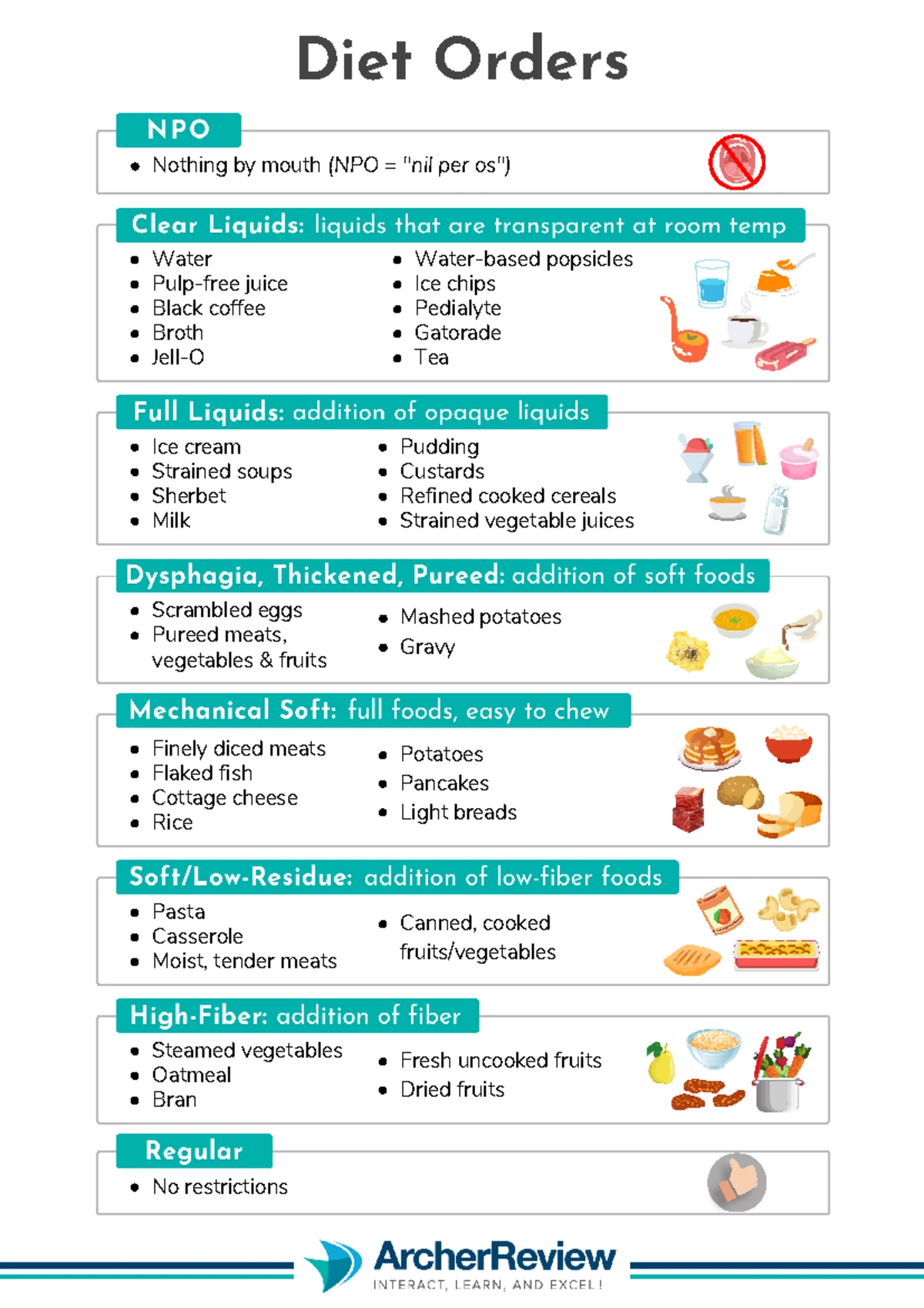
After NPO, start with clear liquids like broth or juice. Gradually introduce soft, bland foods. Avoid heavy, spicy, or fatty meals initially. Follow your doctor or dietitian’s guidance for safe recovery.
Conclusion
NPO diet plays a key role before medical procedures. It helps keep your stomach empty and safe. Following NPO instructions reduces risks during surgery or tests. Always listen to your doctor or nurse for guidance. Staying informed makes the process easier and safer.
Remember, clear communication improves your health care experience. Taking these steps shows you care about your well-being. Simple actions lead to better results. Keep this in mind for your next medical visit.







