
Ever wondered what fuels the industrious beaver, the nature’s master architect? The beaver diet is as fascinating as the creature itself.
Understanding what beavers eat not only reveals secrets about their survival but also the intricate balance they maintain in ecosystems. If you’ve ever been curious about how these creatures build their impressive lodges and dams, the answer lies in their diet.
By the end of this article, you’ll discover how their food choices impact their habitat and why this matters to you and your environment. Stay with us as we uncover the surprising elements of the beaver diet that could change the way you view these amazing animals.
Credit: www.metroparks.net
Beaver Eating Habits
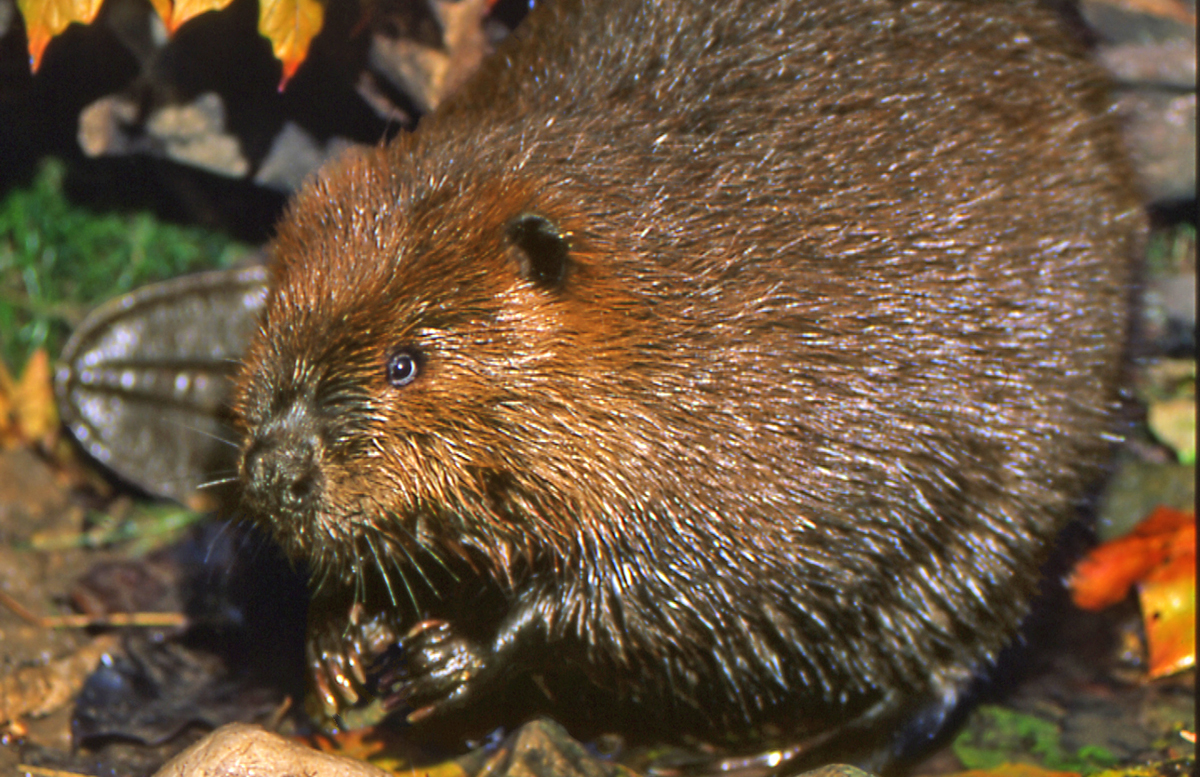
Beavers have unique eating habits that support their busy lifestyle. They mainly consume plants and wood. Their diet helps them build dams and lodges, which provide shelter and protection. Understanding how much and when beavers eat reveals much about their daily routines.
Daily Food Intake
Beavers eat a large amount of food every day. They consume around 2 to 4 pounds of food. Their diet includes tree bark, twigs, leaves, and aquatic plants. In winter, they rely more on stored wood. This wood supply helps them survive when plants are scarce. Young beavers eat the same foods but in smaller amounts.
Feeding Times
Beavers mostly feed during the night. They are nocturnal animals. Feeding starts just after sunset. They stay active feeding until early morning. This schedule helps them avoid predators. During the day, they rest in their lodges. Nighttime feeding also keeps them cool and safe.
Credit: www.metroparks.net
Plant-based Diet
Beavers follow a strict plant-based diet that supports their busy lifestyle. They rely on various plants and trees for food and building materials. Understanding their diet helps us appreciate how they interact with their environment.
Preferred Tree Species
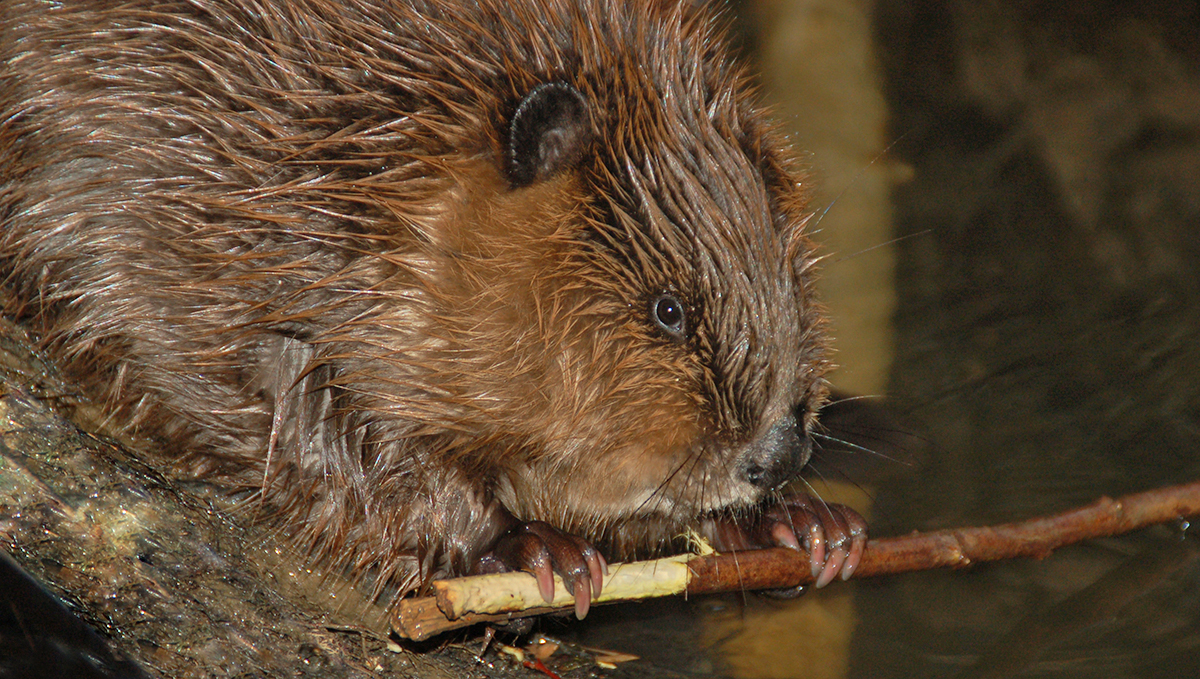
Beavers favor certain trees for their high nutritional value. They often eat the bark, twigs, and leaves of:
- Aspen
- Willow
- Birch
- Alder
- Maple
These trees provide essential nutrients and are easier to chew. The bark is especially important during winter months.
Aquatic Plants
Aquatic plants form a key part of the beaver’s diet. They consume roots, stems, and leaves from:
- Water lilies
- Cattails
- Reeds
- Duckweed
These plants offer water and nutrients, helping beavers stay hydrated and healthy.
Seasonal Variations
Beaver diets change with the seasons to match available food. In spring and summer, they eat more leaves and aquatic plants. During fall, they focus on tree bark and twigs. Winter means relying mainly on stored branches and bark.
Food Gathering Techniques
Beavers are skilled gatherers, using unique techniques to collect and store food. Their methods ensure they have enough to eat throughout the year. Each technique suits different seasons and environments. These food-gathering habits help beavers survive harsh winters and thrive in their habitats.
Felling Trees
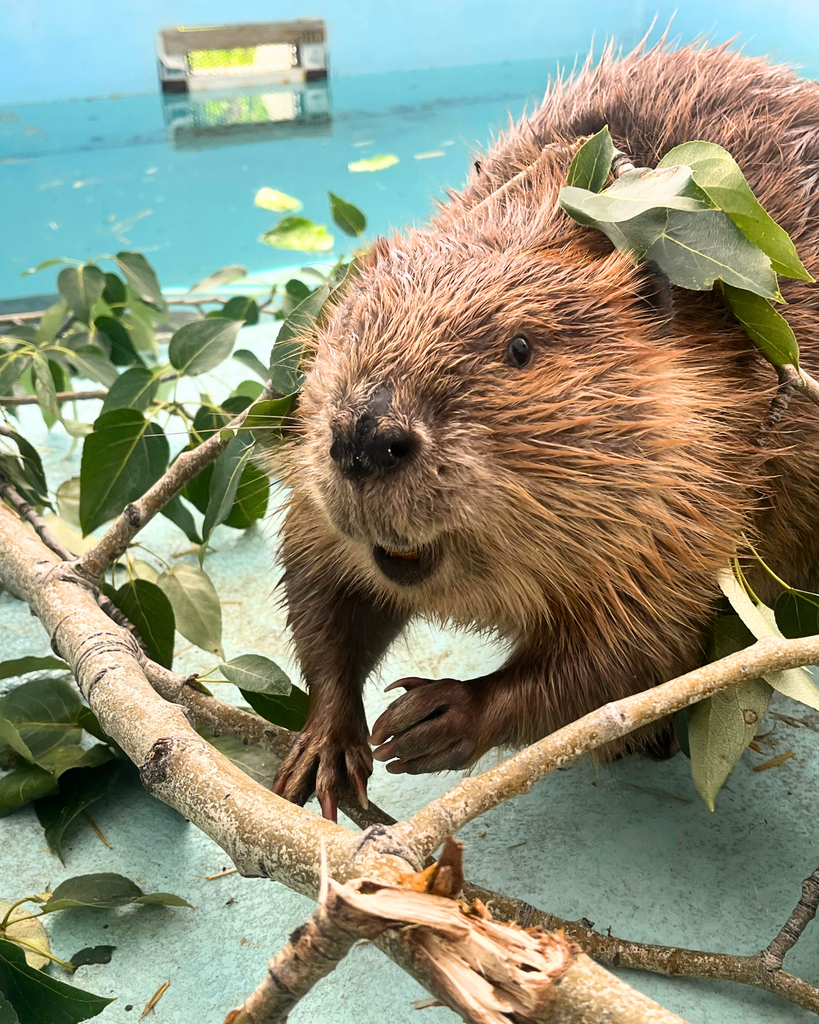
Beavers cut down trees using their strong teeth. They chew around the base until the tree falls. This provides food and building material. Trees like aspen, willow, and birch are their favorites. The bark and leaves serve as a fresh meal. The fallen wood also helps create dams and lodges.
Storing Food
Beavers store food underwater near their homes. They create underwater food caches to keep branches fresh. This supply lasts during winter when plants are scarce. Beavers place branches in shallow water, where they stay preserved. This smart technique ensures they eat even when land food is unavailable.
Underwater Foraging
Beavers dive underwater to gather food and wood. They swim skillfully, using their webbed feet and flat tails. Underwater, they find plants like pondweed and water lilies. This adds variety to their diet. Foraging underwater keeps them safe from predators while collecting food.
Credit: aiwc.shop
Nutritional Needs
Understanding the nutritional needs of beavers sheds light on how these industrious creatures survive and thrive in their watery habitats. Their diet is not just about what they eat, but how their bodies use that food to meet their daily demands. Let’s dive into the specifics of their energy needs and unique digestive system that supports their lifestyle.
Energy Requirements
Beavers have high energy needs due to their constant activity, like building dams and lodges. They consume large amounts of food to fuel these tasks, especially during colder months when staying warm requires extra calories.
Wood and bark provide the bulk of their diet, but these are low in calories. To make up for this, beavers eat a variety of nutrient-rich plants, leaves, and aquatic vegetation. Their ability to store fat helps them survive periods of low food availability.
Digestive Adaptations
Beavers have a specially adapted digestive system to handle their tough, fibrous diet. Their large cecum acts like a fermentation chamber, breaking down cellulose in wood and plants with the help of bacteria.
This process allows them to extract more nutrients than other animals could from the same materials. You might wonder how they avoid starvation on such a limited diet—this efficient digestion is the key.
Also, beavers practice coprophagy, meaning they eat their own feces to pass food through their system twice and maximize nutrient absorption. This clever adaptation ensures they get the most out of every bite.
Impact On Ecosystem
Beavers have a remarkable impact on the ecosystems they inhabit. Their diet, primarily consisting of tree bark, leaves, and aquatic plants, directly influences the environment around them. Understanding this impact helps you appreciate how these industrious animals shape natural habitats and biodiversity.
Vegetation Management
Beavers selectively feed on certain tree species like aspen, willow, and birch. This feeding behavior helps control the growth of these trees, preventing any single species from dominating the area. You might notice that some plants thrive more because beavers clear space, allowing sunlight to reach the forest floor.
This natural pruning encourages a diverse mix of plants, which benefits other wildlife. Have you ever wondered why some forest edges appear more open and inviting? Beavers’ eating habits play a big role in creating those balanced, healthy environments.
Habitat Creation
By feeding on trees and building dams, beavers create ponds and wetlands that serve as habitats for many creatures. These water bodies support fish, amphibians, birds, and even insects, making the ecosystem richer and more varied. If you’ve walked near a beaver dam, you’ve likely seen how the landscape transforms into a vibrant wetland.
These habitats also act as natural water filters and flood controls. The ponds formed trap sediment and improve water quality downstream. What if more communities encouraged beaver activity to naturally manage water and boost local wildlife? It’s a simple way to work with nature rather than against it.
Common Myths About Beaver Diet
Beavers are fascinating creatures with a diet that often sparks curiosity and sometimes confusion. Many myths surround what beavers actually eat and how their feeding habits impact their environment. Clearing up these misconceptions helps you understand beavers better and appreciate their role in nature.
Beavers And Meat Consumption
Some people believe beavers eat meat or fish, but this is not true. Beavers are strict herbivores. Their diet consists mainly of tree bark, leaves, twigs, and aquatic plants.
Occasionally, beavers might chew on bones or animal remains, but this behavior is rare and usually linked to obtaining minerals, not eating meat. So, if you’ve heard that beavers hunt or consume animals, you can confidently know that’s a myth.
Damage To Forests
It’s often assumed that beavers cause massive destruction to forests by cutting down too many trees. While beavers do fell trees, they usually target specific species like aspen, willow, and birch. This selective feeding can actually help promote new growth and diversity in the forest.
Beaver activity may change the landscape, but it’s important to ask: does this really harm the forest, or does it create a healthier ecosystem? In many cases, the areas around beaver ponds become rich habitats for other wildlife. Instead of damage, think of their impact as a form of natural forest management.
Feeding Behavior In Different Regions
Beavers adapt their feeding habits based on the resources available in their habitat. Their diet changes with the seasons and regional vegetation, which directly impacts their survival and the ecosystem around them. Understanding how beavers feed in different parts of the world can give you insight into their role in nature and how you might observe their behavior.
North America
In North America, beavers mainly eat the bark, leaves, and twigs of deciduous trees like aspen, willow, and birch. During summer, they add aquatic plants such as water lilies and cattails to their diet. You might notice them storing branches underwater near their lodges to have food ready for winter.
North American beavers often prefer trees close to water to minimize travel time. Have you ever wondered how they choose which trees to cut? It’s usually about the tree’s size and distance from the water source, making their feeding efficient and safe.
Europe And Asia
Beavers in Europe and Asia have a slightly different feeding pattern. They consume a wider variety of shrubs and herbaceous plants. Alder, poplar, and willow are common favorites, but they also eat grasses and aquatic plants depending on what’s available seasonally.
In colder regions of Asia, beavers rely more on tree bark during harsh winters when other food is scarce. Their ability to switch between plant types helps them survive in diverse climates. Observing this flexibility can help you appreciate how adaptable these animals really are.
Frequently Asked Questions
What Do Beavers Mainly Eat In The Wild?
Beavers primarily eat tree bark, leaves, twigs, and aquatic plants. They prefer willow, aspen, and maple trees for food and building materials.
How Does A Beaver’s Diet Change Seasonally?
In spring and summer, beavers eat more soft plants and leaves. In fall and winter, they focus on tree bark and stored branches.
Why Do Beavers Eat Tree Bark And Cambium?
Tree bark and cambium provide essential nutrients and fiber. Beavers strip bark to access the nutritious cambium layer beneath it.
Do Beavers Eat Aquatic Plants Or Just Trees?
Beavers consume both aquatic plants and trees. Aquatic vegetation offers hydration and nutrients, while trees provide food and building materials.
Conclusion
Beavers eat mostly plants like bark, leaves, and roots. They need strong teeth to chew tough wood. Their diet helps them build dams and lodges. Eating plants gives them energy to stay active. Beavers change their environment with what they eat.
Understanding their diet shows how nature works together. This simple diet supports many animals around them. Watching beavers eat teaches us about wildlife habits. Nature’s balance depends on creatures like beavers. Their food choices shape forests and streams.







