
Are you or a loved one dealing with digestive issues and looking for a way to make meals more comfortable and nourishing? A gastrointestinal soft diet might be just what you need.
This specially curated diet can ease the strain on your digestive system while still providing all the essential nutrients your body craves. Imagine enjoying meals without the worry of discomfort or pain. In this guide, you’ll discover a comprehensive list of gentle, easy-to-digest foods that will support your digestive health.
Whether you’re recovering from surgery or managing a chronic condition, this food list can be a game-changer. Dive in to learn how to make your meals both soothing and satisfying.
What Is A Soft Diet?
A soft diet is designed to ease the digestive process and reduce irritation in your gastrointestinal tract. It consists of foods that are easy to chew and swallow, often recommended after surgery or during digestive issues. Understanding what a soft diet involves can help you choose the right foods that support healing without sacrificing nutrition.
What Foods Are Included In A Soft Diet?
Soft diet foods are typically low in fiber and gentle on your stomach. You’ll find items like:
- Cooked vegetables without skins
- Soft fruits such as bananas and canned peaches
- Well-cooked grains like oatmeal and rice
- Lean proteins like eggs, tofu, and tender poultry
- Dairy products such as yogurt and cheese
These foods minimize chewing effort and avoid rough textures that can irritate your digestive system.
Why Choose A Soft Diet?
Have you ever had trouble swallowing or experienced stomach pain after meals? A soft diet helps by reducing the workload on your digestive organs. It supports recovery from illnesses, surgeries, or conditions like gastritis and ulcers.
By sticking to soft, easy-to-digest foods, you give your gut a chance to heal. This approach can also prevent discomfort and improve nutrient absorption during sensitive times.
How To Make Your Soft Diet Nutritious And Enjoyable
Eating soft foods doesn’t mean sacrificing flavor or variety. Try blending fruits into smoothies or preparing pureed soups for a tasty meal. You can also add mild herbs and spices for extra taste without upsetting your stomach.
Remember to balance your meals with proteins, carbohydrates, and healthy fats. This keeps your energy levels up and supports your body’s healing process.
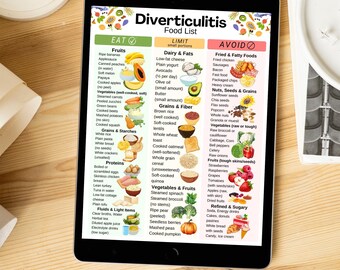
Credit: www.etsy.com
When To Follow A Soft Diet
Following a soft diet helps protect your digestive system during recovery. It includes foods that are easy to chew and digest. This diet reduces irritation and discomfort in the gastrointestinal tract. Doctors often recommend it after surgeries or during illnesses affecting digestion.
After Gastrointestinal Surgery
Soft foods avoid stress on healing tissues. They lower the risk of complications like blockages or tears. Patients usually start with liquids, then progress to soft solids. This diet supports faster recovery and less pain.
During Digestive Disorders
Conditions like ulcers, gastritis, or Crohn’s disease cause inflammation. Soft diets limit rough, spicy, or hard foods. This reduces irritation and helps the gut heal. It also eases symptoms such as pain and bloating.
When Experiencing Difficulty Swallowing
Soft diets are ideal for those with swallowing problems. Foods are moist and tender, making swallowing safer. This prevents choking and discomfort. It is common after stroke or in elderly patients.
During Flare-ups Of Chronic Conditions
Soft diets manage symptoms during flare-ups of IBS or diverticulitis. They reduce bowel workload and minimize discomfort. The diet includes low-fiber, bland foods that calm the digestive tract.
After Dental Procedures
Soft foods protect sensitive teeth and gums after dental work. They avoid chewing stress and pain. This allows healing without disrupting dental repairs.
Key Characteristics Of Soft Diet Foods
Soft diet foods have unique traits that make them easy to eat and digest. These foods are gentle on the stomach and intestines. They help reduce irritation and discomfort during digestion. People with gastrointestinal issues often follow a soft diet to aid healing and improve nutrition.
Understanding the key characteristics of soft diet foods helps in choosing the right meals. These foods should be smooth, tender, and low in fiber. They avoid hard textures that can strain the digestive system.
Easy To Chew And Swallow
Soft diet foods are tender and require little chewing. This reduces strain on teeth and gums. It also lowers the risk of choking. Examples include mashed potatoes, yogurt, and scrambled eggs.
Low In Fiber
Fiber is limited in soft diets to prevent bowel irritation. Foods like white rice and cooked carrots fit well. Avoid raw vegetables and whole grains as they are tough to digest.
Moist And Smooth Texture
Moist foods slide easily down the throat. Smooth textures prevent irritation. Soups, pureed fruits, and smoothies are ideal choices.
Gentle On The Digestive Tract
Soft diet foods reduce stomach acid production and inflammation. They avoid spicy, fried, or acidic ingredients that cause discomfort. Mild flavors and simple preparations are preferred.
Nutritious And Balanced
Despite the soft texture, these foods provide essential nutrients. Proteins, vitamins, and minerals support healing. Examples include soft cooked fish, eggs, and bananas.
Fruits Suitable For Soft Diet
Fruits play a vital role in a gastrointestinal soft diet. They provide essential vitamins and natural sweetness without irritating the digestive tract. Choosing the right fruits helps maintain gentle digestion and supports healing. Soft diet fruits are easy to chew and swallow, avoiding any discomfort.
Canned And Cooked Fruits
Canned fruits are soft and require no chewing. They are ideal for a soft diet because they are easy to digest. Choose fruits packed in water or natural juice, not heavy syrup. Cooking fresh fruits also softens their texture. Boiling or steaming fruits like apples and pears makes them tender and safe to eat.
- Canned peaches
- Canned pears
- Cooked apples
- Steamed pears
Ripe And Peeled Options
Ripe fruits are naturally softer and easier to eat. Peeling fruits removes tough skins that can irritate the gut. Soft ripe bananas are gentle and provide energy. Peeled and ripe melons, such as cantaloupe and honeydew, are safe choices. Avoid fruits with seeds or skins that are hard to digest.
- Ripe bananas
- Peeled peaches
- Peeled nectarines
- Ripe melons without seeds
Vegetables For Gentle Eating
Vegetables play a crucial role in a gastrointestinal soft diet. They provide essential nutrients while being gentle on your digestive system. Choosing the right preparation methods can make a big difference in how well your body tolerates these foods.
Well-cooked Vegetables
Cooking vegetables until they are soft helps break down their fibers, making them easier to digest. Steaming, boiling, or roasting until tender are good options. Think of carrots, zucchini, green beans, and squash cooked until you can easily mash them with a fork.
Have you noticed how even slight overcooking can make veggies mushy but more soothing for your stomach? That’s often what your body needs when healing or sensitive. Avoid raw or crunchy vegetables that might irritate your gut.
Pureed And Mashed Choices
Pureed vegetables are excellent for a soft diet because they require minimal chewing and are gentle on your digestive tract. You can easily puree potatoes, sweet potatoes, pumpkins, or peas with a bit of broth or water to create smooth textures.
Mashed cauliflower or carrots can be delicious and comforting. Adding mild seasonings like a pinch of salt or a dash of olive oil enhances flavor without upsetting your stomach. Do you find that smoother textures help you enjoy veggies more during sensitive times?

Credit: health.clevelandclinic.org
Protein Sources On Soft Diet
Protein is a vital part of any diet. It helps repair tissues and supports the immune system. A soft diet requires easy-to-chew protein sources that are gentle on the stomach. Many options fit well into this diet without causing discomfort.
Choosing the right protein sources on a soft diet keeps meals nutritious and satisfying. Here are some excellent protein choices that work well for soft diets.
Tender Meats And Poultry
Tender meats provide high-quality protein and are easier to digest. Cooking methods that soften meat include slow cooking, boiling, or steaming. Choose lean cuts like:
- Chicken breast, cooked until tender
- Turkey, shredded or ground
- Lean pork, slow-cooked
- Soft-cooked fish, like salmon or cod
Cut meats into small pieces or shred them for easier eating. Avoid tough or dry cuts that require heavy chewing.
Eggs And Dairy Products
Eggs are a soft, versatile protein source. They can be scrambled, boiled, or made into an omelet. Dairy products add protein and calcium. Choose soft options like:
- Yogurt, plain or flavored without fruit chunks
- Cottage cheese, smooth varieties
- Soft cheeses, such as mozzarella or cream cheese
- Milk or milk alternatives for smoothies
These foods are easy to swallow and digest, perfect for a soft diet.
Soft Plant-based Proteins
Plant proteins are important for variety and nutrition. They can be soft and easy to eat with the right preparation. Try:
- Tofu, soft or silken types
- Cooked lentils, mashed or pureed
- Refried beans, smooth texture
- Nut butters, smooth and without chunks
These options provide protein without hard textures. They are also gentle on the digestive system.
Grains And Starches Allowed
Choosing the right grains and starches is essential when following a gastrointestinal soft diet. These foods should be easy to digest and gentle on your stomach, helping you avoid irritation and discomfort. Let’s look at some safe options that can keep your meals both satisfying and tummy-friendly.
Refined Breads And Cereals
Refined breads made from white flour are usually easier to digest than whole grain varieties. They lack the fibrous outer layer, which can be harsh on sensitive digestive systems.
Opt for plain white bread, dinner rolls, or bagels without seeds or nuts. Avoid crusty breads that require more chewing and may cause irritation.
When it comes to cereals, choose those that are low in fiber and sugar. Examples include cream of wheat, cornflakes, and puffed rice. These options provide energy without upsetting your stomach.
Cooked Rice And Pasta
Soft, well-cooked rice is a staple for many on a soft diet. White rice is preferable because it’s low in fiber and easy to digest.
Try cooking rice until it’s very soft, almost mushy, to reduce the effort your digestive system has to make. Brown rice or wild rice are generally not recommended as they contain more fiber.
Pasta can be a great choice if cooked until tender. Stick to plain pasta made from refined flour, and avoid whole grain or high-fiber varieties.
Do you notice how simple adjustments in cooking techniques can make a big difference in digestion? Softening your grains can turn a tough meal into a soothing one for your gut.
Dairy And Alternatives
Dairy and its alternatives play a key role in a gastrointestinal soft diet. Choosing the right types can help you avoid irritation and discomfort while still providing essential nutrients like calcium and protein. Let’s look at the best options that are gentle on your digestive system.
Smooth Yogurts And Cheeses
Smooth yogurts are a fantastic choice because they are easy to digest and often contain probiotics, which support gut health. Opt for plain, unsweetened yogurt without fruit chunks or seeds. Greek yogurt works well if it’s creamy and free of added ingredients.
Soft cheeses like cream cheese, ricotta, and cottage cheese are gentle on your stomach. They add variety to your meals without causing irritation. Avoid hard, aged cheeses that can be tougher to digest.
- Plain Greek yogurt
- Cream cheese
- Ricotta cheese
- Cottage cheese
Milk And Milk Substitutes
If you tolerate dairy milk, choose low-fat or skim versions to reduce fat intake, which can slow digestion. Whole milk may be harder on your stomach, especially if you are sensitive to fats.
Milk substitutes like almond, soy, or oat milk can be good alternatives. Pick unsweetened and fortified versions to get nutrients without added sugars. Check labels carefully, as some brands add thickeners or flavors that might upset your stomach.
- Skim or low-fat cow’s milk
- Unsweetened almond milk
- Unsweetened soy milk
- Unsweetened oat milk
Have you noticed how certain dairy products affect your digestion differently? Paying attention to your body’s response can help you pick the best options for your soft diet.
Beverages Compatible With Soft Diet
Beverages play a key role in a soft diet. They help keep the body hydrated and support digestion. Choosing the right drinks can ease discomfort and prevent irritation in the digestive tract. Drinks should be smooth, gentle, and easy to swallow. Avoid beverages with seeds, pulp, or carbonation. Here is a list of beverages compatible with a soft diet.
Water And Electrolyte Drinks
- Plain water is the best choice for hydration.
- Electrolyte drinks like sports drinks help maintain mineral balance.
- Choose low-sugar options to avoid stomach upset.
- Room temperature or slightly cool drinks are easier to tolerate.
Milk And Dairy Alternatives
- Milk provides protein and calcium, supporting healing.
- Choose lactose-free milk if lactose intolerance is an issue.
- Non-dairy milk like almond, soy, or oat milk are smooth and mild.
- Avoid thick or chunky dairy products.
Herbal And Decaffeinated Teas
- Herbal teas like chamomile and ginger soothe the stomach.
- Decaffeinated teas reduce the risk of irritation.
- Drink warm or cool, never hot, to avoid burning.
- Avoid mint tea if acid reflux is a concern.
Clear Broths And Soups
- Clear broths provide hydration and essential nutrients.
- Chicken, beef, or vegetable broth are excellent choices.
- Avoid broths with large pieces or spices.
- Consume warm for comfort and ease of digestion.
Fruit And Vegetable Juices
- Choose juices without pulp for smooth texture.
- Apple, grape, and carrot juices are gentle on the stomach.
- Limit citrus juices like orange or grapefruit due to acidity.
- Drink in small amounts to prevent stomach upset.
Foods To Avoid On Soft Diet
A soft diet helps ease digestion and prevents irritation in the gastrointestinal tract. Avoiding certain foods is crucial to keep the stomach and intestines comfortable. Some foods can cause discomfort, pain, or slow healing. Knowing what to skip improves your recovery and well-being.
Hard And Crunchy Items
Hard and crunchy foods can be tough to chew and digest. They may irritate the digestive tract or get stuck in the throat. Avoid items like:
- Raw vegetables (carrots, celery)
- Nuts and seeds
- Popcorn
- Crackers and chips
- Hard breads and crusts
Spicy And Acidic Foods
Spicy foods often cause burning or discomfort in the stomach. Acidic foods may worsen inflammation or cause reflux. These foods are best avoided:
- Hot peppers and chili sauces
- Citrus fruits (oranges, lemons)
- Tomato-based products
- Vinegar and pickled foods
- Strong spices like black pepper or curry
High-fiber Choices
High-fiber foods can be hard to digest and may cause gas or bloating. Limit intake of:
- Whole grains (brown rice, whole wheat bread)
- Raw fruits with skin or seeds
- Beans and lentils
- Bran cereals
- Cruciferous vegetables (broccoli, cauliflower)
Tips For Preparing Soft Diet Meals
Preparing meals for a soft diet requires attention to texture and taste without causing discomfort. Your goal is to create dishes that are easy to chew and swallow, yet still enjoyable to eat. With the right techniques, you can make soft diet meals that feel anything but bland or boring.
Cooking Methods For Tenderness
Choose cooking methods that naturally soften food. Steaming vegetables until they are very tender keeps nutrients intact while making them easy to eat. Boiling or poaching proteins like chicken or fish helps break down fibers, resulting in a gentle texture.
Slow cooking is another excellent option. It tenderizes tougher cuts of meat and infuses flavor without adding harshness. Have you tried blending or pureeing foods? This can transform dishes into smooth, creamy textures perfect for a soft diet.
Flavor Enhancements Without Irritation
Adding flavor doesn’t mean adding irritation. Use herbs like basil, parsley, or dill to brighten dishes without spicing them up. Mild spices like cinnamon or nutmeg can add warmth without upsetting your stomach.
Try incorporating small amounts of lemon juice or a splash of low-sodium broth to enhance taste gently. Avoid acidic or spicy ingredients that can cause discomfort. Have you noticed how a touch of fresh herbs can lift a meal’s flavor while keeping it soft and soothing?
Credit: health.clevelandclinic.org
Frequently Asked Questions
What Foods Are Allowed On A Gastrointestinal Soft Diet?
A gastrointestinal soft diet includes easily digestible foods like cooked vegetables, soft fruits, tender meats, eggs, and low-fiber grains. Avoid hard, spicy, and fried foods to reduce irritation and aid digestion during recovery or digestive issues.
How Does A Soft Diet Help Gastrointestinal Recovery?
A soft diet reduces strain on the digestive system by providing gentle, low-fiber foods. It minimizes irritation and inflammation, promoting faster healing after surgeries, infections, or digestive disorders like gastritis or ulcers.
Can I Eat Dairy On A Soft Gastrointestinal Diet?
Yes, but choose low-fat or lactose-free options like yogurt and milk. Avoid hard cheeses and full-fat dairy if they cause discomfort or worsen symptoms during digestion.
Which Fruits And Vegetables Are Best For A Soft Diet?
Cooked or canned fruits without skins, like applesauce and bananas, are ideal. Soft, cooked vegetables like carrots, zucchini, and squash help minimize fiber intake and ease digestion.
Conclusion
A soft diet helps your stomach heal and stay comfortable. Choose foods that are easy to chew and digest. Stick to simple items like cooked vegetables, soft fruits, and lean proteins. Avoid hard, spicy, or greasy foods that may cause irritation.
Eating well supports your recovery and keeps you feeling better. Remember, gentle foods can make a big difference. Take your time and listen to your body. This list can guide you toward safer food choices every day.







