
Imagine sculpting your body, not with heavy weights or intense gym sessions, but with the graceful movements of yoga. Yes, you read that right—yoga can build muscle.
If you’ve ever thought yoga was just about stretching or relaxation, think again. This ancient practice not only enhances flexibility but also strengthens your muscles in ways you might not expect. Curious about how this works? Or perhaps you’re wondering how to integrate this into your fitness routine?
You’re in the right place. Get ready to discover how yoga can transform your body, boost your strength, and redefine your fitness goals. Stay with us to uncover the secrets of muscle-building through yoga that everyone is talking about.

Credit: www.youtube.com
Benefits Of Yoga For Muscle Building
Yoga is more than just stretching and relaxation. It helps build muscle in many ways. It supports strength, flexibility, endurance, and recovery. These benefits work together to improve overall muscle health. Yoga complements other muscle-building routines well. It suits all fitness levels and ages.
Improved Muscle Strength
Yoga poses require holding your body weight. This builds strength in many muscle groups. Poses like plank and chair pose challenge your muscles. Regular practice increases muscle tone and power. Strength gained from yoga helps in daily activities and workouts.
Enhanced Flexibility
Yoga stretches muscles deeply and safely. Better flexibility reduces muscle stiffness and tightness. Flexible muscles move more freely and easily. This helps prevent injuries during exercise. It also improves posture and balance.
Increased Muscle Endurance
Yoga involves holding poses for several breaths. This builds muscle endurance over time. Endurance helps muscles work longer without fatigue. It improves stamina for other sports and exercises. Steady breathing in yoga supports sustained muscle effort.
Better Muscle Recovery
Yoga promotes blood flow to tired muscles. This speeds up recovery after workouts. Gentle stretches reduce soreness and tension. Yoga also relaxes the mind, aiding overall healing. Restorative poses help muscles repair and grow stronger.
Key Yoga Poses For Strength
Building muscle through yoga is not just about flexibility—it’s about strength and control. Certain yoga poses challenge your muscles in ways that traditional workouts might not. These key poses engage multiple muscle groups, helping you develop power and endurance while improving balance.
Have you ever held a pose so long that your arms or legs start shaking? That’s your muscles working hard to stabilize your body. These moments are where real strength is built.
Plank Pose Variations
The Plank pose is a powerhouse for your core, shoulders, and arms. Holding a straight line from head to heels activates your abdominal muscles and builds upper body strength.
Try side planks to target your obliques or forearm planks to increase endurance. Each variation challenges your muscles differently, helping you avoid plateaus.
- Standard plank: Focus on keeping hips level and core tight.
- Side plank: Supports shoulder stability and tones the sides of your core.
- Forearm plank: Increases time under tension for deep core engagement.
Chair Pose
Chair Pose works your thighs, glutes, and lower back. It’s like sitting in an invisible chair, which fires up your leg muscles intensely.
When you hold this pose, you build endurance in your quads and improve your posture. It’s also a great test of mental focus—can you stay steady as your legs burn?
Warrior Series
The Warrior poses (I, II, and III) strengthen your legs, hips, and core. They also develop balance and coordination, which are crucial for muscle control.
Warrior I challenges your front legs while stretching your hips. Warrior II opens your chest and works your outer thighs. Warrior III demands full-body engagement and stability.
- Focus on aligning your knees over your ankles.
- Engage your core to maintain balance.
- Breathe deeply to sustain the pose longer.
Boat Pose
Boat Pose targets your abdominal muscles and hip flexors. It’s a simple yet intense way to build core strength.
Holding this pose can be tough at first, but as your muscles get stronger, you’ll notice better posture and balance in everyday activities. Can you hold your boat steady without shaking?
Yoga Sequences To Build Muscle
Building muscle with yoga might sound surprising, but certain yoga sequences challenge your muscles in ways that promote strength and growth. These sequences focus on holding poses longer and moving through flows that engage multiple muscle groups. You’ll find that consistent practice can sculpt your body while improving flexibility and balance.
Full-body Strength Routine
This routine targets every major muscle group with poses that demand endurance and control.
- Chaturanga Dandasana (Low Plank):Builds arm, shoulder, and core strength.
- Chair Pose (Utkatasana):Engages thighs, glutes, and lower back.
- Warrior II (Virabhadrasana II):Strengthens legs and opens hips.
- Plank Pose:Activates shoulders, arms, and core simultaneously.
Holding these poses for 30-60 seconds and repeating the sequence 3-4 times challenges your muscles effectively. Have you noticed how holding a plank longer makes your arms shake? That’s your muscles adapting and growing stronger.
Upper Body Focus
To build muscle in your arms, shoulders, and chest, focus on poses that require pushing and supporting your body weight.
- Downward Dog to Plank Flow:Strengthens shoulders, chest, and arms.
- Dolphin Pose:Targets shoulders and upper back muscles.
- Side Plank (Vasisthasana):Builds arm and oblique strength.
- Chaturanga Dandasana:A great test of upper body endurance.
Try linking these poses in a flow, holding each for 20-40 seconds. Feel the burn? That’s muscle building in action. What if you could tone your arms without any equipment? Yoga shows you how.
Lower Body Focus
Strong legs and glutes come from poses that require balance and sustained engagement.
- Chair Pose (Utkatasana):Builds quad and glute strength.
- Warrior I and II:Strengthen thighs, hips, and calves.
- Bridge Pose (Setu Bandhasana):Activates glutes and hamstrings.
- Chair Pose with Heel Lift:Adds calf strengthening.
Holding these poses longer challenges your leg muscles like weight training. Do you realize how much effort it takes to stay steady in Warrior II? That effort translates directly into muscle growth.
Core Strength Flow
Your core holds the body together, and yoga poses here focus on stability and control.
- Boat Pose (Navasana):Strengthens the entire abdominal area.
- Plank to Side Plank Transitions:Engage obliques and deep core muscles.
- Forearm Plank:Builds endurance in core and shoulders.
- Locust Pose (Salabhasana):Strengthens lower back muscles.
Try flowing through these poses with controlled breaths and steady holds. Can you hold Boat Pose for a full minute? That’s a sign your core muscles are getting stronger every day.

Credit: www.youtube.com
Combining Yoga With Traditional Strength Training
Combining yoga with traditional strength training creates a balanced fitness routine. Yoga improves flexibility and body awareness. Strength training builds muscle and boosts power. Together, they support overall muscle development and health.
Balancing Workouts
Yoga helps stretch muscles tightened by lifting weights. It balances strength workouts by improving joint mobility. This balance reduces muscle stiffness and improves posture. A mix of both keeps your body agile and strong.
Preventing Injury
Yoga teaches control and proper breathing. These skills lower the risk of strains and sprains. Stretching muscles after lifting reduces soreness and tightness. Focus on form and gentle movements to avoid injury.
Enhancing Muscle Gains
Yoga tones smaller, stabilizing muscles often missed in weight training. It increases blood flow and nutrient delivery to muscles. This supports faster growth and recovery. Combining both methods leads to fuller muscle development.
Recovery Techniques
Yoga offers gentle poses that relax muscles and calm the mind. It aids in reducing muscle fatigue after heavy workouts. Breathing exercises in yoga speed up recovery. Use yoga as an active rest day practice for best results.
Nutrition Tips For Muscle Growth With Yoga
Nutrition plays a crucial role in building muscle alongside your yoga practice. The right foods fuel your workouts and help your body repair and grow stronger. Paying attention to what you eat can make a big difference in how your muscles respond to yoga poses and strength-focused flows.
Protein Sources
Protein is essential for muscle repair and growth. Aim to include a variety of protein sources in your diet to get all the amino acids your body needs.
- Animal-based:chicken, turkey, eggs, Greek yogurt, and lean beef provide high-quality protein.
- Plant-based:lentils, chickpeas, tofu, quinoa, and edamame are excellent for vegetarians and vegans.
- Quick snacks:nuts, seeds, and protein bars can help you meet your daily goals.
When I started paying more attention to protein after yoga sessions, I noticed faster muscle recovery and less soreness. What protein sources do you rely on after your practice?
Hydration Strategies
Water keeps your muscles working efficiently and prevents cramps during yoga. Drinking enough fluids before, during, and after your practice is key.
- Start your day with a glass of water to jumpstart hydration.
- Carry a reusable water bottle and sip regularly throughout the day.
- Consider adding electrolytes if you sweat a lot during intense sessions.
Remember, dehydration can slow muscle repair and reduce your energy. How much water do you drink around your yoga workouts?
Supplements To Consider
Supplements can support muscle growth, but they should not replace whole foods. Some you might find helpful include:
- Whey or plant-based protein powdersfor convenient protein intake post-yoga.
- Creatineto improve strength and muscle endurance.
- Branched-chain amino acids (BCAAs)to reduce muscle soreness.
- Vitamin D and magnesiumfor muscle function and recovery.
Always check with a healthcare professional before starting supplements. Have you ever tried any supplements to boost your yoga muscle gains?
Meal Timing
When you eat affects how your muscles recover and grow. Ideally, have a balanced meal or snack within 30 to 60 minutes after your yoga session.
- Include protein and carbohydrates to replenish energy and start muscle repair.
- Examples: a smoothie with banana and protein powder, or whole-grain toast with peanut butter.
- Avoid heavy meals right before yoga to maintain comfort and flexibility.
Experiment with your meal timing to see what works best for your energy and recovery. How do you schedule your meals around your yoga practice?
Common Mistakes To Avoid
Building muscle through yoga requires care and attention to avoid common errors. These mistakes can slow progress and even cause injuries. Recognizing and avoiding them helps make your practice safe and effective.
Overstretching
Pushing your body too far in yoga poses can harm muscles and joints. Stretching beyond your limits causes strains and delays muscle growth. Focus on steady progress and listen to your body’s signals.
Ignoring Proper Form
Maintaining correct posture is vital for muscle building in yoga. Poor form reduces exercise benefits and increases injury risk. Use mirrors or guidance from instructors to keep poses accurate.
Skipping Warm-ups
Starting yoga without warming up tight muscles limits flexibility and strength. Warm-ups prepare muscles and reduce injury chances. Include gentle stretches and light movements before intense poses.
Neglecting Rest Days
Muscle growth happens during rest, not just practice. Skipping rest days leads to fatigue and poor recovery. Schedule regular breaks to allow muscles to repair and grow stronger.
Tracking Progress And Staying Motivated
Tracking progress and staying motivated are key to building muscle with yoga. Seeing improvements keeps you encouraged and focused. Without tracking, it’s easy to lose sight of your goals. Motivation can fade if you don’t notice changes. Keeping a record helps you understand what works and where to improve.
Tracking also creates a sense of achievement. It pushes you to keep going even when progress feels slow. Motivation comes from small wins as much as big ones. Staying consistent matters more than intensity. Small steps add up over time to real muscle gains.
Setting Realistic Goals
Set clear and achievable goals for your yoga muscle journey. Avoid aiming for too much too fast. Realistic goals help prevent frustration and injury. Break big goals into smaller, manageable targets. For example:
- Increase hold time in poses by 10 seconds
- Complete three strength-focused sessions weekly
- Improve form in plank or chair pose
Write your goals down and review them often. Adjust goals as you progress and learn more about your body.
Using Journals And Apps
Keep a yoga journal to note your workouts and feelings. Track poses, reps, and time spent on each session. Write down how your muscles feel and any improvements. Use apps designed for fitness tracking to simplify this process. Apps can remind you to practice and log data easily.
Benefits of tracking with journals and apps:
- Visual record of your progress
- Better understanding of your strengths and weaknesses
- Motivation through daily or weekly check-ins
Celebrating Milestones
Recognize and celebrate each milestone reached. Small victories build confidence and encourage consistency. Celebrate by:
- Rewarding yourself with rest days
- Trying a new challenging pose
- Sharing progress with friends or community
Milestones can be anything from holding a pose longer to feeling stronger. Celebrations reinforce positive habits and keep motivation high.
Maintaining Consistency
Consistency beats intensity for muscle building in yoga. Practice regularly, even if for short periods. Create a routine that fits your daily life. Stick to your schedule as much as possible. Consistency helps your muscles adapt and grow stronger.
Tips for staying consistent:
- Set a fixed time for practice each day
- Mix strength poses with flexibility and balance work
- Focus on progress, not perfection
Regular practice builds discipline and keeps motivation alive. Over time, you’ll see real muscle growth through yoga.
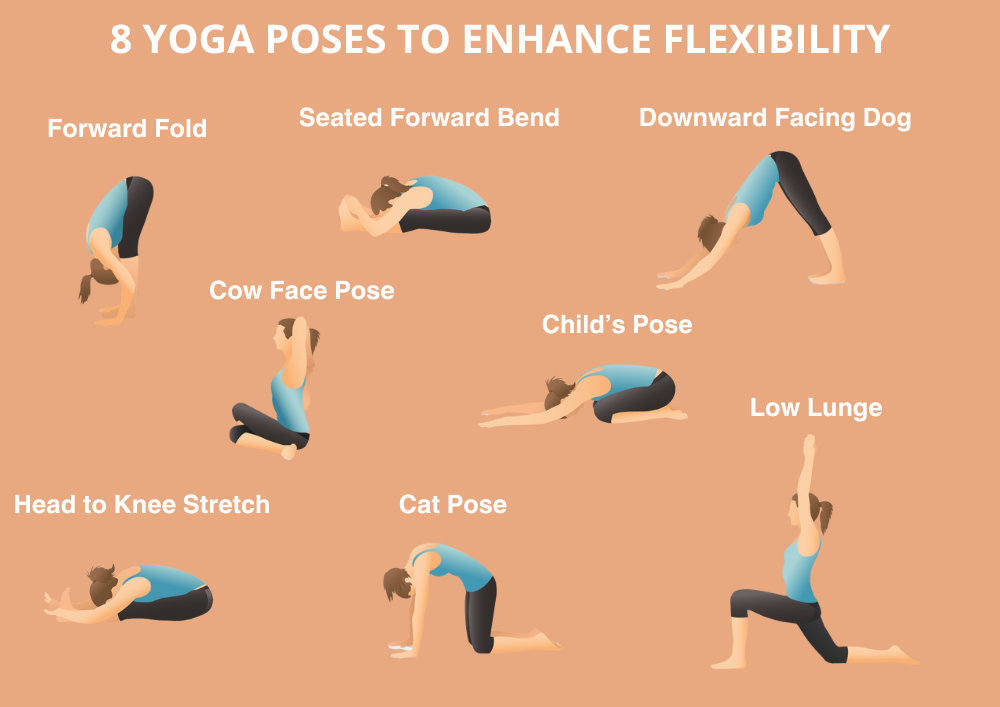
Credit: myyogateacher.com
Frequently Asked Questions
Can Yoga Help Build Muscle Effectively?
Yes, yoga builds muscle by using body weight in poses. It improves strength, flexibility, and endurance for lean muscle growth.
Which Yoga Poses Are Best For Muscle Building?
Poses like Plank, Chair, Warrior, and Downward Dog target multiple muscle groups. They enhance strength and tone muscles effectively.
How Often Should I Practice Yoga To Build Muscle?
Practice yoga 3-5 times weekly for muscle growth. Consistency helps improve strength and muscle definition over time.
Does Yoga Build Muscle Faster Than Weightlifting?
Yoga builds muscle slower but improves flexibility and balance. Weightlifting is faster for bulk, but yoga enhances functional strength.
Conclusion
Yoga can help you build muscle with regular practice. It improves strength, flexibility, and balance. You do not need heavy weights to see progress. Holding poses works your muscles deeply and safely. Yoga also helps your body recover and stay healthy.
Combining yoga with good nutrition boosts muscle growth. Start slowly and stay consistent for best results. Feel stronger and more confident with yoga every day. Give your body time to adapt and grow. Yoga offers a natural way to build muscle and stay fit.







