
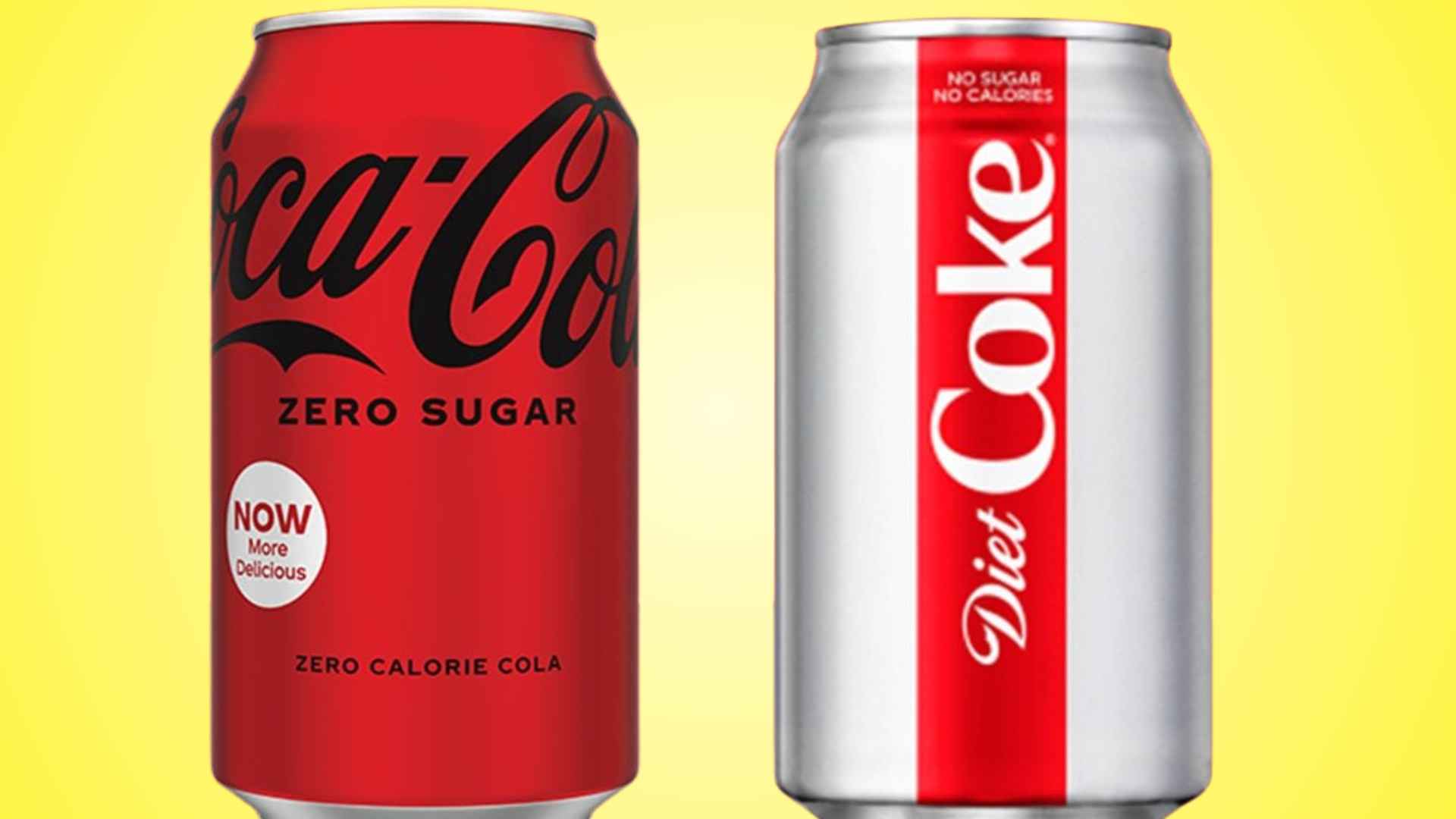
Are you confused about whether to choose diet or zero sugar drinks? You’re not alone.
With so many options on the market, it can be tough to know which one is the best fit for your lifestyle and health goals. You might wonder about the real differences between the two, and how they affect your body and mind.
This article dives into the heart of the “Diet vs Zero Sugar” debate, exploring the myths and facts behind these popular choices. By the time you finish reading, you’ll have the clarity you need to make an informed decision that suits your taste buds and your health. Keep reading to discover the surprising truths that could change the way you sip your favorite beverages.

Credit: www.reddit.com
Diet Drinks Demystified
Understanding diet drinks can change how you view your beverage choices. Many people grab a diet soda thinking it’s a healthier option, but what really sets these drinks apart? Let’s break down what makes a drink “diet” and why that matters for your health and calorie intake.
What Makes A Drink Diet
Diet drinks are designed to offer the taste of sugary beverages without the calories. They replace sugar with artificial or natural sweeteners that don’t add energy to your drink.
These drinks often target people who want to reduce calorie intake while still enjoying a sweet flavor. Have you noticed how diet sodas can taste different but still satisfy your craving for something sweet?
Common Sweeteners Used
Many diet drinks use sweeteners like aspartame, sucralose, or stevia to mimic sugar’s sweetness. Each sweetener has its own unique profile and aftertaste, which might explain why some brands suit your taste better than others.
- Aspartame:Common in many diet sodas, it’s about 200 times sweeter than sugar.
- Sucralose:Known for its stability in heat, it’s often found in diet teas and coffees.
- Stevia:A natural sweetener from the stevia plant, gaining popularity for being plant-based.
Do you find yourself picking a drink based on the sweetener it contains? That subtle difference can affect your enjoyment and choice.
Calorie Counts Compared
| Drink Type | Calories per 12 oz (355 ml) |
|---|---|
| Regular Soda | 140 |
| Diet Soda | 0-5 |
| Zero Sugar Soda | 0 |
The calorie difference between regular and diet drinks is clear. But zero sugar drinks often use the same sweeteners as diet versions, with similar calorie counts.
Have you ever considered if the tiny calorie difference matters in your daily routine? It might be worth watching how those small numbers add up over time.
Zero Sugar Claims Examined
Zero sugar drinks and foods often promise a healthier choice without the calories of sugar. These claims attract many who want to reduce sugar intake but still enjoy sweet flavors. Understanding what “zero sugar” means helps make better decisions.
Many people assume zero sugar means no sweeteners or no calories. This is not always true. The ingredients and how these products taste play a big role in their appeal and effect on health.
How Zero Sugar Is Defined
Zero sugar means the product contains no natural or added sugars. Labels must follow strict rules to claim zero sugar. This includes sugars like glucose, fructose, and sucrose.
Some products may have sugar alcohols or artificial sweeteners but still qualify as zero sugar. These ingredients do not count as sugars by food authorities. Always check the nutrition facts and ingredients list for clarity.
Sweeteners Behind Zero Sugar
Artificial and natural sweeteners replace sugar in zero sugar products. Common types include:
- Aspartame
- Sucralose
- Stevia
- Saccharin
- Erythritol (a sugar alcohol)
These sweeteners provide sweetness without adding calories or raising blood sugar. Each sweetener has a unique taste and safety profile. Some people prefer natural options like stevia over synthetic ones.
Taste And Texture Factors
Zero sugar products try to mimic the taste of sugar. Sweeteners vary in how sweet they taste and their aftertaste. Some have a bitter or metallic note.
Texture also changes. Sugar adds bulk and mouthfeel. Zero sugar items may feel thinner or less smooth. Manufacturers add other ingredients to improve texture. This can include fiber or gums.
Health Impacts Compared
The health impacts of diet drinks and zero sugar drinks differ in key ways. Both aim to reduce calorie and sugar intake. Yet, their effects on the body can vary. Understanding these differences helps make smarter choices.
Effect On Weight Management
Diet drinks usually contain artificial sweeteners. These sweeteners have few or no calories. They may help reduce calorie intake. This can support weight loss or maintenance.
Zero sugar drinks also avoid sugar calories. They often use similar sweeteners as diet drinks. Some studies suggest these drinks might increase cravings for sweet foods. This can affect eating habits and weight.
Neither drink guarantees weight loss. Healthy eating and exercise remain essential.
Blood Sugar And Insulin Response
Diet drinks have little effect on blood sugar levels. Artificial sweeteners do not raise glucose in most people. This can benefit those with diabetes.
Zero sugar drinks also show minimal impact on blood sugar. Some research questions if sweeteners affect insulin response. More studies are needed for clear answers.
Choosing drinks without sugar helps control blood sugar better than sugary drinks.
Dental Health Considerations
Both diet and zero sugar drinks avoid sugar, reducing tooth decay risk. Sugar feeds harmful bacteria causing cavities.
Still, acidic ingredients in these drinks can erode tooth enamel. This may lead to sensitivity or decay over time.
Drinking water and good dental care can protect teeth better.

Credit: www.youtube.com
Benefits And Drawbacks
Choosing between diet drinks and zero sugar products can be confusing. Both options aim to reduce sugar intake but have different effects on the body. Understanding the benefits and drawbacks helps make better choices.
Potential Advantages Of Diet Drinks
- Lower calorie content helps with weight control.
- Sweet taste without sugar spikes blood glucose levels.
- May reduce the risk of cavities compared to sugary drinks.
- Widely available and easy to find in stores.
- Can support a low-carb or diabetic-friendly diet.
Risks Linked To Artificial Sweeteners
- Some people may experience digestive discomfort.
- Possible changes in gut bacteria balance.
- Uncertain long-term effects on metabolism.
- May increase cravings for sweet foods.
- Not all artificial sweeteners are safe for everyone.
Zero Sugar Product Limitations
- May contain other additives or chemicals.
- Some zero sugar drinks have artificial flavors.
- Not always calorie-free; check labels carefully.
- Could still affect insulin response in some cases.
- Does not replace the benefits of natural hydration.
Choosing The Right Option
Choosing between diet and zero sugar options can be confusing. Both promise fewer calories and less sugar, yet they differ in ingredients and taste. Making the right choice depends on understanding your body and needs. Knowing these details helps pick the best fit for your lifestyle.
Personal Health Goals
Your health goals guide your drink choices. Weight loss may lead you to diet drinks with fewer calories. Blood sugar control might push you toward zero sugar options. Some people avoid artificial sweeteners for health reasons. Others prefer natural ingredients. Define what matters most to you before deciding.
Reading Labels Effectively
Labels reveal what’s inside each drink. Check the calorie count and sugar content first. Look for types of sweeteners used, like aspartame or stevia. Watch out for added chemicals or preservatives. Ingredients listed in simple language are easier to understand. Comparing labels side by side helps make smarter choices.
Alternatives Beyond Diet And Zero Sugar
Other choices exist beyond diet and zero sugar drinks. Water infused with fruit offers natural flavor without calories. Herbal teas provide variety and health benefits. Homemade lemonade with less sugar can satisfy cravings. These options avoid artificial ingredients. They support hydration and well-being in a natural way.
Trends And Consumer Preferences
Understanding the trends and consumer preferences around Diet versus Zero Sugar drinks can help you make smarter choices. Both options promise lower calorie intake, but they attract different audiences for various reasons. Your daily habits, taste preferences, and health goals all play a role in which option feels right to you.
Market Growth And Popularity
The market for both Diet and Zero Sugar beverages has seen steady growth over the past decade. Diet sodas initially gained popularity among calorie-conscious consumers, but Zero Sugar variants have recently captured attention for their bold flavors and modern branding. You might notice more Zero Sugar options on shelves, especially as younger buyers look for sugar-free drinks that don’t compromise on taste.
Interestingly, some brands report higher sales with Zero Sugar products compared to traditional Diet versions. This shift shows that you’re not alone if you prefer a sugar-free drink that feels less “diet-like.” Does this trend influence your own beverage choices?
Influence Of Marketing
Marketing plays a huge role in shaping what you choose between Diet and Zero Sugar. Advertisements often highlight Zero Sugar drinks as more natural or better tasting, even though both use artificial sweeteners. You’ve probably seen campaigns focusing on Zero Sugar’s “real taste” promise, which can make Diet sodas seem outdated or less appealing.
Brands also use social media and influencer partnerships to reach younger audiences. This makes Zero Sugar options trendy and part of lifestyle choices, not just a health decision. How much does marketing affect your perception of these drinks?
Future Innovations
The future holds exciting changes for both Diet and Zero Sugar beverages. Companies are investing in new sweeteners that mimic sugar’s taste more closely, aiming to reduce aftertastes that some people dislike. You can expect more natural ingredient labels and even functional benefits like added vitamins or probiotics.
Personal experience shows that trying new versions can shift your preference entirely. If you’ve stuck with one type for years, maybe it’s time to taste test the latest innovations. Could a new formula be the answer to your sugar-free drink dilemma?
Credit: talent24h.okdiario.com
Frequently Asked Questions
What Is The Main Difference Between Diet And Zero Sugar Drinks?
Diet drinks use artificial sweeteners with little or no calories. Zero sugar drinks specifically contain no sugar but may have calories from other sources. Both aim to reduce sugar intake but differ in ingredients and calorie content.
Are Diet And Zero Sugar Drinks Healthier Options?
Both options reduce sugar consumption, which is beneficial. However, they contain artificial sweeteners that may affect health differently. Moderation is key, and natural alternatives like water are often healthier choices.
Can Diet Or Zero Sugar Drinks Aid In Weight Loss?
These drinks can help reduce calorie intake, supporting weight loss. However, they should be part of a balanced diet and healthy lifestyle to be effective.
Do Diet And Zero Sugar Drinks Impact Blood Sugar Levels?
Zero sugar drinks typically do not raise blood sugar. Diet drinks’ impact varies based on sweeteners used. People with diabetes should monitor their response to these beverages.
Conclusion
Choosing between diet and zero sugar drinks depends on your goals. Diet drinks have fewer calories but may contain artificial sweeteners. Zero sugar options avoid sugar completely but still taste sweet. Both can help reduce sugar intake compared to regular sodas.
Pay attention to how your body reacts to each. Balance and moderation matter most for a healthy lifestyle. Drink water often and use these options wisely. Your health depends on smart choices every day.







