
Are you trying to lose weight but worried about losing muscle too? You’re not alone.
Many people wonder if it’s possible to build muscle while cutting calories. The idea seems contradictory—after all, isn’t muscle growth all about eating more? But what if there’s a way to achieve both goals at the same time? Imagine seeing that number drop on the scale while your muscles still grow stronger and more defined.
Intrigued? We’ll reveal the surprising truth about building muscle on a calorie deficit. You’ll discover simple strategies and tips that can transform your fitness journey. Keep reading to find out how you can achieve the lean, muscular body you’ve always wanted without sacrificing your hard-earned gains.

Credit: www.reddit.com
Muscle Growth Basics
Building muscle involves a balance of diet, exercise, and recovery. Understanding muscle growth basics helps set realistic goals. Muscle growth occurs when muscle fibers repair and grow after being stressed. This process needs proper nutrition and training for best results.
Calorie Surplus Vs Deficit
Muscle growth usually requires extra calories. A calorie surplus means eating more than you burn. This extra energy supports muscle repair and growth. A calorie deficit means eating fewer calories than you burn. Deficits are often used for fat loss. Building muscle in a deficit is harder but not impossible. The body may use stored fat for energy while maintaining or slightly growing muscle.
Role Of Protein
Protein is the building block of muscle. Eating enough protein helps repair muscle fibers. Aim for high-quality protein sources like meat, eggs, or beans. Protein intake should be spread throughout the day. This supports continuous muscle repair and growth. Without enough protein, muscle growth slows down or stops.
Importance Of Resistance Training
Resistance training stresses muscles to trigger growth. Lifting weights or using resistance bands works well. Training causes tiny muscle tears that the body repairs. This repair process makes muscles stronger and bigger. Consistent training with proper form is key. Without resistance training, muscle growth is unlikely, even with good nutrition.

Credit: www.youtube.com
Challenges Of Deficit Training
Training in a calorie deficit presents unique challenges that can affect your muscle-building goals. When your body gets fewer calories than it burns, every aspect of your workout and recovery is impacted. Understanding these hurdles helps you adjust your approach and keep progressing despite the limitations.
Energy Limitations
With fewer calories, your body has less fuel to power intense workouts. You might notice your strength dipping or your endurance dropping faster than usual. This can make it tough to push your muscles hard enough to stimulate growth.
Think about the last time you trained after a long day with limited food—you probably felt sluggish and less motivated. To work around this, focus on shorter, more intense sessions or prioritize key lifts to maximize your effort without burning out.
Recovery And Fatigue
Muscle growth happens during recovery, and a calorie deficit slows this process. Your body struggles to repair muscle fibers efficiently, leading to prolonged soreness and fatigue. If you ignore these signs, you risk overtraining and injury.
Pay close attention to how your body feels between workouts. Incorporate rest days and consider light activity to aid recovery. Also, ensure your protein intake is adequate to support muscle repair despite fewer calories.
Hormonal Changes
Calorie deficits affect hormones like testosterone, cortisol, and insulin, which play key roles in muscle growth and fat loss. Lower testosterone and higher cortisol levels can reduce muscle-building potential and increase fat retention.
Have you noticed changes in mood or energy when dieting? These shifts might be linked to hormonal fluctuations. Balancing your diet with enough healthy fats and managing stress can help maintain more favorable hormone levels during deficit training.
Effective Strategies For Muscle Gain
Building muscle while on a calorie deficit is challenging but possible. The right strategies help preserve and grow muscle even with fewer calories. Focus on smart nutrition and training to see results. Here are key tactics to follow.
High Protein Intake
Protein supports muscle repair and growth. Eating enough protein prevents muscle loss during calorie cuts. Aim for about 1.6 to 2.2 grams of protein per kilogram of body weight daily. Include lean sources like chicken, fish, eggs, and legumes. Spread protein intake evenly through meals to keep muscles fueled.
Smart Training Techniques
Strength training is vital for muscle gain on a deficit. Use heavy weights with fewer reps to stimulate muscle fibers. Focus on compound movements like squats, deadlifts, and presses. These exercises engage multiple muscles at once. Allow proper rest between sessions to aid recovery. Track progress and adjust weights gradually for steady gains.
Nutrient Timing
Timing meals around workouts boosts muscle growth and recovery. Eat protein-rich food before and after training. This provides amino acids when muscles need them most. Carbohydrates before exercise give energy, helping you lift heavier. Post-workout carbs replenish glycogen stores for faster recovery. Plan meals to support your training schedule closely.
Role Of Body Composition
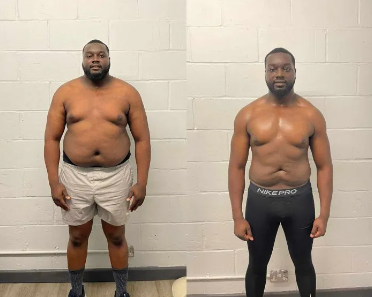
Understanding the role of body composition is crucial when considering muscle growth during a calorie deficit. Your body composition reflects the ratio of fat to muscle you carry, which directly influences how your physique changes. Focusing solely on weight can be misleading because losing fat and gaining muscle may cancel each other out on the scale, but your body will look and feel different.
Fat Loss Vs Muscle Gain
Fat loss and muscle gain can happen simultaneously, but they compete for your body’s resources. When you’re in a calorie deficit, your body prioritizes energy use, often favoring fat loss. However, building muscle requires energy and protein, making it more challenging during a deficit.
That said, beginners or those returning after a break often see muscle growth even with fewer calories. Have you noticed how your clothes fit differently despite the scale not moving much? That’s a sign your body composition is improving.
Tracking Progress
Relying only on the scale can confuse your progress. Instead, track your body measurements, take progress photos, or use body fat calipers. These tools reveal changes in muscle and fat that the scale misses.
Pay attention to strength gains in your workouts too. Are you lifting heavier or doing more reps? Increased strength can indicate muscle growth, even if your weight stays the same or drops.
Adjusting Calorie Intake
Your calorie needs can change as your body composition shifts. If fat loss stalls but you want to keep building muscle, slightly adjusting your calorie intake might help. Adding 100-200 calories on training days can provide extra fuel for muscle growth without sacrificing fat loss.
Remember, the quality of calories matters. Focus on protein-rich foods to support muscle repair and growth during your deficit. Would you consider tweaking your diet based on how your body responds?
Supplements To Support Growth
Building muscle while in a calorie deficit can be challenging, but supplements can give you an edge. They fill nutritional gaps and help your body recover and grow even when calories are limited. Choosing the right supplements can support your muscle gains without adding excess calories.
Protein Powders
Protein is the foundation of muscle growth. When you’re eating less, getting enough protein from food alone can be tough. Protein powders provide a quick, convenient way to meet your daily protein needs without extra calories from carbs or fats.
Whey protein is popular because it’s absorbed quickly and contains all essential amino acids. If you’re vegan or lactose intolerant, pea or rice protein powders are great alternatives. Have you tracked your protein intake today? Adding a shake after workouts can boost muscle repair and growth.
Creatine Benefits
Creatine is one of the most researched supplements for muscle building. It helps your muscles produce energy during high-intensity exercise, letting you push harder and recover faster. This means you can maintain strength and muscle even in a calorie deficit.
Many people worry about water retention from creatine, but the performance gains often outweigh this minor issue. Taking 3-5 grams daily is enough to see benefits. Have you noticed your strength stalling? Creatine could be the simple fix.
Other Helpful Supplements
- BCAAs (Branched-Chain Amino Acids):These can reduce muscle breakdown during calorie deficits, especially if your protein intake is low.
- Beta-Alanine:Helps reduce muscle fatigue, allowing you to train harder for longer.
- Fish Oil:Supports joint health and reduces inflammation, keeping you active and consistent.
- Multivitamins:Ensure you get all the essential nutrients that might be missing from a reduced-calorie diet.
Supplements don’t replace real food but act as tools to maximize your muscle growth potential. What gaps do you notice in your diet? Filling those with the right supplements could be the key to progress.
Common Mistakes To Avoid
Building muscle on a calorie deficit is tough but not impossible. Many people make common mistakes that block their progress. Avoiding these errors helps you keep muscle while losing fat. Focus on smart training, good recovery, and proper nutrition.
Overtraining
Training too hard without breaks can harm muscle growth. Overtraining causes fatigue and weakens your immune system. Your body needs time to repair muscle fibers after workouts. Excessive exercise burns energy faster than you consume it. This slows down muscle gain and increases injury risk.
Ignoring Recovery
Muscles grow when you rest, not when you train. Skipping rest days limits muscle repair and growth. Poor sleep reduces hormone levels that build muscle. Stress also blocks recovery processes. Plan rest days and aim for 7-9 hours of sleep each night.
Inadequate Nutrition
Eating too little protein hinders muscle repair and growth. A calorie deficit must still include enough protein for muscles. Lack of vitamins and minerals weakens energy and strength. Balance meals with protein, healthy fats, and carbohydrates. Drink enough water to support all body functions.
Credit: medium.com
Frequently Asked Questions
Can You Gain Muscle While Eating Fewer Calories?
Yes, you can build muscle on a calorie deficit, but it’s challenging. Proper protein intake and strength training are essential. Muscle gain is slower but possible, especially for beginners or those returning to exercise after a break.
How Much Protein Is Needed To Build Muscle In Deficit?
Aim for 1. 6 to 2. 2 grams of protein per kilogram of body weight. This supports muscle repair and growth while you’re in a calorie deficit. Protein timing around workouts also enhances muscle building.
Does Calorie Deficit Affect Muscle Recovery?
A calorie deficit can slow muscle recovery due to less energy availability. Prioritizing protein and rest helps reduce muscle breakdown. Consistent training and adequate sleep also improve recovery despite fewer calories.
Is Strength Training Necessary To Build Muscle In Deficit?
Yes, strength training is crucial to stimulate muscle growth. Without resistance exercises, muscle loss is more likely during a calorie deficit. Focus on progressive overload for effective muscle building.
Conclusion
Building muscle on a calorie deficit is challenging but possible. Focus on eating enough protein to support muscle growth. Train with weights regularly and rest well to recover. Your body can use stored fat for energy while building muscle. Progress may be slower than in a calorie surplus.
Patience and consistency matter most in this process. Track your progress and adjust your plan as needed. Stay motivated and trust the journey to reach your goals.







