
Have you ever wondered how many calories you need to consume to build muscle effectively? You’re not alone.
Many people like you are on a quest to transform their bodies, yet they often find themselves puzzled by the numbers game of calorie counting. It’s a crucial puzzle piece in your muscle-building journey, and getting it right can be the difference between achieving your goals or just spinning your wheels in the gym.
We’ll unravel the mystery of calorie intake for muscle growth, providing you with clear, actionable insights. Imagine knowing exactly what your body requires to maximize those hard-earned workouts. Ready to unlock the secret to fueling your muscles properly? Read on, and let’s dive into the science of calories and muscle growth together.
Calorie Basics For Muscle Growth
Understanding calories is key to building muscle effectively. Calories are the energy your body uses for all activities, including muscle growth. Eating the right amount ensures your body has enough fuel to repair and build muscle after workouts.
Muscle growth requires more energy than just maintaining your weight. This means adjusting your calorie intake to support new muscle tissue development. Knowing how calories work helps you plan your diet better and reach your muscle-building goals faster.
Calories And Muscle Gain
Muscle gain happens when your body uses more energy to build tissue. Your calorie intake must exceed the calories you burn. This extra energy supports muscle repair and growth. Without enough calories, your body may break down muscle for energy.
Caloric Surplus Explained
A caloric surplus means eating more calories than your body needs daily. This surplus provides the energy to build new muscle. The surplus should be moderate to avoid excess fat gain. Aim for a small, steady increase in calories for best results.
Role Of Macronutrients
Macronutrients are proteins, carbohydrates, and fats. Each plays a vital role in muscle building:
- Protein:Repairs and builds muscle tissue.
- Carbohydrates:Provide energy for workouts and recovery.
- Fats:Support hormone production and overall health.
Balancing these macronutrients helps maximize muscle gain and energy levels.

Credit: www.thewellnesscorner.com
Calculating Your Calorie Needs
Figuring out how many calories you need to build muscle is the foundation of any successful muscle-gaining plan. Without knowing your calorie needs, you risk eating too little to grow or too much and gaining unwanted fat. Let’s break down the calculations so you can fuel your gains accurately.
Estimating Basal Metabolic Rate
Your Basal Metabolic Rate (BMR) is the number of calories your body burns at rest just to keep you alive. It accounts for basic functions like breathing and circulation. Knowing your BMR gives you a starting point for how many calories you need daily.
A simple way to estimate BMR is using the Mifflin-St Jeor Equation:
| Gender | Formula |
|---|---|
| Men | BMR = 10 × weight (kg) + 6.25 × height (cm) – 5 × age (years) + 5 |
| Women | BMR = 10 × weight (kg) + 6.25 × height (cm) – 5 × age (years) – 161 |
For example, a 30-year-old man weighing 80 kg and 180 cm tall would have a BMR around 1,750 calories. This is the baseline energy your body needs daily without any activity.
Adjusting For Activity Level
Once you know your BMR, the next step is to add calories burned through physical activity. Your total daily energy expenditure (TDEE) reflects all movement, from walking to intense workouts.
Use this activity multiplier based on your lifestyle:
- Sedentary (little or no exercise):BMR × 1.2
- Lightly active (light exercise 1-3 days/week):BMR × 1.375
- Moderately active (moderate exercise 3-5 days/week):BMR × 1.55
- Very active (hard exercise 6-7 days/week):BMR × 1.725
- Extra active (very hard exercise, physical job):BMR × 1.9
If you train hard 4 days a week and move around a lot, multiplying your BMR by 1.55 to 1.725 gives a realistic calorie target. This helps avoid underestimating your needs.
Setting A Surplus Target
To build muscle, you need to eat more calories than your TDEE—this is called a calorie surplus. But how much extra is enough without adding too much fat?
Start with a small surplus of 250 to 500 calories per day. This range supports muscle growth while minimizing fat gain. You can adjust based on progress and how your body responds.
Ask yourself: Are you gaining strength and muscle, or just weight? Track your weight weekly and monitor your lifts. If gains stall, increase your calories slightly. If fat gain feels excessive, dial it back.
Tailoring Calories To Body Type
Calorie needs vary with body type when building muscle. Each body type processes food and stores energy differently. Adjusting calories based on your body type helps maximize muscle growth and reduce fat gain. Understanding your body’s natural tendencies guides the right calorie intake.
Ectomorphs And Higher Calories
Ectomorphs have a fast metabolism and find it hard to gain weight. They need more calories than average to build muscle. Eating calorie-dense foods helps meet their energy needs. Focus on nutrient-rich meals with balanced proteins, fats, and carbs. Frequent meals support steady energy and muscle repair.
Mesomorphs And Balanced Intake
Mesomorphs have a naturally muscular build and gain muscle easily. Their calorie needs are moderate and balanced. A steady intake of protein, carbs, and fats supports muscle growth. Adjust calories slightly above maintenance to add muscle without excess fat. Consistent eating habits help maintain muscle mass.
Endomorphs And Calorie Control
Endomorphs tend to store fat easily and have slower metabolisms. They need to control calorie intake carefully to avoid fat gain. Focus on lean proteins and moderate carbs with healthy fats. Smaller, frequent meals help regulate metabolism. Tracking calories can prevent overeating and support muscle gain.
Meal Planning For Muscle Gain
Planning meals for muscle gain requires smart food choices. Each meal should support muscle repair and growth. Balancing macronutrients is key. Proteins, carbohydrates, and fats each play a special role. Understanding their importance helps create effective meal plans. Eating the right amount and types of food fuels workouts and recovery.
Protein Priorities
Protein builds and repairs muscle tissue. Aim to include protein in every meal. Good sources include chicken, fish, eggs, and beans. Protein helps reduce muscle breakdown after exercise. Eating 20-30 grams of protein per meal supports growth. Spread protein intake evenly throughout the day for best results.
Carbohydrates For Energy
Carbohydrates provide energy for workouts and daily activities. Choose complex carbs like whole grains, fruits, and vegetables. These release energy slowly and keep you full longer. Eating carbs around workout times improves performance and recovery. Avoid excessive sugar and refined carbs that cause energy crashes.
Fats For Hormone Support
Healthy fats support hormone production and overall health. Include sources like nuts, seeds, avocados, and olive oil. Fats help regulate testosterone, which aids muscle growth. Keep fat intake moderate, around 20-30% of daily calories. Avoid trans fats and limit saturated fats for better results.
Tracking Progress And Adjusting Intake
Tracking your progress is key to building muscle effectively. It helps you see if your calorie intake supports growth. Adjustments ensure your body gets what it needs. Without tracking, you might miss signs of too much or too little food.
Regular checks help keep your plan on target. Watch your body and strength closely. Small changes can improve results over time.
Monitoring Weight Changes
Track your weight at the same time each day or week. Use a reliable scale for accuracy. Note any steady increases, which suggest muscle gain or fat increase. No change might mean you need more calories. Quick weight spikes often mean water retention, not muscle.
Assessing Strength Gains
Strength growth shows muscle is developing. Keep a workout log to track lifts and reps. If you lift heavier or more reps, your muscles respond well. Stagnant or dropping strength may signal calorie or protein deficits. Progress in strength often matches muscle growth.
Tweaking Calories And Macros
Adjust calories based on weight and strength feedback. Increase calories by 200-300 if no weight gain occurs. Reduce calories slightly if fat gain is too fast. Balance macronutrients to support muscle repair and energy. Aim for enough protein, healthy fats, and carbs for workouts.
- Increase protein to help muscle growth
- Adjust carbs for workout energy
- Use fats for hormone balance
Small changes keep progress steady. Track results for 2-3 weeks before more tweaks. Consistency and patience matter most.
Credit: homegymsupply.co.uk
Common Mistakes To Avoid
Building muscle requires more than just eating a lot of food. Many people make common mistakes that slow progress or cause unwanted fat gain. Avoiding these errors helps you gain muscle efficiently and stay healthy.
Overeating And Excess Fat Gain
Eating too many calories leads to fat, not just muscle. Muscle growth needs a small calorie surplus, not a huge one. Excess calories turn into fat, making you look bulky. Tracking your intake helps control how much you eat. Aim for a balanced increase, not overeating.
Ignoring Protein Needs
Protein is the building block of muscle. Not eating enough protein limits muscle repair and growth. Include protein in every meal and snack. Good sources include chicken, fish, eggs, beans, and dairy. Spread protein intake evenly throughout the day for best results.
Skipping Recovery Nutrition
Muscles grow during recovery, not just workouts. Skipping nutrition after exercise slows muscle repair. Eating carbs and protein soon after training helps recovery. It replenishes energy and supports muscle rebuilding. Plan a healthy snack or meal within 30 minutes post-workout.
Supplements And Muscle Growth
Supplements can play a key role in helping you build muscle, but they are not magic pills. Your diet and training routine set the foundation, while supplements fill in the gaps. Understanding which supplements actually support muscle growth can save you time, money, and frustration.
Protein Powders
Protein is the building block of muscle. If you struggle to meet your daily protein needs through food alone, protein powders are a convenient option. Whey protein is popular because it digests quickly and contains all essential amino acids.
Casein protein digests slower, making it a good choice before bed to support muscle repair overnight. Plant-based protein powders like pea or rice protein work well if you prefer a vegan option. Remember, protein supplements complement your meals—they don’t replace whole foods.
Creatine Benefits
Creatine is one of the most researched supplements for muscle growth. It helps your muscles produce energy during short bursts of intense exercise, allowing you to lift heavier and train longer. Over time, this can lead to greater muscle gains.
Many people notice increased strength and muscle fullness with creatine. It’s safe for most people when taken as directed. Are you maximizing your workouts by fueling your muscles with creatine?
Other Helpful Supplements
- BCAAs (Branched-Chain Amino Acids):Can reduce muscle soreness and support recovery, especially if your protein intake is low.
- Beta-Alanine:Helps delay muscle fatigue, boosting endurance in high-rep training sessions.
- Fish Oil:Supports overall health and reduces inflammation, which can aid muscle recovery.
- Vitamin D:Important for muscle function and strength, especially if you have limited sun exposure.
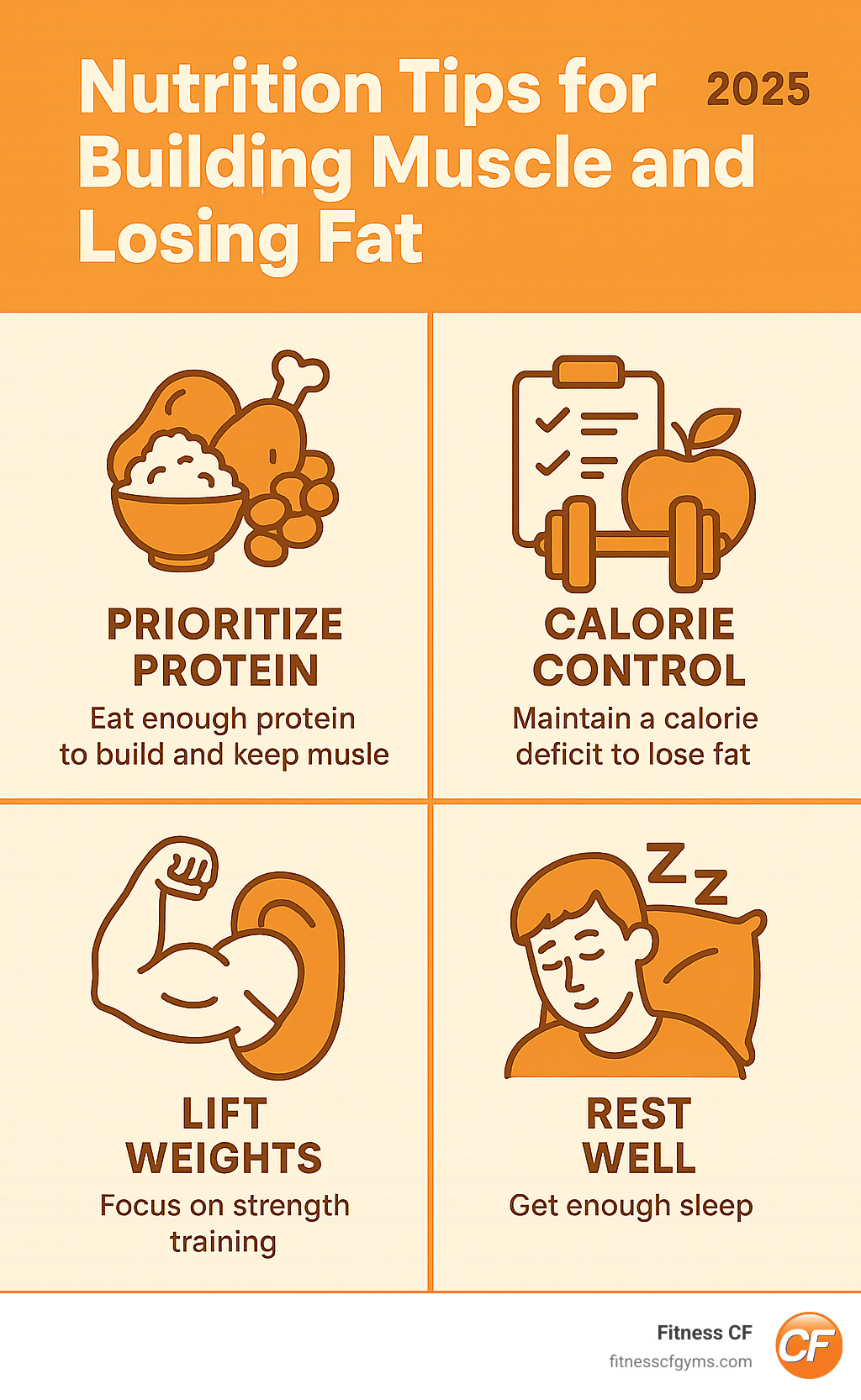
Choosing the right supplements depends on your individual needs and goals. What gaps in your nutrition or training could a supplement help you fill?
Credit: fitnesscfgyms.com
Frequently Asked Questions
How Many Calories Do I Need To Build Muscle?
To build muscle, consume 10-20% more calories than your maintenance level. This surplus provides energy for muscle growth and repair.
What Is The Best Calorie Surplus For Muscle Gain?
A moderate surplus of 250-500 calories daily supports muscle gain without excessive fat gain. Adjust based on your progress and activity.
Should I Count Protein Calories For Muscle Building?
Yes, protein calories are crucial. Aim for 1. 6-2. 2 grams of protein per kg of body weight daily to optimize muscle synthesis.
How Often Should I Adjust Calorie Intake To Build Muscle?
Adjust calories every 2-4 weeks based on muscle gain and fat levels. Increase intake if gains slow or decrease if fat increases.
Conclusion
Building muscle needs the right calorie balance. Eat enough calories to fuel workouts and recovery. Track your intake and adjust as you grow stronger. Protein, carbs, and fats all play a key role. Stay consistent with your meals and training routine.
Small changes bring steady muscle gains over time. Remember, patience and effort beat quick fixes. Keep your goals clear and your diet balanced. Muscle growth is a journey, not a race. Stay focused and enjoy the process.







